25 July · Today in history
Dramatized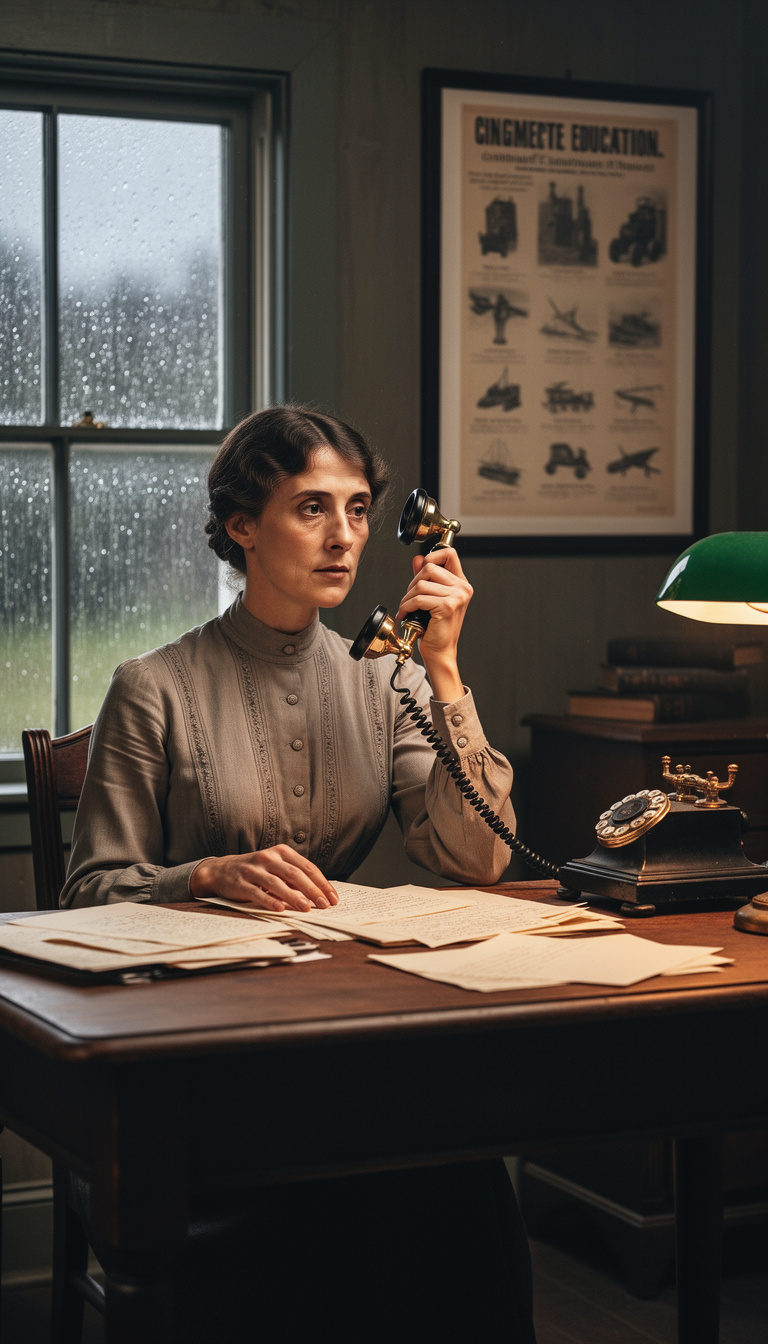
On this day, 1927—the first commercial transatlantic telephone service opens its mouth and speaks. Not the stately dots of cable, but a living voice, trembling through the ether. I am at Monk's House, the garden damp after rain, and I find I do not trust it. A voice without a body? I, who have spent years chasing how consciousness moves between minds, should celebrate this collapse of distance. Yet I prefer my words walked across a room, set on paper, held in the hand. The telephone demands instant reply; it permits no pause for the sentence to find its true shape. Still, I see what it means: the world contracts, and with it, the possible forms of intimacy. Had I only known how much smaller still it would grow.
Explain more
The first commercial transatlantic telephone call connected London and New York on 7 January 1927, but full public service launched and expanded through July 1927, making transatlantic voice communication newly routine.
Why it matters
Woolf's modernist project—stream of consciousness, multiple perspectives, the fluidity of time—emerged alongside technologies that collapsed spatial and temporal distance. The telephone, like the novel, restructured how consciousness could move between separated minds.
Try today
Write one sentence that crosses a distance—temporal, spatial, emotional. Do not send it immediately. Let it wait an hour, then revise.
What is true / dramatized: Dramatized. Educational entertainment — not a primary historical source.
Transatlantic telephone service, 1927; Woolf at Monk's House, age 45, working on To the Lighthouse (published 1927)
Difficulty: medium · ~4 min
Related
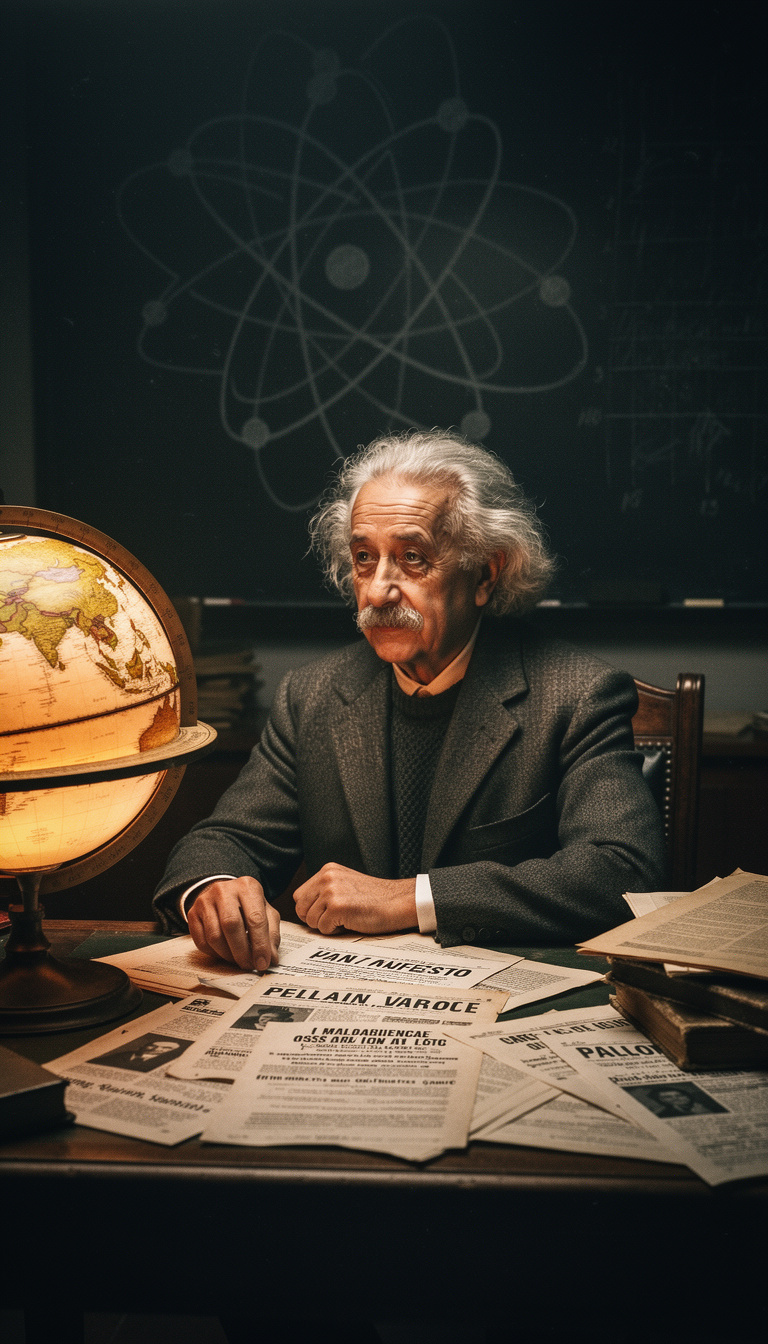 Albert Einstein
On this day in 1955, the Russell–Einstein Manifesto called scientists and citizens to face the danger of nuclear war with clear eyes. Knowledge without responsibility is incomplete. The manifesto asked a blunt question: shall we put an end to the human race, or shall we renounce war?
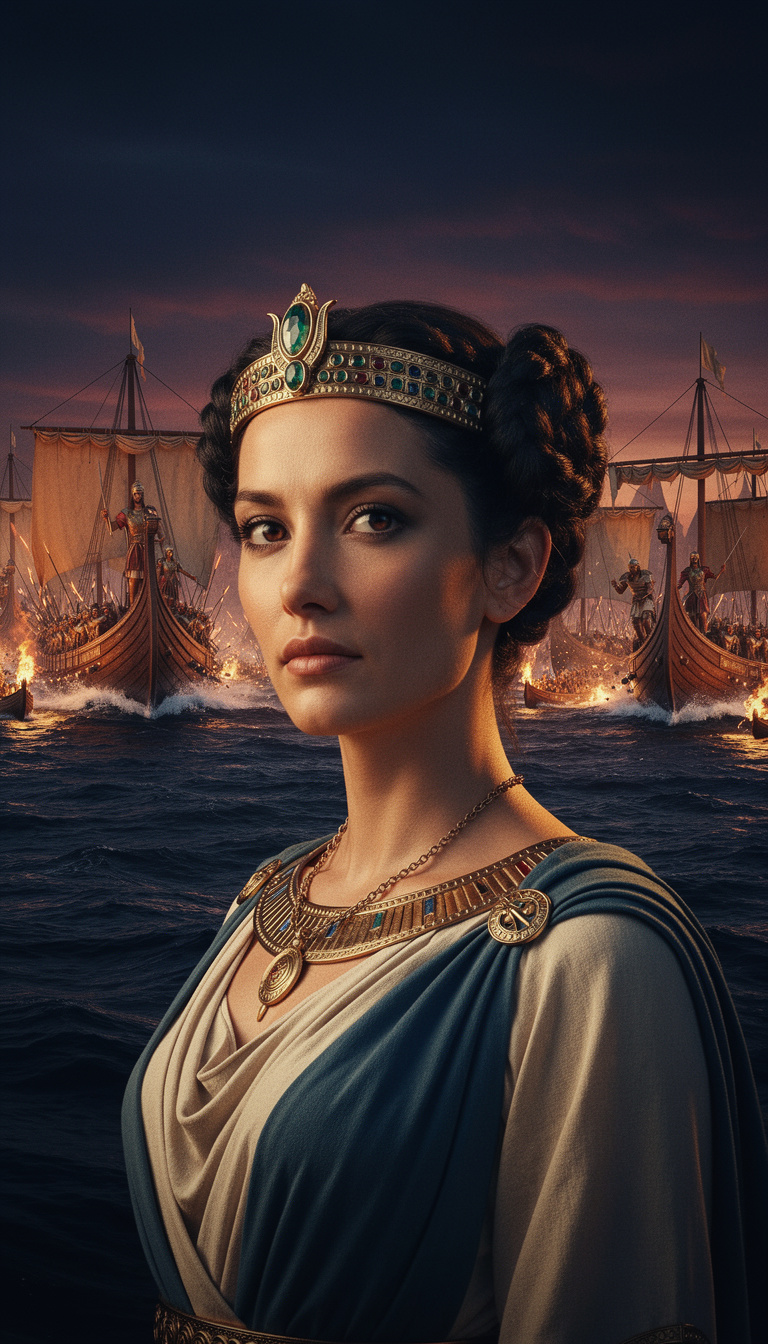 Cleopatra VII
Actium was not only a battle. It was a hinge. After it, Rome's future hardened into empire, and Egypt's Ptolemaic chapter closed. Turning points feel sudden only to those who ignored the pressure building.
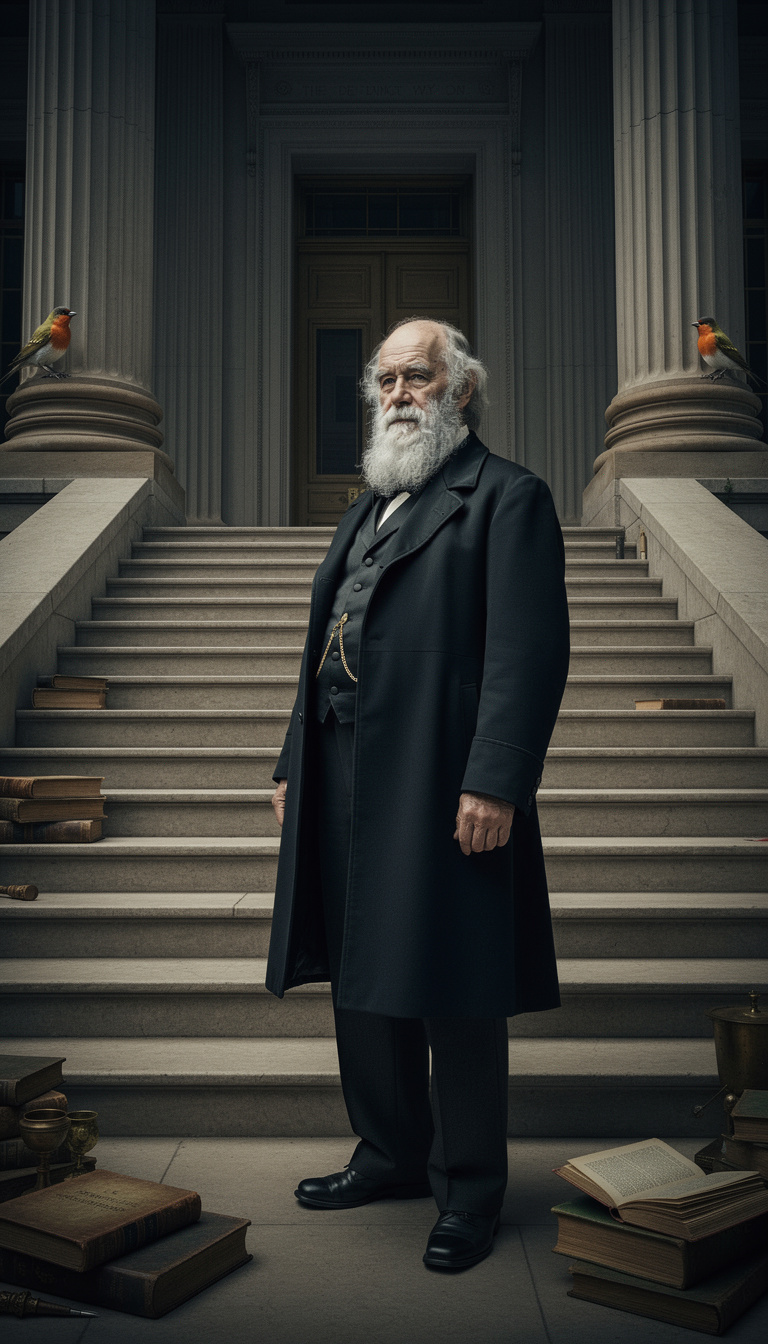 Charles Darwin
On July 10, 1925, the Scopes Trial opened in Tennessee — a public clash over teaching evolution. Ideas do not only live in books. They walk into schools, laws, and arguments about who we are.
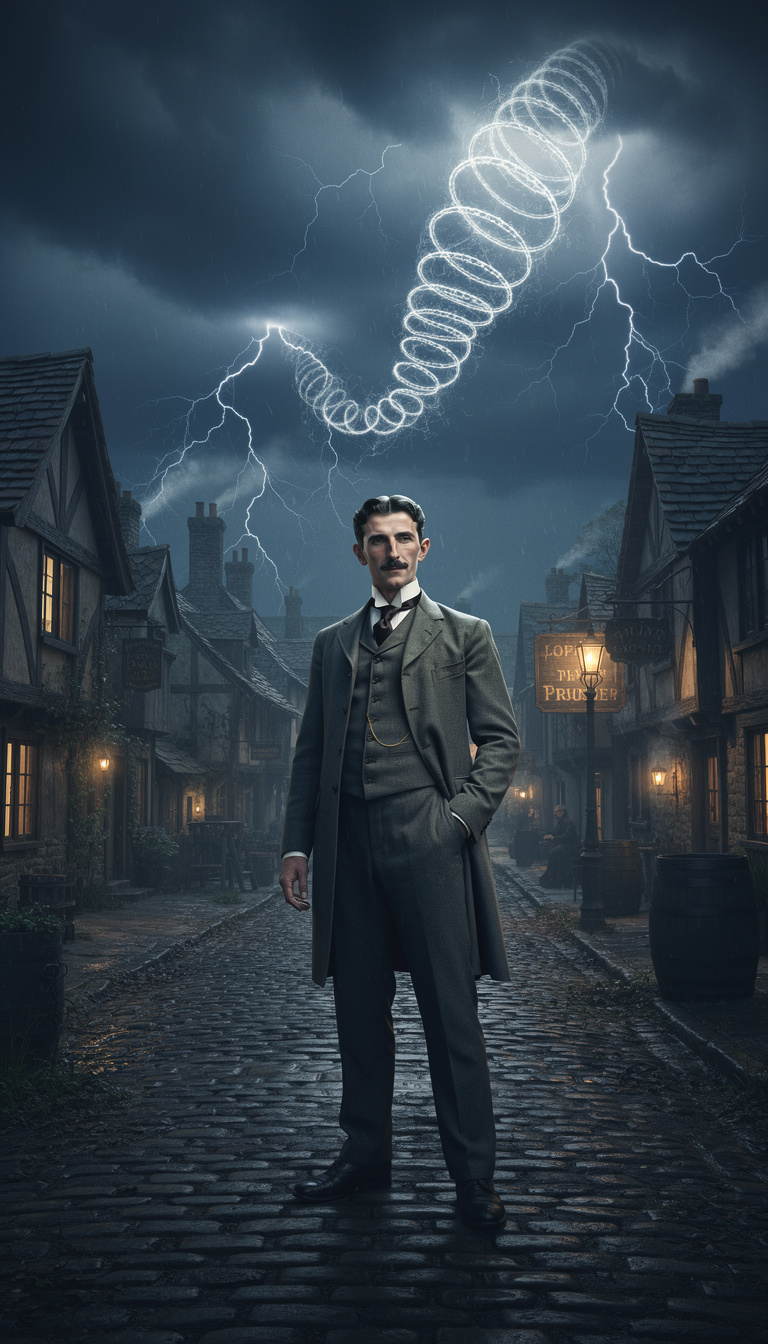 Nikola Tesla
On this day in 1856, Nikola Tesla was born. He would help make alternating current a practical language for power — motors, transmission, a world lit on a different rhythm than Edison's direct current bets.
 Cleopatra VII
Train your eye: one detail is from the wrong century.
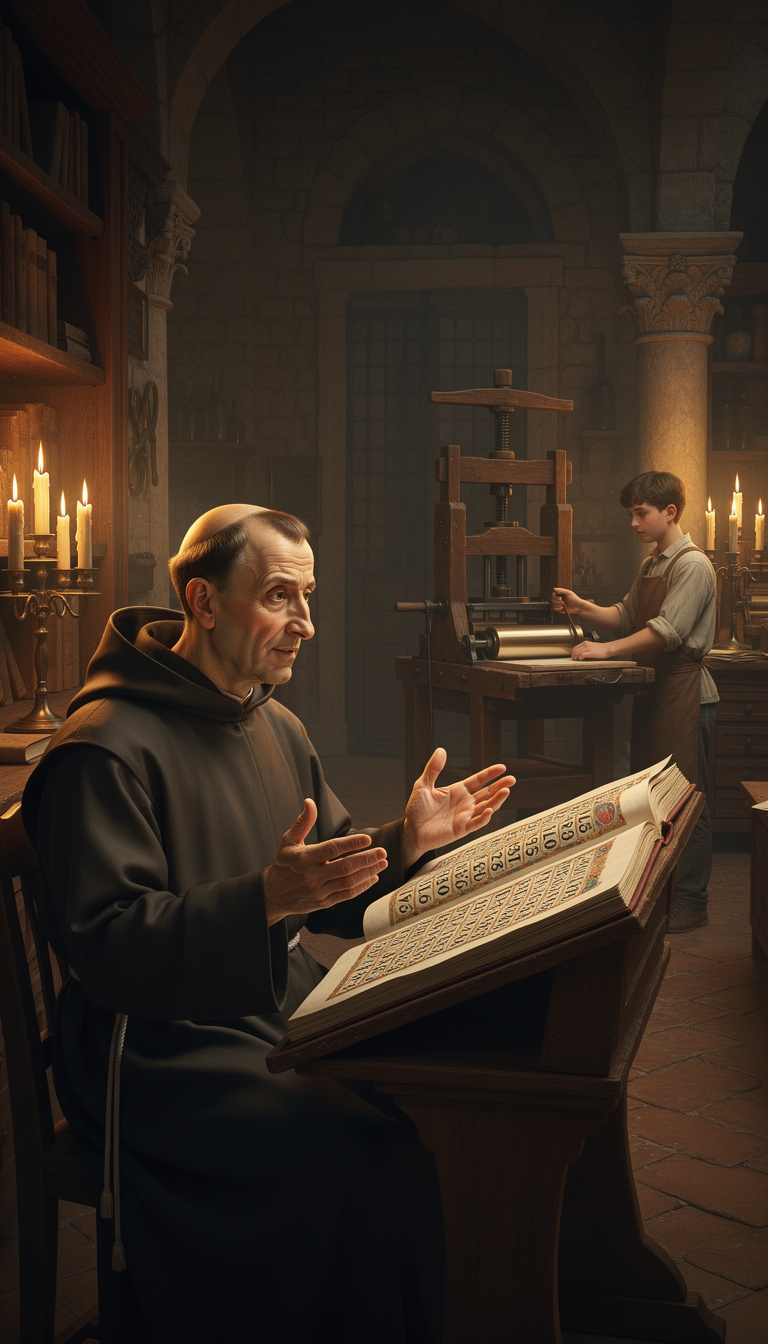 Luca Pacioli
Nel 1494, a Venezia, la mia Summa de Arithmetica vedeva la luce — non un giorno preciso come oggi, ma un'estate che cambiò il commercio europeo. Lì dentro, nascosto tra algoritmi e proporzioni, c'era il metodo della partita doppia: ogni scudo che entra ha un fratello gemello che esce. Nessun mercante più solo con la memoria traballante. Non inventai io questo sistema — i veneziani lo coltivavano da secoli. Ma lo ordinai, lo spiegai, lo diedi alle stampe. La chiarezza è anche un atto di carità.