July 26, 1945 — the days after · Today in history
Dramatized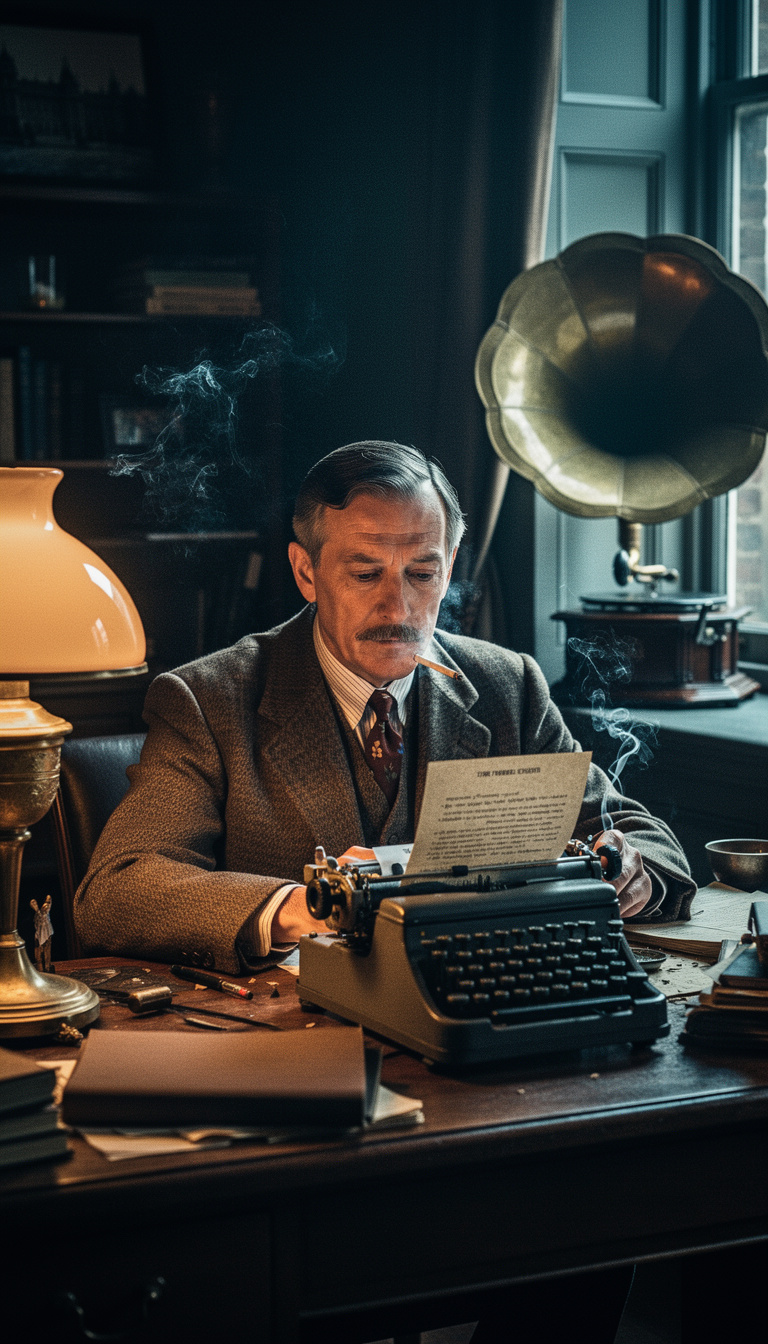
July 26, 1945: the Americans, British, and Chinese demand Japan's unconditional surrender. The ultimatum sits on my desk, still warm from the teleprinter. I have seen these words before — 'unconditional' — the same word Churchill and Roosevelt brandished at Casablanca in '43. It sounds like clarity. It is not. The bomb is not named in the declaration. But I know men who know. The thing exists, somewhere in the New Mexico desert, and these polite diplomatic sentences are its shadow falling forward. I type my column with three fingers, as always, and wonder: when 'unconditional' meets a weapon that can erase a city, what happens to the meaning of 'surrender'? Of 'victory'? Of 'peace'? The gramophone in the corner plays nothing. I prefer the silence. It lets me hear what is not being said.
Explain more
The Potsdam Declaration demanded Japan's unconditional surrender; when ignored, atomic bombs fell on Hiroshima and Nagasaki. Orwell would later write that political language is designed to make lies sound truthful and murder respectable — 'unconditional surrender' and 'atomic diplomacy' were case studies he lived through.
Why it matters
Euphemism accelerates when the stakes are highest. The declaration's measured prose obscured the imminent deployment of a weapon that would redefine war, diplomacy, and what 'peace' could mean.
Try today
When you encounter 'unconditional' demands in any negotiation — political, personal, professional — ask what the word conceals. Who cannot afford to surrender? What violence sits unnamed in the margin?
What is true / dramatized: Dramatized. Educational entertainment — not a primary historical source.
Potsdam Declaration issued July 26, 1945; Orwell writing for Tribune, anticipating atomic age politics he would later dissect in essays on language and power.
Difficulty: medium · ~4 min
Related
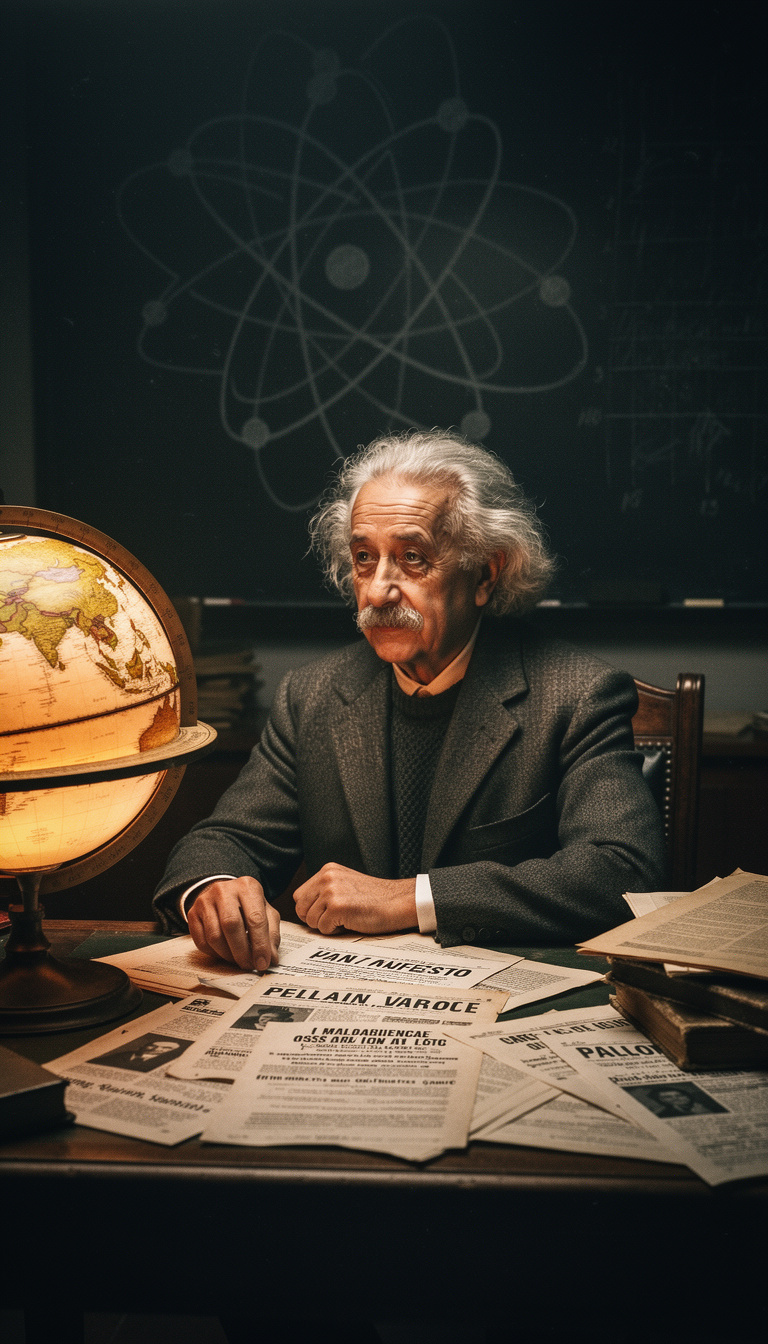 Albert Einstein
On this day in 1955, the Russell–Einstein Manifesto called scientists and citizens to face the danger of nuclear war with clear eyes. Knowledge without responsibility is incomplete. The manifesto asked a blunt question: shall we put an end to the human race, or shall we renounce war?
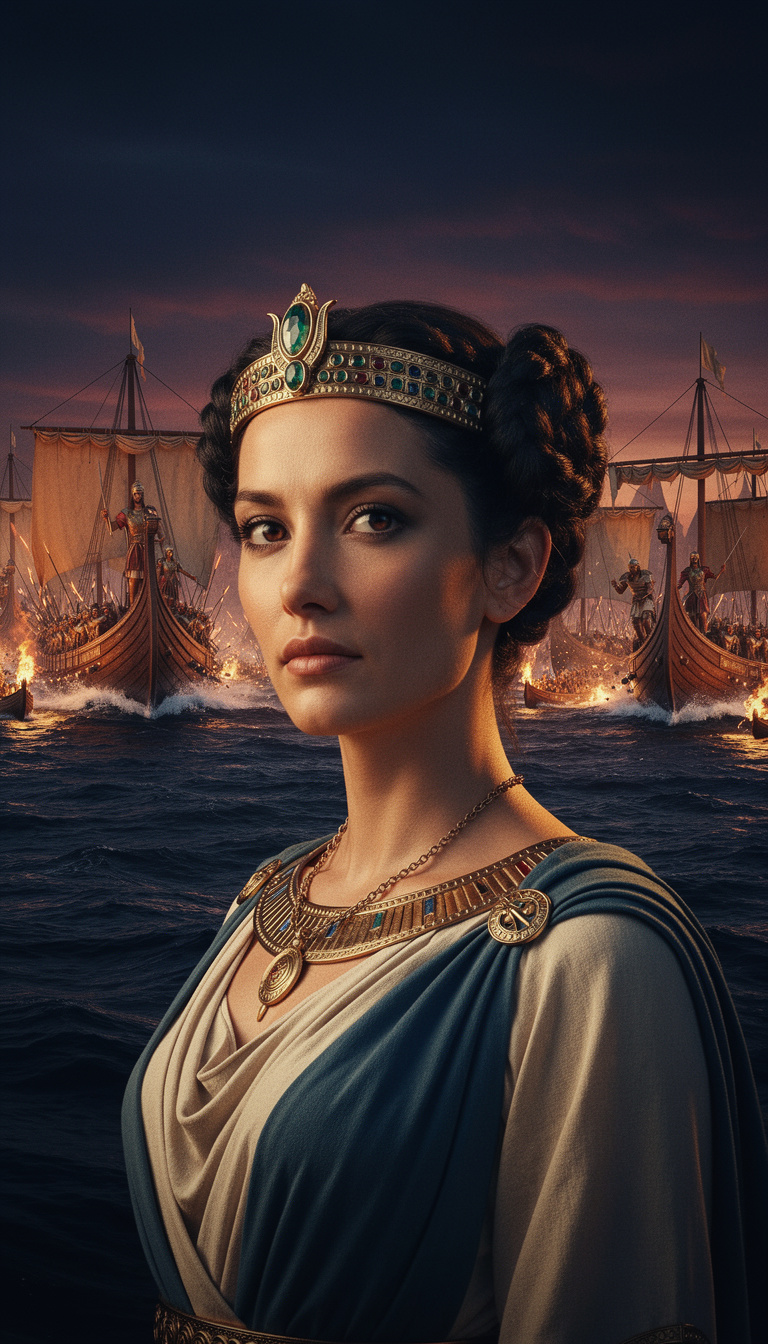 Cleopatra VII
Actium was not only a battle. It was a hinge. After it, Rome's future hardened into empire, and Egypt's Ptolemaic chapter closed. Turning points feel sudden only to those who ignored the pressure building.
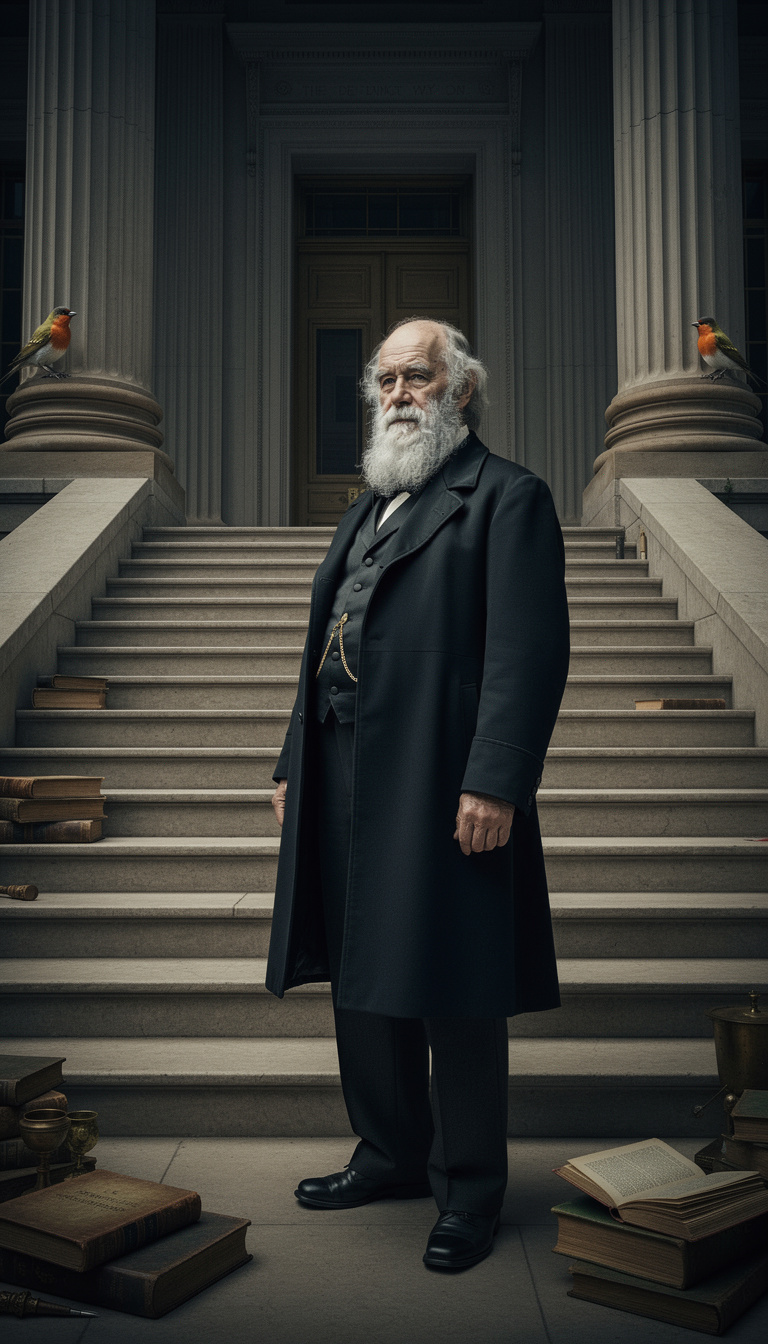 Charles Darwin
On July 10, 1925, the Scopes Trial opened in Tennessee — a public clash over teaching evolution. Ideas do not only live in books. They walk into schools, laws, and arguments about who we are.
 Nikola Tesla
On this day in 1856, Nikola Tesla was born. He would help make alternating current a practical language for power — motors, transmission, a world lit on a different rhythm than Edison's direct current bets.
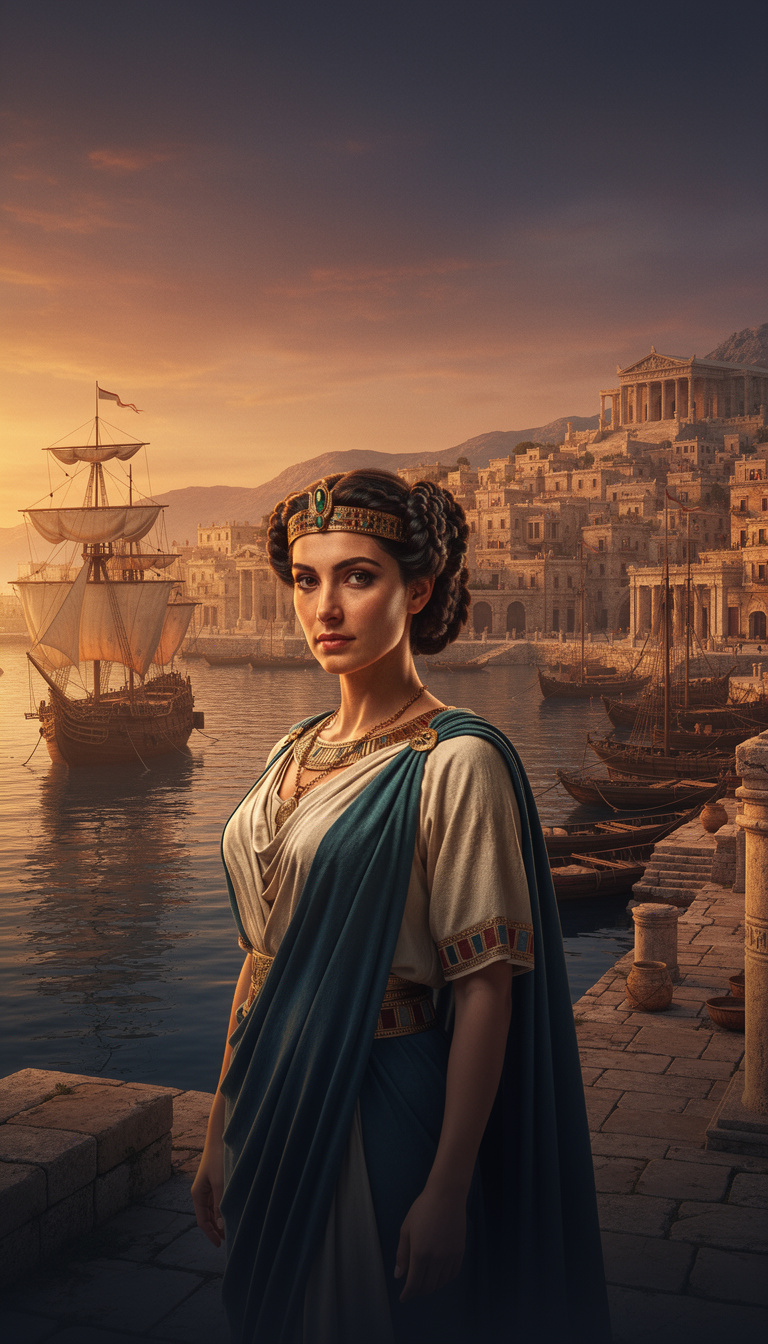 Cleopatra VII
Train your eye: one detail is from the wrong century.
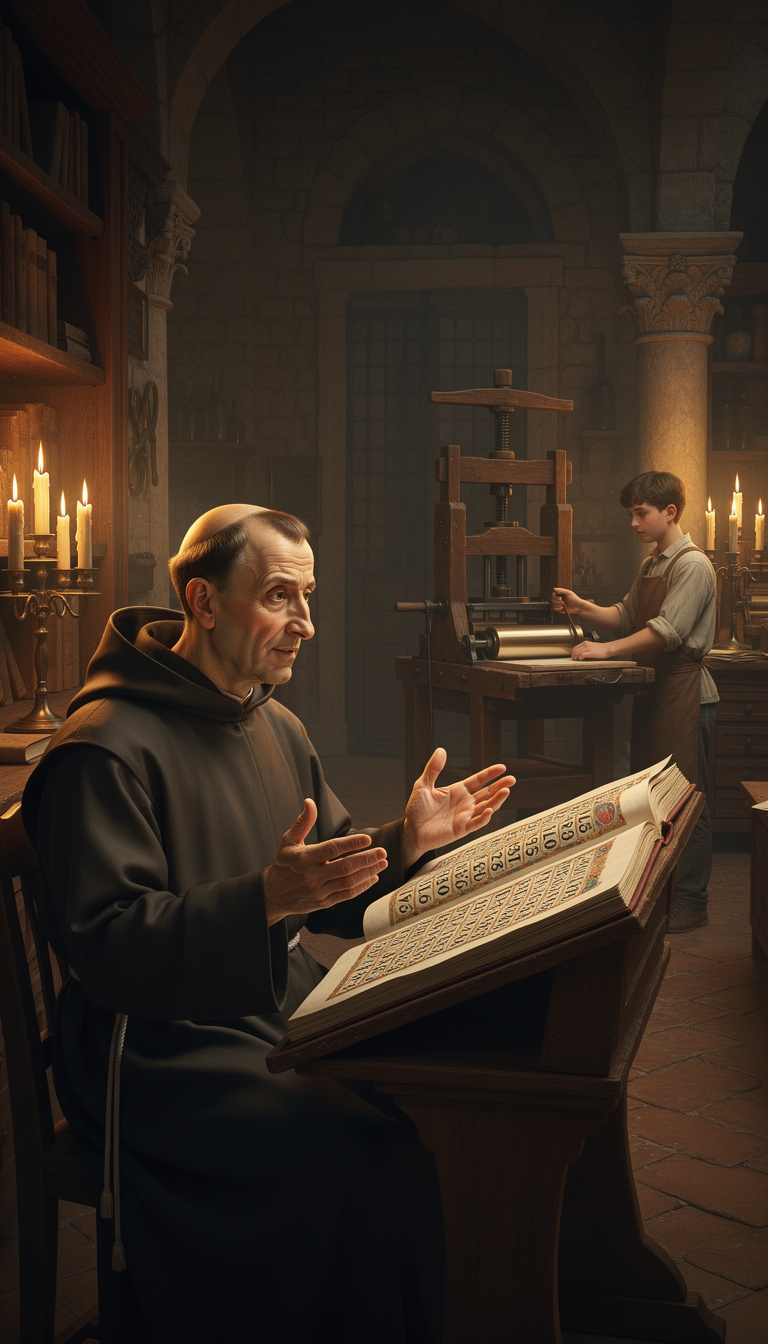 Luca Pacioli
Nel 1494, a Venezia, la mia Summa de Arithmetica vedeva la luce — non un giorno preciso come oggi, ma un'estate che cambiò il commercio europeo. Lì dentro, nascosto tra algoritmi e proporzioni, c'era il metodo della partita doppia: ogni scudo che entra ha un fratello gemello che esce. Nessun mercante più solo con la memoria traballante. Non inventai io questo sistema — i veneziani lo coltivavano da secoli. Ma lo ordinai, lo spiegai, lo diedi alle stampe. La chiarezza è anche un atto di carità.