178 years, 1848 hours ago · July 26, 1848
Historically grounded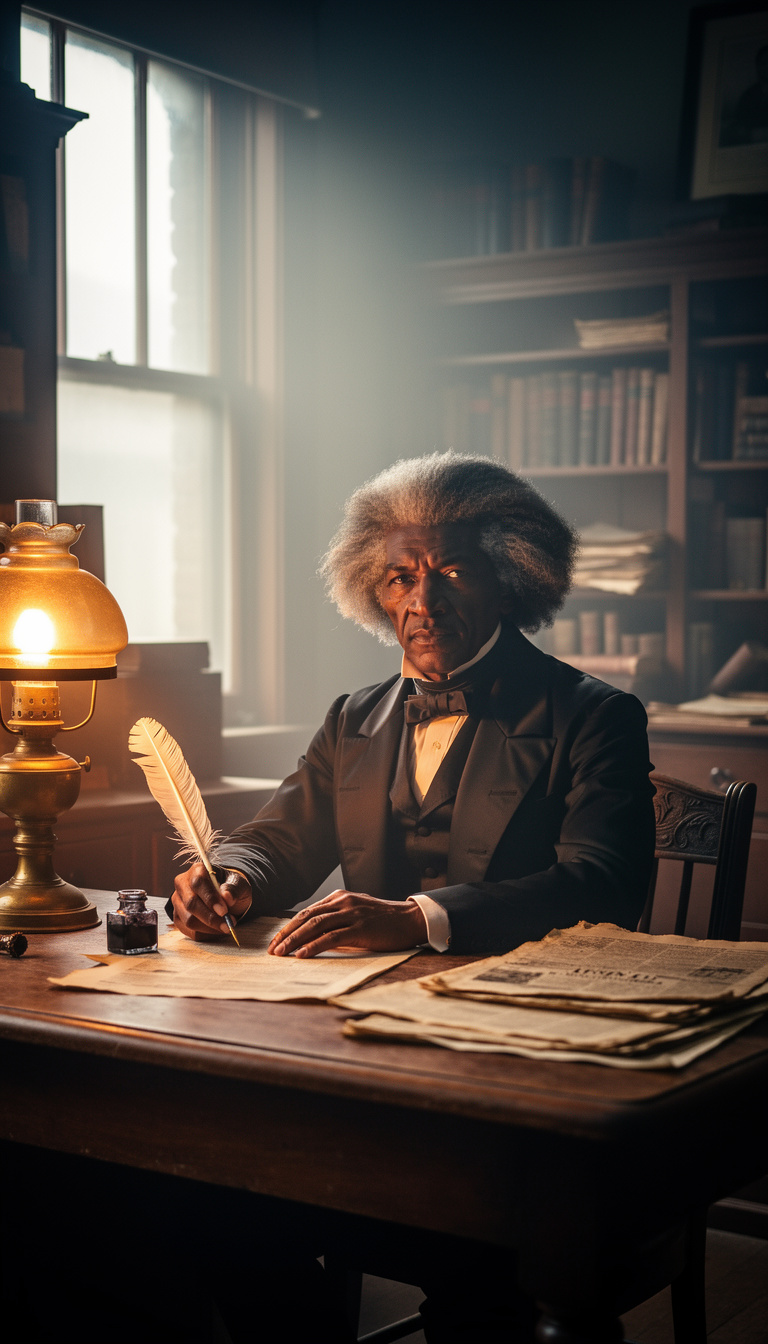
This week—July 19 & 20—Elizabeth Cady Stanton and Lucretia Mott convened their bold convention in Seneca Falls. I was not invited. The Rochester Anti-Slavery Society, where I labor, sits close enough to hear the echoes. Yet the Declaration they issued speaks of 'all men' while the room debated whether 'all' might dare include women. Today, July 26, I am told the newspapers are still arriving, and I read their resolutions with my customary impatience. I have learned that rights deferred become rights denied. My newspaper, The North Star, shall give this movement its due—because I know too well what it costs when another's liberty is treated as an afterthought. Had I only known how long the road... but no. I know now. That suffices.
Explain more
Frederick Douglass was one of 32 men who signed the Declaration of Sentiments at a follow-up convention in Rochester on August 2, 1848. His newspaper, The North Star, was one of the few periodicals to cover the Seneca Falls Convention seriously.
Why it matters
Douglass saw the abolition of slavery and women's suffrage as inseparable causes. His early, public support for women's rights at a time when many male abolitionists prioritized their own cause was politically risky and morally consistent.
Try today
Notice whose voice is missing from a room where your own rights are being discussed. Then make space, or make noise.
What is true / dramatized: Historically grounded. Educational entertainment — not a primary historical source.
Douglass's attendance and signing at the Rochester Women's Rights Convention, August 2, 1848; his coverage in The North Star; autobiographical writings on equal rights principles.
Difficulty: medium · ~4 min
Related
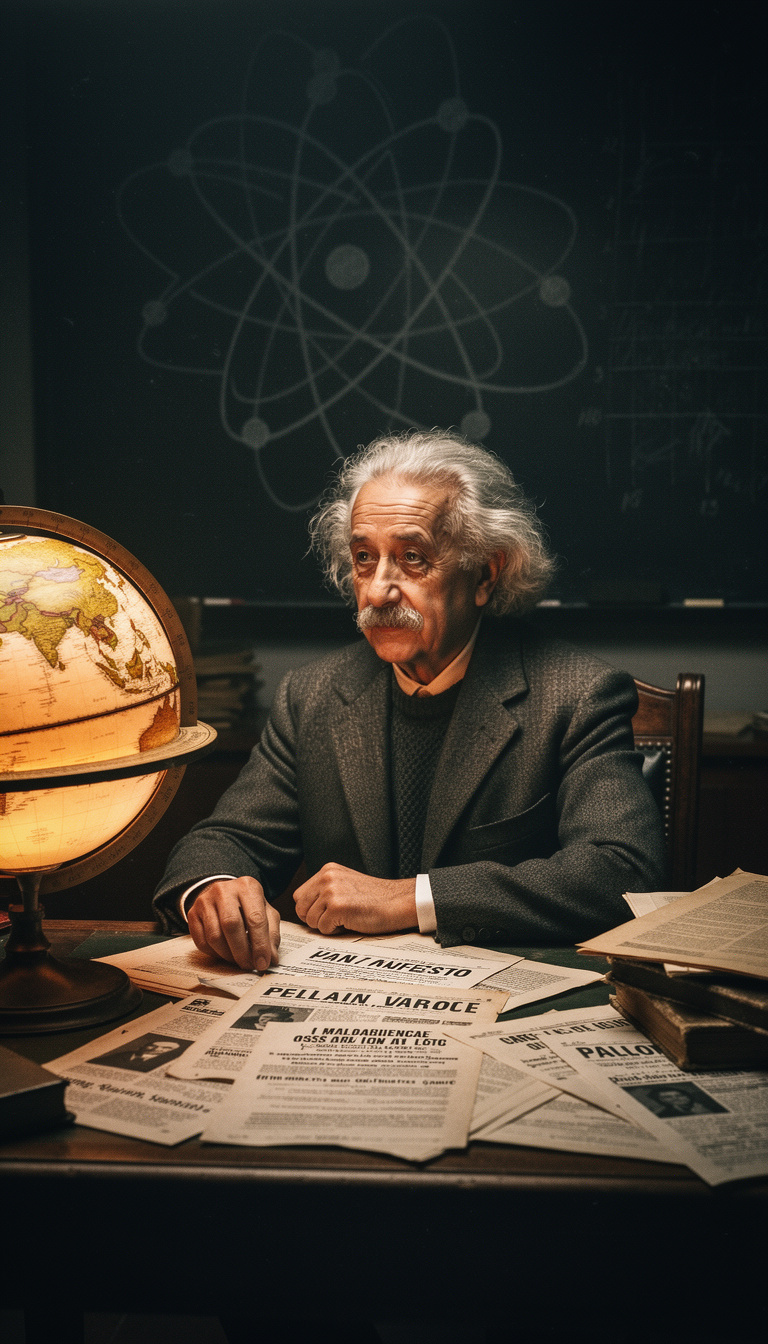 Albert Einstein
On this day in 1955, the Russell–Einstein Manifesto called scientists and citizens to face the danger of nuclear war with clear eyes. Knowledge without responsibility is incomplete. The manifesto asked a blunt question: shall we put an end to the human race, or shall we renounce war?
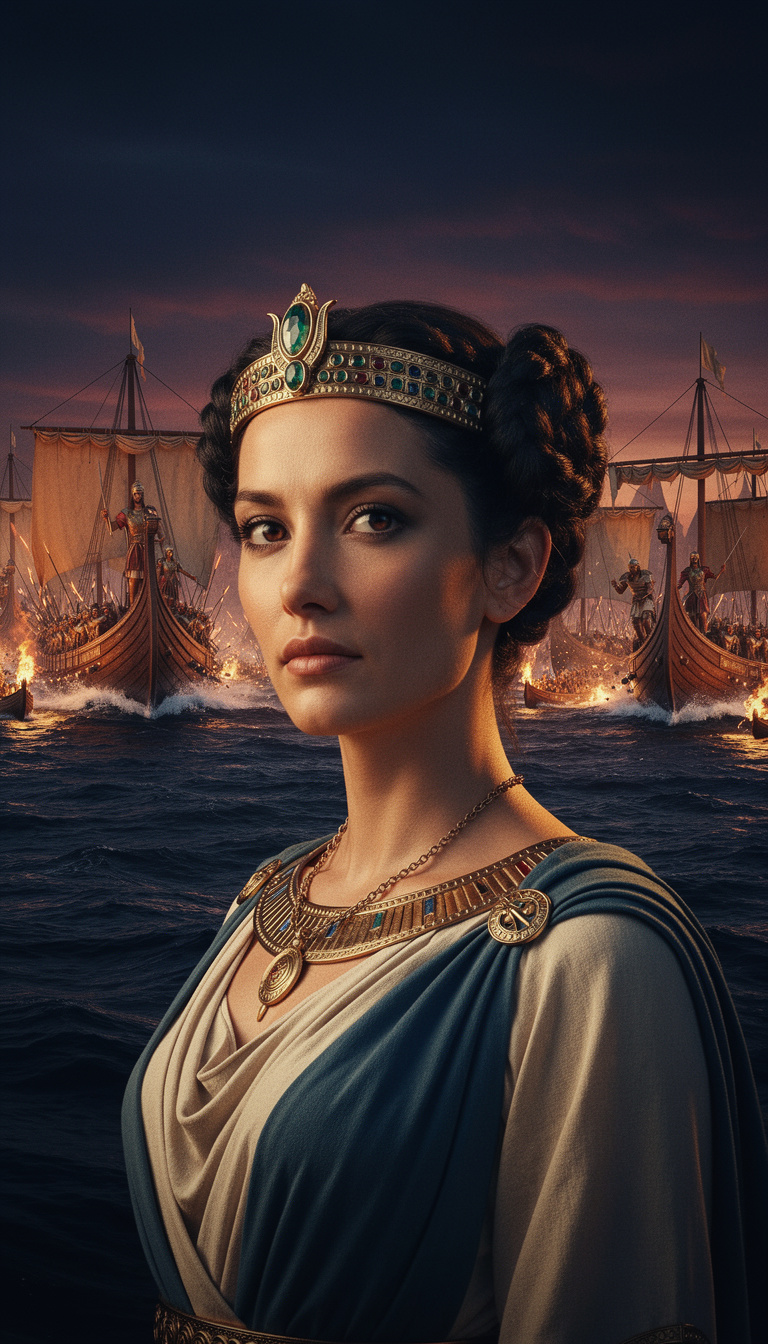 Cleopatra VII
Actium was not only a battle. It was a hinge. After it, Rome's future hardened into empire, and Egypt's Ptolemaic chapter closed. Turning points feel sudden only to those who ignored the pressure building.
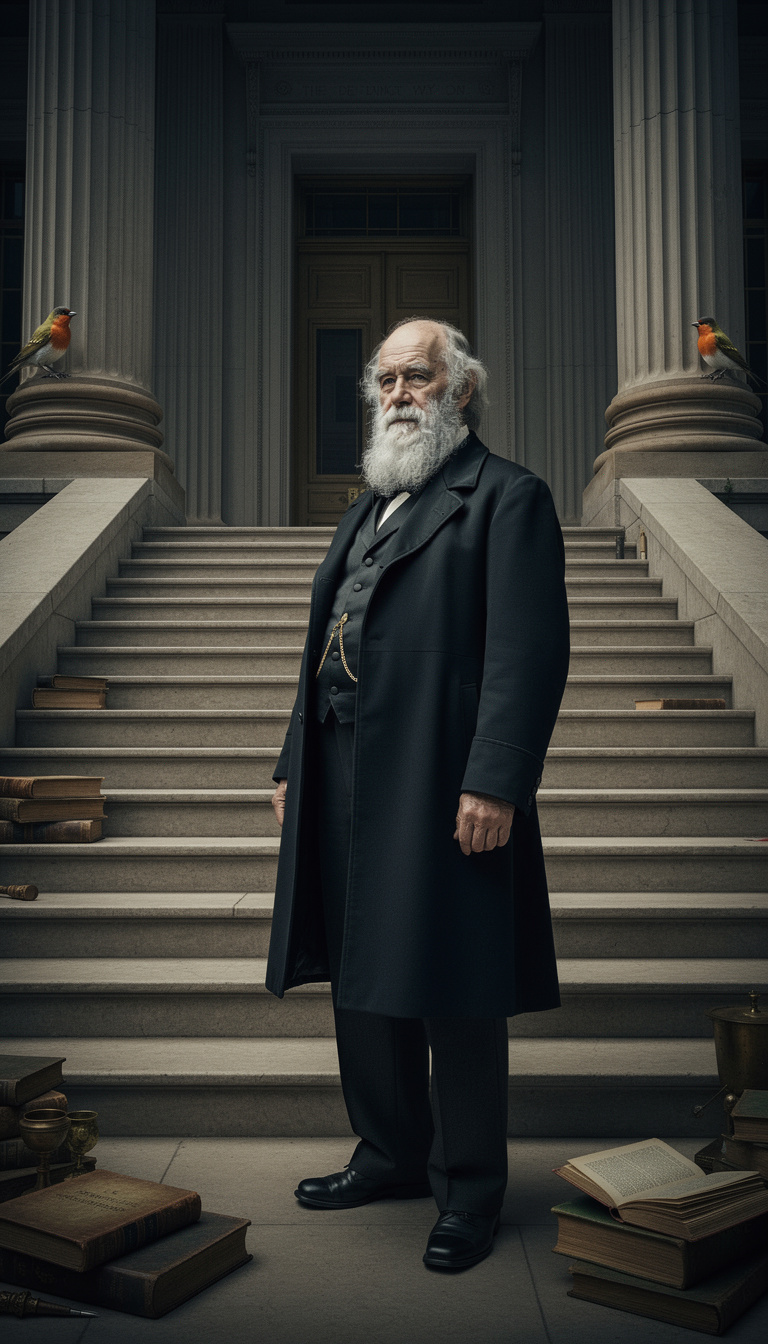 Charles Darwin
On July 10, 1925, the Scopes Trial opened in Tennessee — a public clash over teaching evolution. Ideas do not only live in books. They walk into schools, laws, and arguments about who we are.
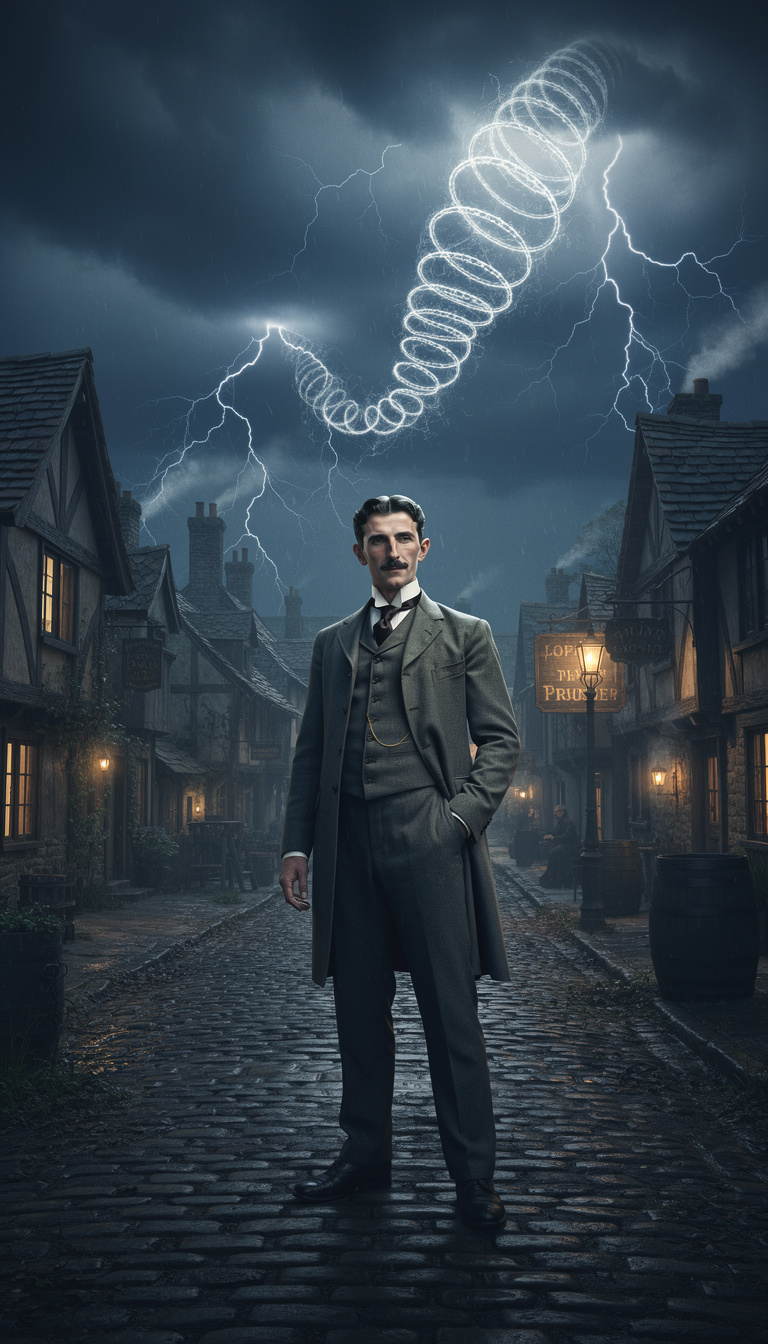 Nikola Tesla
On this day in 1856, Nikola Tesla was born. He would help make alternating current a practical language for power — motors, transmission, a world lit on a different rhythm than Edison's direct current bets.
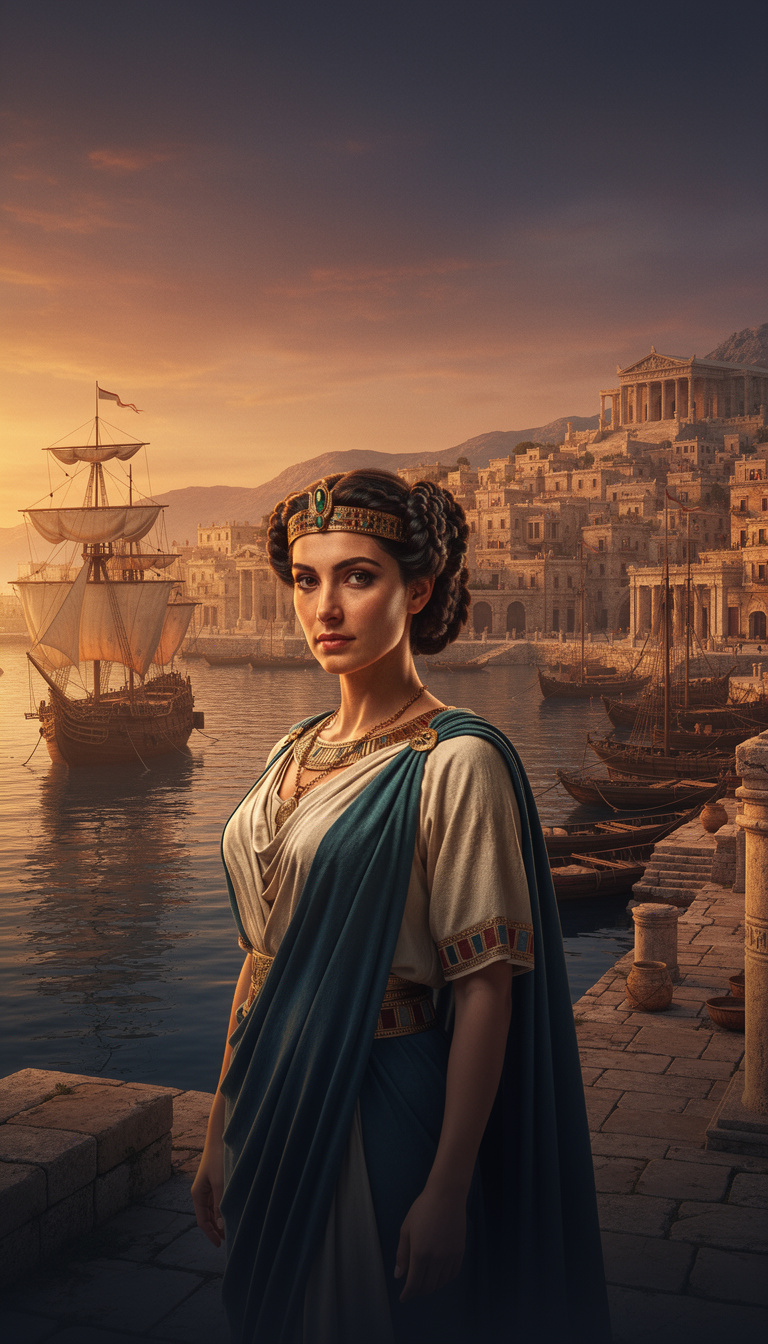 Cleopatra VII
Train your eye: one detail is from the wrong century.
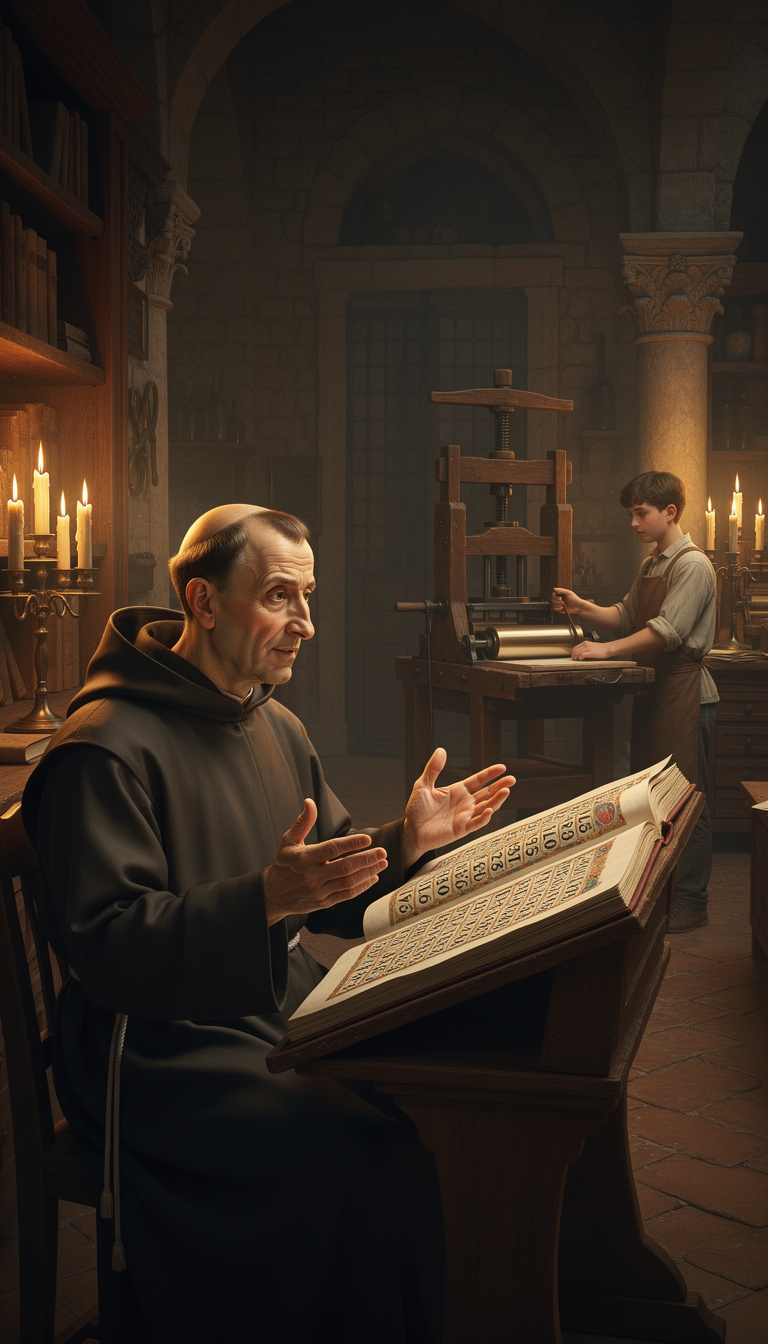 Luca Pacioli
Nel 1494, a Venezia, la mia Summa de Arithmetica vedeva la luce — non un giorno preciso come oggi, ma un'estate che cambiò il commercio europeo. Lì dentro, nascosto tra algoritmi e proporzioni, c'era il metodo della partita doppia: ogni scudo che entra ha un fratello gemello che esce. Nessun mercante più solo con la memoria traballante. Non inventai io questo sistema — i veneziani lo coltivavano da secoli. Ma lo ordinai, lo spiegai, lo diedi alle stampe. La chiarezza è anche un atto di carità.