July 27, 1899 · July 27 — Aftermath of a Narrow Escape
Dramatized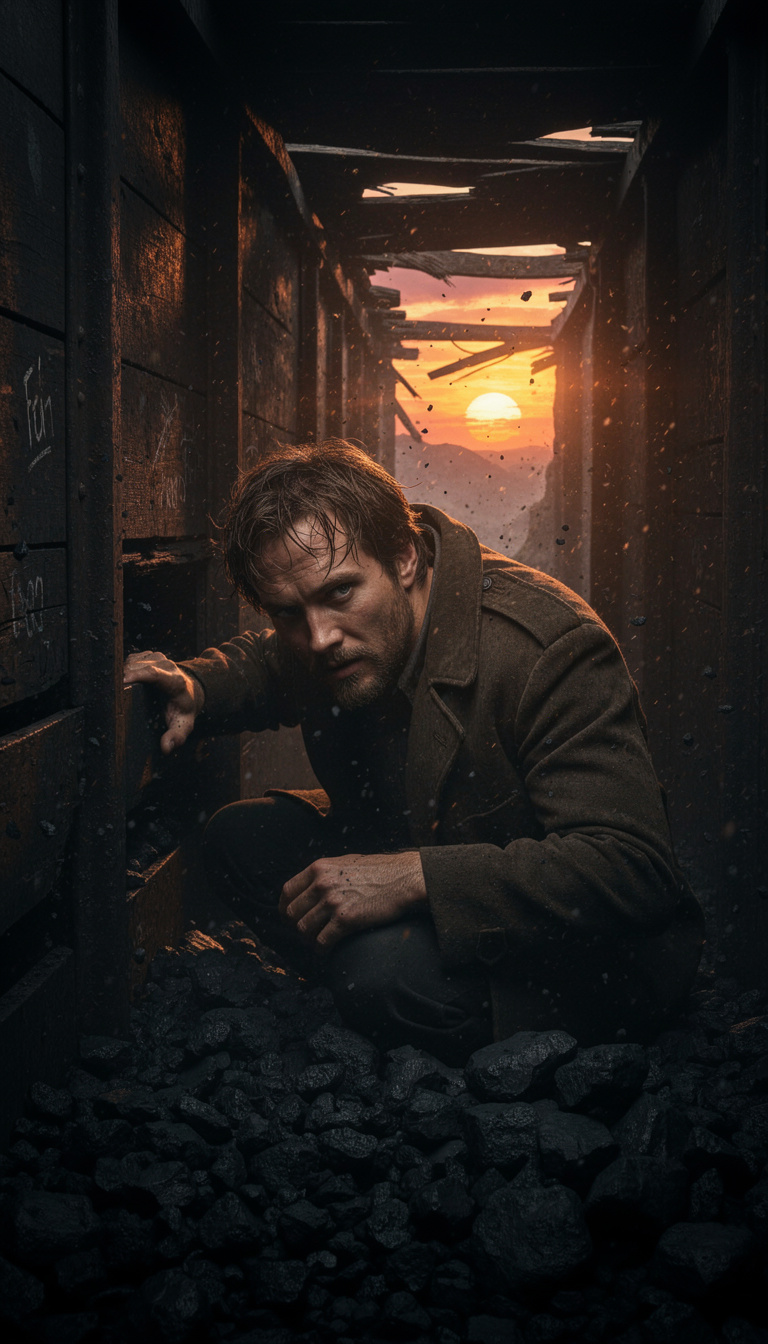
Johannesburg, days after my scramble over the wire. The Boers have my felt hat—rather good one, too, monogrammed. I have a price on my head and a railway timetable in my pocket. The Transvaal is crawling with search parties. I am hiding in a coal mine, then a goods truck, then the house of a man who does not much like the British but likes injustice even less. I find I cannot sleep more than twenty minutes without starting awake, certain I hear boots. Yet I also find, absurdly, that I am writing notes in my head—sentences, whole paragraphs—about the quality of the coal dust, the particular orange of the veld at sunset. One must observe, even when observing may hang one. The British consul in Lourenço Marques has wired that a ship waits. I shall be forty pounds lighter, unshaven, smelling of things I care not to name. But I shall be speaking in the House yet. Had I only known how this escapade would play in the papers at home—my first election practically secured by a hat.
Explain more
On December 12, 1899, Churchill escaped from Boer captivity in Pretoria by climbing over a wall when guards turned away. He had been captured weeks earlier while serving as a war correspondent. The escape made him a celebrity in Britain and helped launch his political career.
Why it matters
The Boer War transformed Churchill from a junior officer and journalist into a household name. The fame from his escape directly contributed to his election to Parliament in 1900. It demonstrated early his belief that personal risk, well-documented, could become political capital—and that narrative control mattered as much as the deed itself.
Try today
Notice one thing with unusual precision today, even in discomfort. The habit of observation under pressure becomes the habit of clarity under pressure.
What is true / dramatized: Dramatized. Educational entertainment — not a primary historical source.
Churchill's escape from Boer captivity, December 1899; aftermath period late July reflects his earlier wartime experiences and capture timeline. The 'hat' detail and weight loss are documented in his letters; the political consequence is well-established by historians.
Difficulty: medium · ~5 min
Related
 Albert Einstein
On this day in 1955, the Russell–Einstein Manifesto called scientists and citizens to face the danger of nuclear war with clear eyes. Knowledge without responsibility is incomplete. The manifesto asked a blunt question: shall we put an end to the human race, or shall we renounce war?
 Cleopatra VII
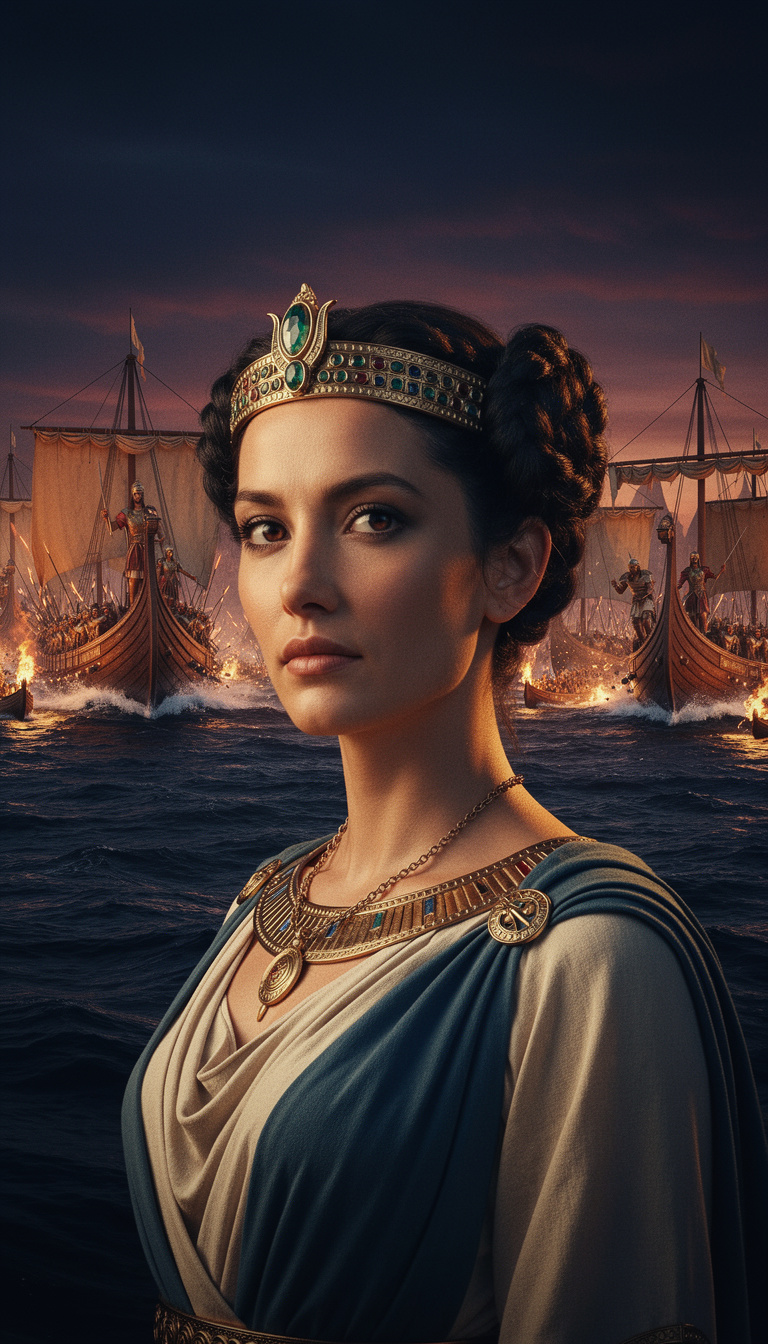
Actium was not only a battle. It was a hinge. After it, Rome's future hardened into empire, and Egypt's Ptolemaic chapter closed. Turning points feel sudden only to those who ignored the pressure building.
 Charles Darwin
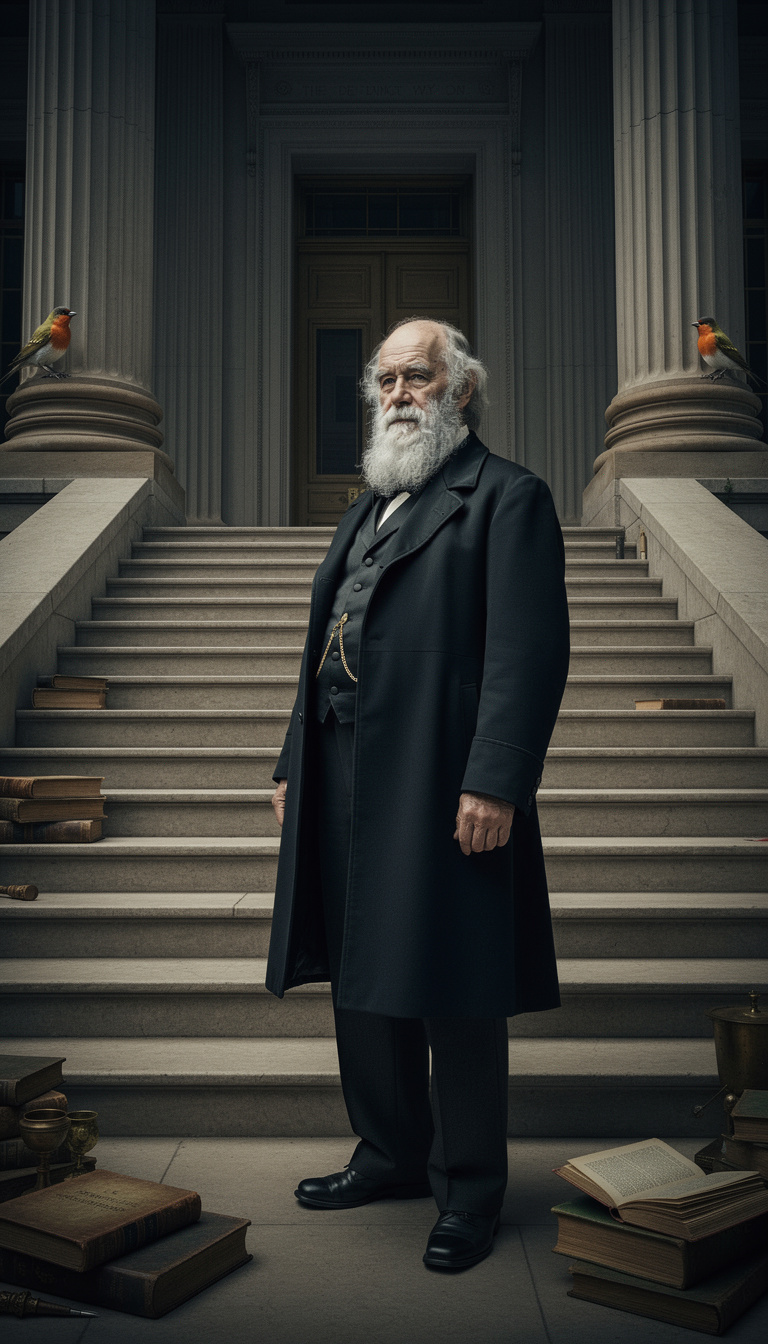
On July 10, 1925, the Scopes Trial opened in Tennessee — a public clash over teaching evolution. Ideas do not only live in books. They walk into schools, laws, and arguments about who we are.
 Nikola Tesla
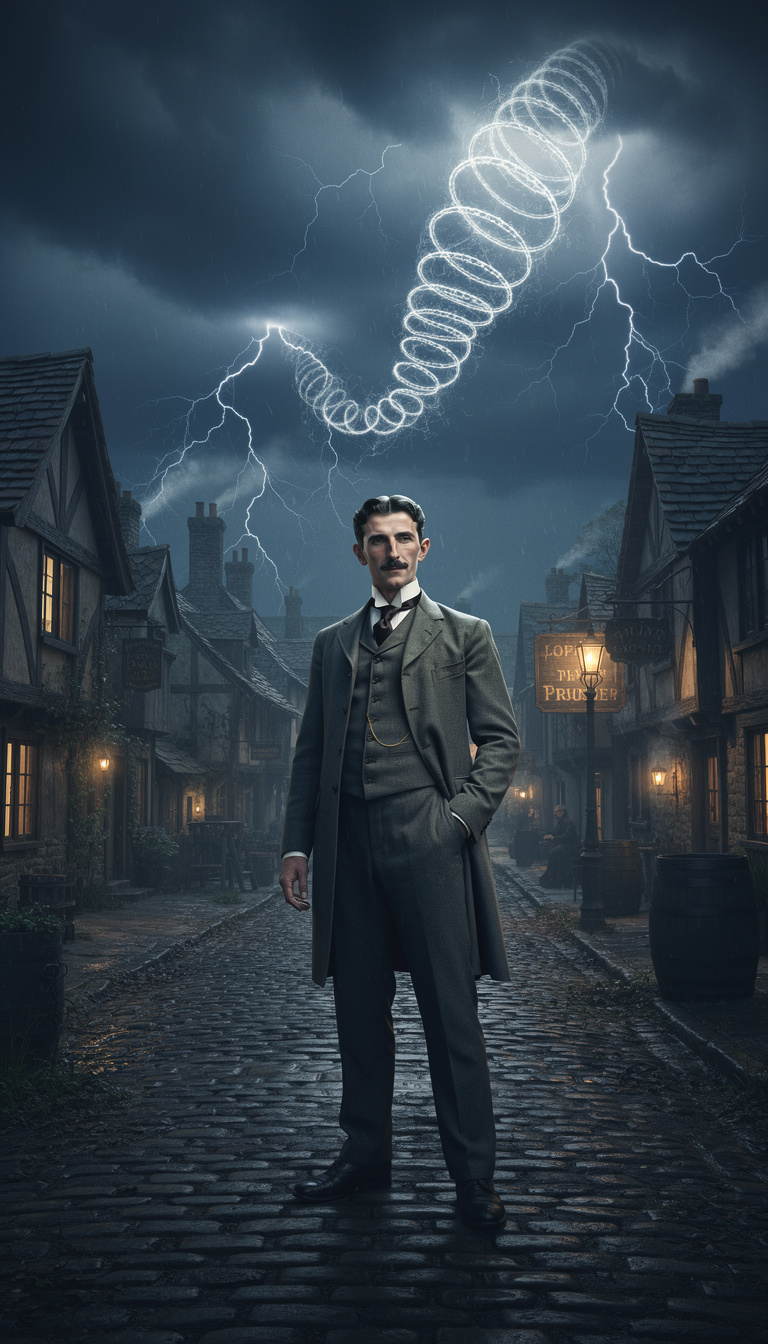
On this day in 1856, Nikola Tesla was born. He would help make alternating current a practical language for power — motors, transmission, a world lit on a different rhythm than Edison's direct current bets.
 Cleopatra VII
Train your eye: one detail is from the wrong century.
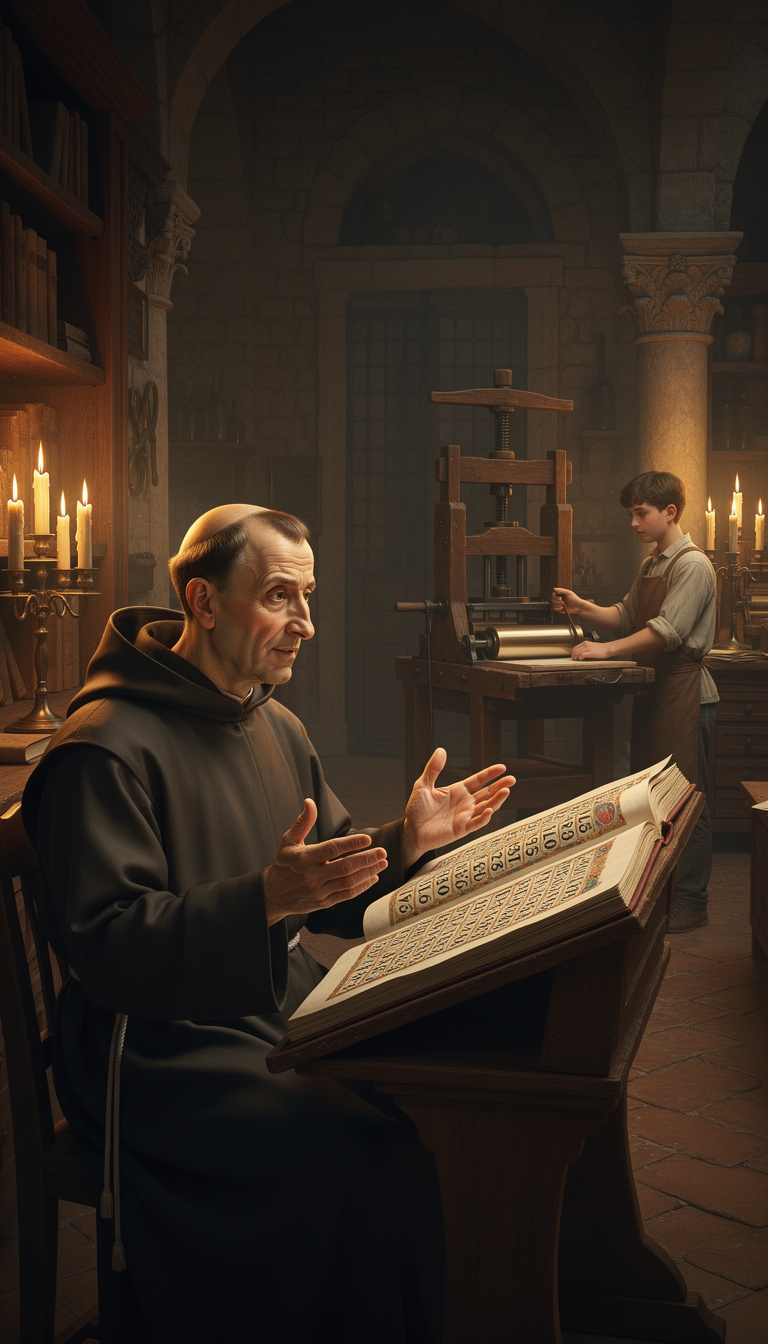 Luca Pacioli
Nel 1494, a Venezia, la mia Summa de Arithmetica vedeva la luce — non un giorno preciso come oggi, ma un'estate che cambiò il commercio europeo. Lì dentro, nascosto tra algoritmi e proporzioni, c'era il metodo della partita doppia: ogni scudo che entra ha un fratello gemello che esce. Nessun mercante più solo con la memoria traballante. Non inventai io questo sistema — i veneziani lo coltivavano da secoli. Ma lo ordinai, lo spiegai, lo diedi alle stampe. La chiarezza è anche un atto di carità.