July 28, 1227 · Today in history
Dramatized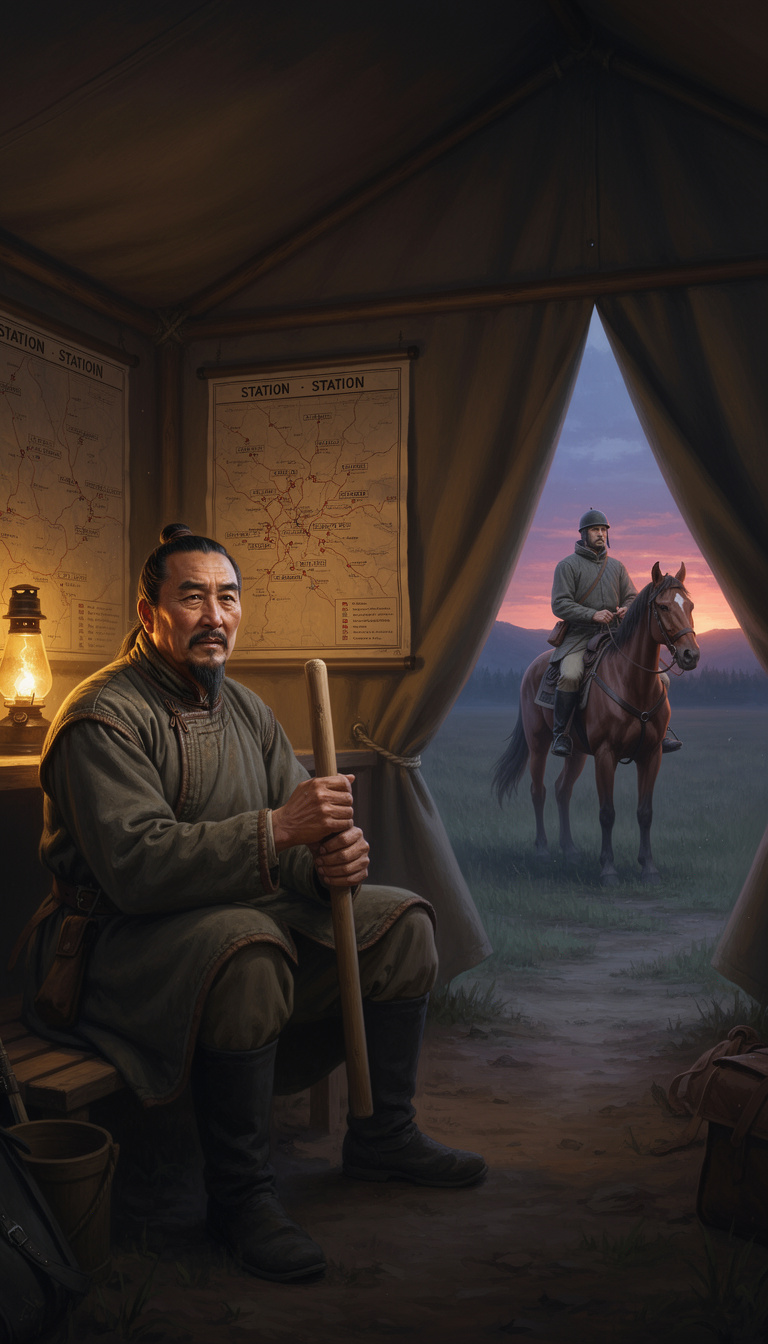
The fever has me pinned like a wolf in a trap. Qinghai, summer heat, my tent reeks of willow bark and desperation. My commanders circle like vultures who haven't decided if I'm carrion yet. But here's what gnaws at me more than death: the örtöö stations between here and Karakorum. Fresh horses, fresh riders, every twenty miles. I built this spine of relay posts when I was younger than my grandsons are now. A message can outrun any rider. Information moves faster than armies. That was the real conquest—not the cities that burned, and I will not pretend otherwise. The cost was mountains of bone. I knew it then. I know it now, sweating through felt. Had I only known... no. I knew. I chose speed. The system lives. I may not.
Explain more
The örtöö (Mongol postal relay) allowed communication across the largest contiguous land empire in history. Horses and riders were stationed at intervals, enabling messages to travel roughly 200 miles per day—faster than any rival system.
Why it matters
Logistical infrastructure often outlasts the individuals and ideologies that build it. The örtöö became the template for later postal systems, including China's and Russia's.
Try today
Ask yourself: what system in your life would keep working if you stepped away tomorrow? Build that. Not the hero moment—the repeatable backbone.
What is true / dramatized: Dramatized. Educational entertainment — not a primary historical source.
Genghis Khan died in August 1227 during the Western Xia campaign; July 28 falls in the documented final illness period. The örtöö system was established during the 1206–1210 state reforms.
Difficulty: medium · ~4 min
Related
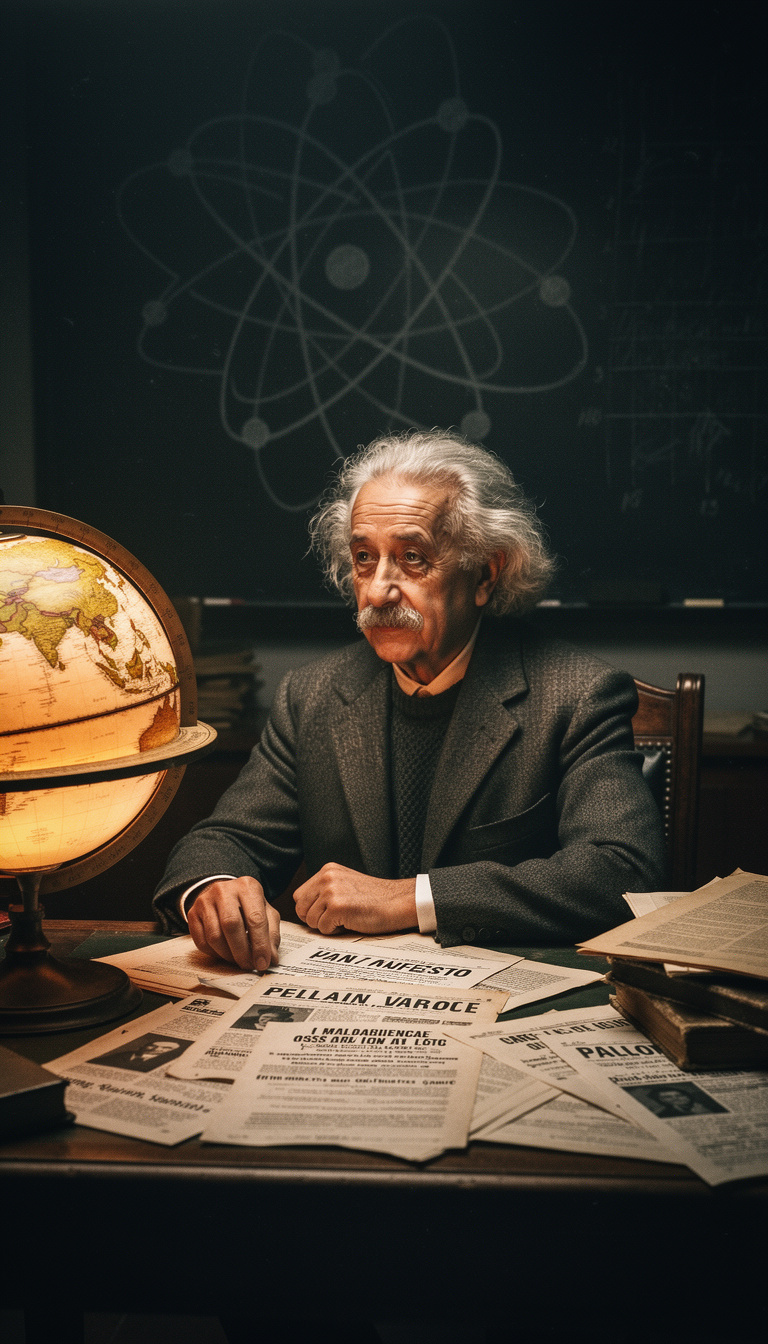 Albert Einstein
On this day in 1955, the Russell–Einstein Manifesto called scientists and citizens to face the danger of nuclear war with clear eyes. Knowledge without responsibility is incomplete. The manifesto asked a blunt question: shall we put an end to the human race, or shall we renounce war?
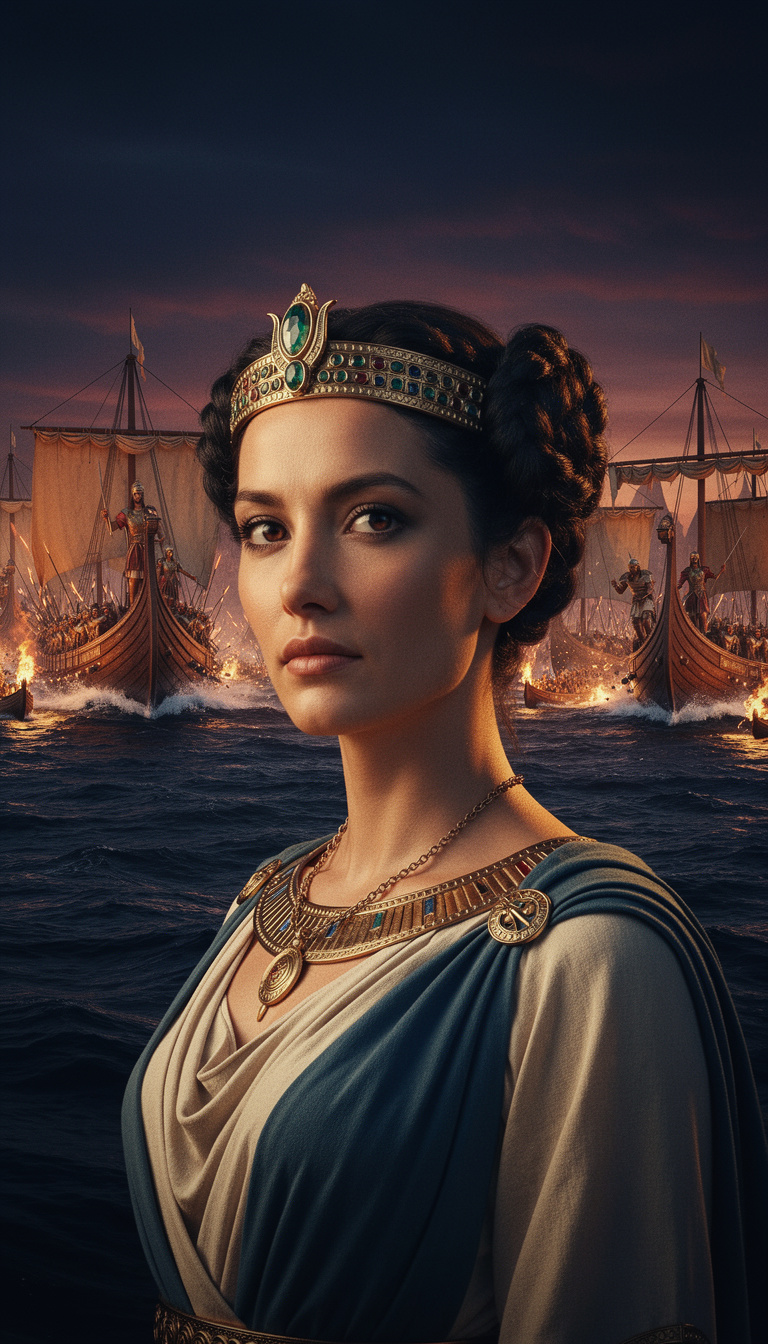 Cleopatra VII
Actium was not only a battle. It was a hinge. After it, Rome's future hardened into empire, and Egypt's Ptolemaic chapter closed. Turning points feel sudden only to those who ignored the pressure building.
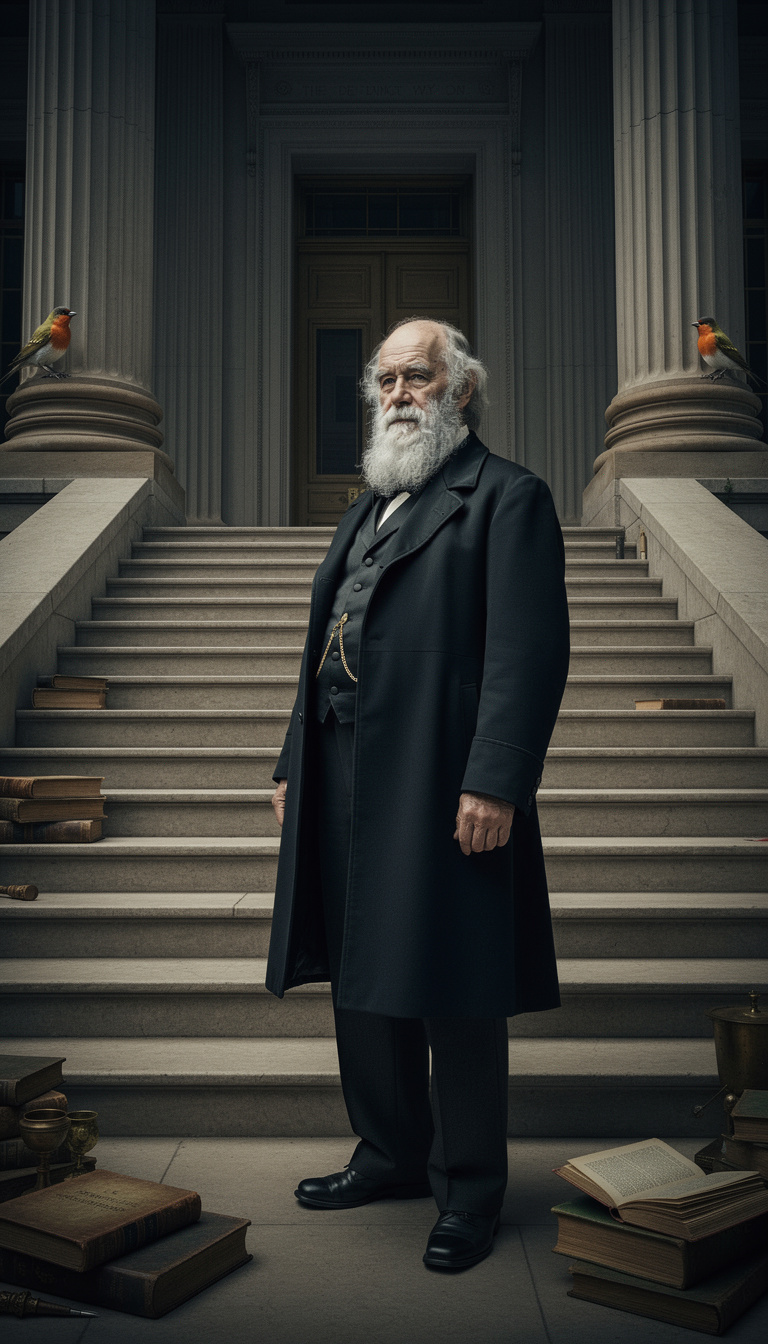 Charles Darwin
On July 10, 1925, the Scopes Trial opened in Tennessee — a public clash over teaching evolution. Ideas do not only live in books. They walk into schools, laws, and arguments about who we are.
 Nikola Tesla
On this day in 1856, Nikola Tesla was born. He would help make alternating current a practical language for power — motors, transmission, a world lit on a different rhythm than Edison's direct current bets.
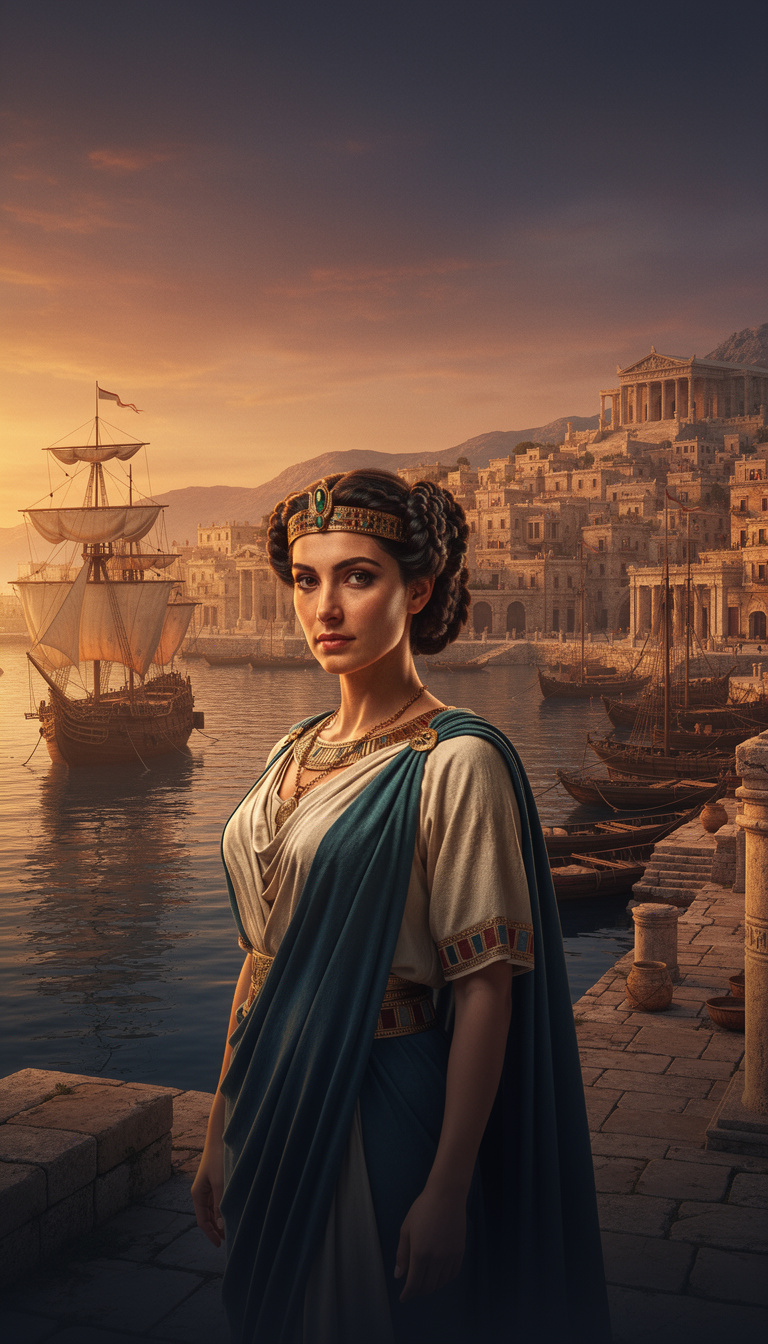 Cleopatra VII
Train your eye: one detail is from the wrong century.
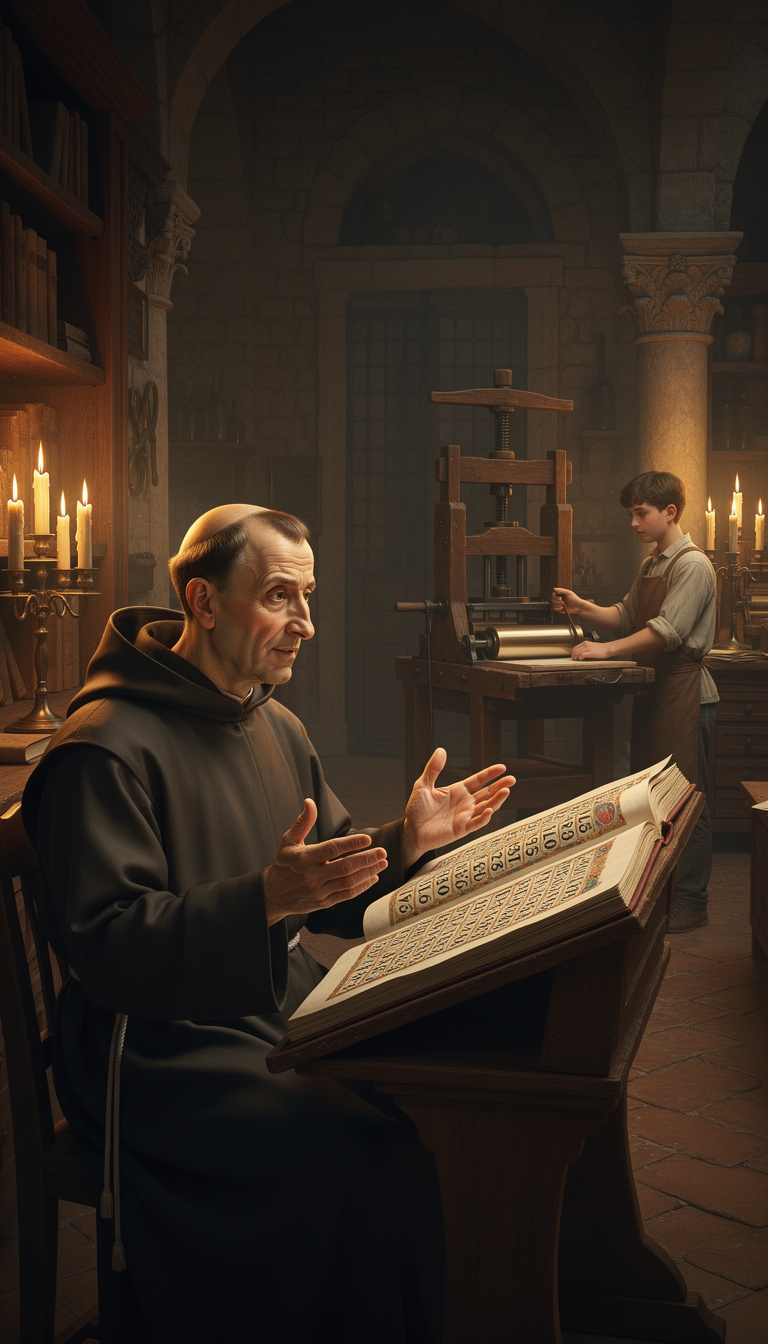 Luca Pacioli
Nel 1494, a Venezia, la mia Summa de Arithmetica vedeva la luce — non un giorno preciso come oggi, ma un'estate che cambiò il commercio europeo. Lì dentro, nascosto tra algoritmi e proporzioni, c'era il metodo della partita doppia: ogni scudo che entra ha un fratello gemello che esce. Nessun mercante più solo con la memoria traballante. Non inventai io questo sistema — i veneziani lo coltivavano da secoli. Ma lo ordinai, lo spiegai, lo diedi alle stampe. La chiarezza è anche un atto di carità.