July 23 · Today in history
Dramatized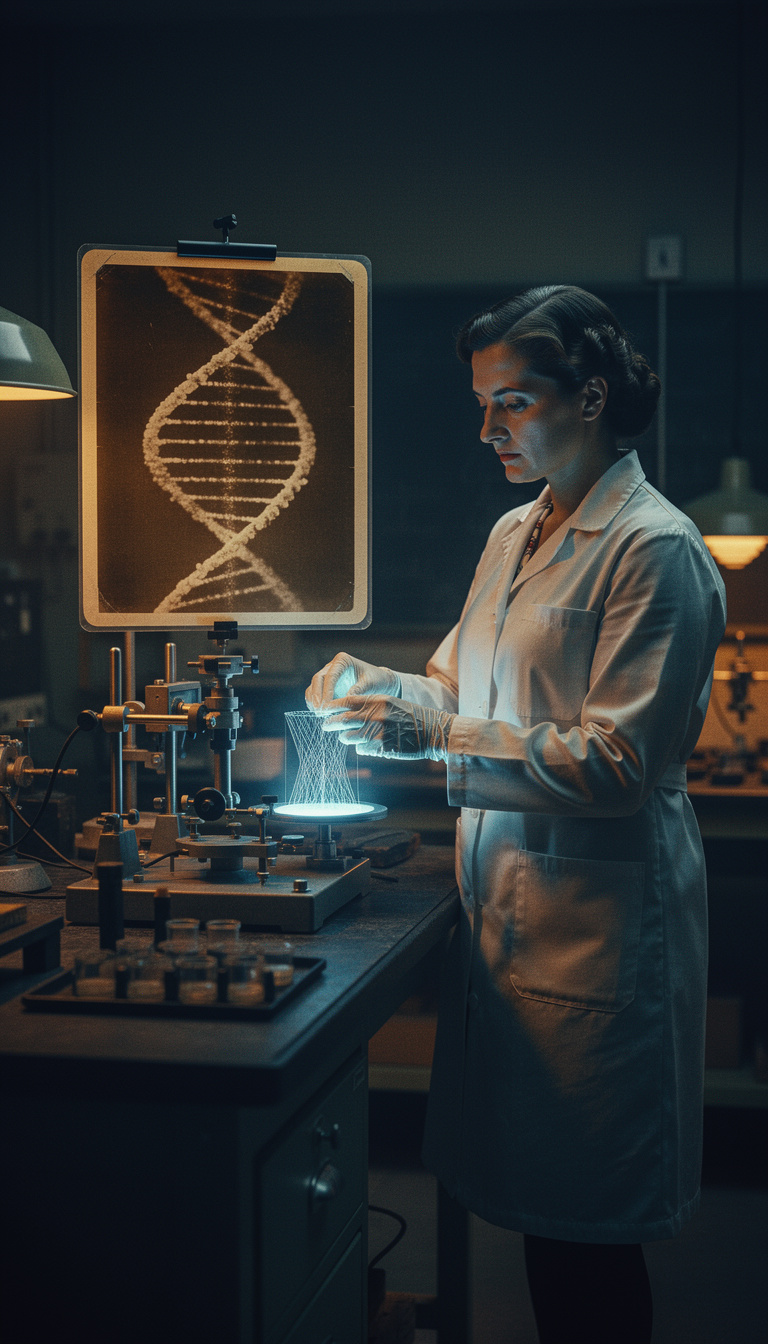
On this day in 1951, I took the X-ray diffraction image that would later become central to understanding DNA's structure. Photo 51. Not a name I gave it. Not a name that mattered. What mattered was the 100+ hours of careful X-ray exposure, the humidified fibers, the refusal to rush toward a pretty model before the data were sound. Others built the double helix from this. I was already moving on—tobacco mosaic virus, coal microstructures, the next puzzle. The work outlives the credit. It always does, if you do it properly.
Explain more
Photo 51 showed the helical signature of DNA's B-form. The cross-pattern in the diffraction image indicated a helix; the 51st degree angle and spacing measurements constrained the possible structures dramatically. I favored a cautious interpretation; others, less so.
Why it matters
The tension between careful data accumulation and competitive model-building still shapes science. Who gets heard, who gets cited, who gets remembered—these are not always the ones who did the most precise work.
Try today
Find one thing you use daily whose invention required patient, uncredited labor. Notice it.
What is true / dramatized: Dramatized. Educational entertainment — not a primary historical source.
Franklin's X-ray diffraction work at King's College London, 1950-1953; Photo 51 taken 1951, published 1952; Watson & Crick Nature paper 1953 acknowledged ' unpublished experimental results and ideas' without explicit attribution to Franklin.
Difficulty: medium · ~3 min
Related
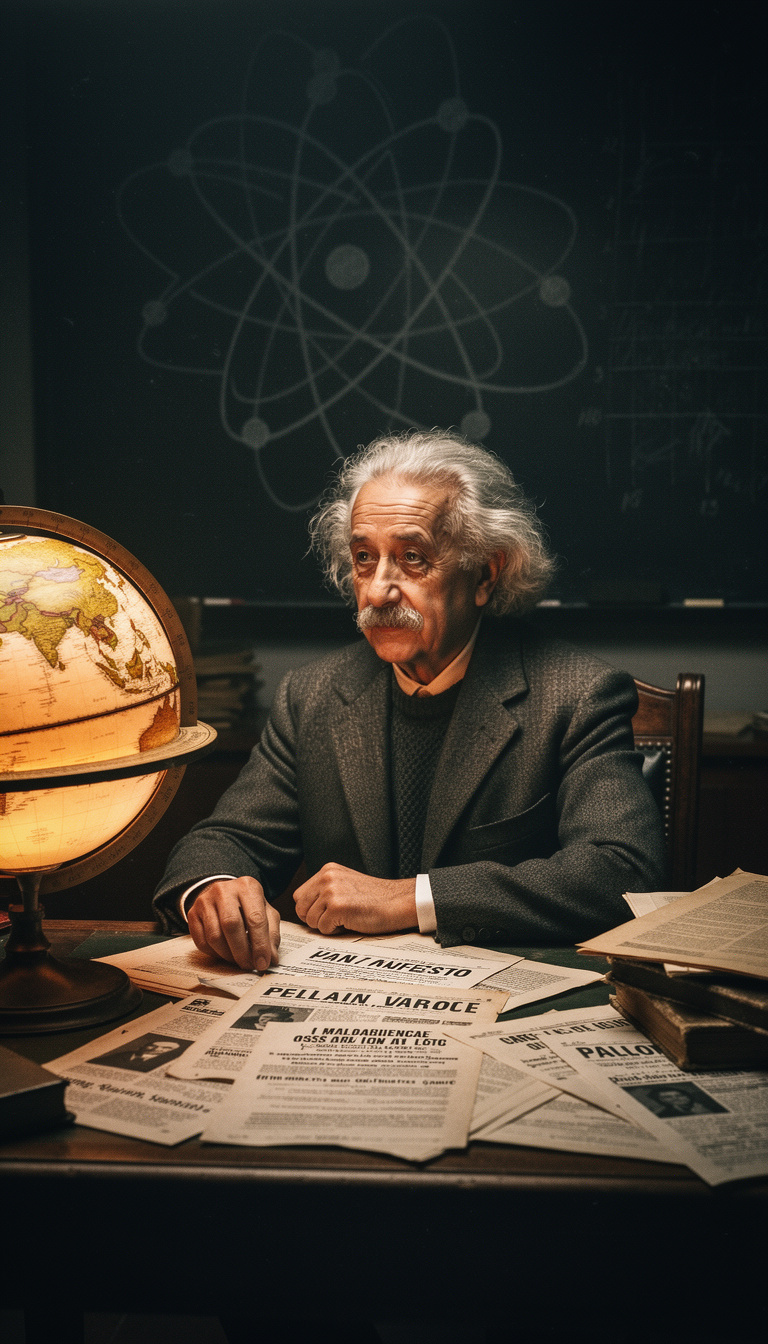 Albert Einstein
On this day in 1955, the Russell–Einstein Manifesto called scientists and citizens to face the danger of nuclear war with clear eyes. Knowledge without responsibility is incomplete. The manifesto asked a blunt question: shall we put an end to the human race, or shall we renounce war?
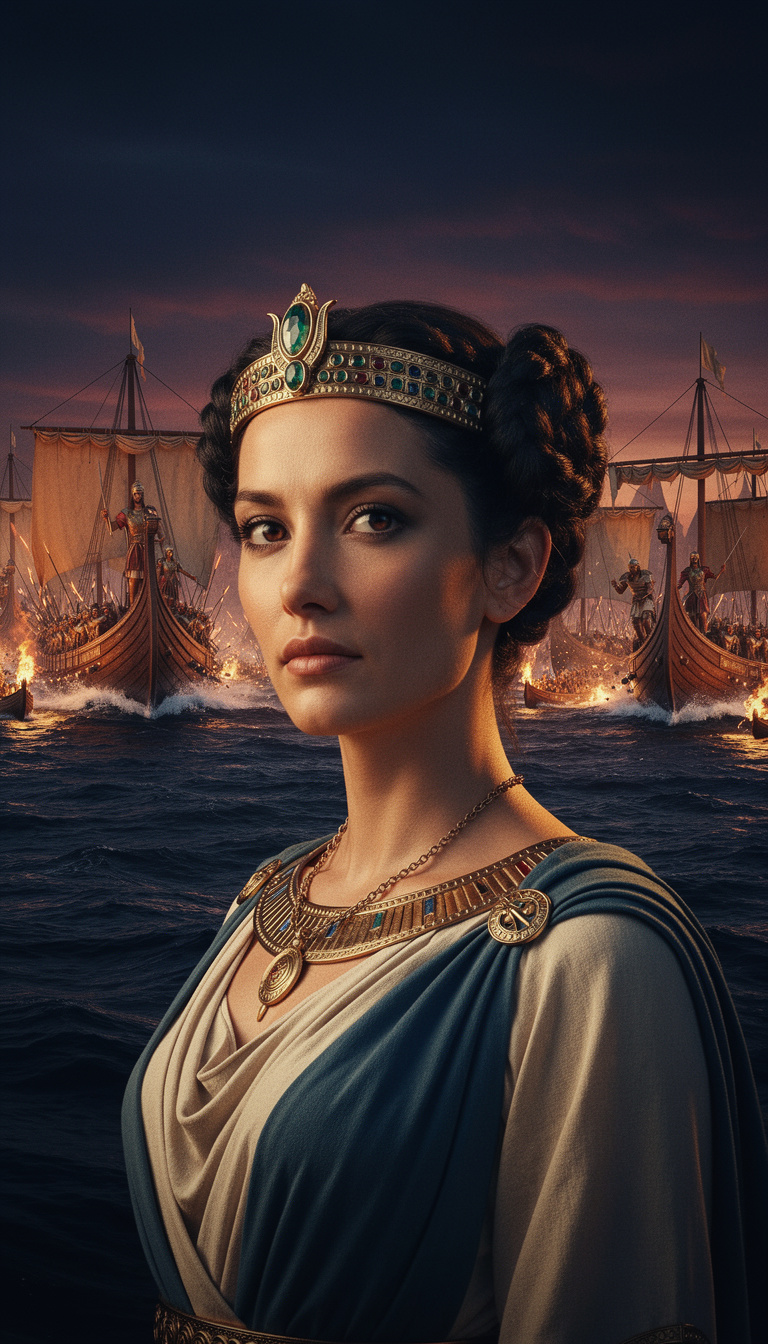 Cleopatra VII
Actium was not only a battle. It was a hinge. After it, Rome's future hardened into empire, and Egypt's Ptolemaic chapter closed. Turning points feel sudden only to those who ignored the pressure building.
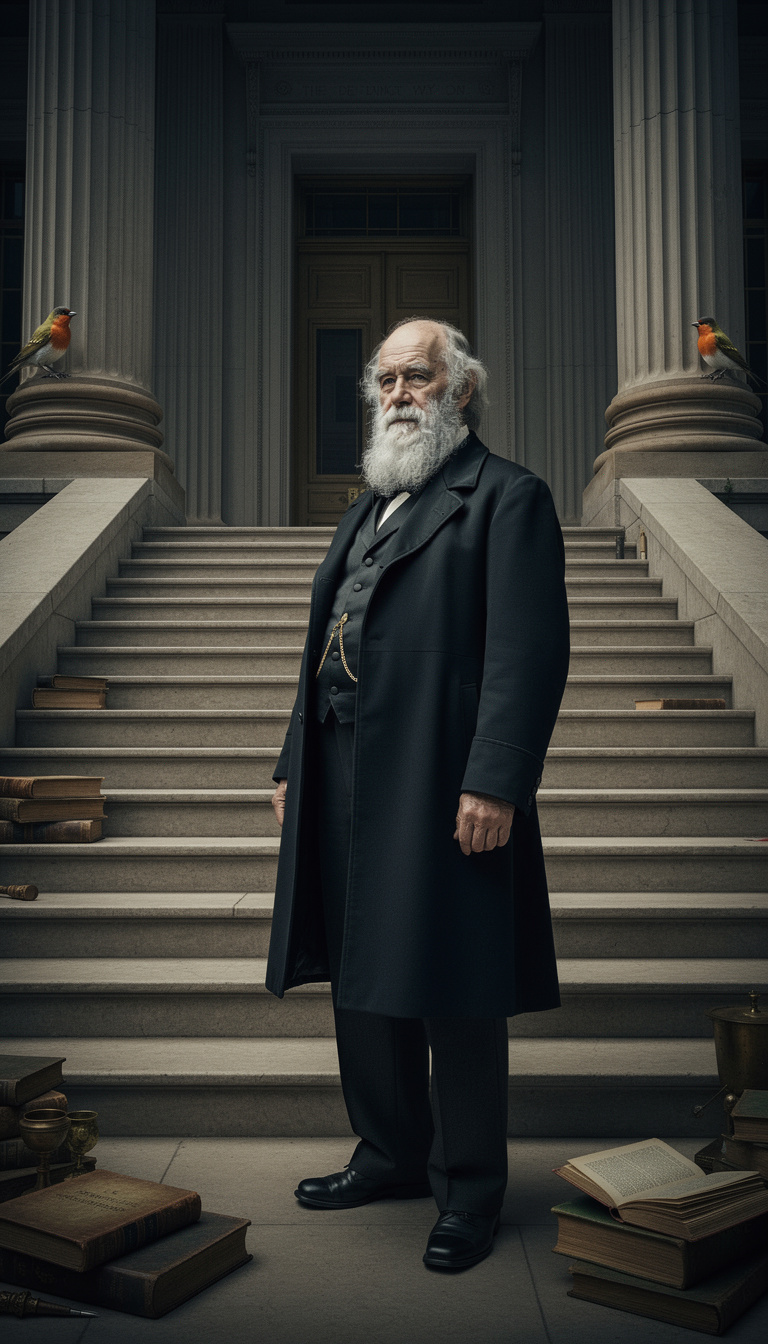 Charles Darwin
On July 10, 1925, the Scopes Trial opened in Tennessee — a public clash over teaching evolution. Ideas do not only live in books. They walk into schools, laws, and arguments about who we are.
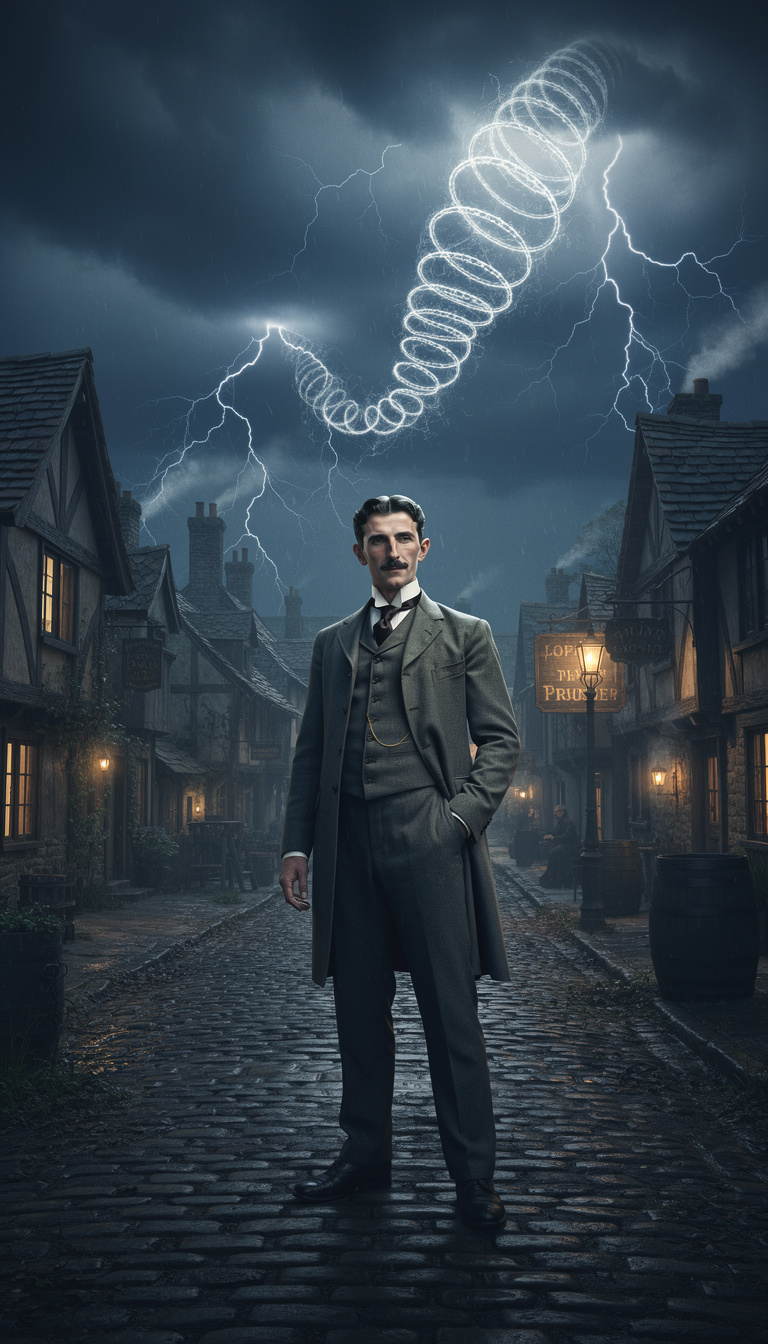 Nikola Tesla
On this day in 1856, Nikola Tesla was born. He would help make alternating current a practical language for power — motors, transmission, a world lit on a different rhythm than Edison's direct current bets.
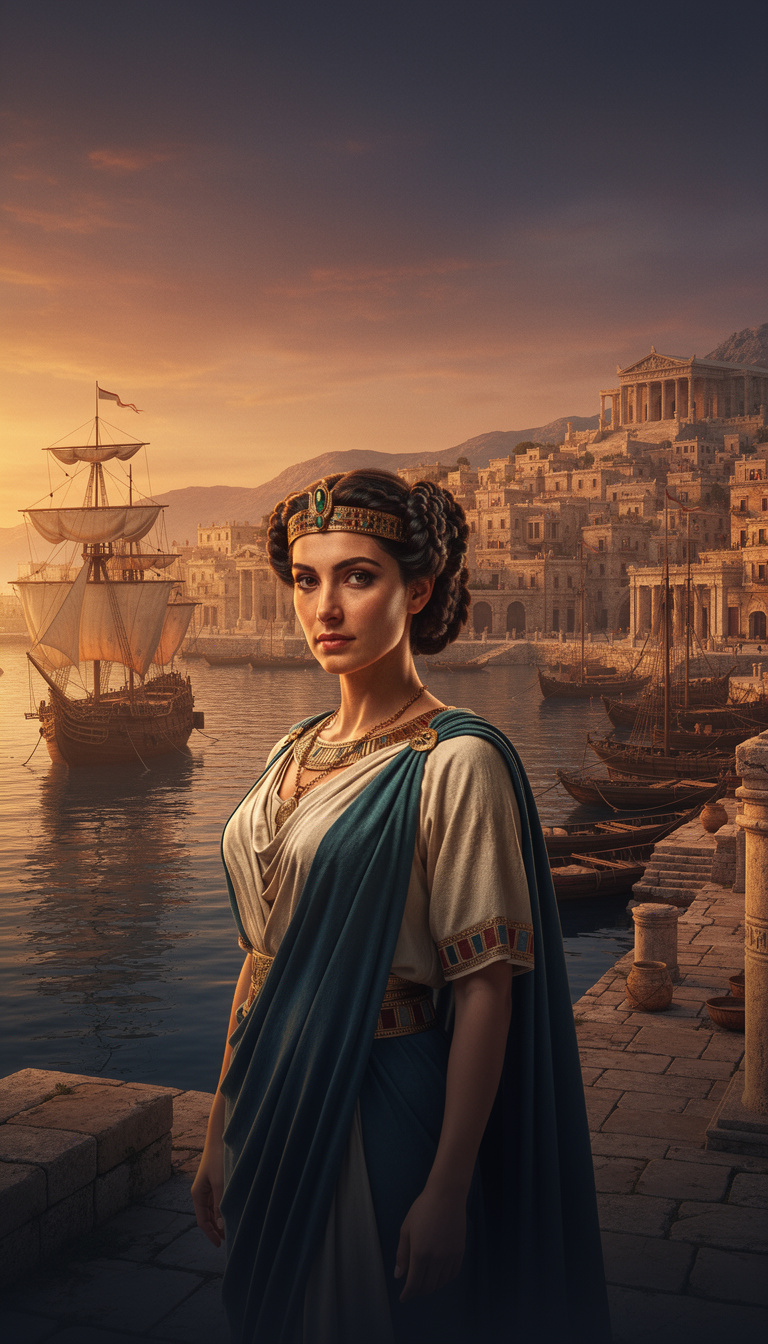 Cleopatra VII
Train your eye: one detail is from the wrong century.
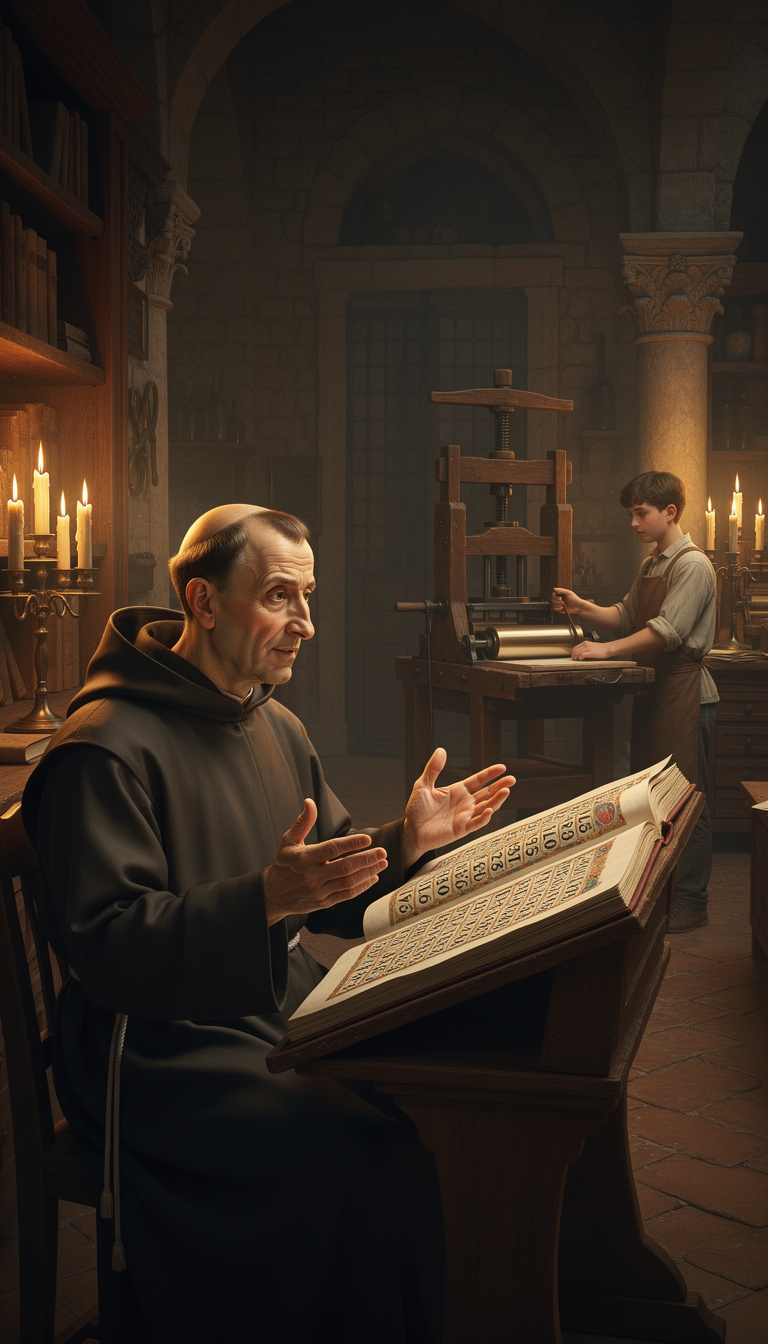 Luca Pacioli
Nel 1494, a Venezia, la mia Summa de Arithmetica vedeva la luce — non un giorno preciso come oggi, ma un'estate che cambiò il commercio europeo. Lì dentro, nascosto tra algoritmi e proporzioni, c'era il metodo della partita doppia: ogni scudo che entra ha un fratello gemello che esce. Nessun mercante più solo con la memoria traballante. Non inventai io questo sistema — i veneziani lo coltivavano da secoli. Ma lo ordinai, lo spiegai, lo diedi alle stampe. La chiarezza è anche un atto di carità.