23 July · Today in history
Historically grounded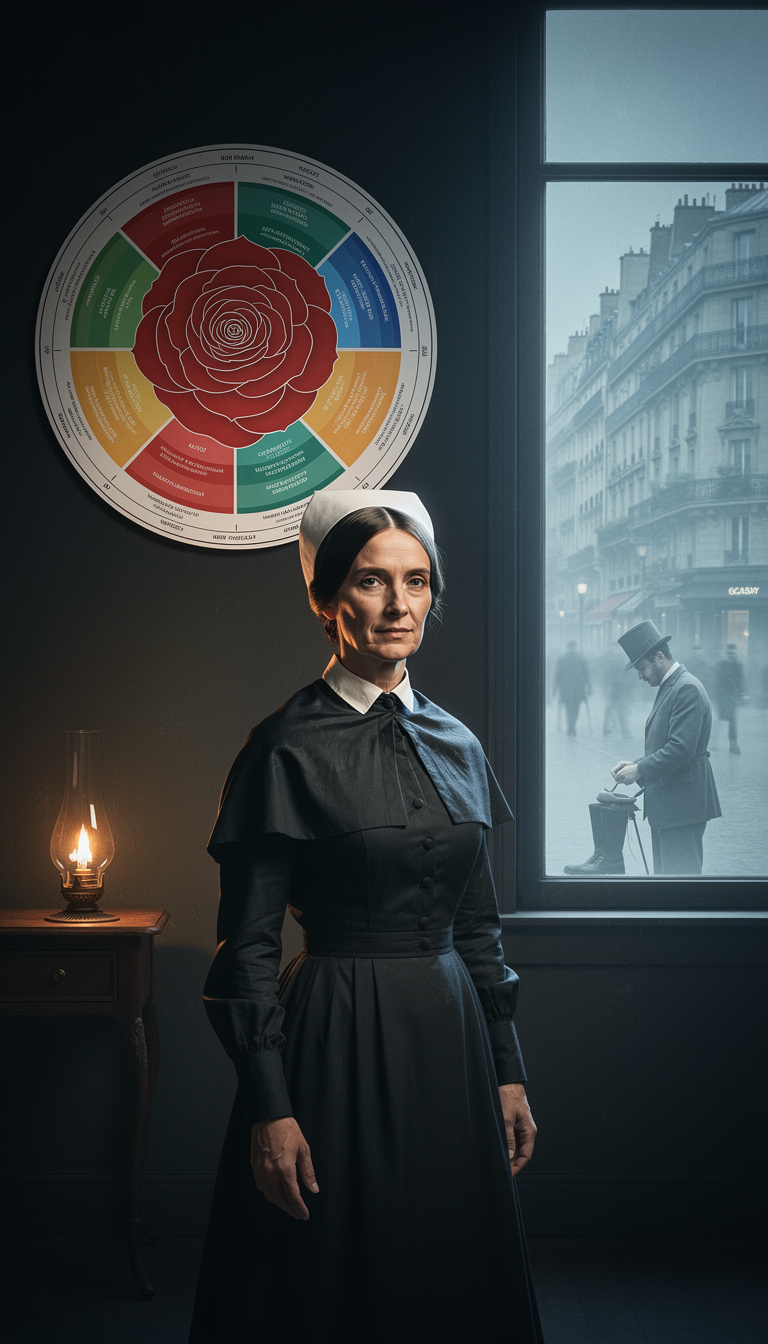
On this day in 1826, the first photograph of a living human being was taken—by accident, a man having his boots polished on a Paris street. I was six years old, already counting the sick in our village. What strikes me now: the long exposure needed to fix that image. Minutes. The subject had to stay still, or vanish into blur. So with disease. The causes we could not see—miasma, contagion, the filth in water—required time and patience to expose. We wanted quick portraits; nature demanded long exposure. My rose diagrams were merely the plate upon which I fixed what killed men in hospital: not enemy fire, but preventable filth.
Explain more
Louis Daguerre's 1839 public announcement built on Niépce's earlier work; the 1826 'View from the Window at Le Gras' and street scenes required exposures so long that moving traffic disappeared, while stationary figures remained.
Why it matters
We still mistake visibility for urgency. What kills slowly—air quality, water safety, systemic neglect—gets less attention than sudden catastrophe. The tools to expose it exist; the will to wait through the exposure does not.
Try today
Find one 'invisible' factor in your daily environment you could track for a week: sleep quality, air freshness, water intake. No drama. Just data.
What is true / dramatized: Historically grounded. Educational entertainment — not a primary historical source.
Early photography history; Nightingale's data visualization methods at Scutari, 1854-1856
Difficulty: medium · ~3 min
Related
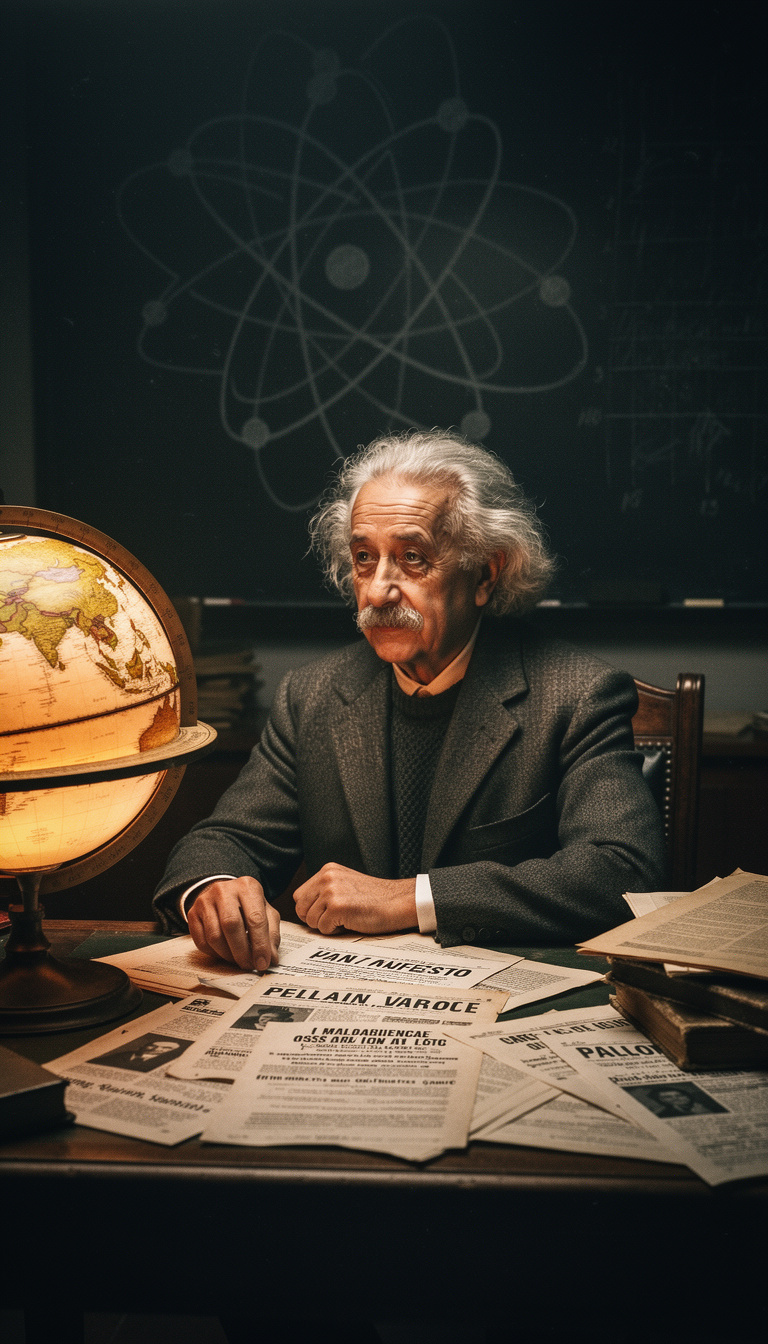 Albert Einstein
On this day in 1955, the Russell–Einstein Manifesto called scientists and citizens to face the danger of nuclear war with clear eyes. Knowledge without responsibility is incomplete. The manifesto asked a blunt question: shall we put an end to the human race, or shall we renounce war?
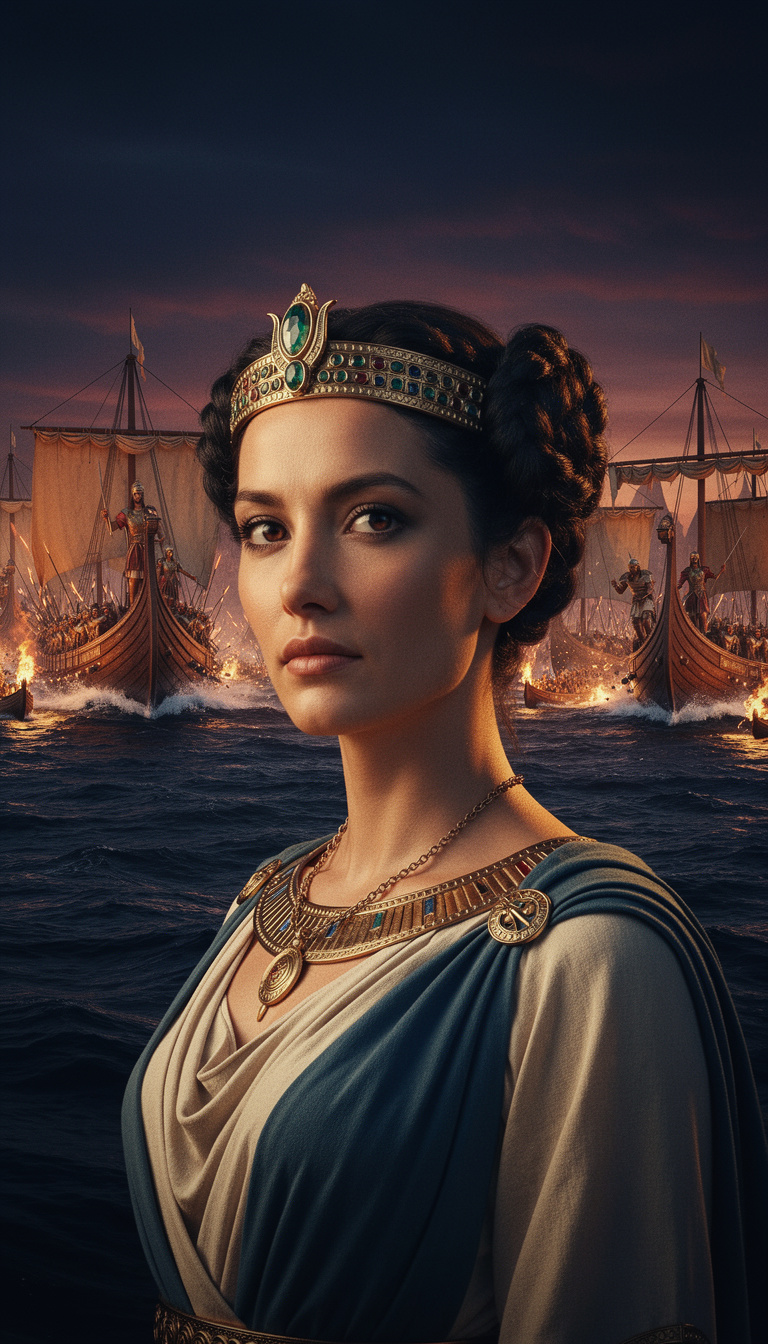 Cleopatra VII
Actium was not only a battle. It was a hinge. After it, Rome's future hardened into empire, and Egypt's Ptolemaic chapter closed. Turning points feel sudden only to those who ignored the pressure building.
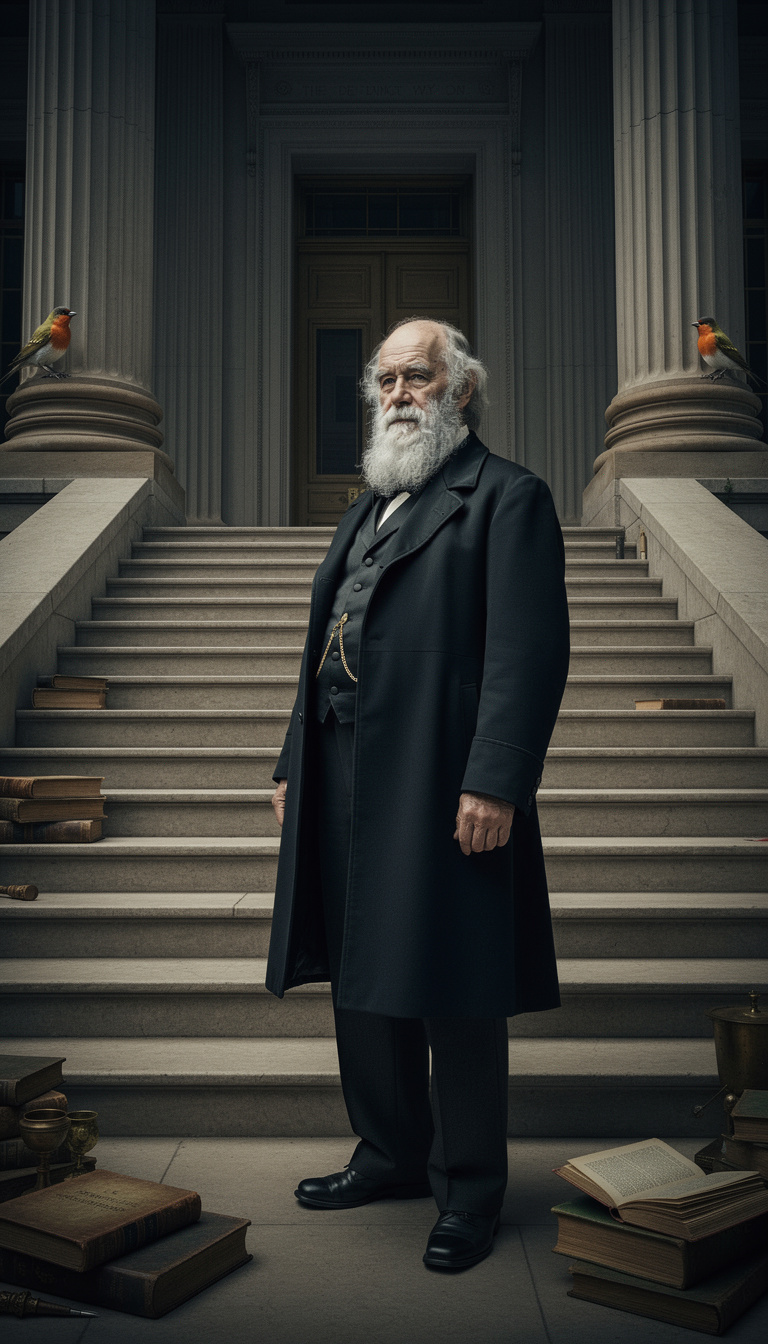 Charles Darwin
On July 10, 1925, the Scopes Trial opened in Tennessee — a public clash over teaching evolution. Ideas do not only live in books. They walk into schools, laws, and arguments about who we are.
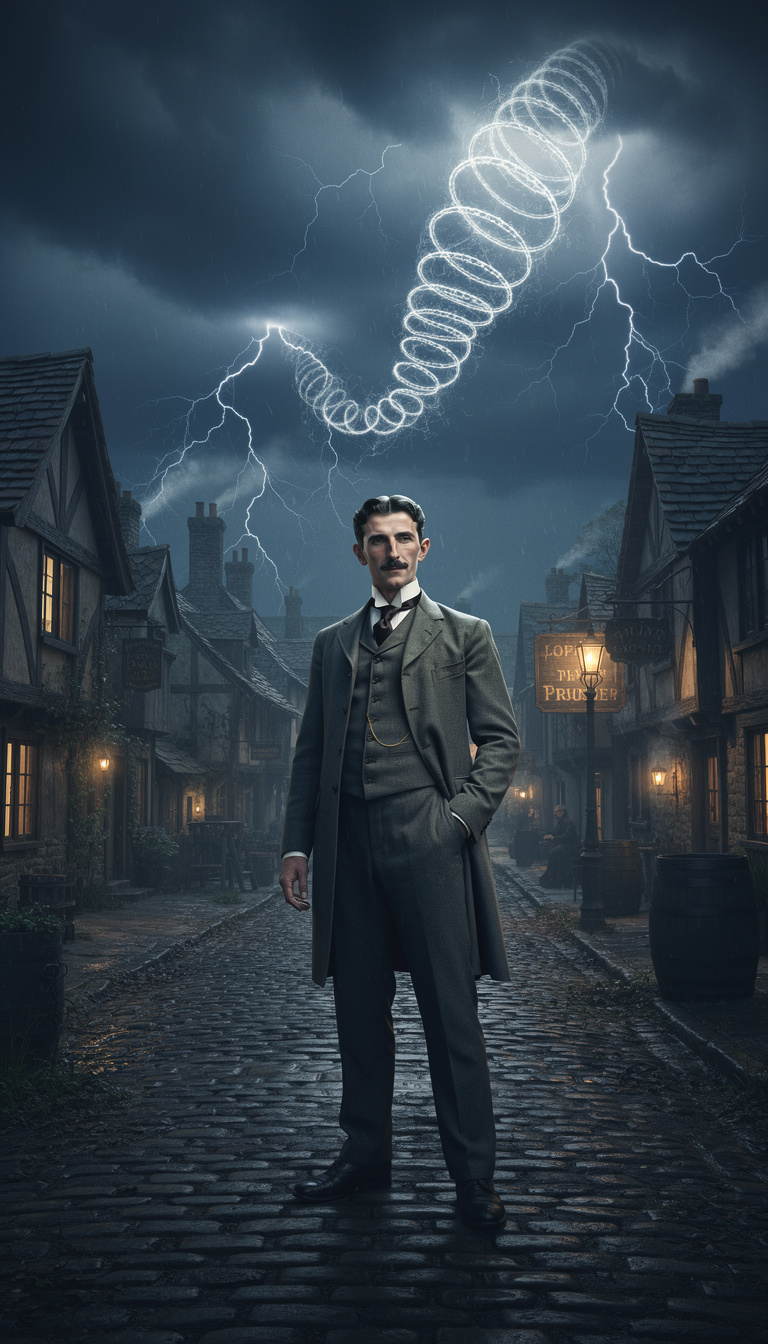 Nikola Tesla
On this day in 1856, Nikola Tesla was born. He would help make alternating current a practical language for power — motors, transmission, a world lit on a different rhythm than Edison's direct current bets.
 Cleopatra VII
Train your eye: one detail is from the wrong century.
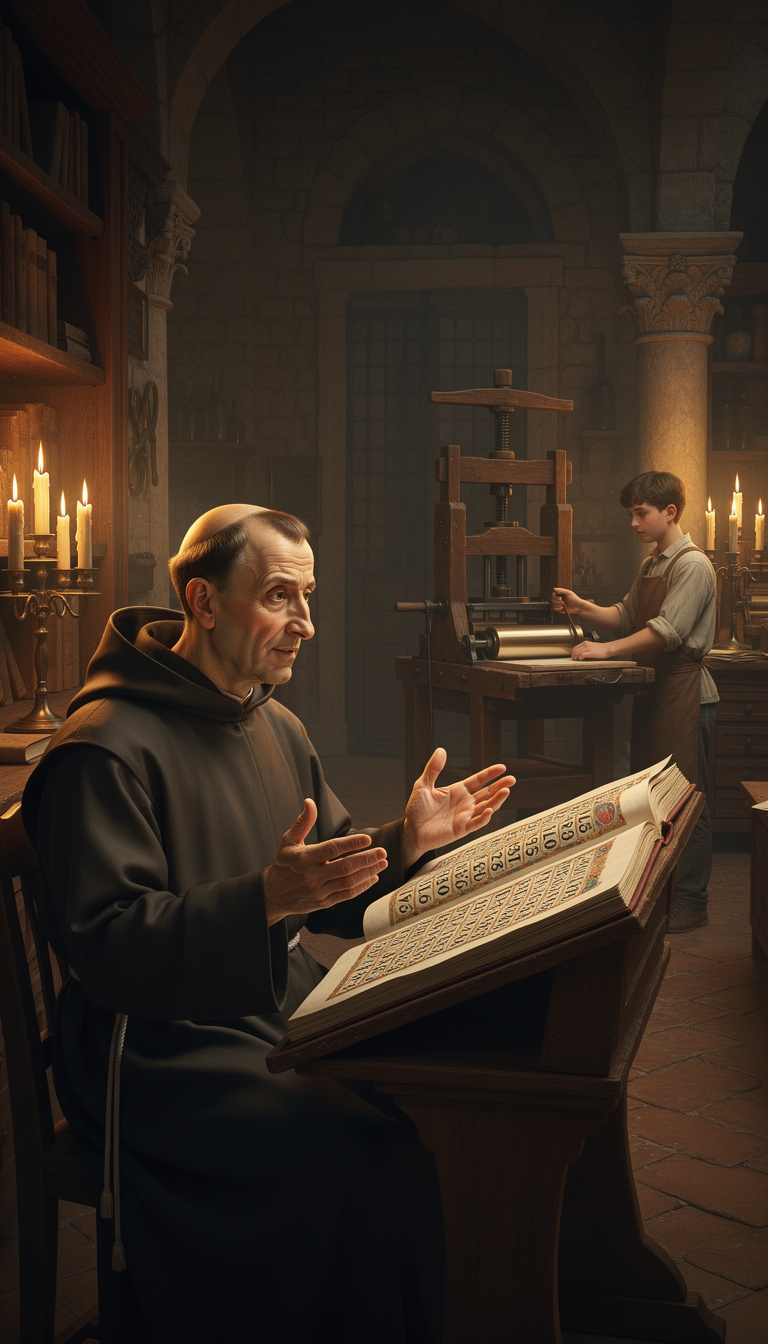 Luca Pacioli
Nel 1494, a Venezia, la mia Summa de Arithmetica vedeva la luce — non un giorno preciso come oggi, ma un'estate che cambiò il commercio europeo. Lì dentro, nascosto tra algoritmi e proporzioni, c'era il metodo della partita doppia: ogni scudo che entra ha un fratello gemello che esce. Nessun mercante più solo con la memoria traballante. Non inventai io questo sistema — i veneziani lo coltivavano da secoli. Ma lo ordinai, lo spiegai, lo diedi alle stampe. La chiarezza è anche un atto di carità.