July 22 · Today in history
Dramatized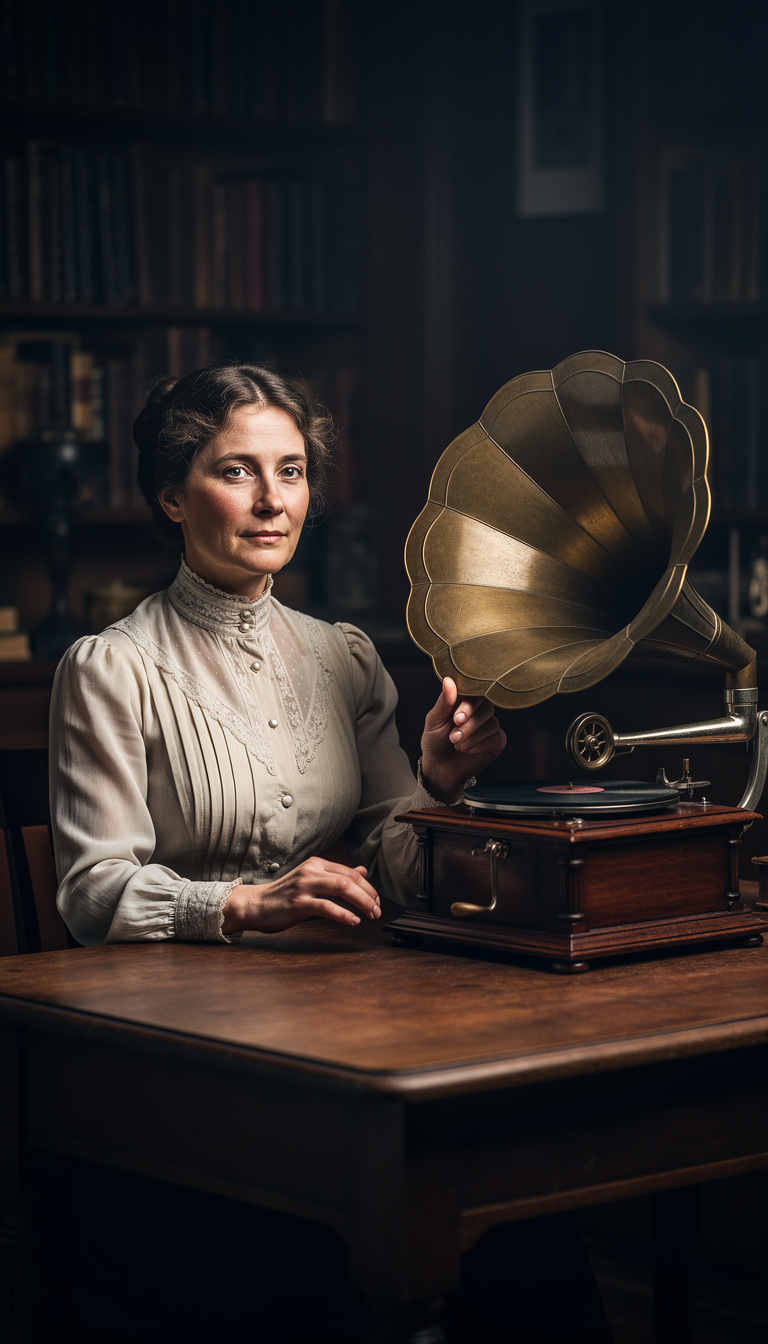
On July 22, 1877—three years before my birth—Thomas Edison finished his first phonograph. A machine that captured voice without a human hand to guide it. I learned of it later, after the silence had already claimed me. What struck me was not the marvel itself, but the problem it posed: sound made visible, made touchable, made recordable. The same problem I wrestled with daily. How does one hold a voice?
Explain more
Edison's tinfoil cylinder held vibrations I could never hear, yet the principle obsessed me: information need not die at the ear. Bell would later trace spoken words against my palm. The phonograph and the hand-spelling method shared one stubborn premise — that communication could be engineered, patiently, against apparent impossibility.
Why it matters
We still confuse access with ability. Edison's device was useless to me directly. But the *habit of mind* behind it — building bridges for stranded senses — became my daily craft.
Try today
Listen to one sentence you usually speak. Trace how you might convey its weight through touch alone, through rhythm, through pause. The exercise reveals how much we rely on convenience.
What is true / dramatized: Dramatized. Educational entertainment — not a primary historical source.
Edison's phonograph patent activity and first successful tests occurred July 1877; Keller's later engagement with recorded speech and Bell's vibration-based teaching methods are documented in her correspondence and *The Story of My Life* (1903).
Difficulty: medium · ~2 min
Related
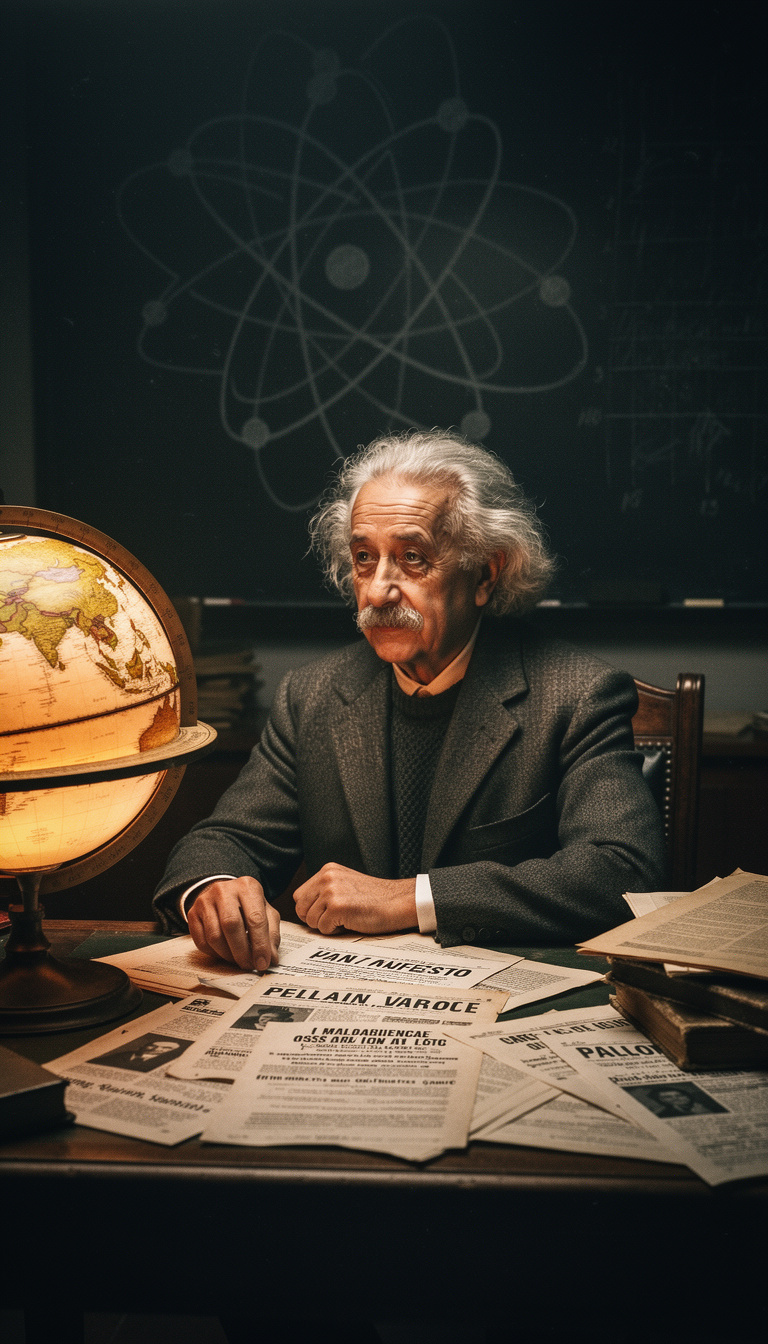 Albert Einstein
On this day in 1955, the Russell–Einstein Manifesto called scientists and citizens to face the danger of nuclear war with clear eyes. Knowledge without responsibility is incomplete. The manifesto asked a blunt question: shall we put an end to the human race, or shall we renounce war?
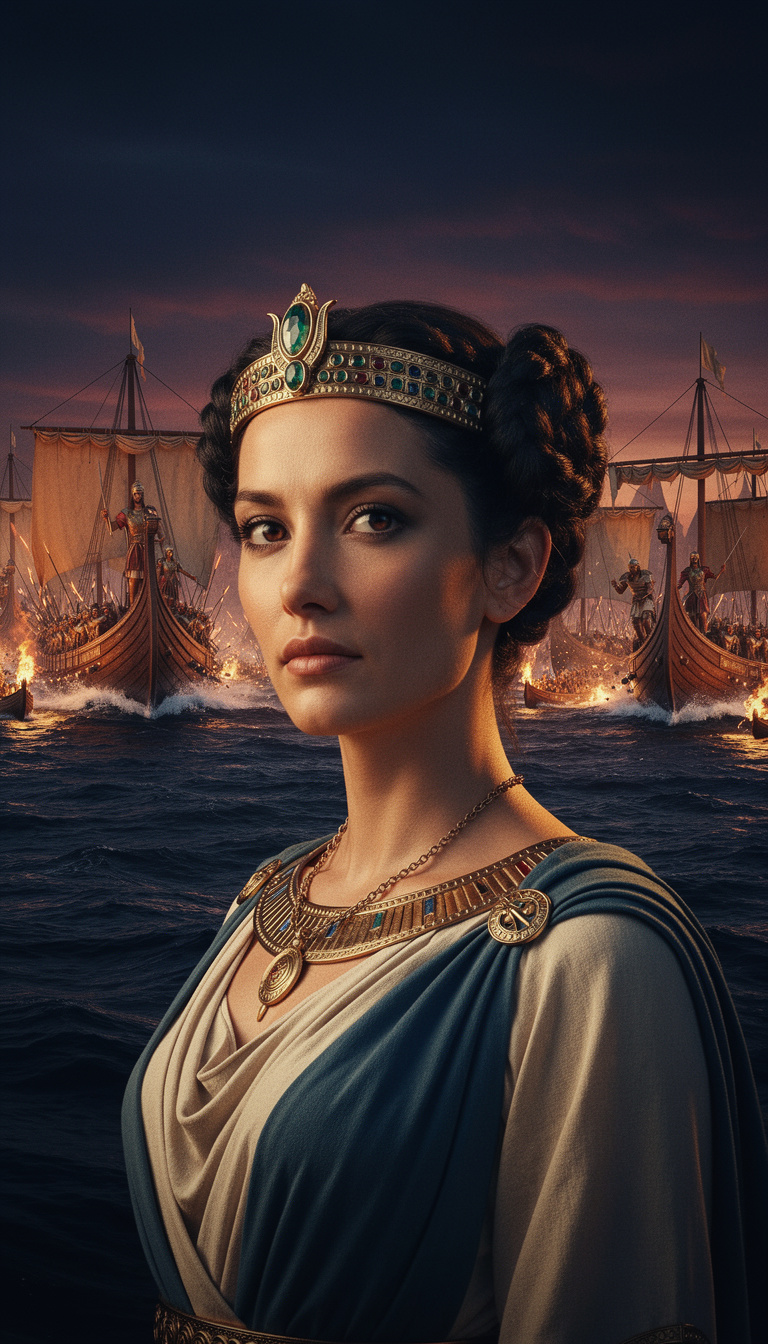 Cleopatra VII
Actium was not only a battle. It was a hinge. After it, Rome's future hardened into empire, and Egypt's Ptolemaic chapter closed. Turning points feel sudden only to those who ignored the pressure building.
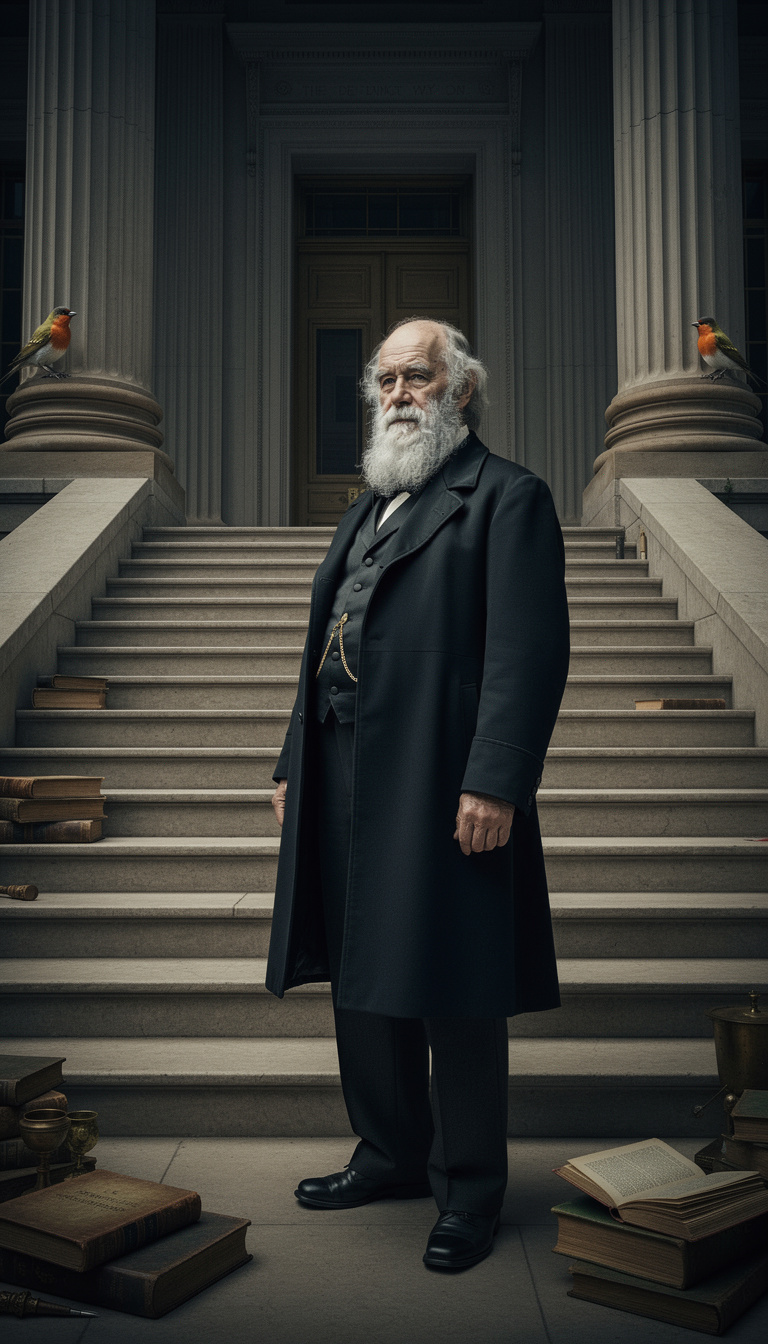 Charles Darwin
On July 10, 1925, the Scopes Trial opened in Tennessee — a public clash over teaching evolution. Ideas do not only live in books. They walk into schools, laws, and arguments about who we are.
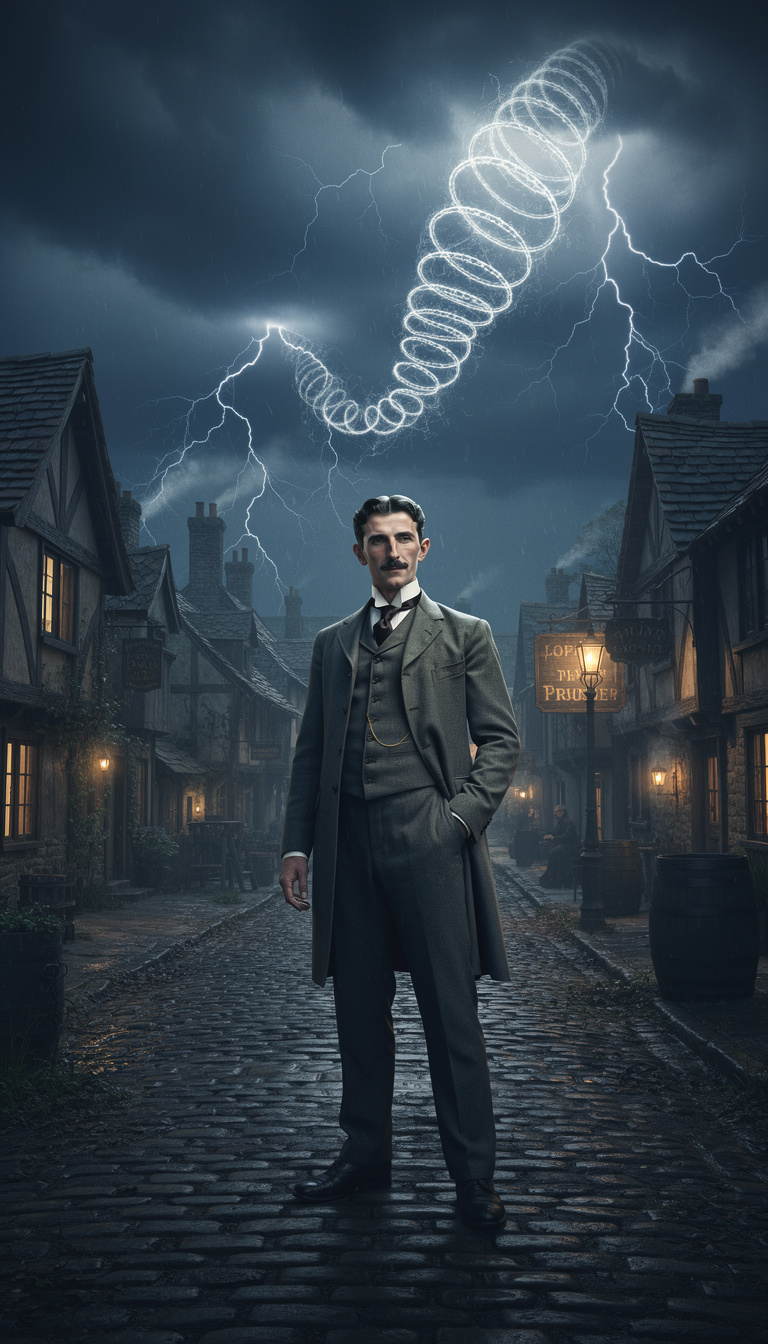 Nikola Tesla
On this day in 1856, Nikola Tesla was born. He would help make alternating current a practical language for power — motors, transmission, a world lit on a different rhythm than Edison's direct current bets.
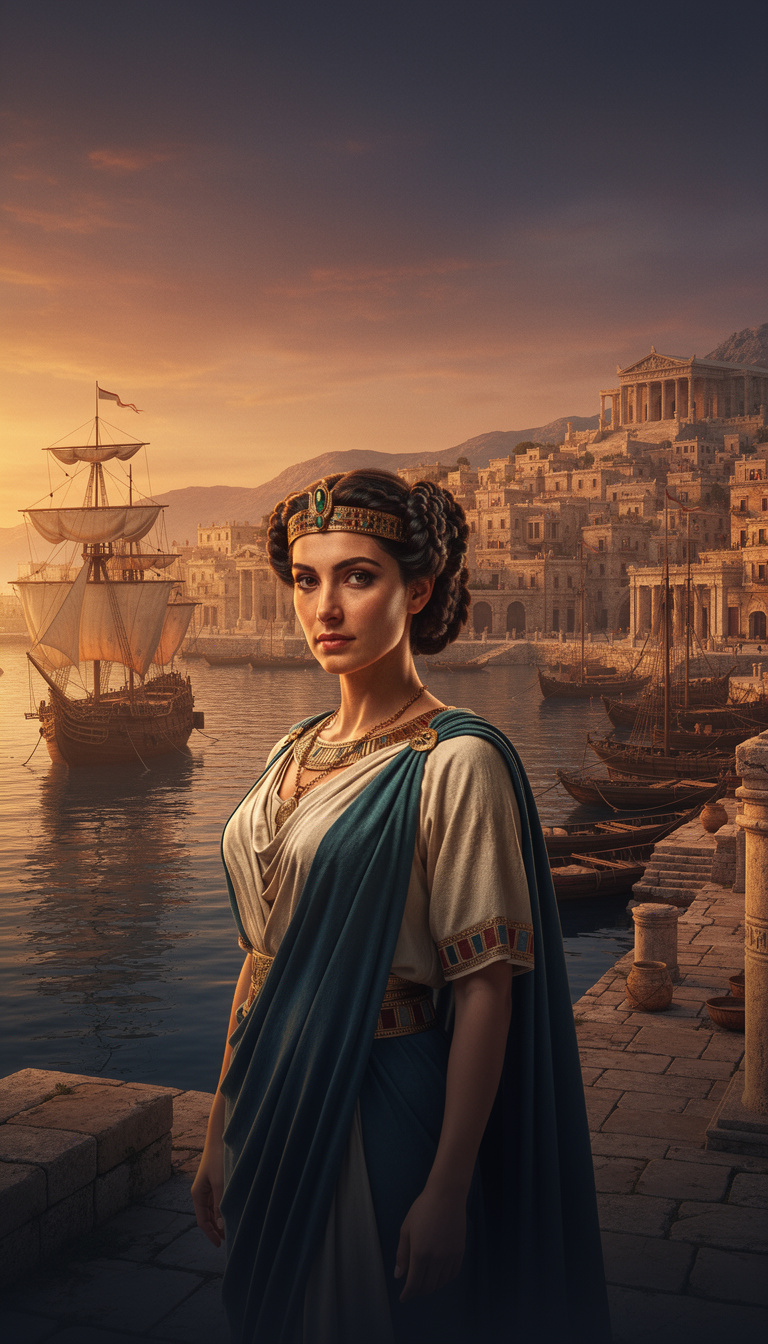 Cleopatra VII
Train your eye: one detail is from the wrong century.
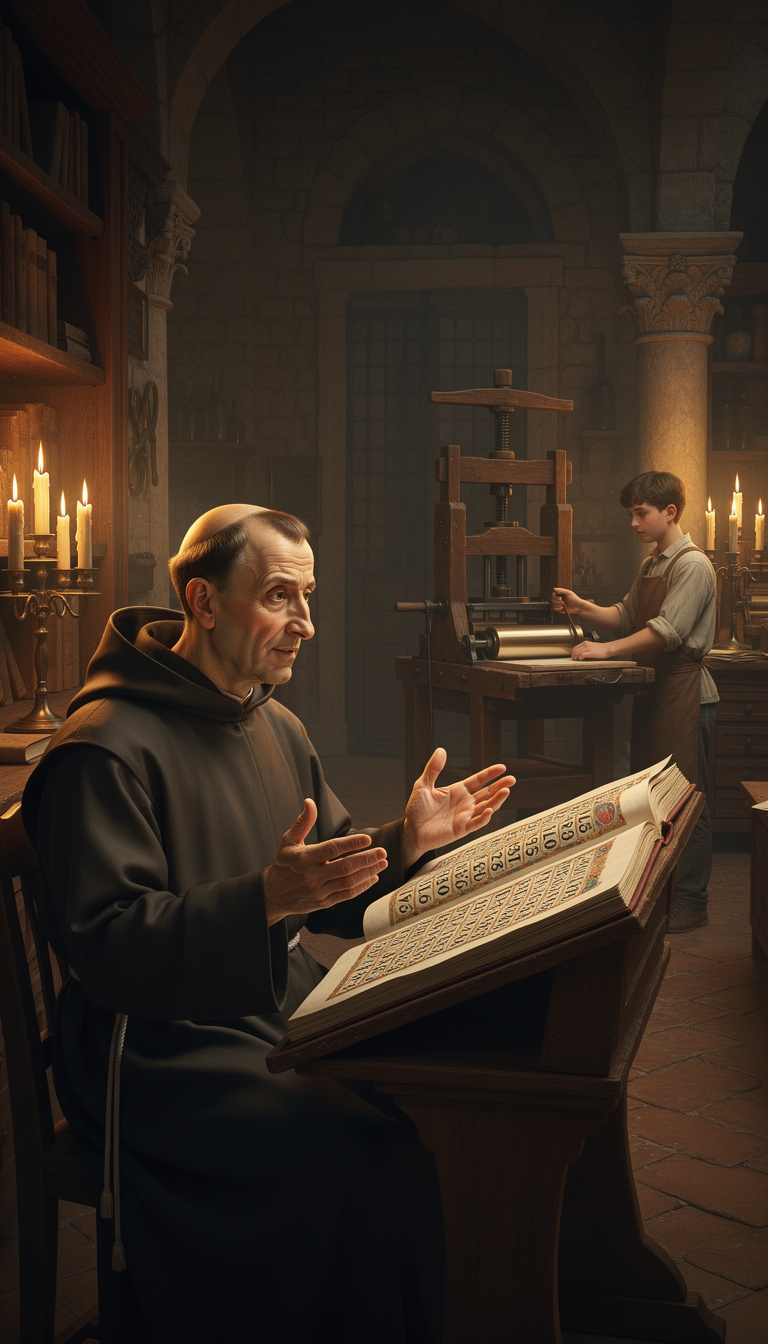 Luca Pacioli
Nel 1494, a Venezia, la mia Summa de Arithmetica vedeva la luce — non un giorno preciso come oggi, ma un'estate che cambiò il commercio europeo. Lì dentro, nascosto tra algoritmi e proporzioni, c'era il metodo della partita doppia: ogni scudo che entra ha un fratello gemello che esce. Nessun mercante più solo con la memoria traballante. Non inventai io questo sistema — i veneziani lo coltivavano da secoli. Ma lo ordinai, lo spiegai, lo diedi alle stampe. La chiarezza è anche un atto di carità.