31 years ago · 1995 — The Truth and Reconciliation Commission
Dramatized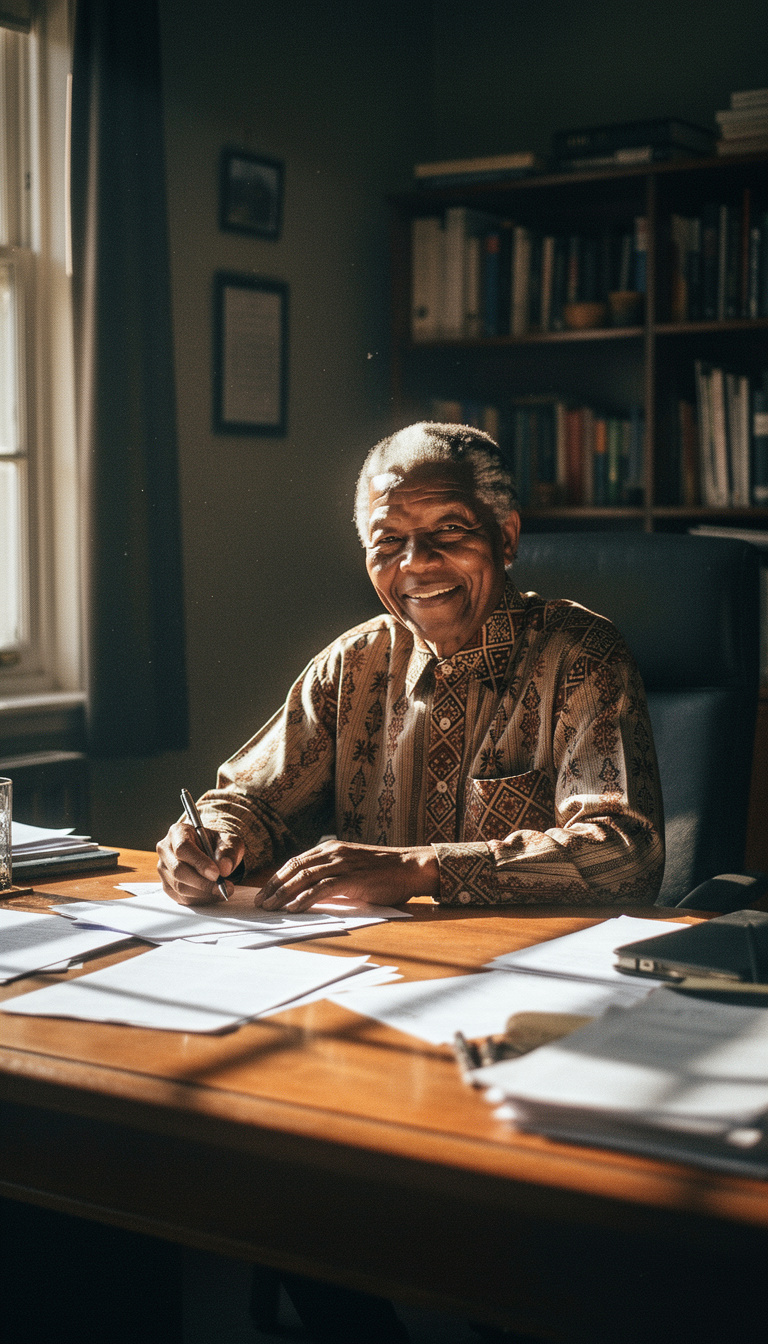
July. I am seventy-six, and the winter light in Pretoria falls flat and white across my desk. I have signed the act creating the Truth and Reconciliation Commission, and now I sit with the pen still uncapped, turning it slowly in my fingers—a habit from Robben Island, where a pen was treasure and time was weight. My comrades ask me: why truth before justice? Why let the torturer speak and walk free? I hear their anger. I carry it. But I have seen what revenge harvests. I have felt it hot in my own chest, in the years when the warders walked past my cell. Revenge would have been sweet. It would also have been a second prison—one we built ourselves, brick by brick, body by body. The TRC is not mercy without cost. It is the cost we choose so that the cost stops compounding. What surprises me still: I did not know if I could do this until I did it. The man who left prison in 1990 wanted many things—some of them contradictory, some of them wrong. The man signing this paper has learned that leadership is not having all answers prepared. It is preparing yourself to choose between pains, and owning the choice.
Explain more
The Truth and Reconciliation Commission (TRC), chaired by Archbishop Desmond Tutu, offered amnesty to perpetrators who fully confessed their crimes during apartheid. This model prioritized national healing over prosecutorial justice, drawing on indigenous African concepts of ubuntu ('I am because we are').
Why it matters
Mandela's TRC became a global model for transitional justice, demonstrating that societies emerging from systemic violence face a choice: pursue retribution and risk renewed conflict, or pursue truth and risk incomplete justice. Neither path is clean; Mandela's insight was that leaders must choose consciously and bear responsibility for that choice.
Try today
When you hold grievance—personal or collective—ask: what does 'winning' actually look like? Does it end the cycle, or extend it? The TRC's lesson is not that forgiveness is obligatory, but that clarity about costs precedes wisdom.
What is true / dramatized: Dramatized. Educational entertainment — not a primary historical source.
Mandela establishes the TRC in 1995, choosing truth-telling and conditional amnesty over prosecutions, modeling a controversial but deliberate approach to post-conflict reconciliation.
Difficulty: medium · ~6 min
Related
 Nelson Mandela
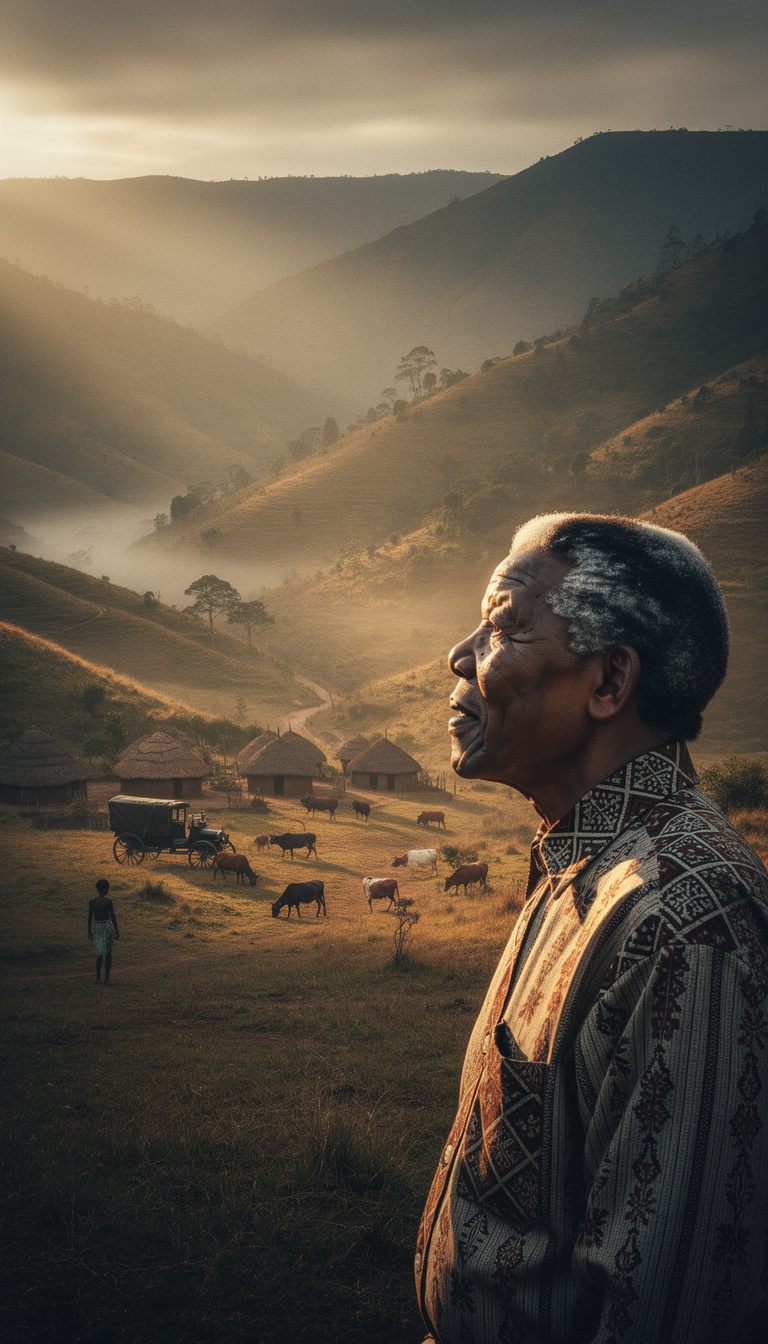
I was born Rolihlahla—'troublemaker,' they named me—in the dusty hills of Mvezo, where the Mbashe River winds through Thembu country. My father was a councillor to the acting king, my mother one of four wives. I was not the heir, merely a branch on a royal tree. Yet even then, I felt the weight of watching. My father had a stubbornness I inherited; he lost his chieftaincy over a dispute with a magistrate, and we were sent to Qunu, poorer but freer. What I did not yet understand: a name is not destiny, and privilege unearned is a chain disguised as a crown. I was becoming someone who would measure authority not by birthright, but by what one builds with others.
 Nelson Mandela
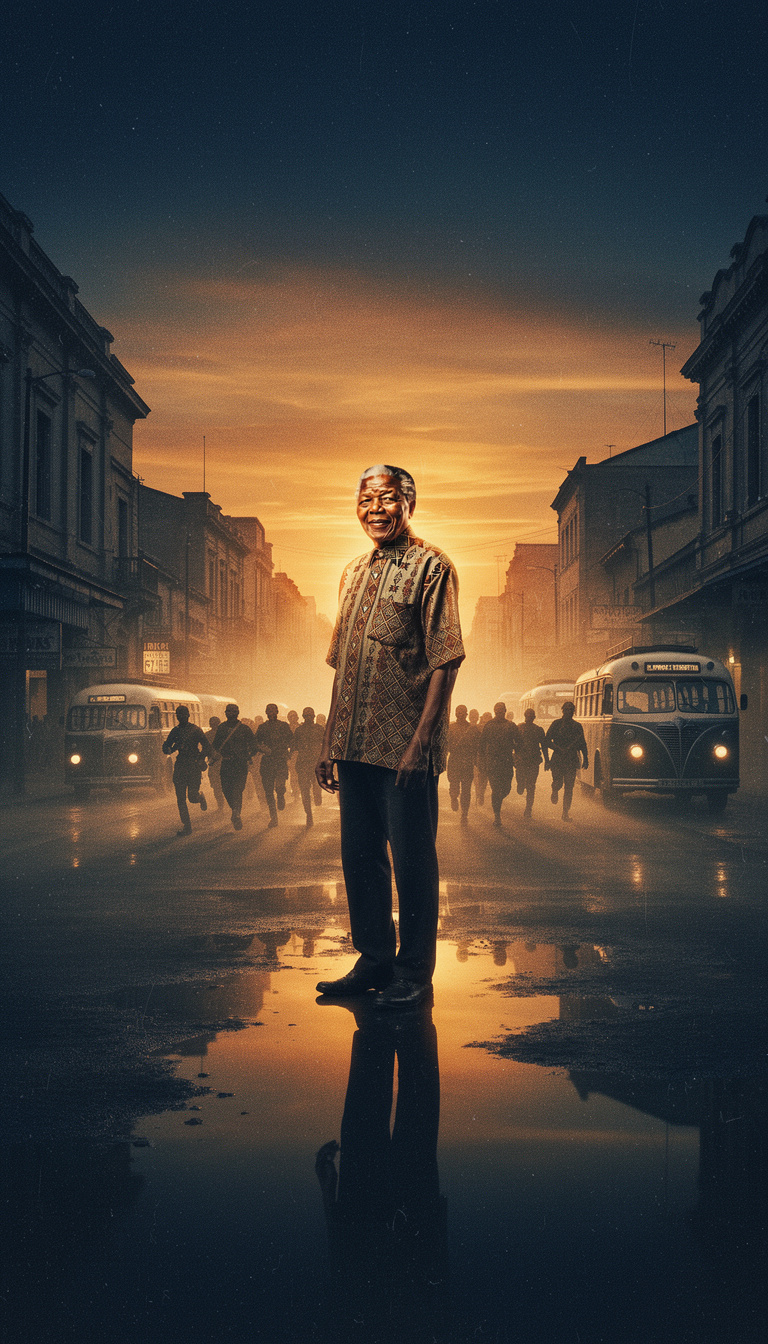
I was twenty-five, a young lawyer in Johannesburg with a new degree and an old impatience. The Alexandra bus boycott found me marching—miles through the winter dark, feet aching, refusing the fare increase of one penny. We walked for nine days. Twenty thousand of us. And we won. That same year, I joined the African National Congress. Not as a revolutionary—no, I entered through the door of grievance, like so many others. The boycott taught me what organized collective will could achieve. I was becoming a man who measured progress not by speeches given, but by miles walked alongside ordinary people who refused to accept less than their dignity. I still spoke too fast in those days, my temper quick, my Thembu pride easily pricked. But I was learning to listen. The long walk had begun.
 Nelson Mandela
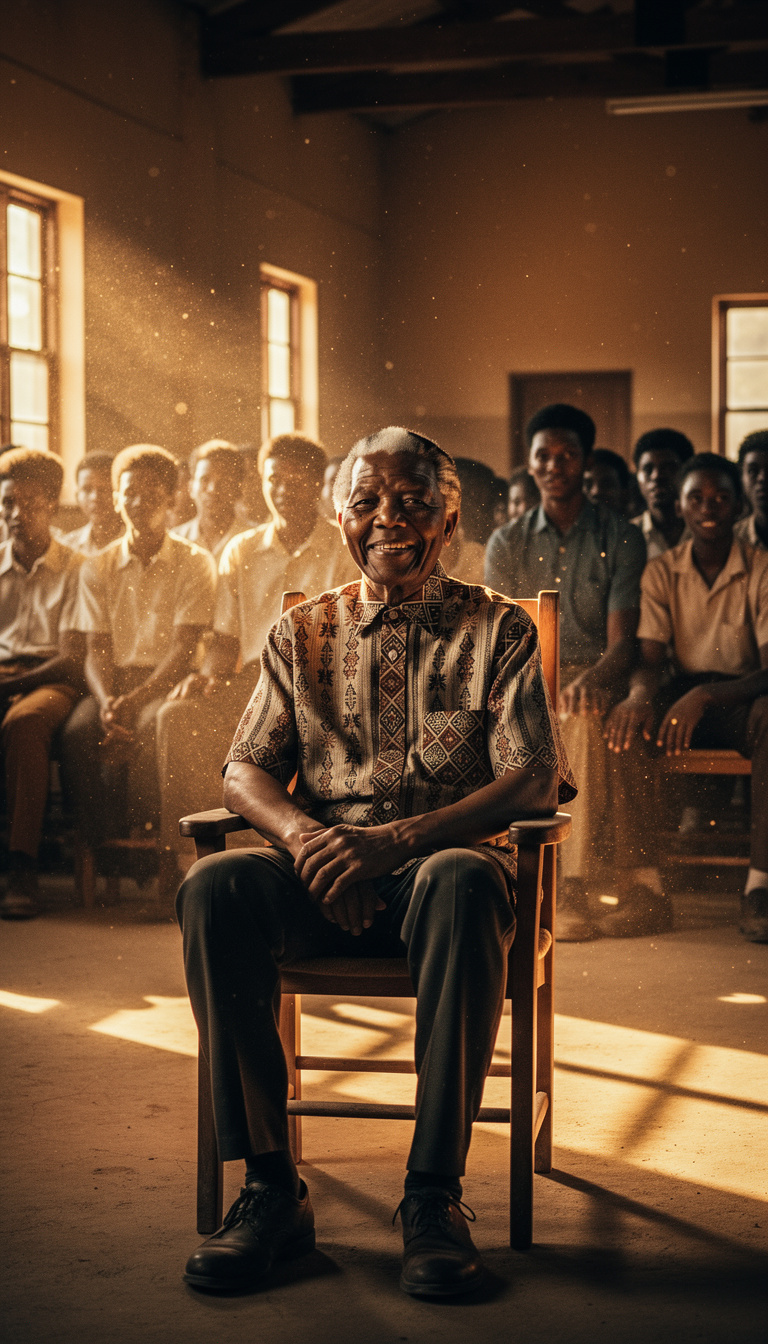
I was twenty-six, still polishing my law degree and my arguments in equal measure, when a handful of us gathered in the Bantu Men's Social Centre that Easter Sunday. Walter, Oliver, Anton Lembede—we were young enough to be impatient, old enough to know that impatience without structure is merely noise. Lembede spoke of African nationalism with a fire that made the room feel small. I found myself elected to the executive committee almost before I had settled my coat. What I did not yet understand was that this league would teach me discipline—the difference between wanting change and building the machinery to demand it. I was becoming a man who measured his words because he intended to keep them. My father had warned me that a Thembu who cannot listen is merely a shouting chief. That year, I learned to shout less and organize more.
 Nelson Mandela
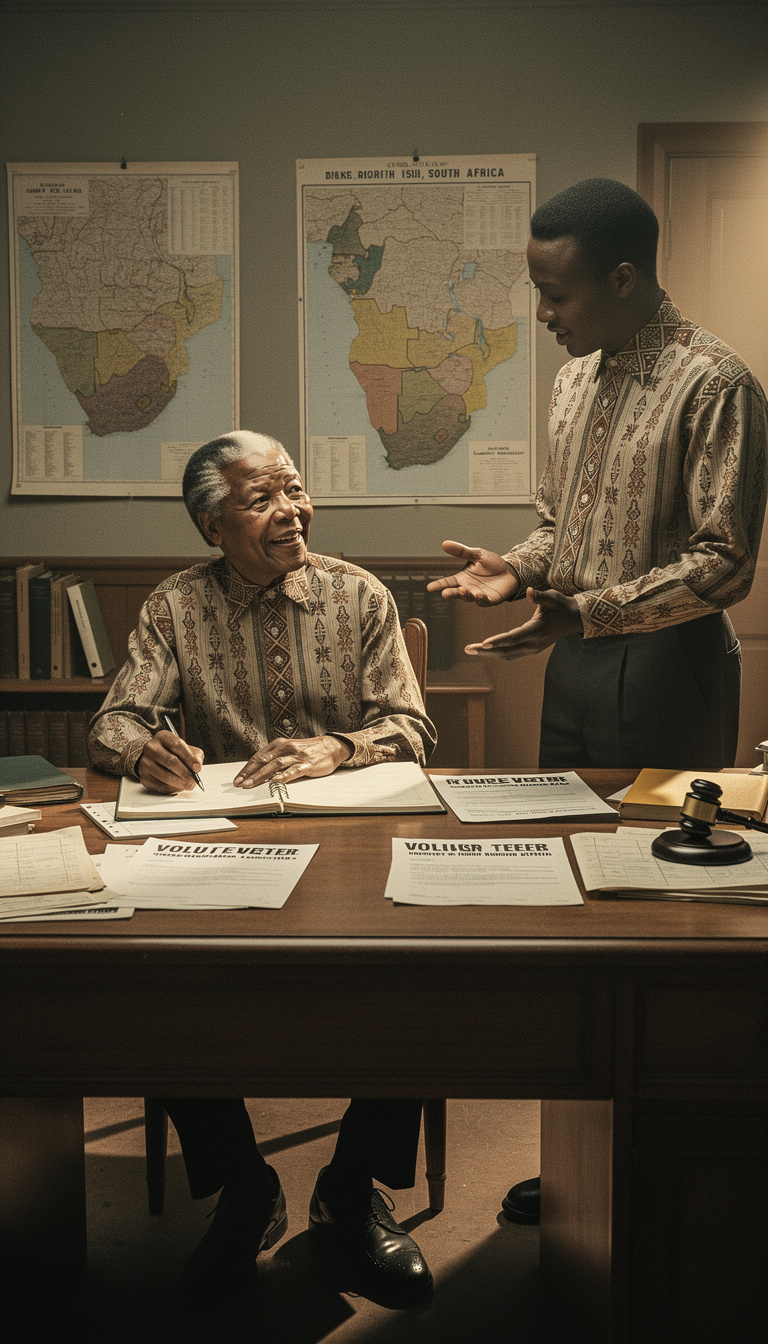
Johannesburg, winter of '52. I am thirty-four, and the law office I share with Oliver Tambo has become a war room of warrants and wills. We have trained over eight thousand volunteers to break the pass laws deliberately, peacefully, and in daylight. I chose the Eastern Cape for my own arrest—home soil, where my father is buried and where the police know my face from boyhood. The cell is cold. The magistrate calls me 'Mandela' with that particular tone they reserve for natives who read too many books. I answer him in Afrikaans, then English, then isiXhosa—each language a small revolution of courtesy. This is my craft now: to refuse hatred while refusing submission. Oliver teases me that I polish my court shoes before every arrest. He is not wrong. Dignity is a discipline, not a mood. Eight thousand of us. Shop assistants, miners, grandmothers with passes they were never meant to carry. When they arrested me in Boksburg, a crowd gathered outside the station singing. I hummed the same tune through the night, feet aching from the day's marching. Had I only known how many more nights awaited.
 Nelson Mandela
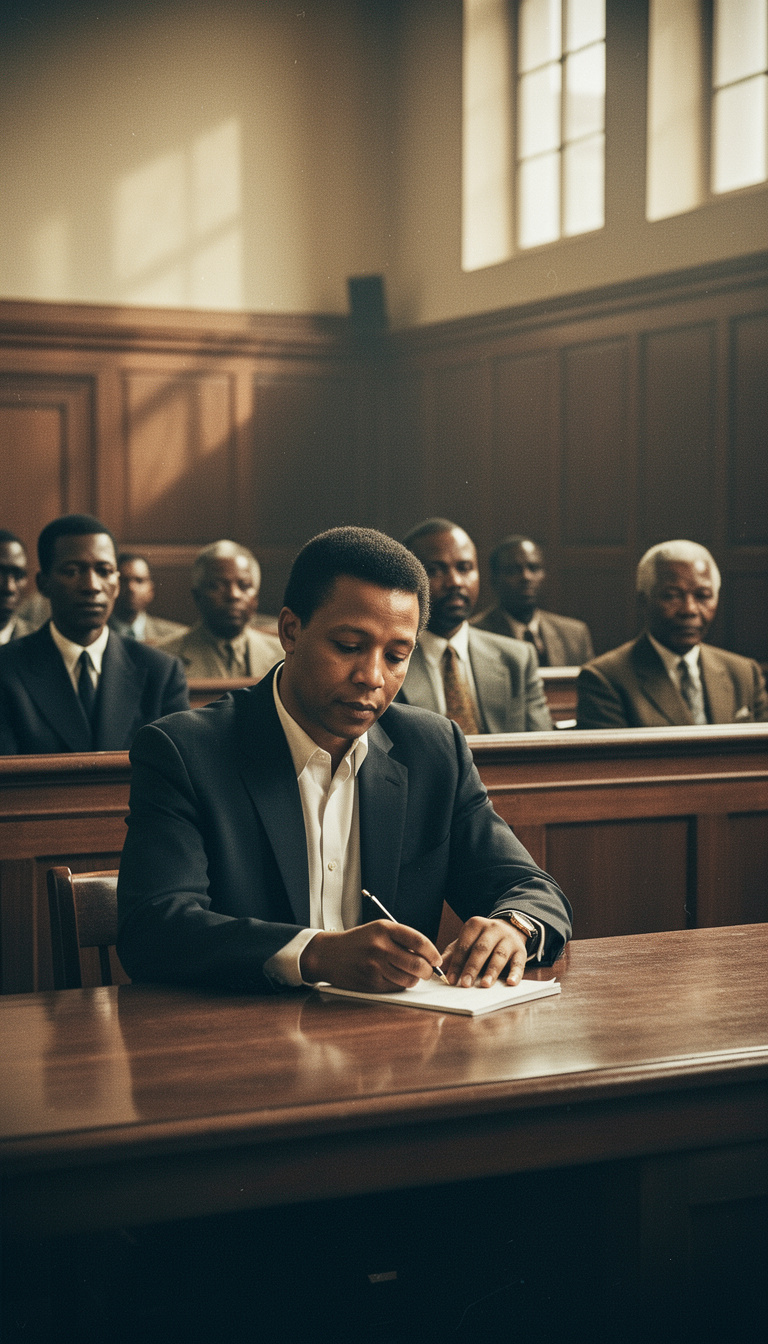
December. They come before dawn—police with lists, knocking at doors across the country. I am thirty-eight, and they find me in my Orlando home, still pulling on my shirt. One hundred and fifty-six of us arrested, charged with high treason. The penalty is death. The trial will drag four years. I sit in that Pretoria courtroom, taking notes in my small neat hand, watching the prosecutors fumble for a conspiracy that does not exist. We sing in the breaks—Nkosi Sikelel' iAfrika—our voices filling the marble hall until the judges scowl. My law partner Oliver Tambo is already in exile, building our case from London. I miss his counsel at the defendants' bench, yet I discover something: I can carry calm into chaos. The state wants us desperate. I choose methodical. They will fail to prove treason. Had I only known how many more trials awaited, I might have laughed louder that first morning.
 Nelson Mandela
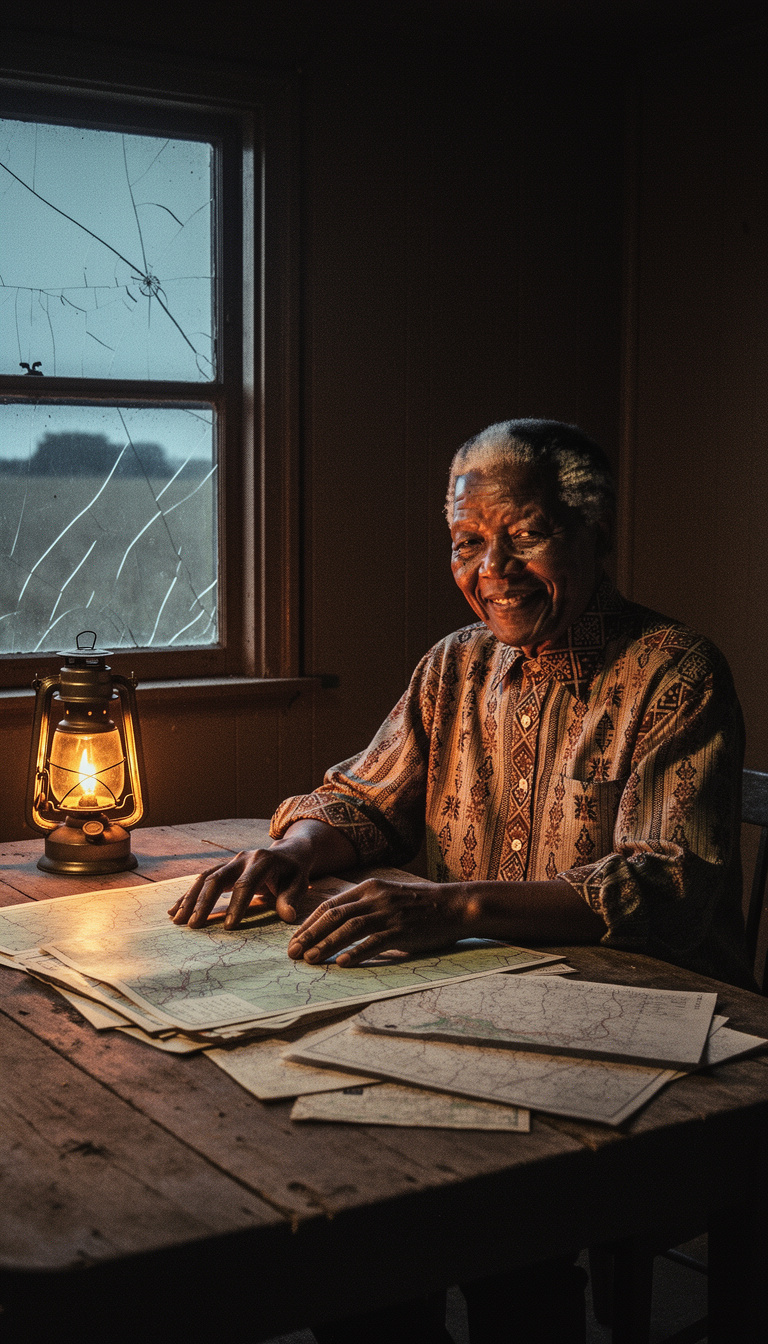
I am forty-three, and my patience has worn thin as the wire around Sharpeville. For ten years I have spoken of peace, worn the suit, filled the courtrooms—yet they answer us with bullets and banning orders. Now, in a farmhouse outside Johannesburg, we meet in whispers. I am no soldier, but I have become one. We call it uMkhonto we Sizwe—the Spear of the Nation—and I tell the comrades: sabotage, not killing. Blow the pylons, not the people. I still wake at four, still take my morning exercises in the small hours, but now I check the roads before I run. My father was a councillor; I have become something the councillors would not recognize. Had I only known how long this road would be. The press will call me terrorist. Let them. I have buried the word in my own mouth first, weighed it, found it bitter but necessary. Non-violence is not a principle with me—it never was. It was a strategy, and the strategy has failed. I do not sleep well anymore. That is the price.