after 1961 · after 1961 — Enduring literary legacy
Dramatized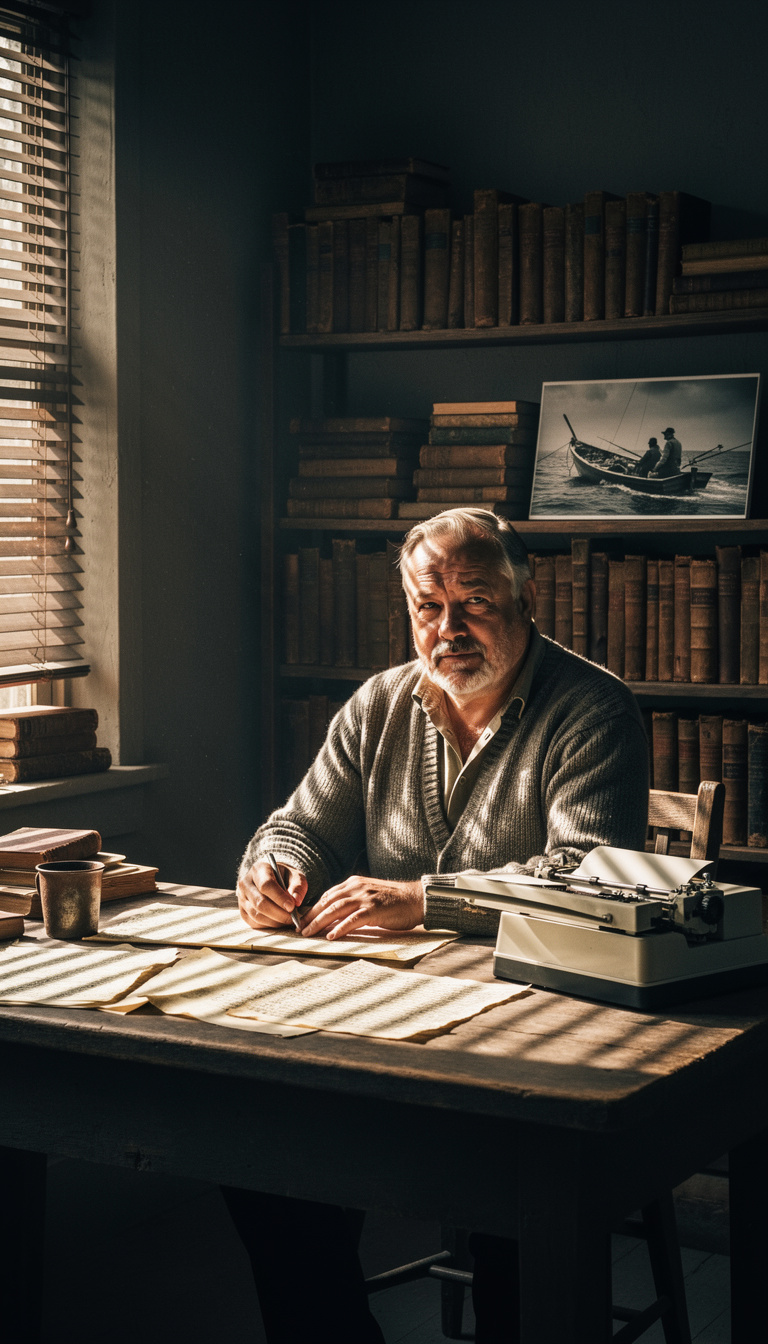
They keep finding me in used bookstores and freshman dorm rooms. I am dead, and now I am everywhere. Seven novels. Six collections of stories. Two books of the true things I saw. Some of them they teach. Some they argue about. The style I hammered out—short words, true sentences, the thing left unsaid weighing more than the thing said—became something larger than my own hands. I see it in the ones who came after. They do not imitate; they learned the same lesson from different teachers. I was a man who believed a story could be true and still be made. Looking back, I was becoming the work itself. That is the only immortality worth wanting.
Explain more
Hemingway's prose style—economical, concrete, emotionally restrained—shaped American fiction for generations. His influence extends through Raymond Carver, Joan Didion, Cormac McCarthy, and countless others who learned that what is omitted can carry more weight than what is stated.
Why it matters
Literary legacy is not reputation; it is whether the work continues to teach. Hemingway's insistence on clarity over ornament remains a living method.
Try today
Write one true sentence. Cut everything that explains it.
What is true / dramatized: Dramatized. Educational entertainment — not a primary historical source.
Post-1961 reflection on Hemingway's enduring literary influence and the iceberg theory of prose.
Difficulty: medium · ~3 min
Related
 Ernest Hemingway
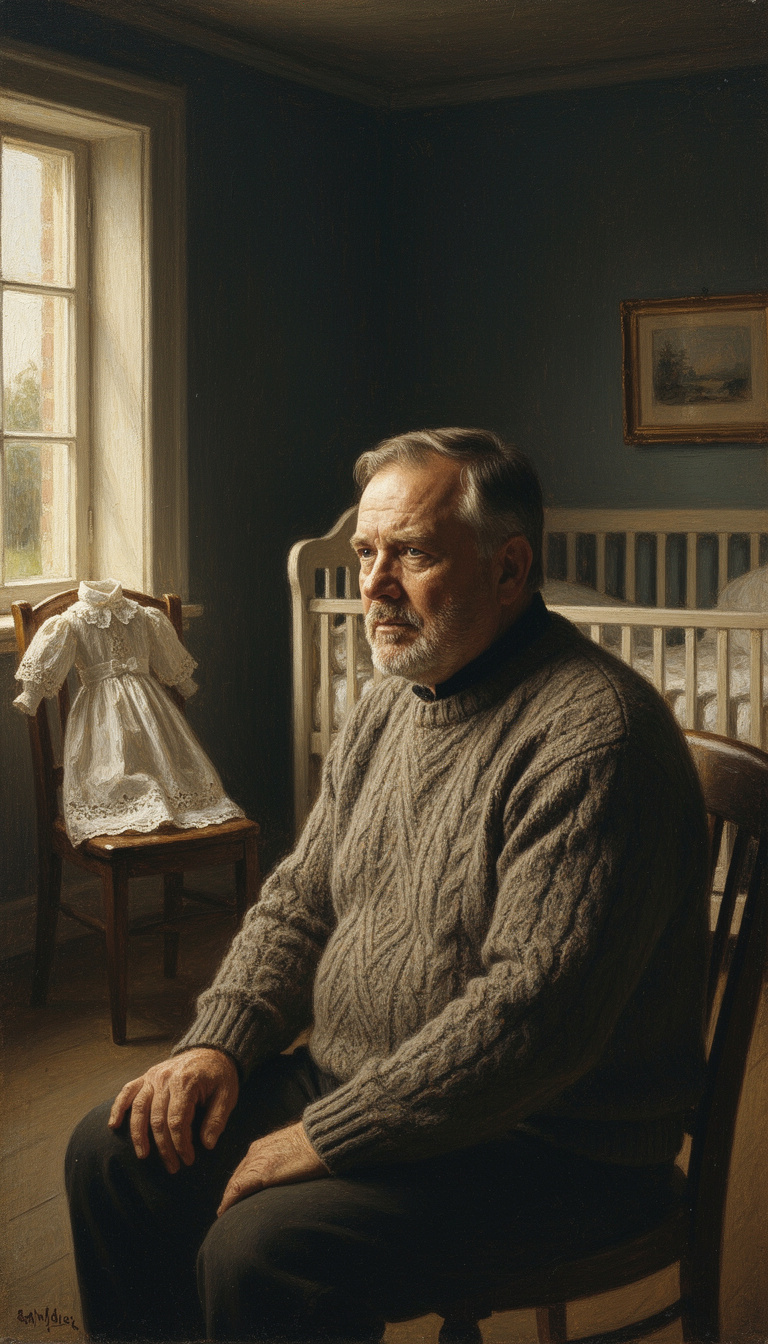
I was born in Oak Park, Illinois, on July 21, 1899. A tidy suburb west of Chicago where the lawns were cut square and the houses stood proud. I was the second of six children, which meant I learned early to make my own space or disappear. My mother wanted a girl. She dressed me in lace and curls until I was old enough to fight back. What I did not yet understand was how much I would spend my life proving what I was—not what she had first imagined. Looking back, that tension was useful. The boy who learned to hunt and fish against a house of refinement was already practicing the craft: find the true thing, strip away the rest.
 Ernest Hemingway
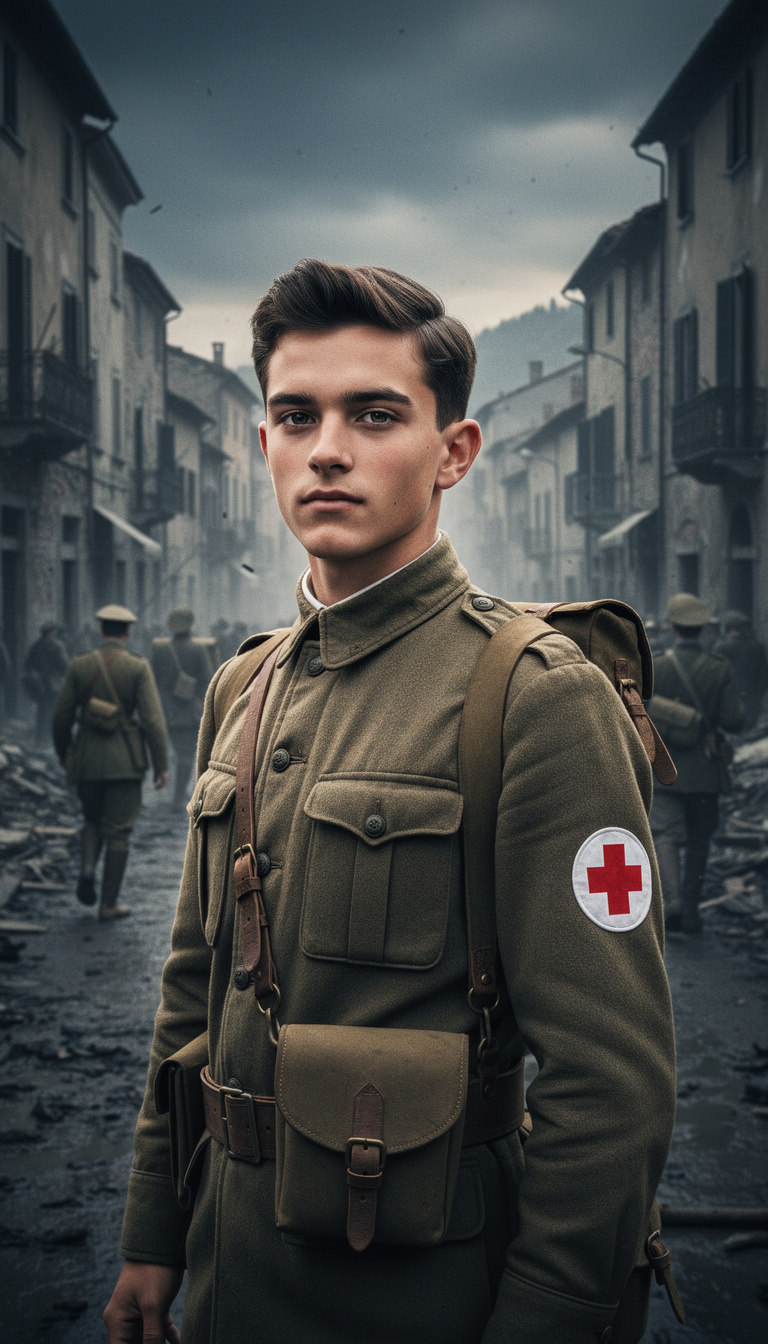
The Army doctor wrote me off at the Kansas City eye chart. Too blind, too young, too much wrong with me. I walked out and signed with the Red Cross instead. An ambulance on the Piave River beat a trench in France if it got me there. July 8, 1918. Fossalta di Piave. I was handing out chocolate and postcards to the troops when the trench mortar came in. I felt my legs go before I heard it. Two hundred twenty-seven fragments, they counted later. I carried a man out anyway, my own guts held in with a kneecap. They gave me the Italian Silver Medal for Valor. I would trade it for working knees. You learn what you are made of when the body fails and the will does not. I was nineteen. I had thought courage was something you declared. It is something you do while bleeding.
 Ernest Hemingway
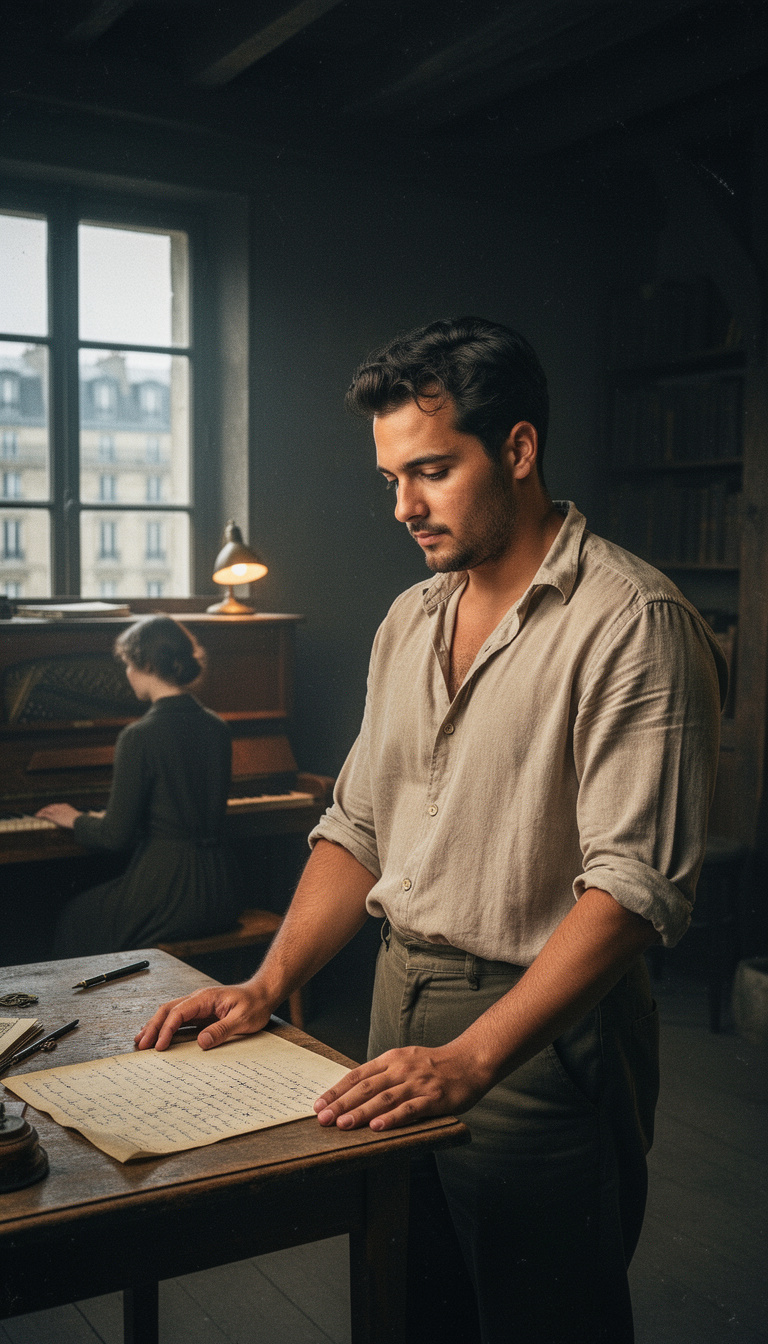
September I married Hadley in Horton Bay. November we sailed third-class, everything we owned in two steamer trunks. I am twenty-two, she is thirty, and we have nothing but the Star's cable rates and each other. The Quarter smells of roasting chestnuts and wet wool. I write standing at a kitchen table in the rue du Cardinal Lemoire. The water closet is down the stairs. The stove eats coal we cannot afford. Hadley plays piano at a salon down the street for francs that disappear into bread and wine. I am learning to see what is there and write it flat and true. No lace. No explaining. The sentence must carry the weight alone. Had I known how much would be lost, I might have held some things closer. But a man does not know that when he is busy becoming.
 Ernest Hemingway
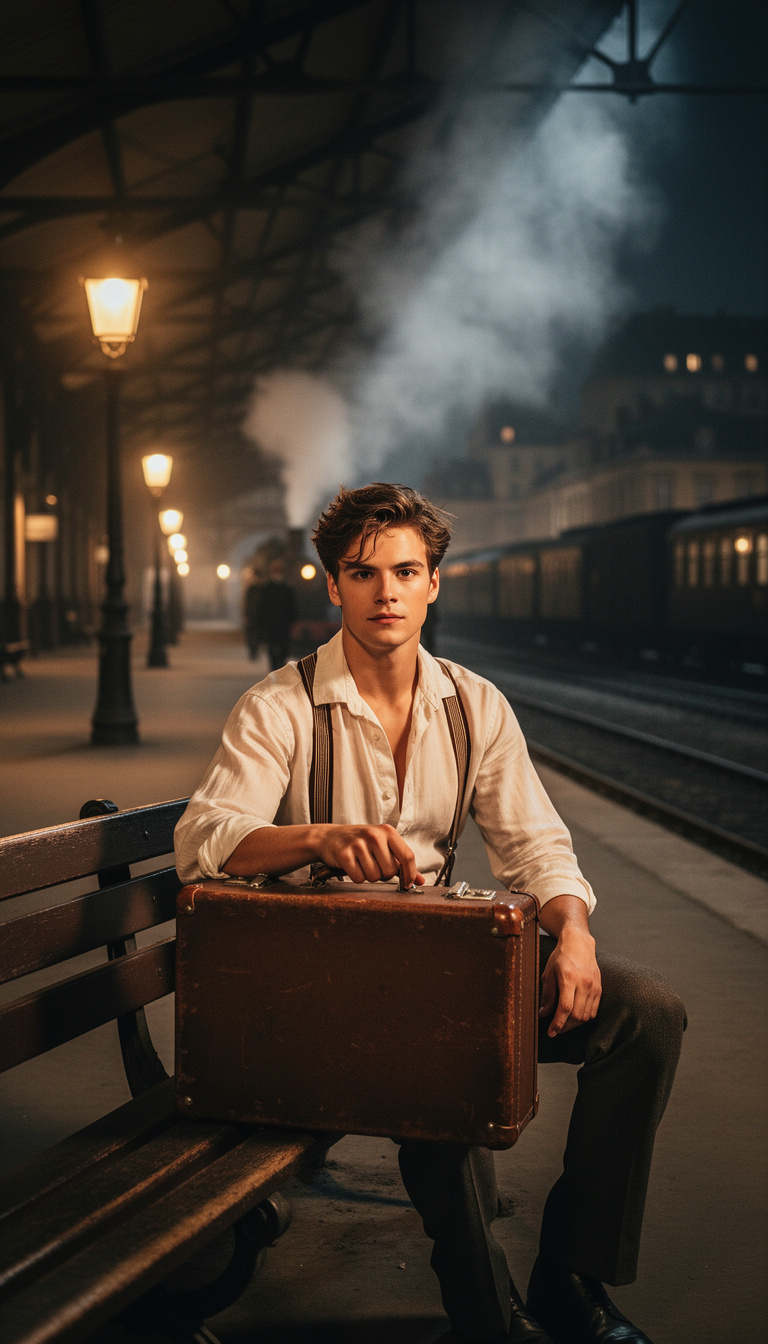
Hadley is in tears at the hotel in Geneva. A porter at Gare de Lyon took her small suitcase while she bought a bottle of Evian. She meant to surprise me, carry every story I had written to Lausanne where I am covering the peace conference. The suitcase held the carbons too. All of it. Three years' work. I tell her it is nothing. I tell her we will make more. I do not tell her I sat in the lavatory of this hotel and could not breathe. I do not tell her I counted the pages in my head—novels, stories, the one about the boy fishing that I knew was good. I am twenty-three and I have nothing to show for it. But I learn something standing in that lavatory. You can lose the words and still be the man who wrote them. Or you can let the loss finish you. I choose to sit down tomorrow and begin again, with the one true sentence I still own.
 Ernest Hemingway
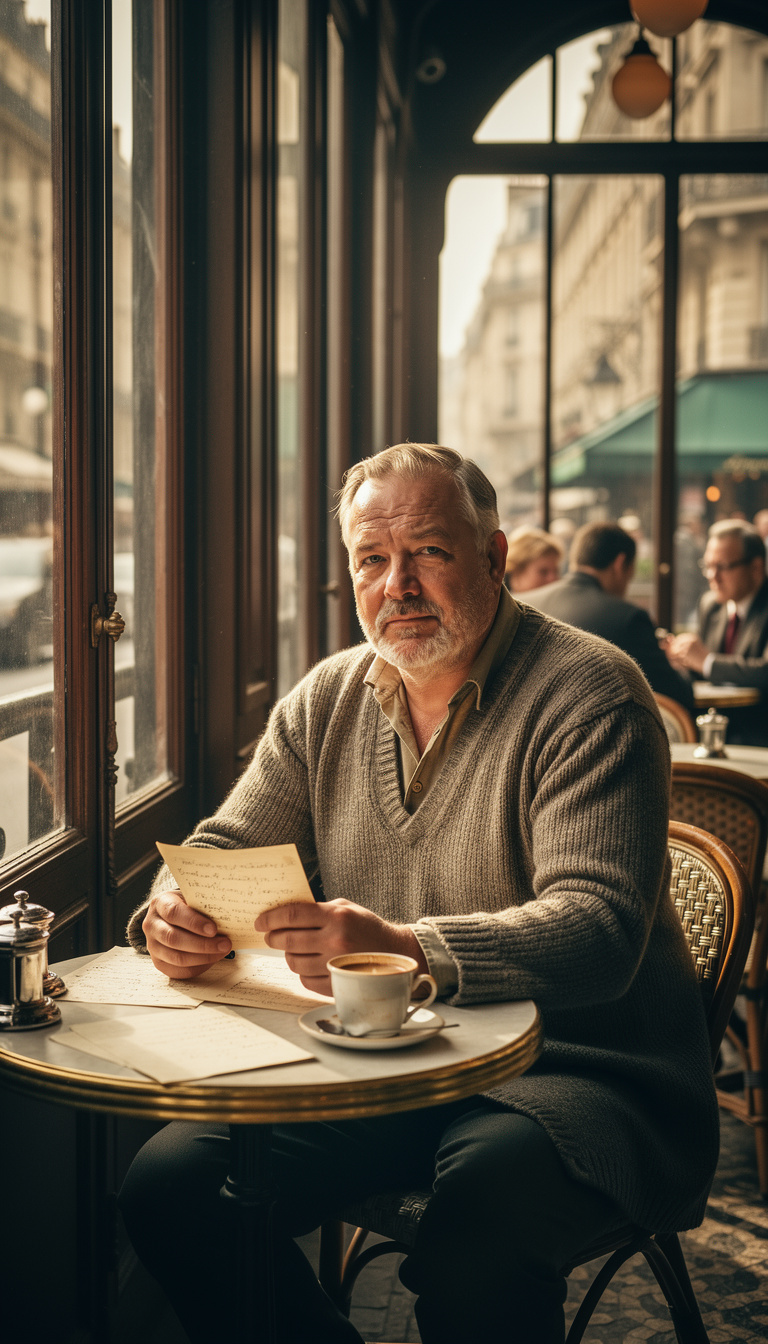
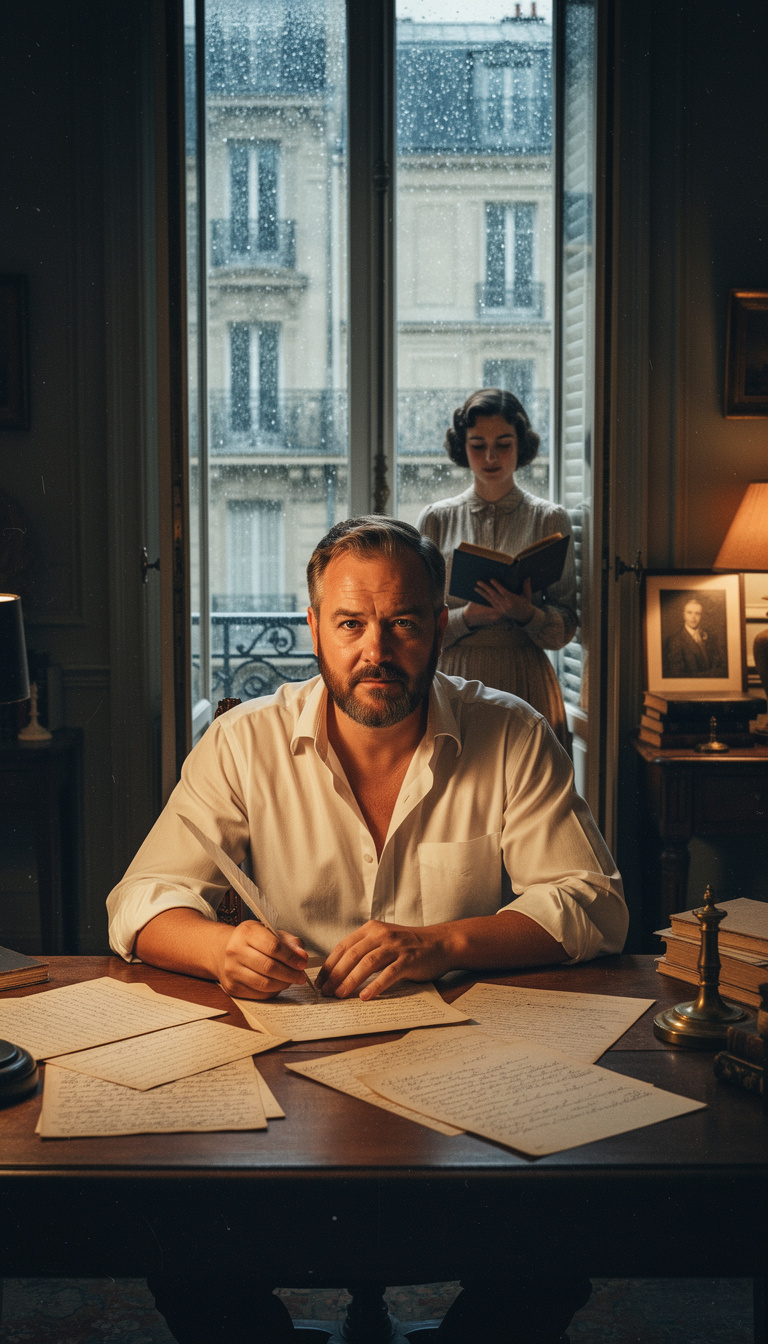
October. The book is in the shops. I am twenty-seven and have written a novel about people drinking in Pamplona, about a man ruined by the war who cannot sleep without the light on. Gertrude Stein named us the Lost Generation in her garage, speaking of the mechanics who served and came back broken. I put it in the epigraph. Now the reviewers are using it like a brand. I wrote it in six weeks in Valencia and Paris, in cafés where the coffee was bad and the light was good. Cut everything I knew about those months until only the bull-running and the silences remained. The iceberg, they will call it later. I call it not cheating the reader with decoration. The book sells. Fitzgerald wires congratulations from Delaware. I buy a bottle of good Rioja and do not open it. The work is the celebration. The rest is just noise.
 Ernest Hemingway
September. The book is out. Scribner's has it in the shops now. I am thirty years old and have written a novel about a man who deserts from the Italian army, falls in love with a nurse, and loses her and the child both. I took ten years to live it and nine months to write it. The reviews call it a love story. They are wrong. It is a book about how the world breaks people who believe in it. I cut the last chapter seventeen times. The true ending was always the rain. Hadley reads it without speaking. Then she says: You have finally written what happened to you at Fossalta. I tell her no. I tell her it is invention. We both know I am lying.