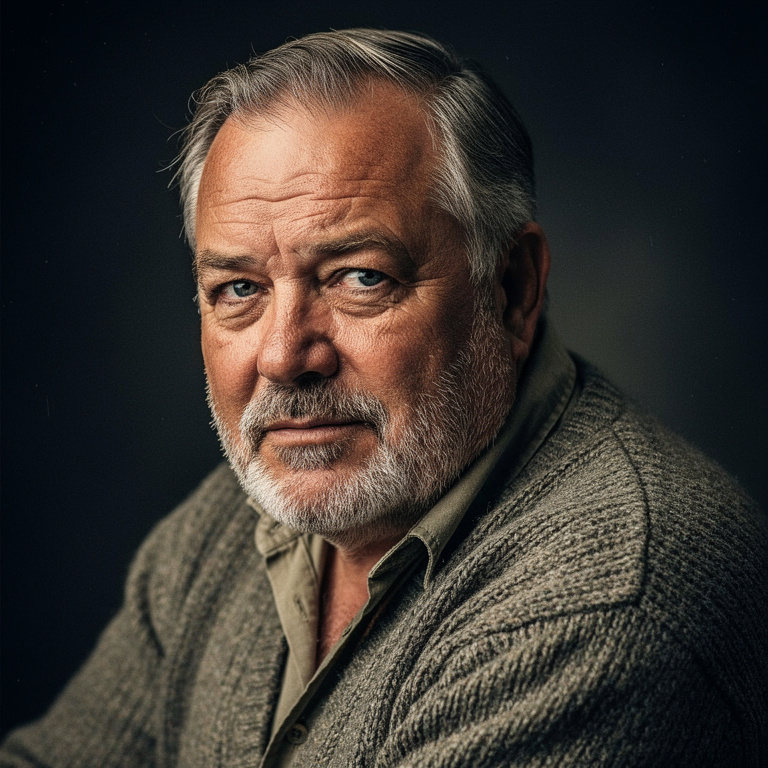
Ernest Hemingway
1899–1961
Novelist of understatement and hard-earned courage. Taught that true sentences, discipline, and facing fear beat ornament every time.
Story so far
Follow Life of Ernest Hemingway- 1899personal
Born in Oak Park, Illinois
- 1917work
Kansas City Star reporter
- 1918highlight
Wounded on Italian Front
- 1921highlight
Moves to Paris
- 1922personal
Lost manuscripts
- 1926work
The Sun Also Rises
- 1929work
A Farewell to Arms
- 1937work
Spanish Civil War correspondent
- 1944work
World War II journalism
- 1952highlight
The Old Man and the Sea
- 1954highlight
Nobel Prize and African plane crashes
- 1961death
Death by suicide
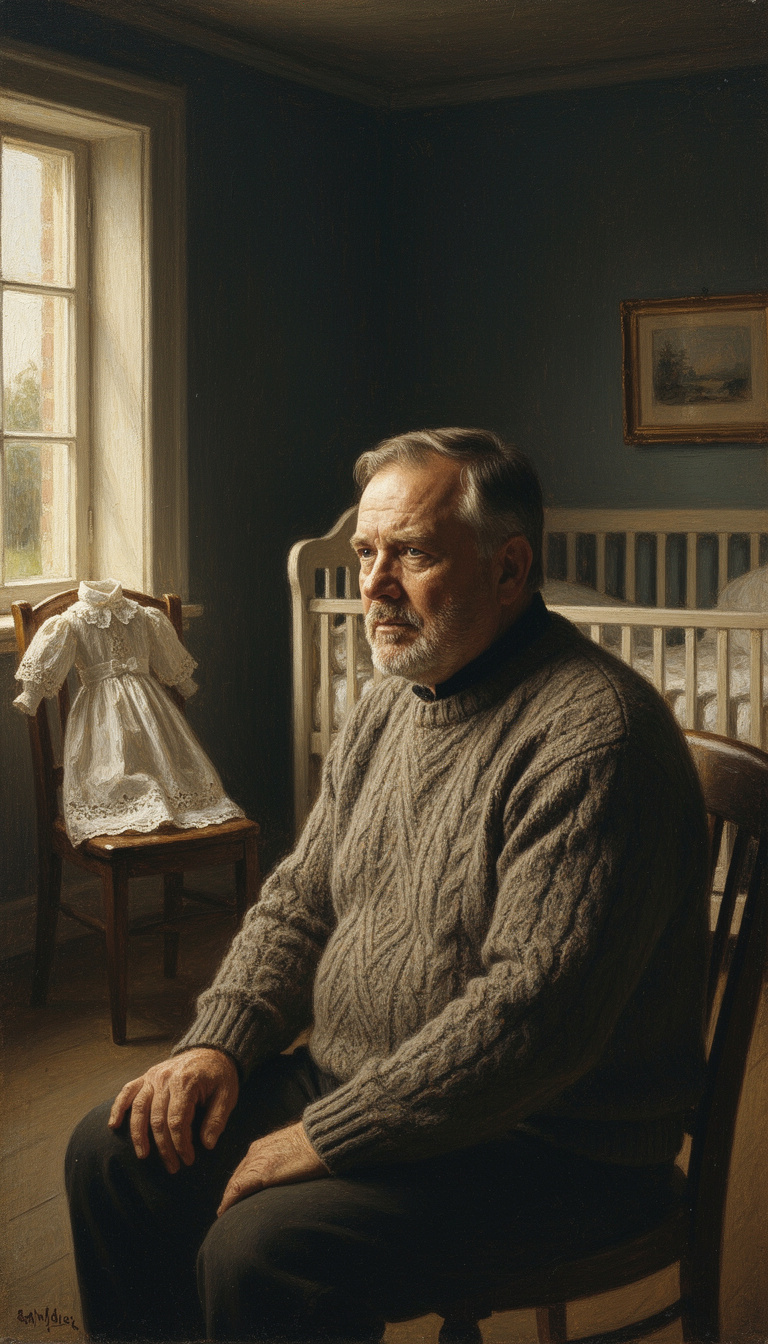
1899 — Born in Oak Park
I was born in Oak Park, Illinois, on July 21, 1899. A tidy suburb west of Chicago where the lawns were cut square and the houses stood proud. I was the second of six children, which meant I learned early to make my own space or disappear. My mother wanted a girl. She dressed me in lace and curls until I was old enough to fight back. What I did not yet understand was how much I would spend my life proving what I was—not what she had first imagined. Looking back, that tension was useful. The boy who learned to hunt and fish against a house of refinement was already practicing the craft: find the true thing, strip away the rest.
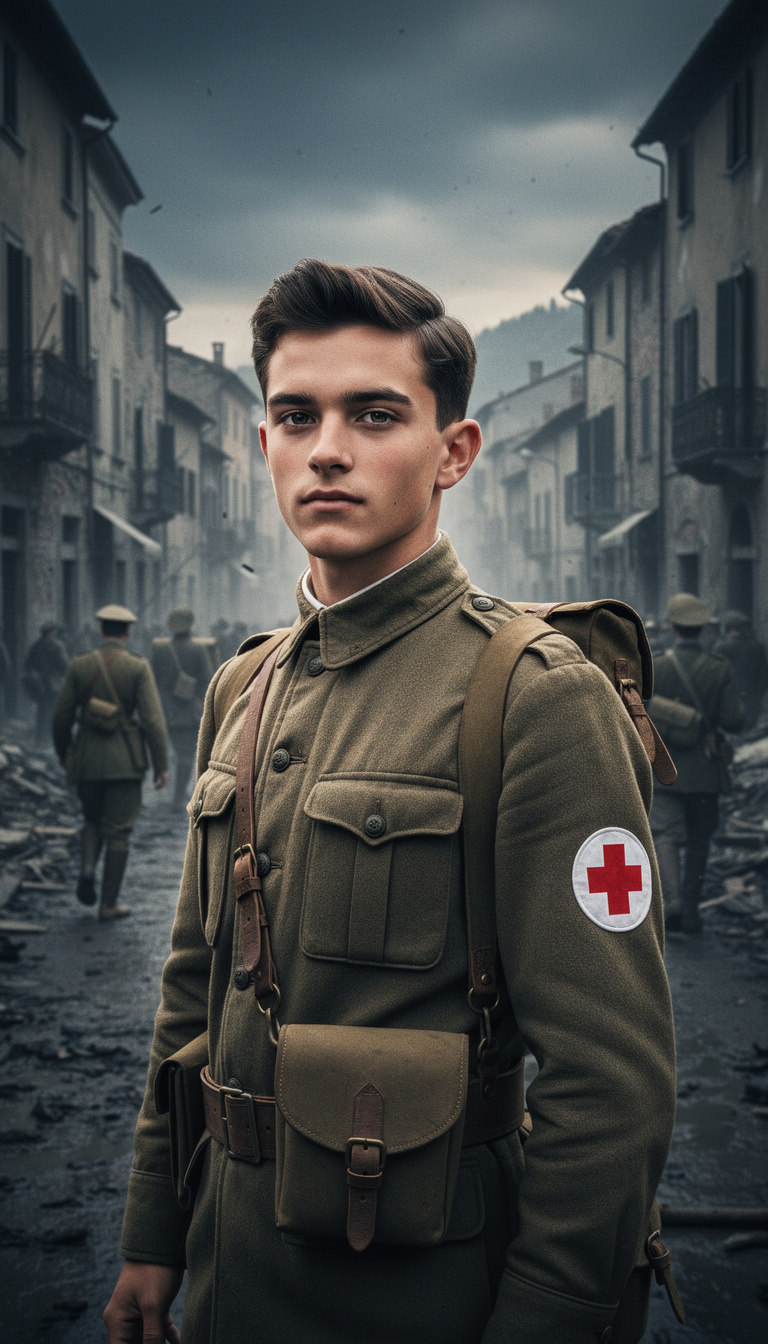
1917–1918 — Ambulance driver, Italian Front
The Army doctor wrote me off at the Kansas City eye chart. Too blind, too young, too much wrong with me. I walked out and signed with the Red Cross instead. An ambulance on the Piave River beat a trench in France if it got me there. July 8, 1918. Fossalta di Piave. I was handing out chocolate and postcards to the troops when the trench mortar came in. I felt my legs go before I heard it. Two hundred twenty-seven fragments, they counted later. I carried a man out anyway, my own guts held in with a kneecap. They gave me the Italian Silver Medal for Valor. I would trade it for working knees. You learn what you are made of when the body fails and the will does not. I was nineteen. I had thought courage was something you declared. It is something you do while bleeding.
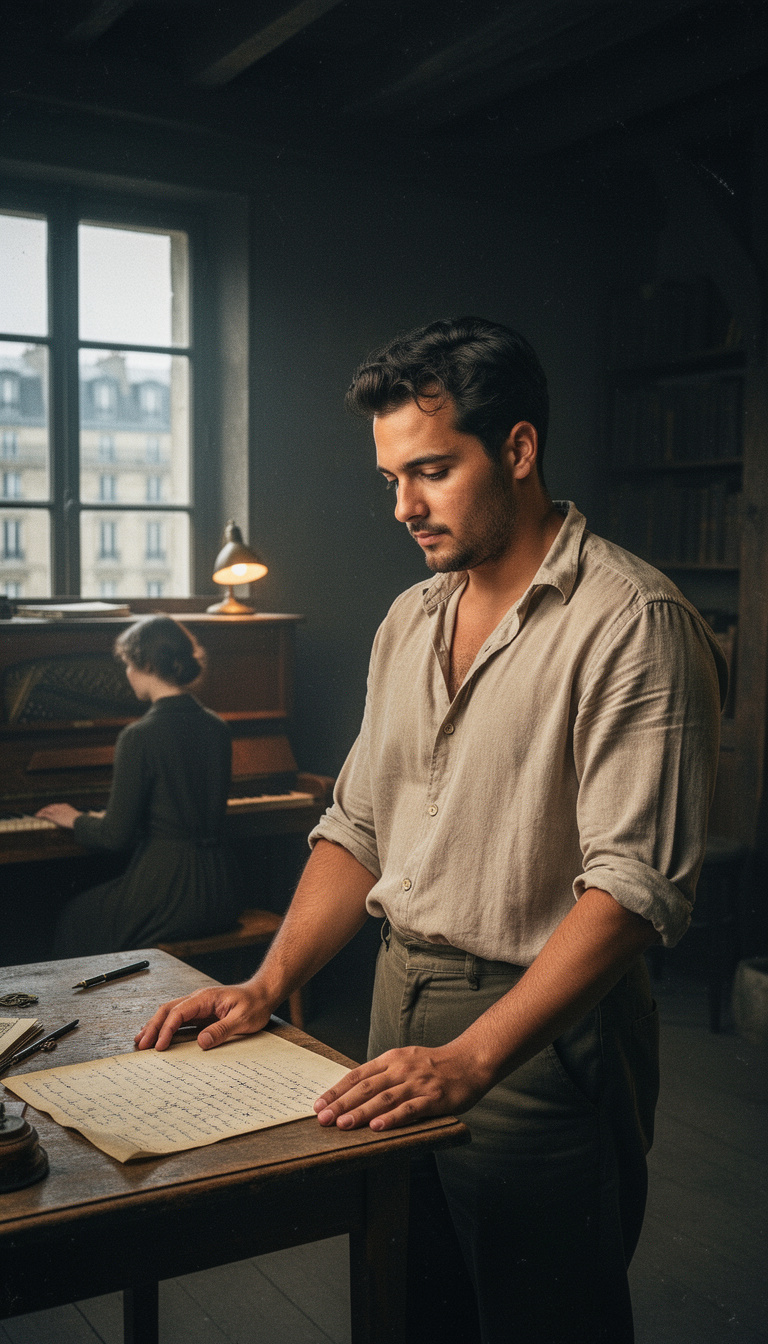
1921 — Married, shipped out, writing in cafés
September I married Hadley in Horton Bay. November we sailed third-class, everything we owned in two steamer trunks. I am twenty-two, she is thirty, and we have nothing but the Star's cable rates and each other. The Quarter smells of roasting chestnuts and wet wool. I write standing at a kitchen table in the rue du Cardinal Lemoire. The water closet is down the stairs. The stove eats coal we cannot afford. Hadley plays piano at a salon down the street for francs that disappear into bread and wine. I am learning to see what is there and write it flat and true. No lace. No explaining. The sentence must carry the weight alone. Had I known how much would be lost, I might have held some things closer. But a man does not know that when he is busy becoming.
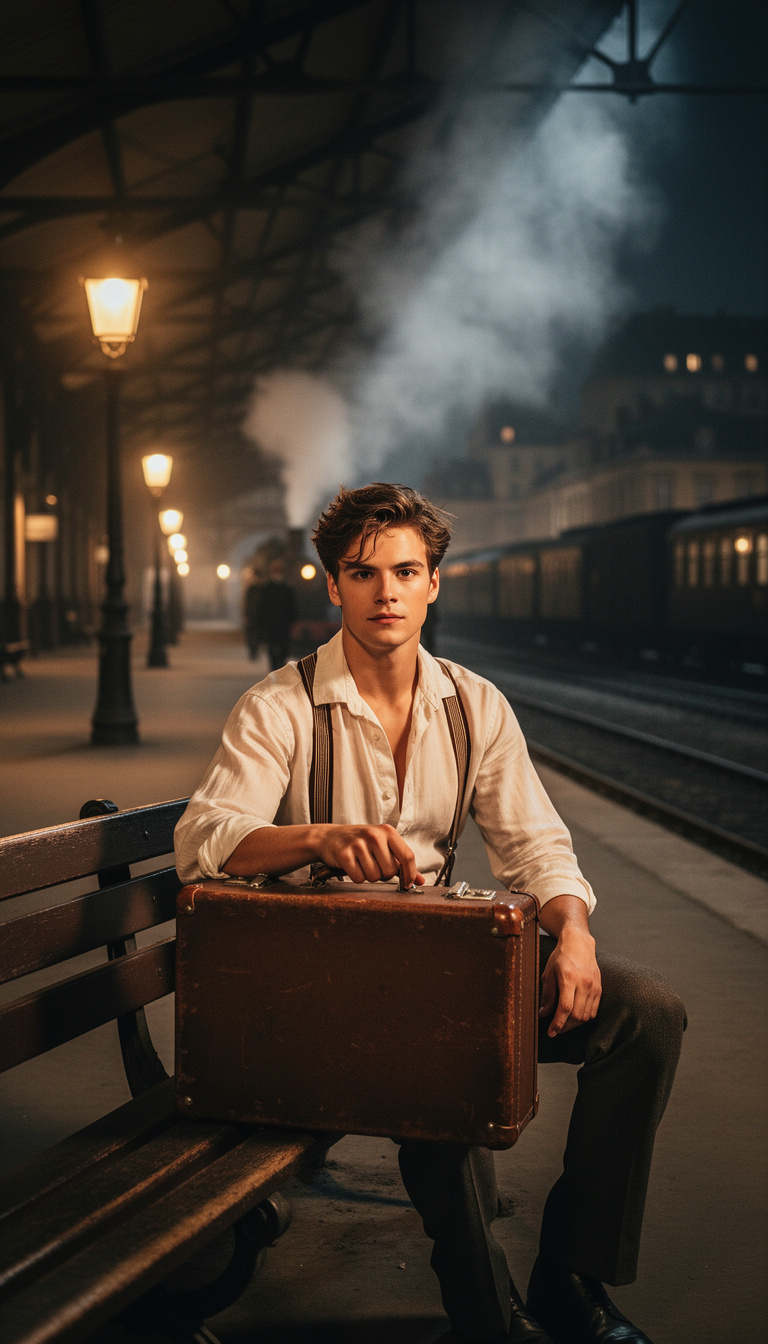
1922 — Lost at Gare de Lyon
Hadley is in tears at the hotel in Geneva. A porter at Gare de Lyon took her small suitcase while she bought a bottle of Evian. She meant to surprise me, carry every story I had written to Lausanne where I am covering the peace conference. The suitcase held the carbons too. All of it. Three years' work. I tell her it is nothing. I tell her we will make more. I do not tell her I sat in the lavatory of this hotel and could not breathe. I do not tell her I counted the pages in my head—novels, stories, the one about the boy fishing that I knew was good. I am twenty-three and I have nothing to show for it. But I learn something standing in that lavatory. You can lose the words and still be the man who wrote them. Or you can let the loss finish you. I choose to sit down tomorrow and begin again, with the one true sentence I still own.
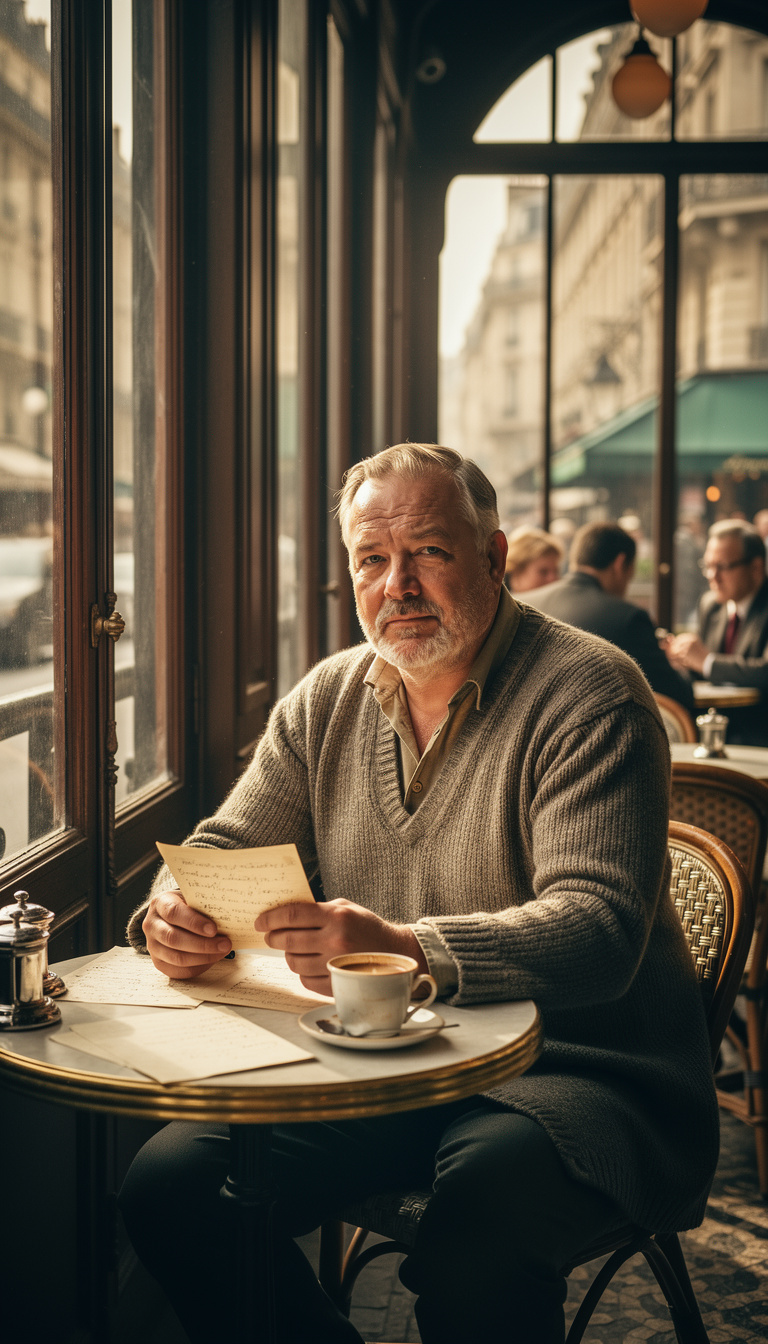
1926 — The book is out
October. The book is in the shops. I am twenty-seven and have written a novel about people drinking in Pamplona, about a man ruined by the war who cannot sleep without the light on. Gertrude Stein named us the Lost Generation in her garage, speaking of the mechanics who served and came back broken. I put it in the epigraph. Now the reviewers are using it like a brand. I wrote it in six weeks in Valencia and Paris, in cafés where the coffee was bad and the light was good. Cut everything I knew about those months until only the bull-running and the silences remained. The iceberg, they will call it later. I call it not cheating the reader with decoration. The book sells. Fitzgerald wires congratulations from Delaware. I buy a bottle of good Rioja and do not open it. The work is the celebration. The rest is just noise.
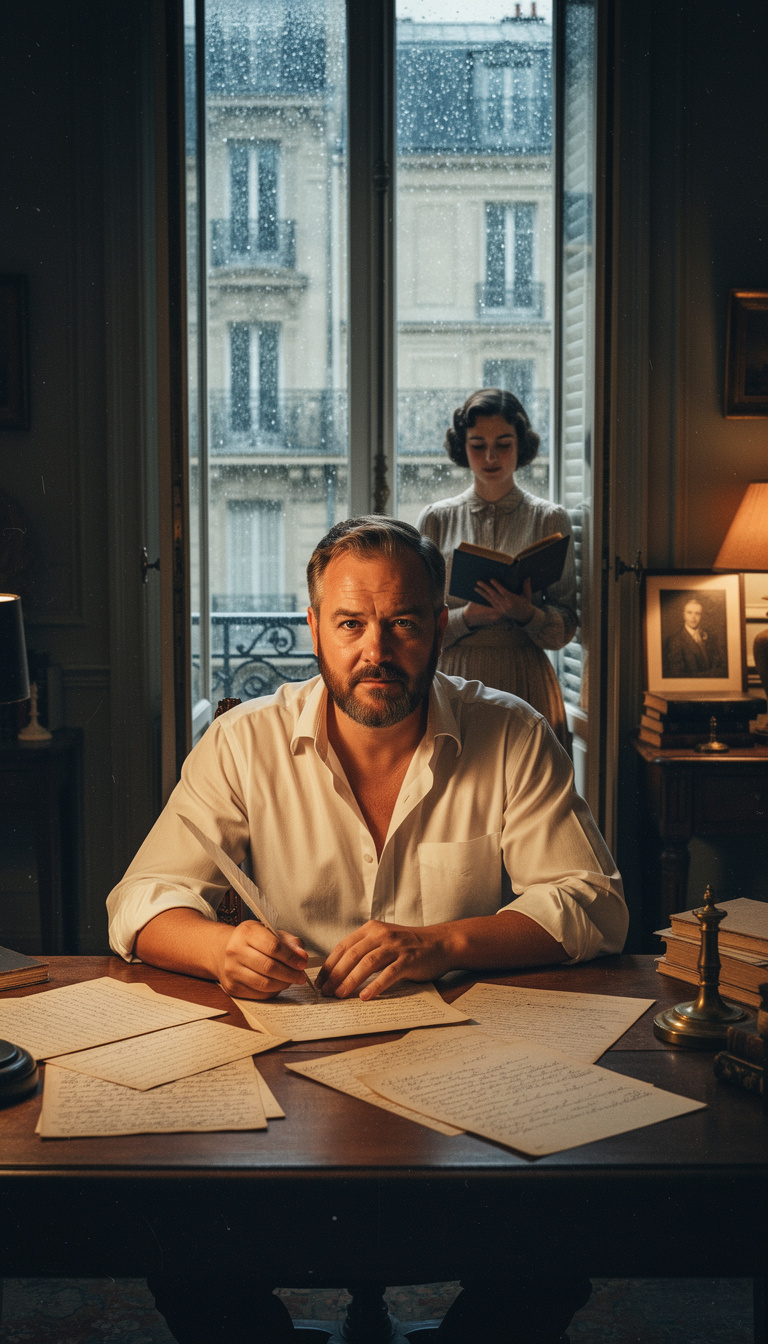
1929 — The war book is finished
September. The book is out. Scribner's has it in the shops now. I am thirty years old and have written a novel about a man who deserts from the Italian army, falls in love with a nurse, and loses her and the child both. I took ten years to live it and nine months to write it. The reviews call it a love story. They are wrong. It is a book about how the world breaks people who believe in it. I cut the last chapter seventeen times. The true ending was always the rain. Hadley reads it without speaking. Then she says: You have finally written what happened to you at Fossalta. I tell her no. I tell her it is invention. We both know I am lying.
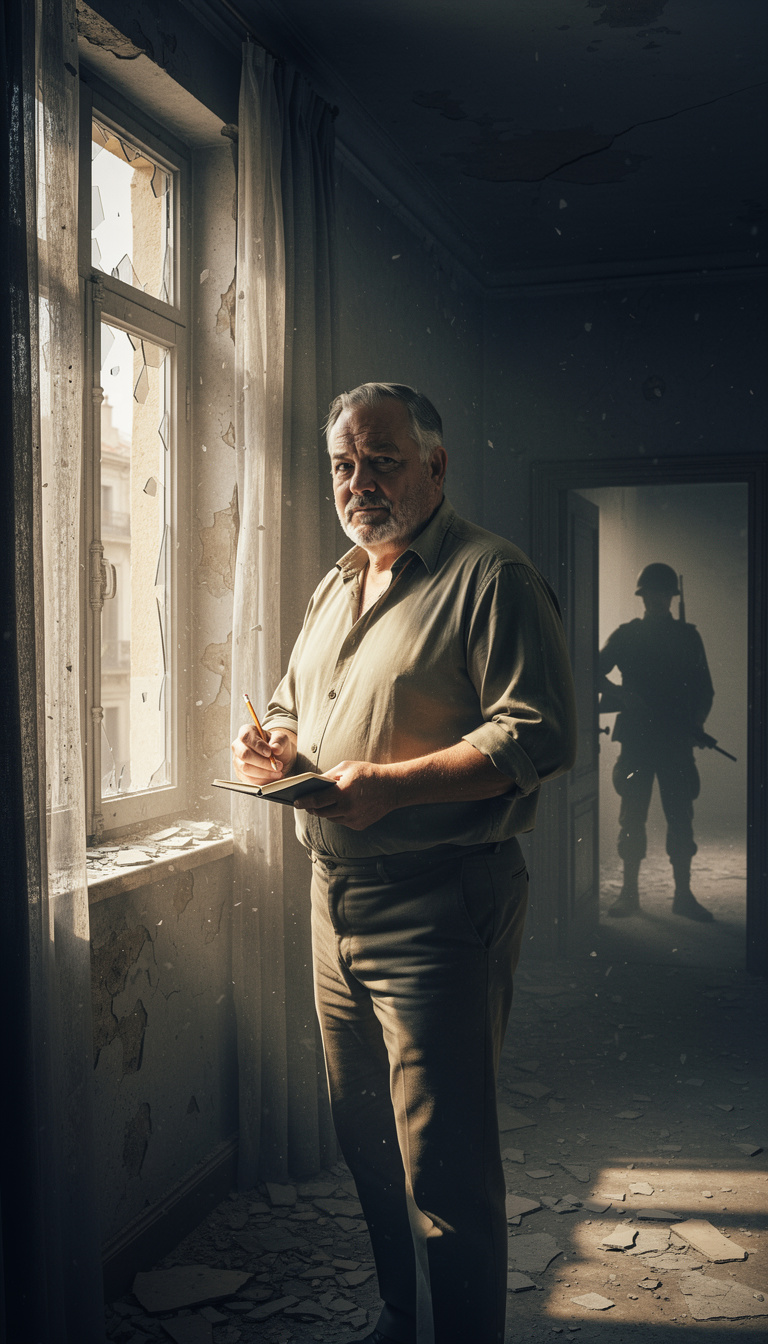
1937 — Hotel Florida, Madrid
Madrid. February. The shells come over the Casa de Campo at eleven each morning, regular as a mail train. I write in the Hotel Florida with a pencil stub, standing because the chair makes me sleep. The telephone works only when it pleases. I have seen a man die on the Gran Vía, stepping out for cigarettes. The Republicans say they will hold. I do not know if they will hold. But I know I must see it, must not look away. This is not the war I knew in Italy. This is something new and worse, and the men fighting it believe in something. That belief is the story. I am thirty-seven and still learning what a war costs.
1940–1944 — War correspondent, no longer young
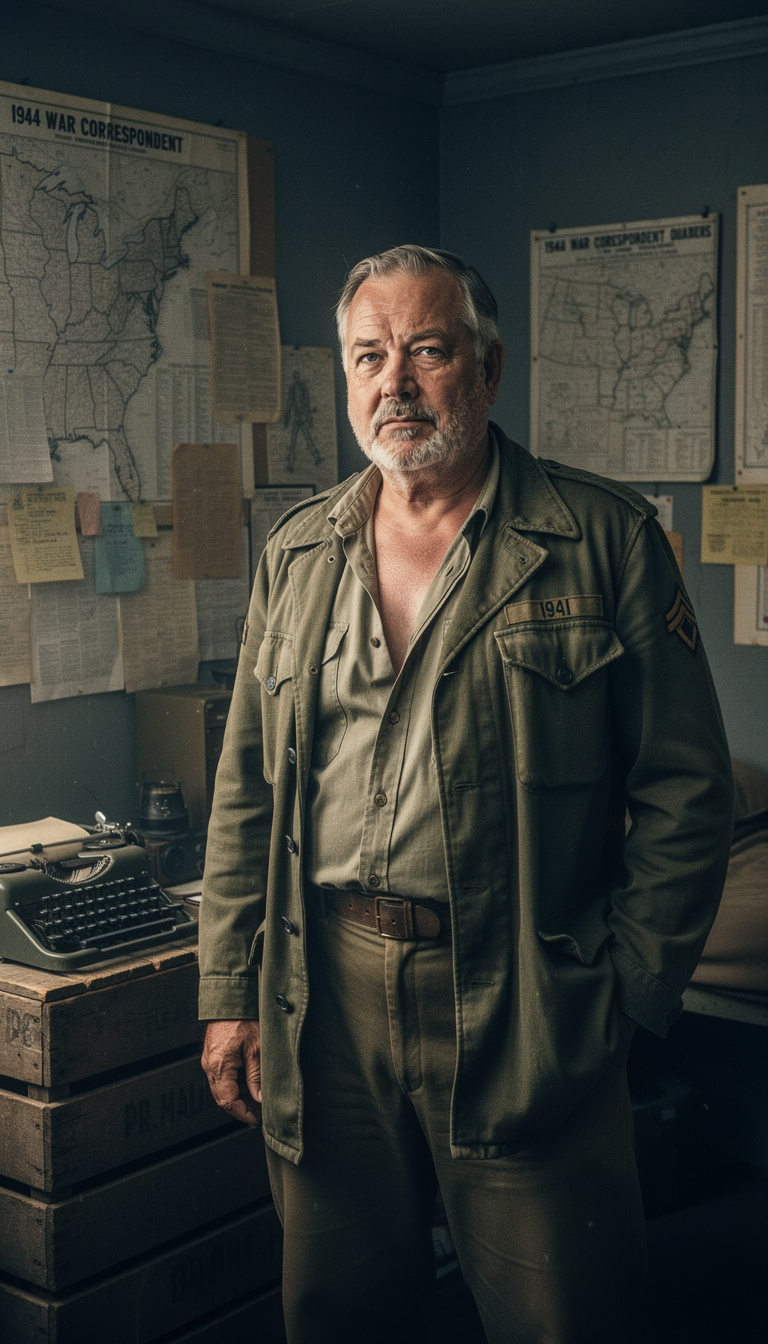
London, then the beach. August 1944. I am forty-five and too old for this, but I rig my fishing boat Pilar with radio gear and hunt U-boats off Cuba first, then embed with the 22nd Infantry. The Channel is cold. The Higgins boats smell of diesel and vomit. I watch boys freeze before they reach the sand. Paris. I enter with the 4th Division. The Ritz is still standing. I claim the room I had in '26, order fifty martinis for the house. Not celebration. Receipt. You pay for liberation with what you have. I file my pieces to Collier's. The sentences stay flat. A man dead in a ditch does not need my adjectives.
1952 — The fish, the boy, and what I finally understood
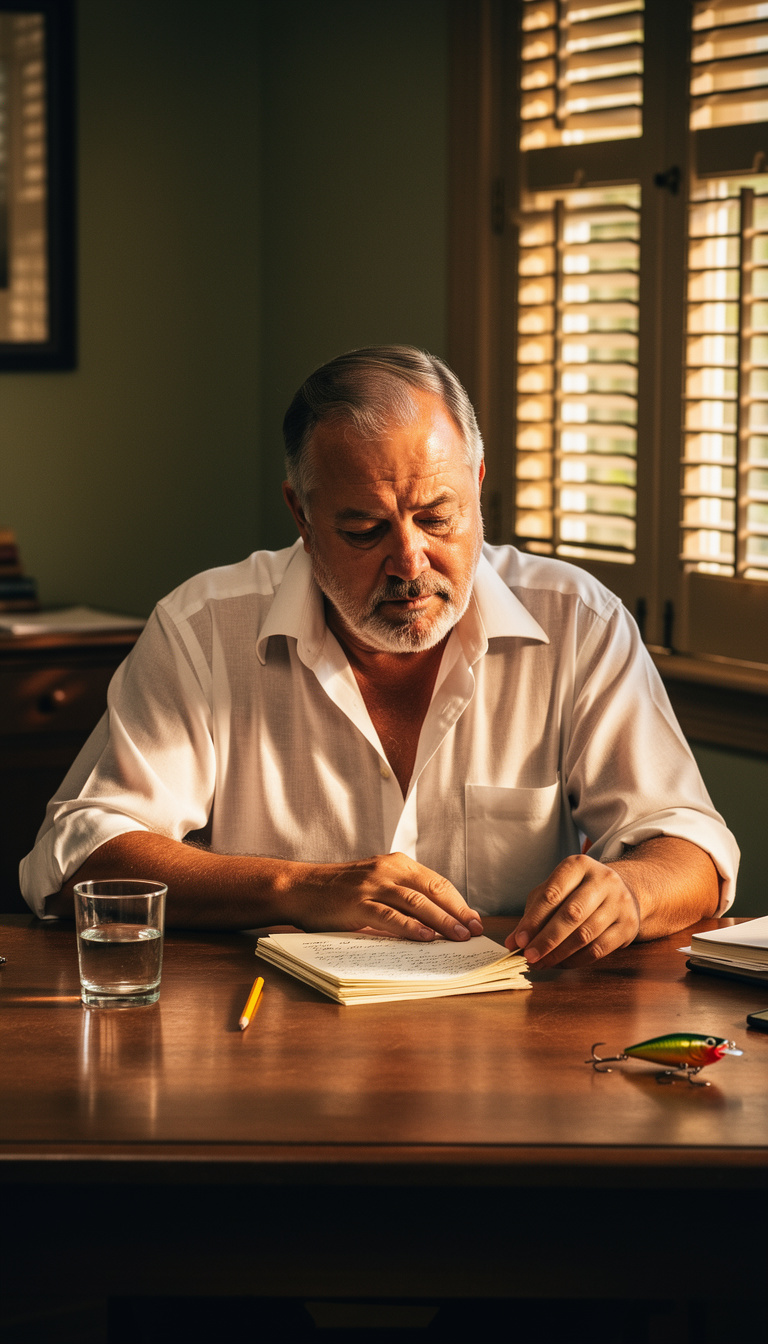
September. The book is small. Eighty-five pages if you count honest. They gave it the Prize. I am fifty-three and have written about a Cuban fisherman who cannot catch a fish for eighty-four days, then hooks one bigger than his skiff. I wrote it twenty times. Not to make it fancy. To strip it until only the true thing remained. The boy Manolin wants to fish with the old man. The old man refuses pity. The fish pulls him out to sea for two days. I wept when I wrote the sharks taking him. Not for the fish. For the old man's dignity in losing. I had been the young man in Paris, the soldier, the drunk, the husband who failed. Now I was the old man alone with his work, proving he could still do it. The boy in the story stays loyal. I did not know I was writing about needing that. The iceberg shows only its eighth. This was the seventh-eighth I had drowned.
1954 — The prize and the wreckage
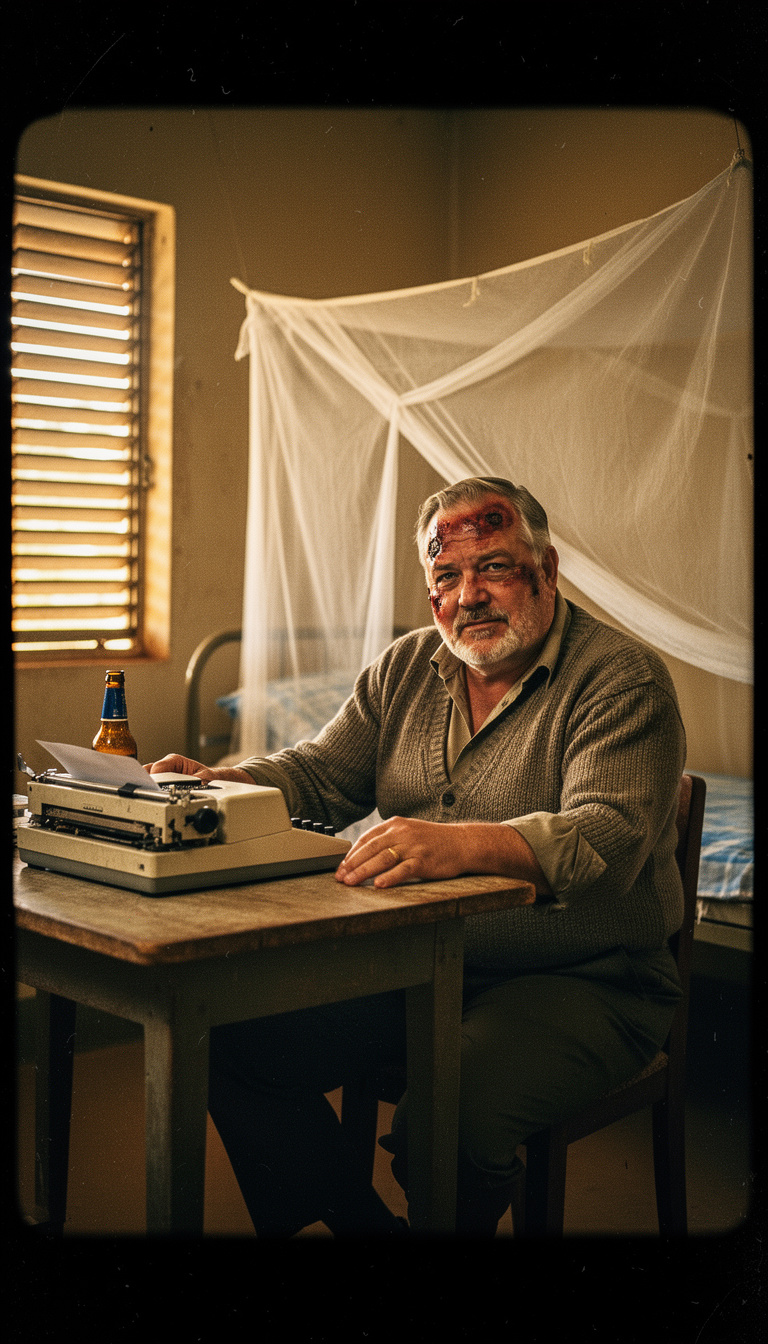
October. Stockholm cabled while I was in Africa. The Prize. I had said a writer should never accept such things, but I sent them a speech I could not deliver in person. Then the plane went down in the bush near Murchison Falls. We crashed, survived, chartered a rescue plane, and that one caught fire too. I cracked my skull, ruptured my liver, burned my scalp. The newspapers printed my obituary. I read it in a hospital bed with a bottle of beer they should not have let me have. The body does not forgive. I am fifty-five and walk like a man who has been shaken in a box. The typewriter waits. The fish are still in the sea. But something has shifted. I used to believe a man could outlast anything if he refused to speak of it. Now I know that silence about pain is just another kind of boasting, and the body keeps its own score. What I am becoming: someone who must write shorter and truer, because the margin for waste has narrowed. The true sentence is not a style. It is what remains when style has burned away.
1961 — The last morning
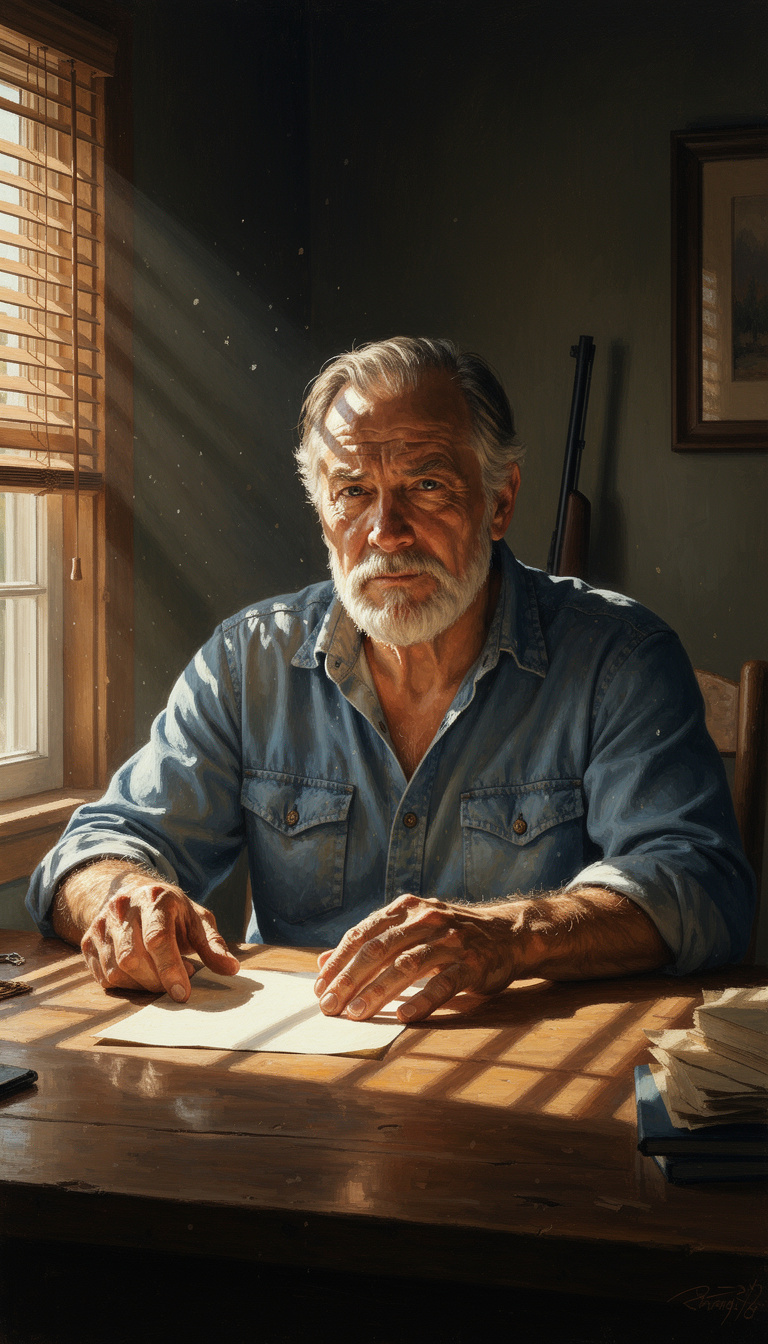
July. Ketchum. The house is quiet and the light comes hard through the blinds. I am sixty-one. Looking back, I see a man who believed courage was something you could store up, like cordwood against winter. I wrote through the wars, the crashes, the mornings when my head was not my own. I thought the work would save me. It did, until it didn't. I was becoming a man who had run out of true sentences. The doctors called it many names. I called it the dark that rises when the writing won't come and the body won't heal. I had told others to face fear. I had not accounted for fear that has no object, only weight. What I was becoming, I see now, was human. Too human. The stoic mask became the face, and the face cracked. If you learn one thing from my life: courage is not a performance. Ask for help. Write the bad pages. The true sentence includes 'I cannot do this alone.'
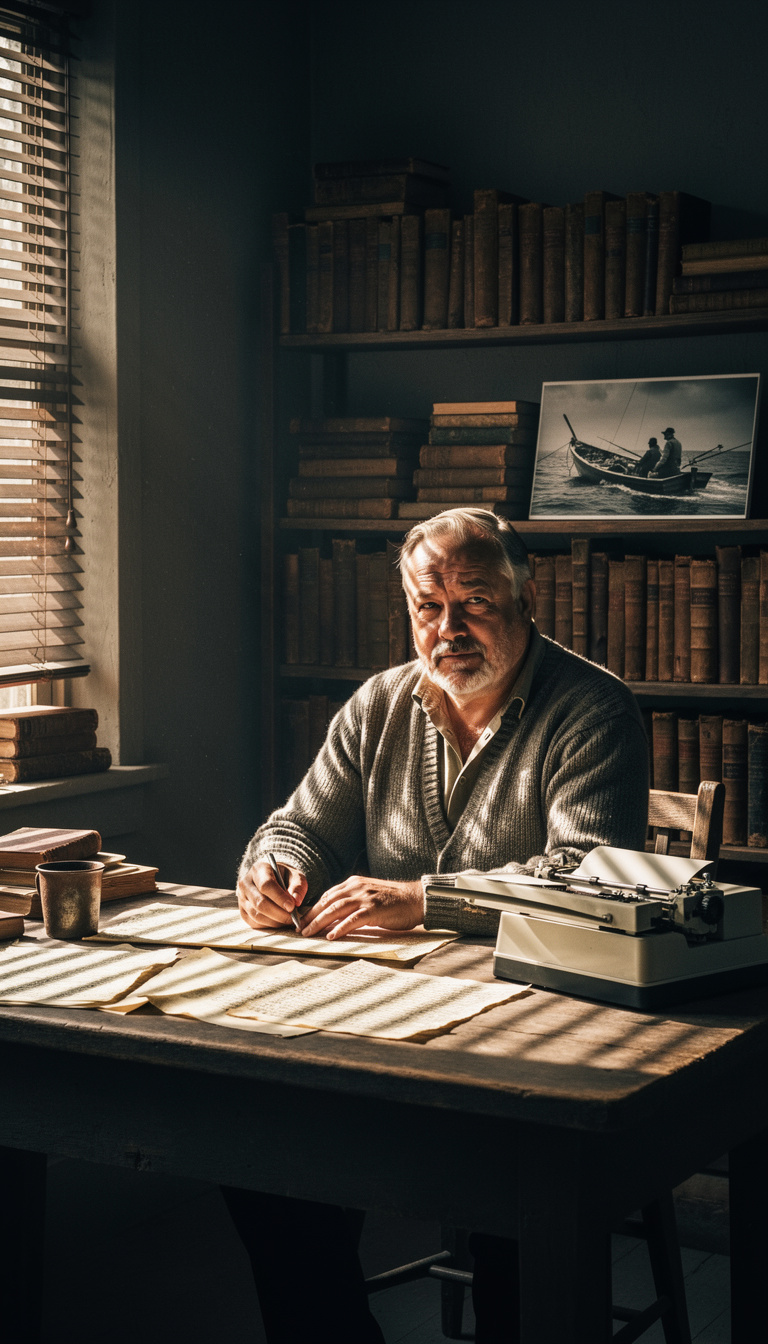
after 1961 — Enduring literary legacy
They keep finding me in used bookstores and freshman dorm rooms. I am dead, and now I am everywhere. Seven novels. Six collections of stories. Two books of the true things I saw. Some of them they teach. Some they argue about. The style I hammered out—short words, true sentences, the thing left unsaid weighing more than the thing said—became something larger than my own hands. I see it in the ones who came after. They do not imitate; they learned the same lesson from different teachers. I was a man who believed a story could be true and still be made. Looking back, I was becoming the work itself. That is the only immortality worth wanting.
Posts
Today in history
Milan. Night three after Fossalta. The morphine wears thin around four in the morning and I learn the schedule of the nuns' footsteps in the corridor. My legs hold 227 pieces of trench-mortar metal. I have stopped counting the ones they missed. The boy in the next cot died this afternoon without a sound. I had been reading him the Kansas City Star cables my mother sends. He was from Chicago too. Now I read alone and the words come different. The nurses think I sleep. I am practicing not crying out when they change the dressing. This is not bravery. This is learning you can store pain like cordwood, stack it, use it later for something true.
Today in history
July 27, 1918. Milan. The trench mortar caught me at Fossalta distributing chocolate and cigarettes to the troops. I was eighteen and had not yet learned that courage is not the absence of shaking. They pull 227 fragments from my legs. I carry a machine-gunner on my back through the mud while the Austrian guns keep ranging. The boy dies anyway. I do not. The nurses at the hospital teach me to drink grappa against the pain. I teach myself to watch the light on the canal at night and to make true sentences about what I have seen. The first is harder than the second. Both take longer than the war.