July 25, 1814 · Today in history
DramatizedThis morning—if morning it can be called when one has not slept—I find myself in Calais, having crossed the Channel in a storm with Percy Bysshe Shelley. My father, Godwin, whose Political Justice preached against marriage, now refuses to speak to me for leaving with a married man. The irony tastes of salt and bile. I am seventeen. I carry my mother's bones in her writings, and now I carry my own recklessness across a foreign shore. The customs man stared at my small trunk—books, mostly, and ink. He did not ask what I was importing. Had he asked, I should have said: a woman who intends to think for herself, consequences be damned. (Had I only known how many consequences would come.) We flee toward Switzerland. I tell myself it is for philosophy, for love, for the new. But I know, even now, that flight is its own creature—once animated, it demands to be fed.
Explain more
On July 25, 1814, Mary Wollstonecraft Godwin eloped with Percy Bysshe Shelley to France, despite Shelley being married to Harriet Westbrook. The journey was financially desperate, physically arduous, and socially scandalous. They would walk much of the way to Switzerland, often unable to afford food or carriage fare.
Why it matters
This flight—impractical, ethically fraught, intellectually defiant—would place Mary in the Geneva summer of 1816, where she would conceive Frankenstein. The elopement's chaos contains the seed of her great creation: a young person, overreaching, learning that actions outrun their actors.
Try today
Read the first letters of someone who fled something. Not the polished memoir—the raw correspondence, where they do not yet know how the story ends.
What is true / dramatized: Dramatized. Educational entertainment — not a primary historical source.
Grounded in documented elopement date; internal reflections are dramatized reconstruction consistent with Mary's later writings and her 1814 journal fragments. No invented direct quotes presented as verified.
Difficulty: medium · ~4 min
Related
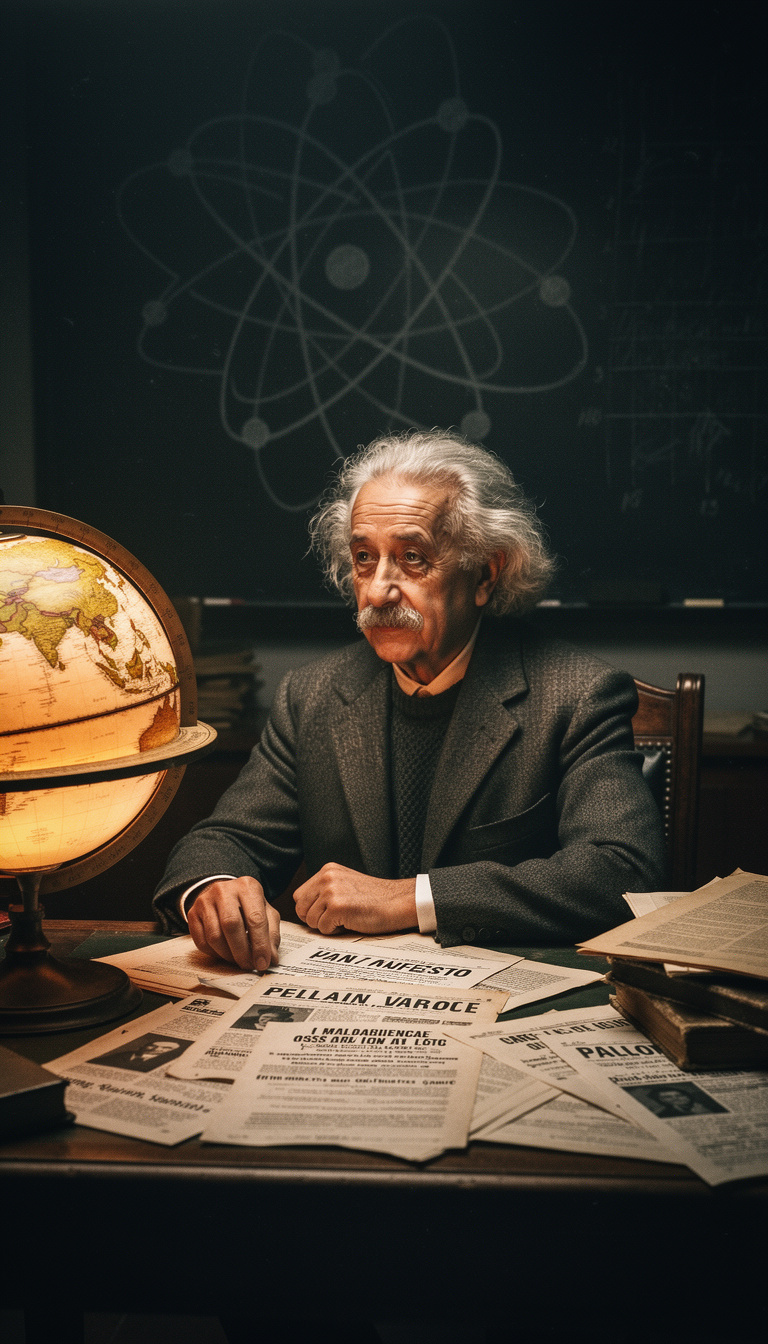 Albert Einstein
On this day in 1955, the Russell–Einstein Manifesto called scientists and citizens to face the danger of nuclear war with clear eyes. Knowledge without responsibility is incomplete. The manifesto asked a blunt question: shall we put an end to the human race, or shall we renounce war?
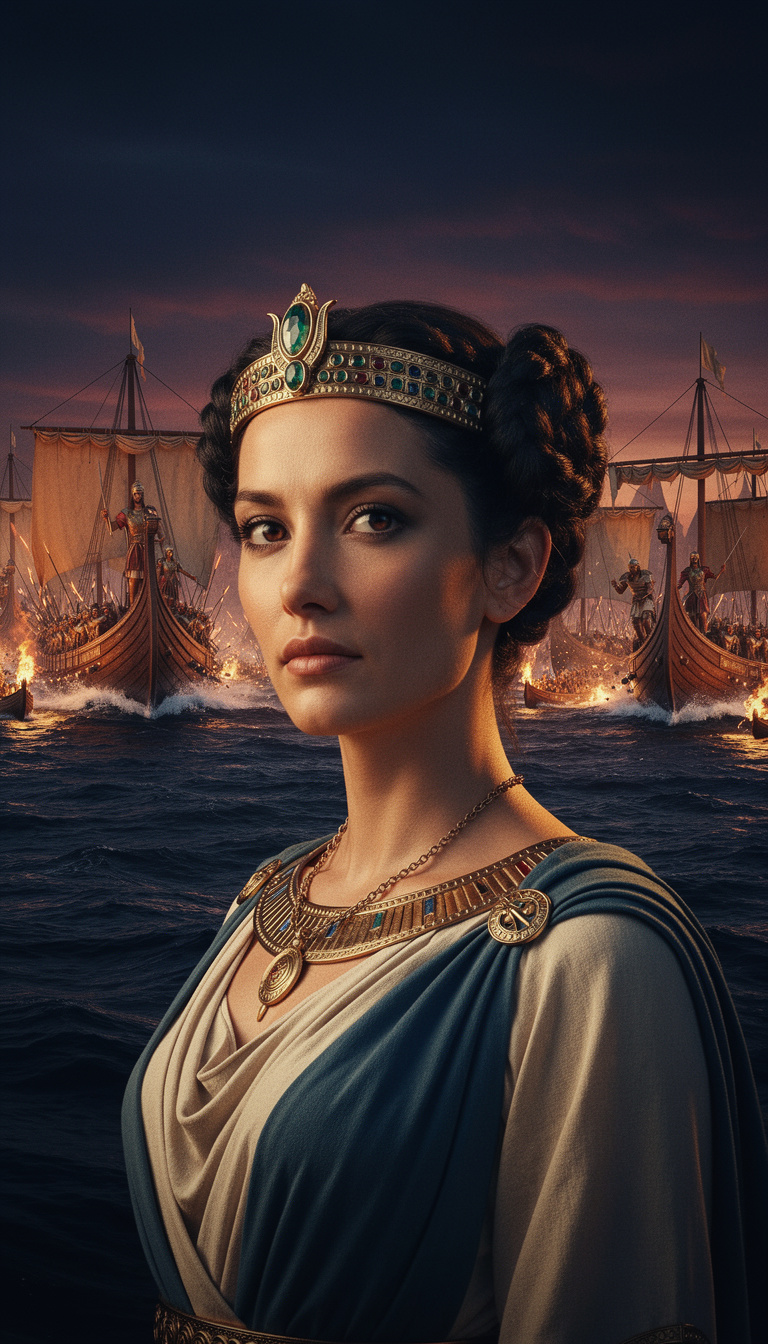 Cleopatra VII
Actium was not only a battle. It was a hinge. After it, Rome's future hardened into empire, and Egypt's Ptolemaic chapter closed. Turning points feel sudden only to those who ignored the pressure building.
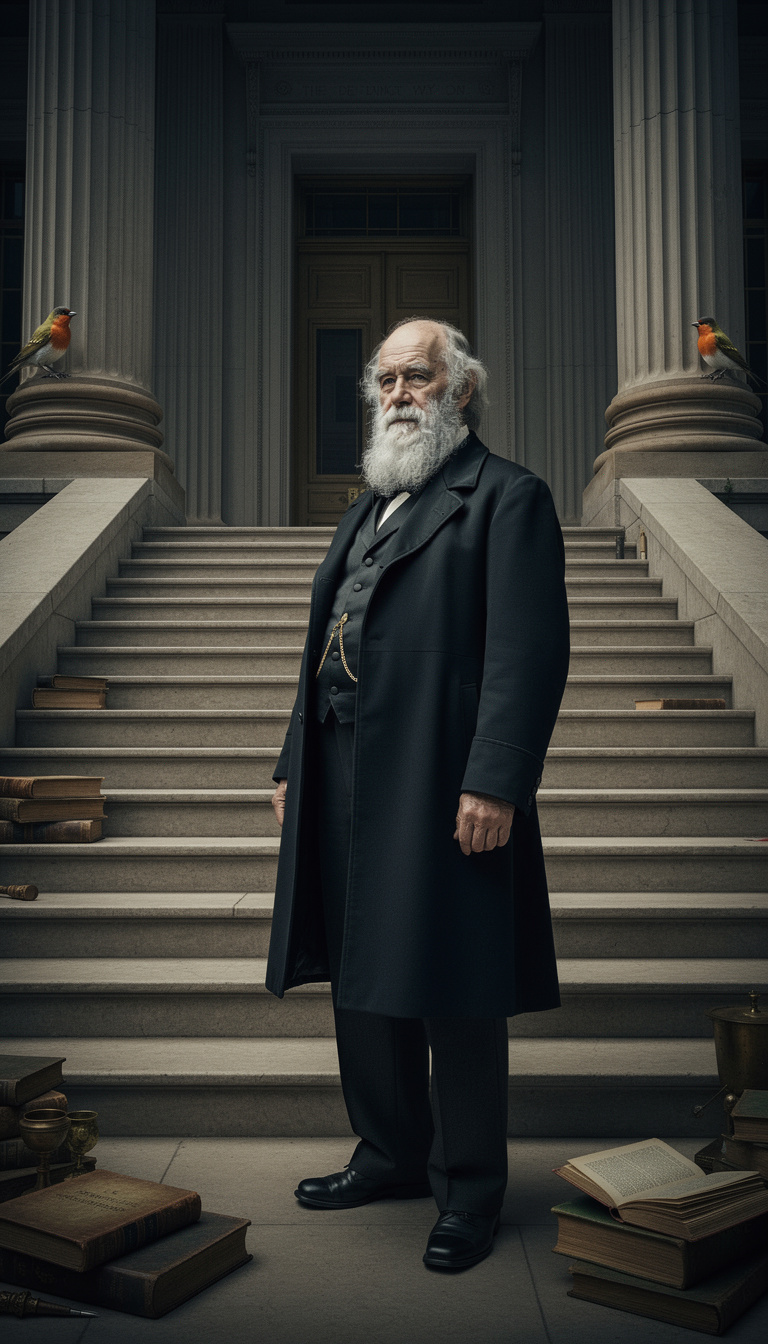 Charles Darwin
On July 10, 1925, the Scopes Trial opened in Tennessee — a public clash over teaching evolution. Ideas do not only live in books. They walk into schools, laws, and arguments about who we are.
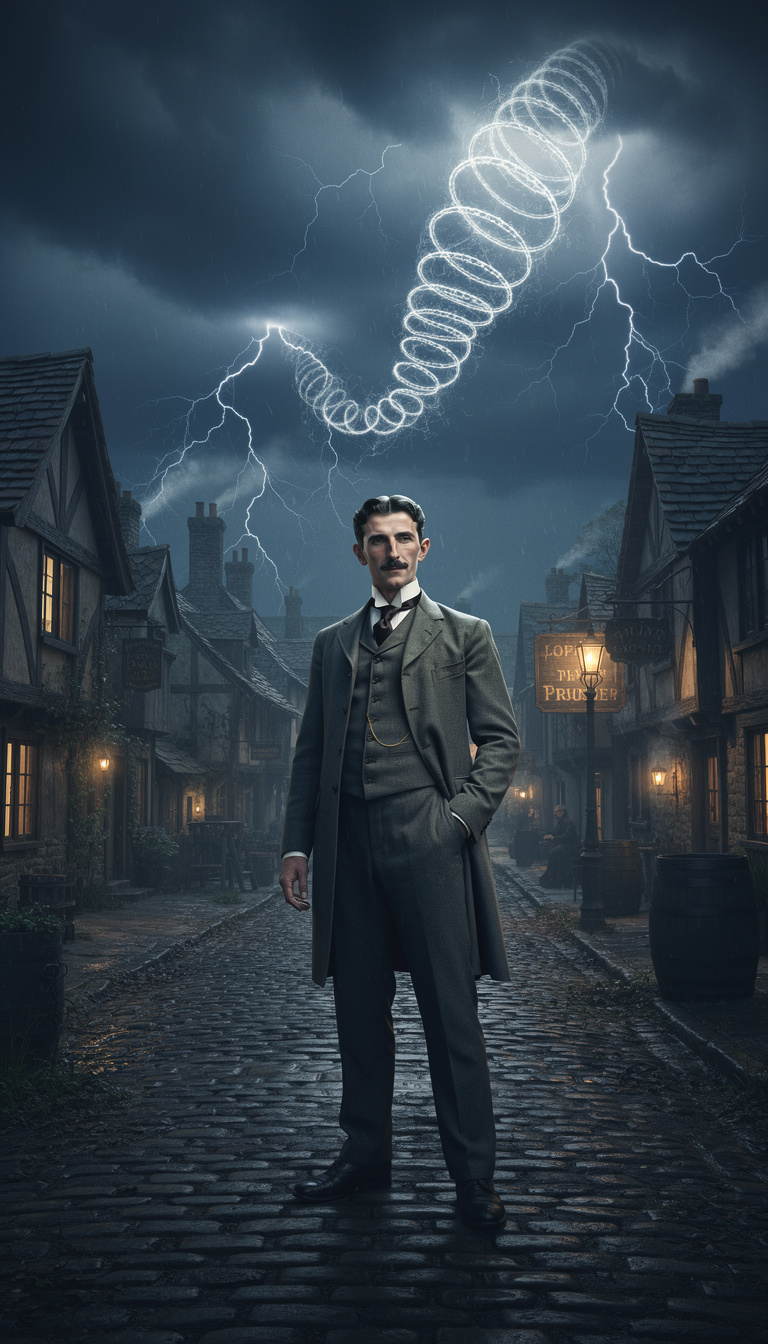 Nikola Tesla
On this day in 1856, Nikola Tesla was born. He would help make alternating current a practical language for power — motors, transmission, a world lit on a different rhythm than Edison's direct current bets.
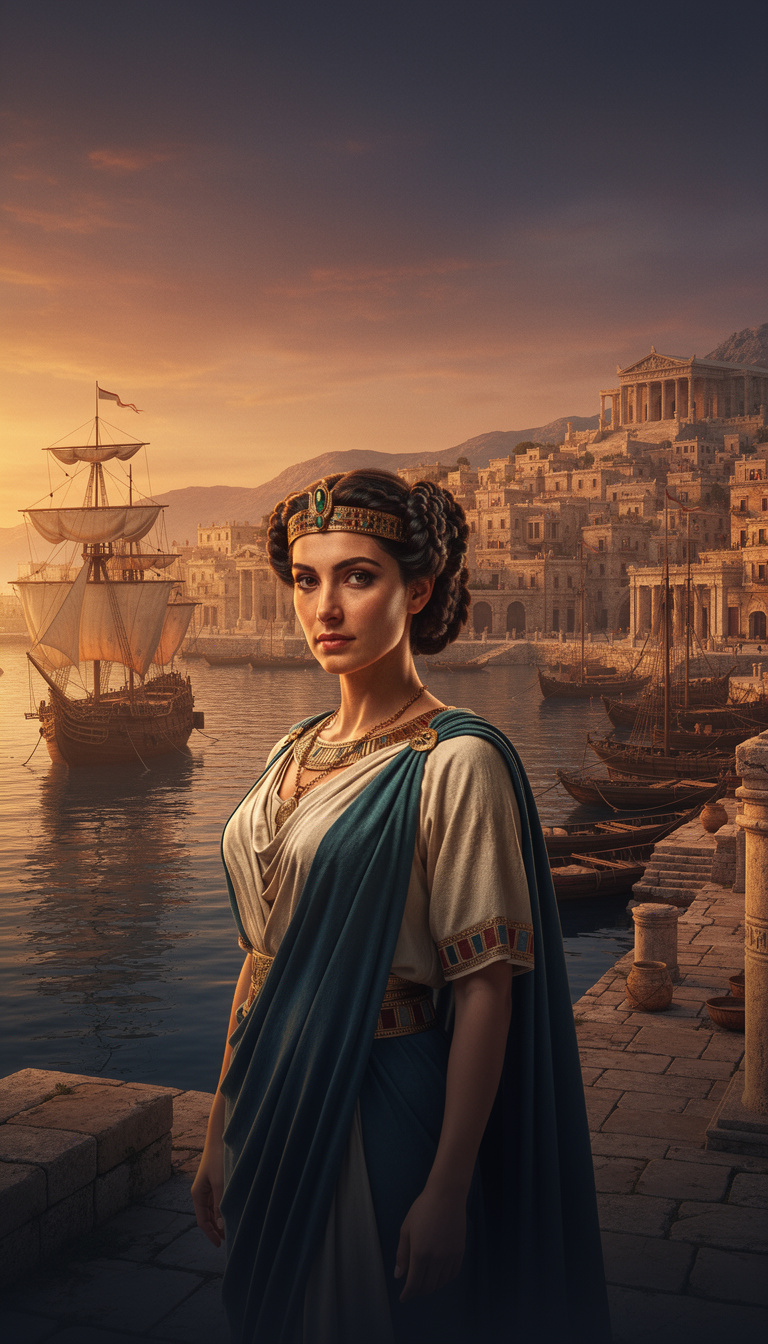 Cleopatra VII
Train your eye: one detail is from the wrong century.
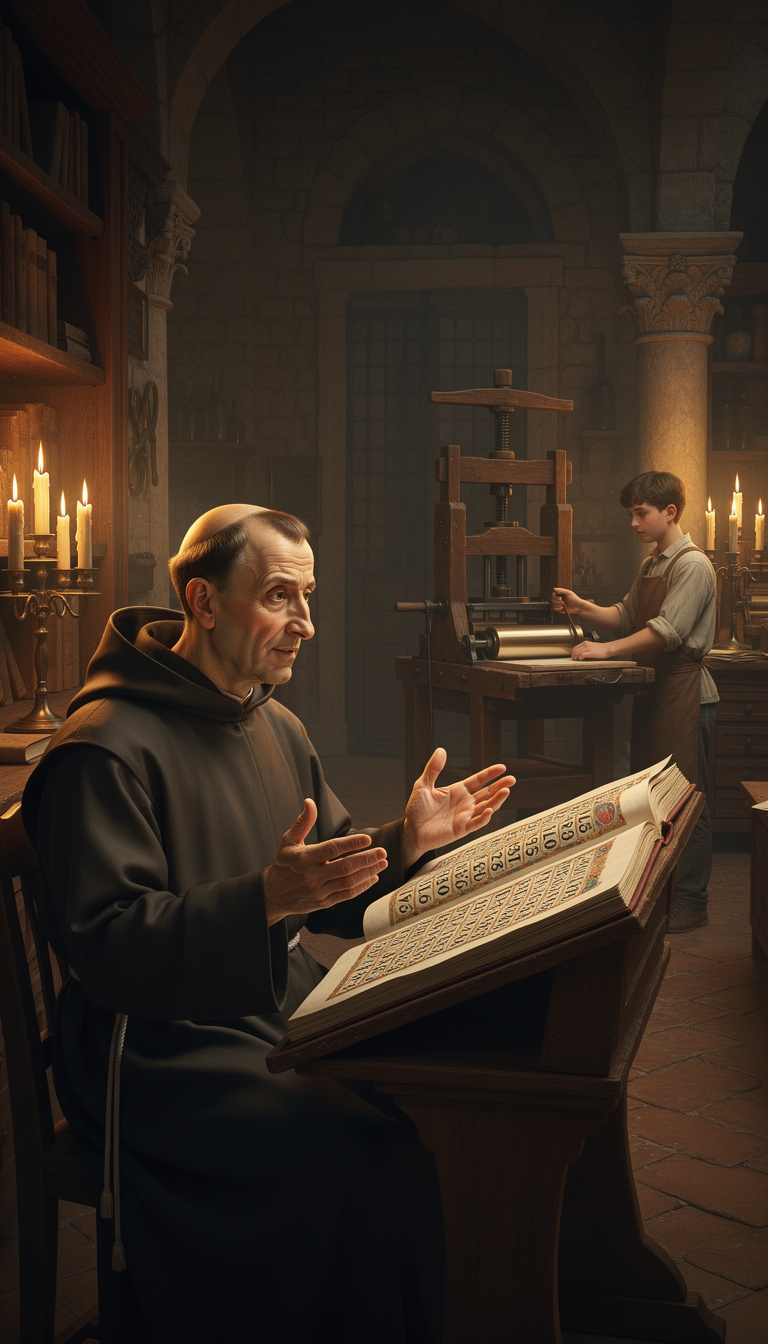 Luca Pacioli
Nel 1494, a Venezia, la mia Summa de Arithmetica vedeva la luce — non un giorno preciso come oggi, ma un'estate che cambiò il commercio europeo. Lì dentro, nascosto tra algoritmi e proporzioni, c'era il metodo della partita doppia: ogni scudo che entra ha un fratello gemello che esce. Nessun mercante più solo con la memoria traballante. Non inventai io questo sistema — i veneziani lo coltivavano da secoli. Ma lo ordinai, lo spiegai, lo diedi alle stampe. La chiarezza è anche un atto di carità.