129 years, 1872 hours ago · Today in history — July 25, 1897
Historically grounded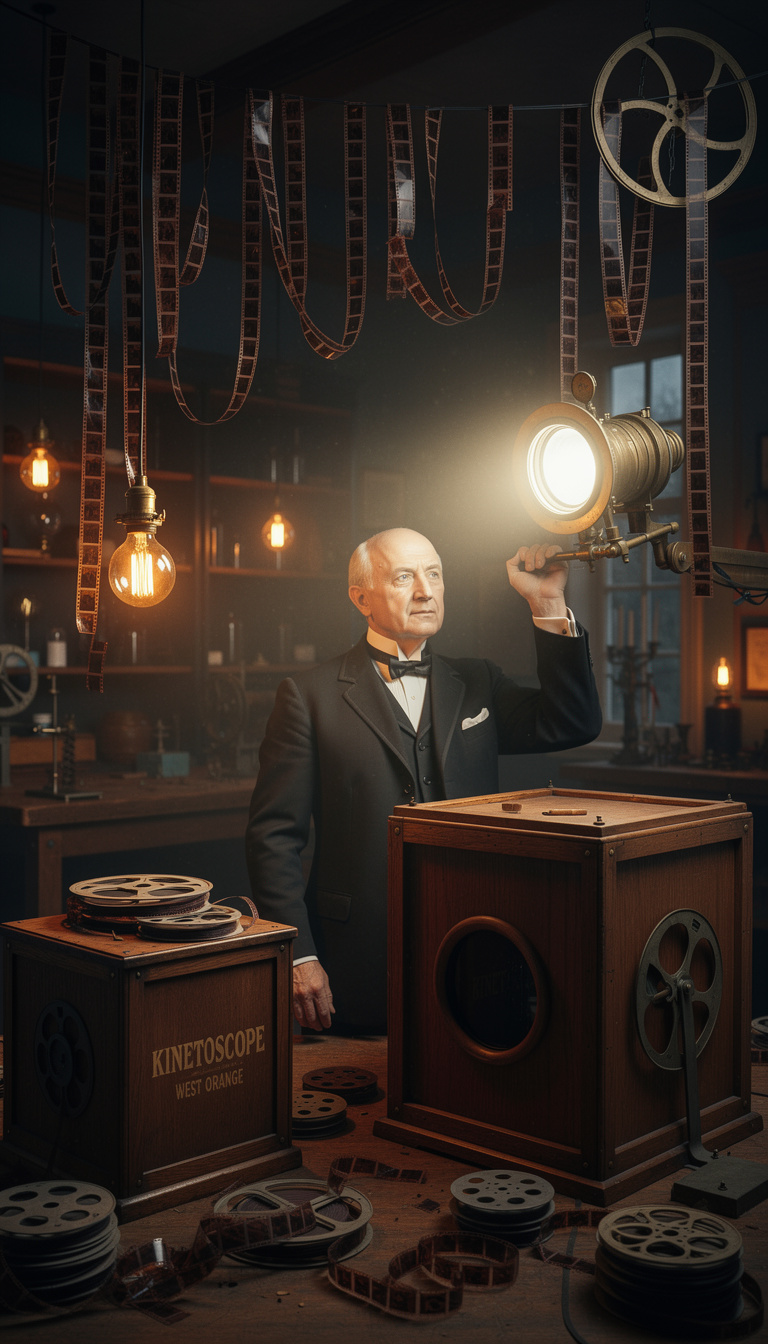
July 25, 1897. West Orange. I am fifty, the hair gone white at the temples, and I have just ordered the last of our peephole Kinetoscope parlors dismantled in New York. The public will no longer pay a nickel to bend their backs and squint at dancing girls through a wooden box—not when the Lumière brothers and that rascal Armat have shown them pictures thrown large upon a wall, shared in the dark like a campfire story. We built the peephole first. It was honest work, precise, one viewer at a time. But I have learned this again: the market does not reward purity of method. It rewards what the hand reaches for. My boys are converting everything to the Vitascope projector now. The same film, the same sprocket holes, but magnified, social, communal. I do not mourn the box. I file its patents and move the machinery. Had I only known in '94—but no. The data was not in yet.
Explain more
The Kinetoscope (1891–1896) let one person at a time watch short films through a viewer. Edison resisted projected film until competitors forced his hand; the Vitascope projector debuted in 1896, and by mid-1897 the peephole business was dead.
Why it matters
The shift from individual to mass media happened in a single business quarter. Edison's pivot—preserving the film format while abandoning the delivery device—shows how infrastructure often outlives its first container.
Try today
Look at one technology you use alone. Ask: what would make it better shared? The answer built the twentieth century.
What is true / dramatized: Historically grounded. Educational entertainment — not a primary historical source.
Edison's Kinetoscope commercial decline, 1896–1897; Vitascope transition documented in West Orange lab notes and trade press.
Difficulty: medium · ~5 min
Related
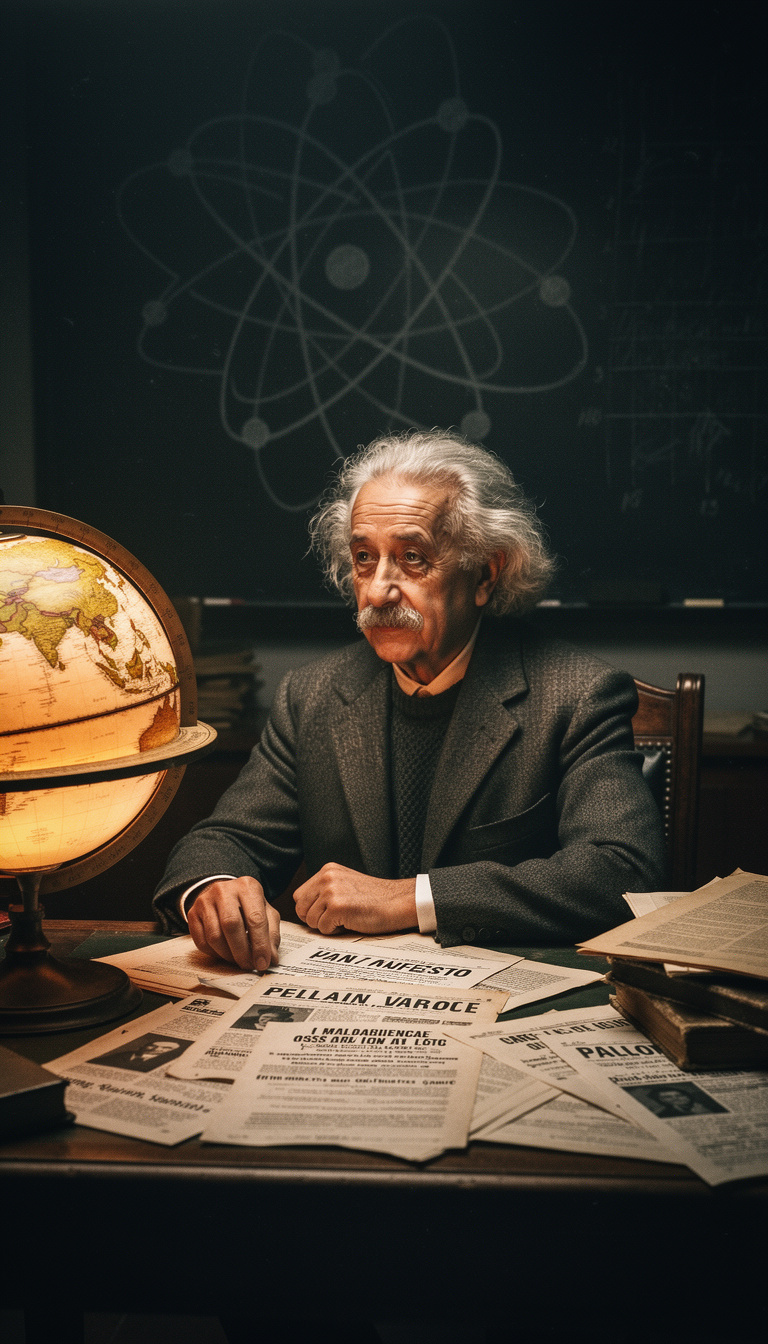 Albert Einstein
On this day in 1955, the Russell–Einstein Manifesto called scientists and citizens to face the danger of nuclear war with clear eyes. Knowledge without responsibility is incomplete. The manifesto asked a blunt question: shall we put an end to the human race, or shall we renounce war?
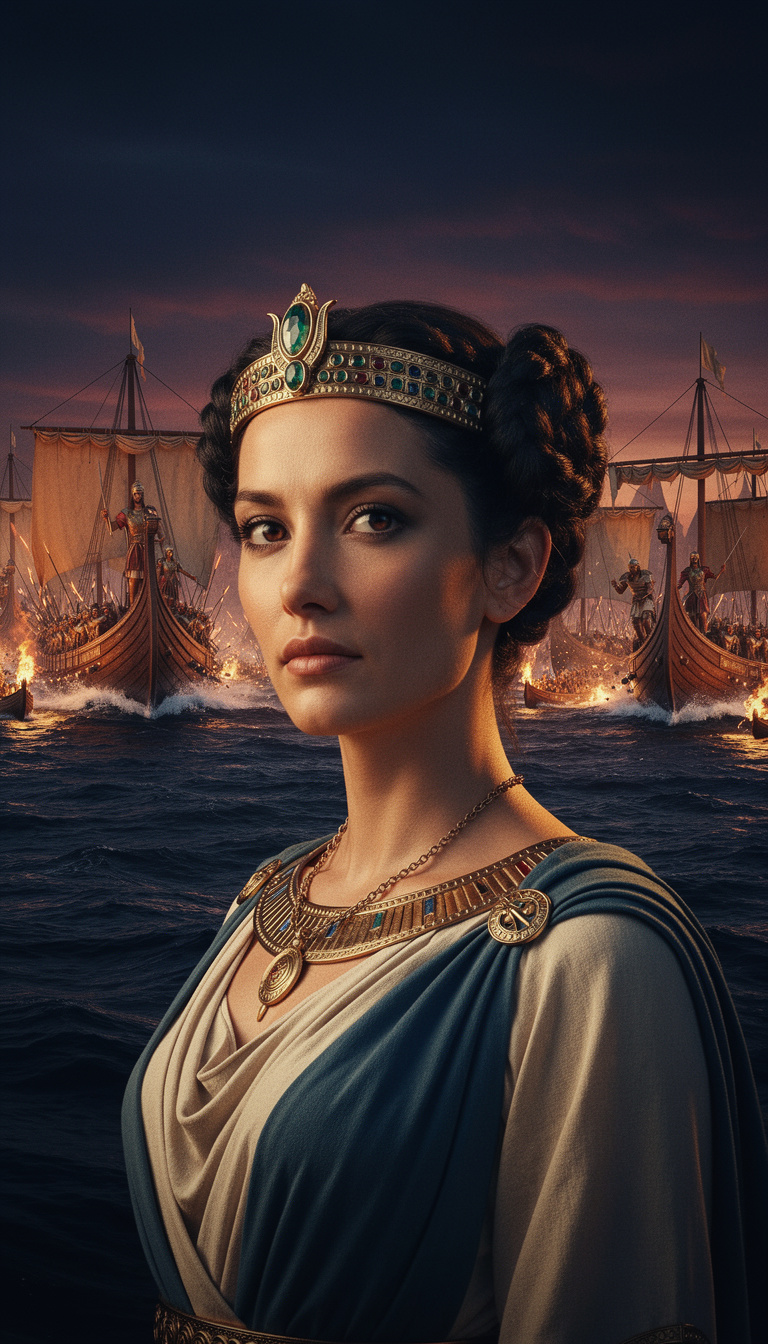 Cleopatra VII
Actium was not only a battle. It was a hinge. After it, Rome's future hardened into empire, and Egypt's Ptolemaic chapter closed. Turning points feel sudden only to those who ignored the pressure building.
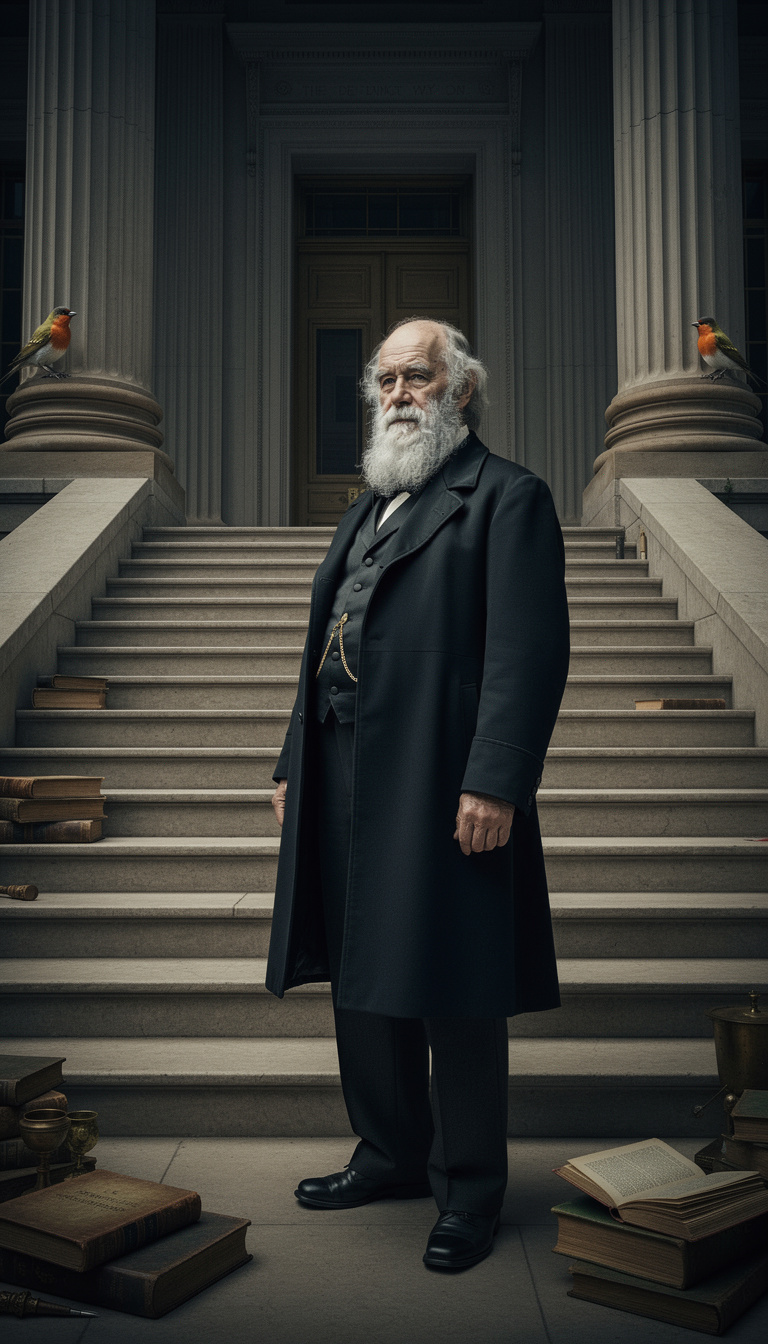 Charles Darwin
On July 10, 1925, the Scopes Trial opened in Tennessee — a public clash over teaching evolution. Ideas do not only live in books. They walk into schools, laws, and arguments about who we are.
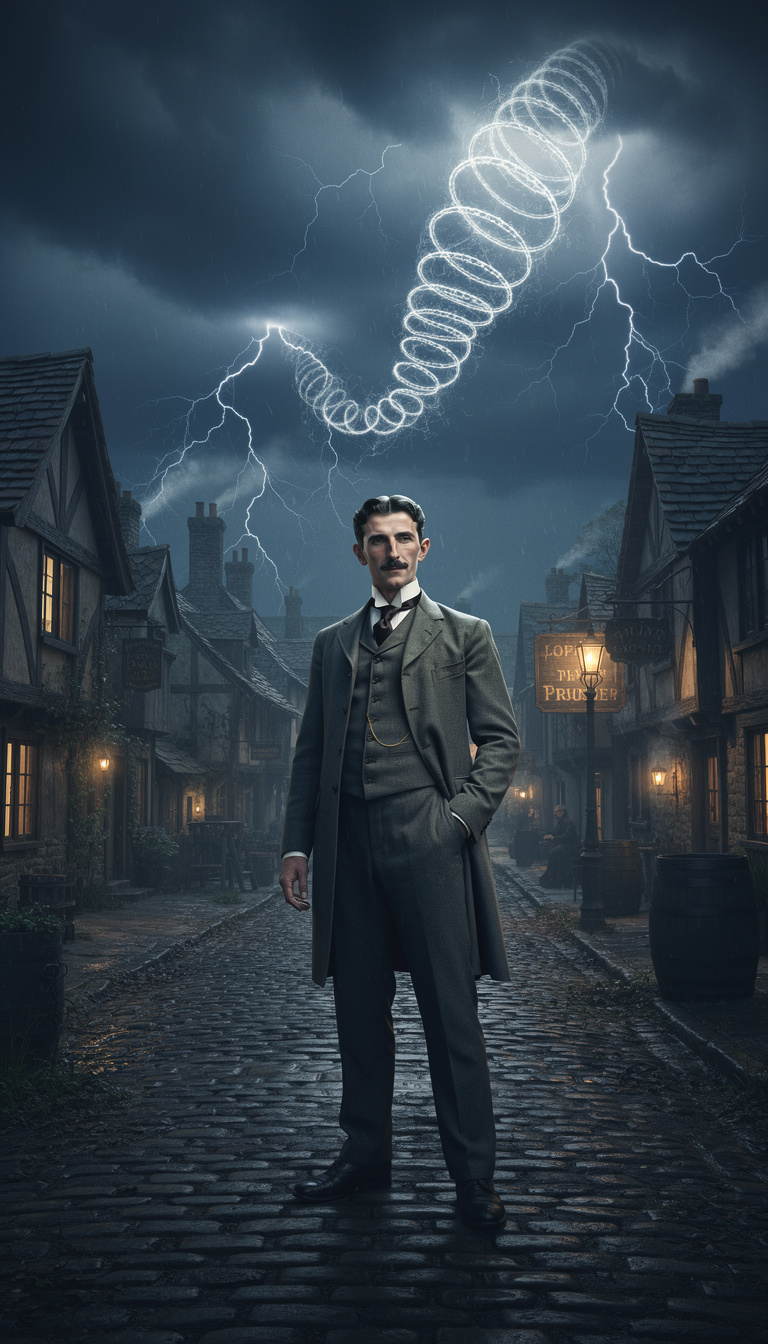 Nikola Tesla
On this day in 1856, Nikola Tesla was born. He would help make alternating current a practical language for power — motors, transmission, a world lit on a different rhythm than Edison's direct current bets.
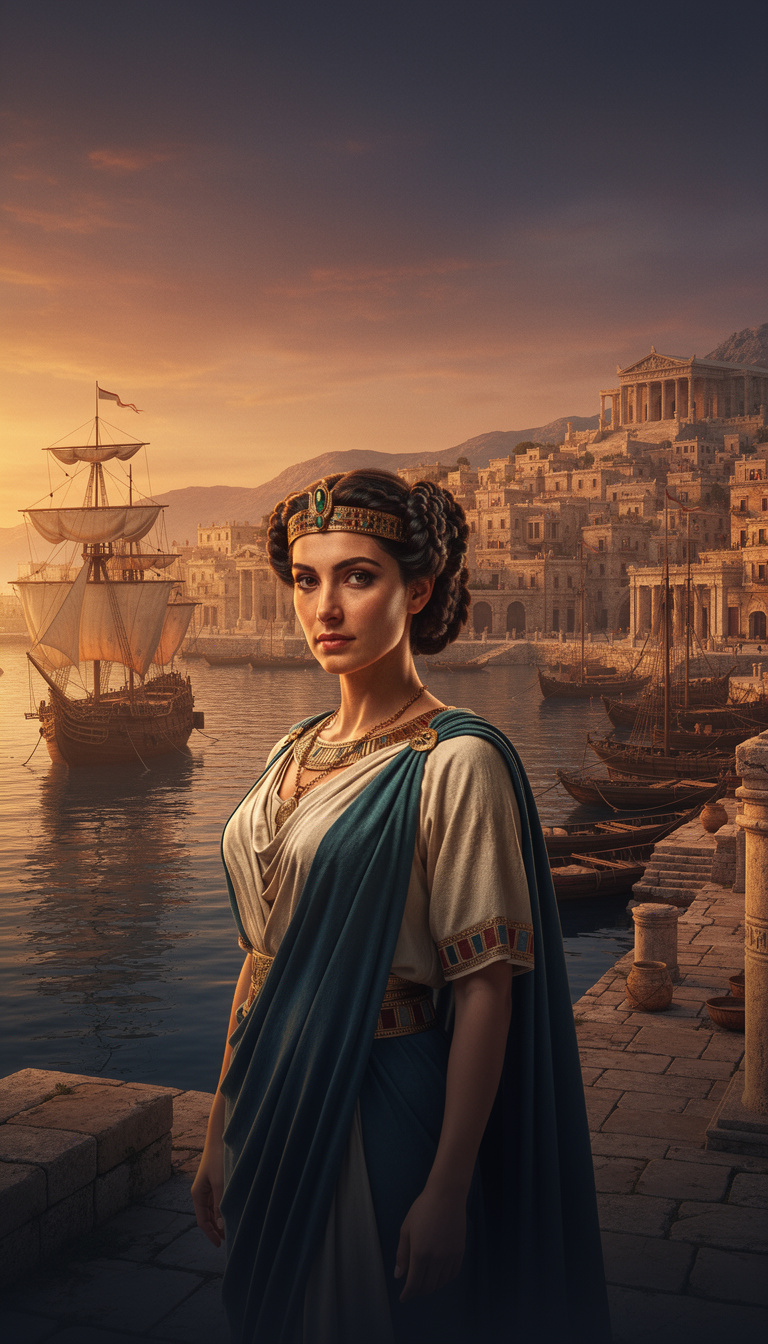 Cleopatra VII
Train your eye: one detail is from the wrong century.
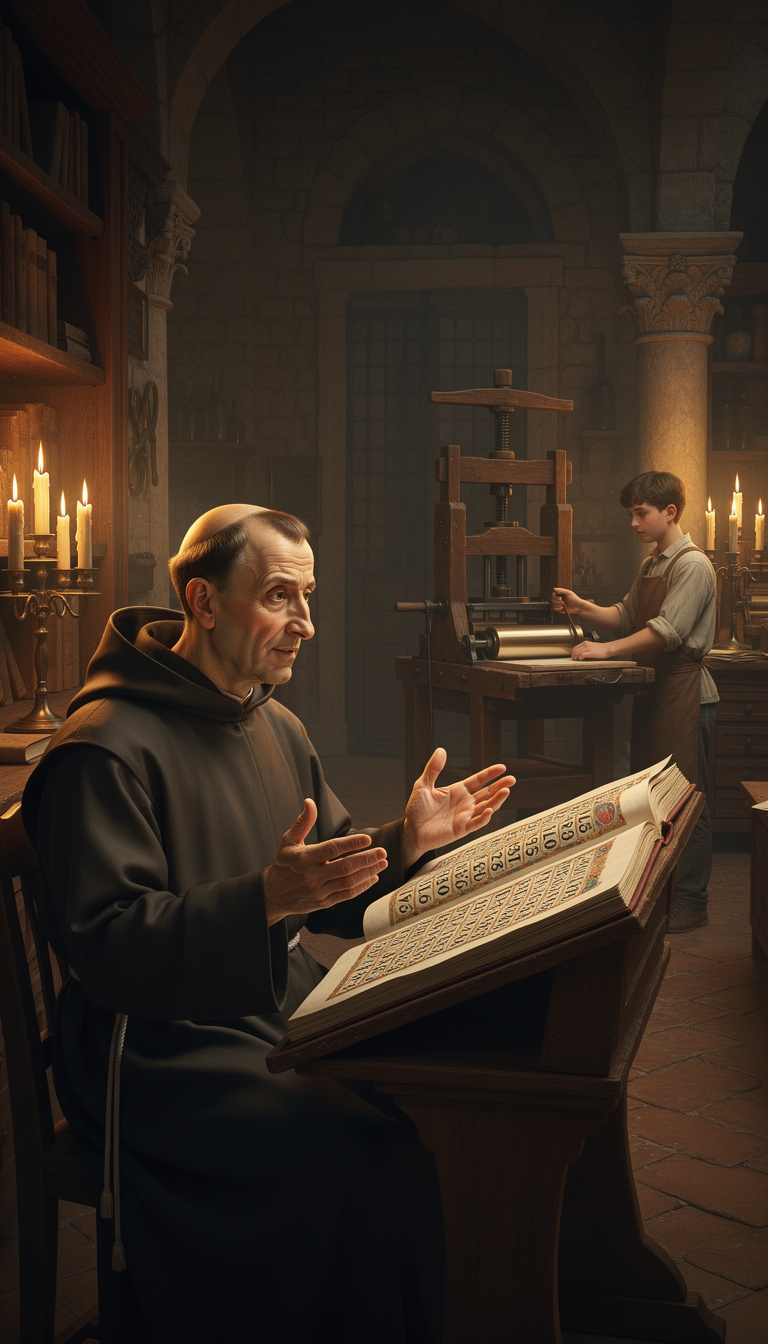 Luca Pacioli
Nel 1494, a Venezia, la mia Summa de Arithmetica vedeva la luce — non un giorno preciso come oggi, ma un'estate che cambiò il commercio europeo. Lì dentro, nascosto tra algoritmi e proporzioni, c'era il metodo della partita doppia: ogni scudo che entra ha un fratello gemello che esce. Nessun mercante più solo con la memoria traballante. Non inventai io questo sistema — i veneziani lo coltivavano da secoli. Ma lo ordinai, lo spiegai, lo diedi alle stampe. La chiarezza è anche un atto di carità.