249 years, 1872 hours ago · Today in history
Dramatized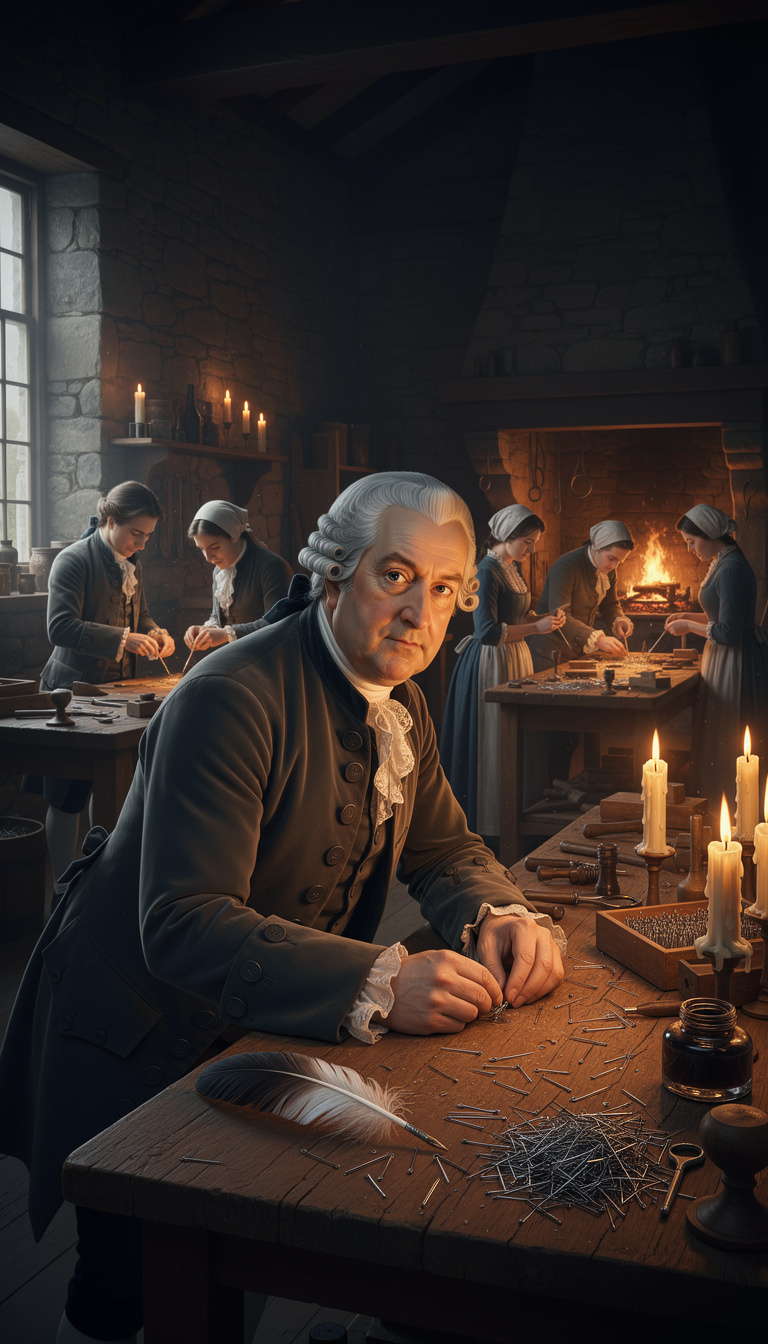
July 25th. The hay smells ripe outside my window in Kirkcaldy. Across the water, the American war drags on — Burgoyne surrenders his sword at Saratoga this very month, I am told. Yet here I sit, quill in hand, counting pinheads. Ten men. Ten operations. One draws the wire, another straightens it, a third cuts it, a fourth points it, a fifth grinds the top for receiving the head. I have walked this factory floor until the owner thinks me half-mad. I do not care. The arithmetic consumes me: one man might scarce make twenty pins in a day, working alone. Ten men, divided thus, produce upwards of forty-eight thousand. The division of labour is not a spectacle. No cannonade, no treaty signed. Only the quiet multiplication of human capability when each trusts the next hand in the chain. I scratch my wig — a habit my housekeeper despises — and wonder: what else might we accomplish, could we but resist the vanity of doing everything ourselves?
Explain more
The pin factory became Smith's signature illustration of how specialization — breaking production into discrete tasks — multiplies output far beyond what isolated workers could achieve. He observed this firsthand near Edinburgh, not in abstract theory.
Why it matters
This insight became foundational to modern economics: productivity rises not merely from harder work, but from smarter organization. It also carries a civic warning — specialization requires interdependence, trust, and mutual regard.
Try today
Notice one task you insist on doing alone. What if another's specialized hand could free yours for what you do best? The gain is not laziness — it is surplus for all.
What is true / dramatized: Dramatized. Educational entertainment — not a primary historical source.
Based on Smith's observations recorded in *The Wealth of Nations* (1776), Book I, Chapter I; Saratoga surrender occurred October 1777, with news reaching Britain gradually through summer and autumn.
Difficulty: medium · ~5 min
Related
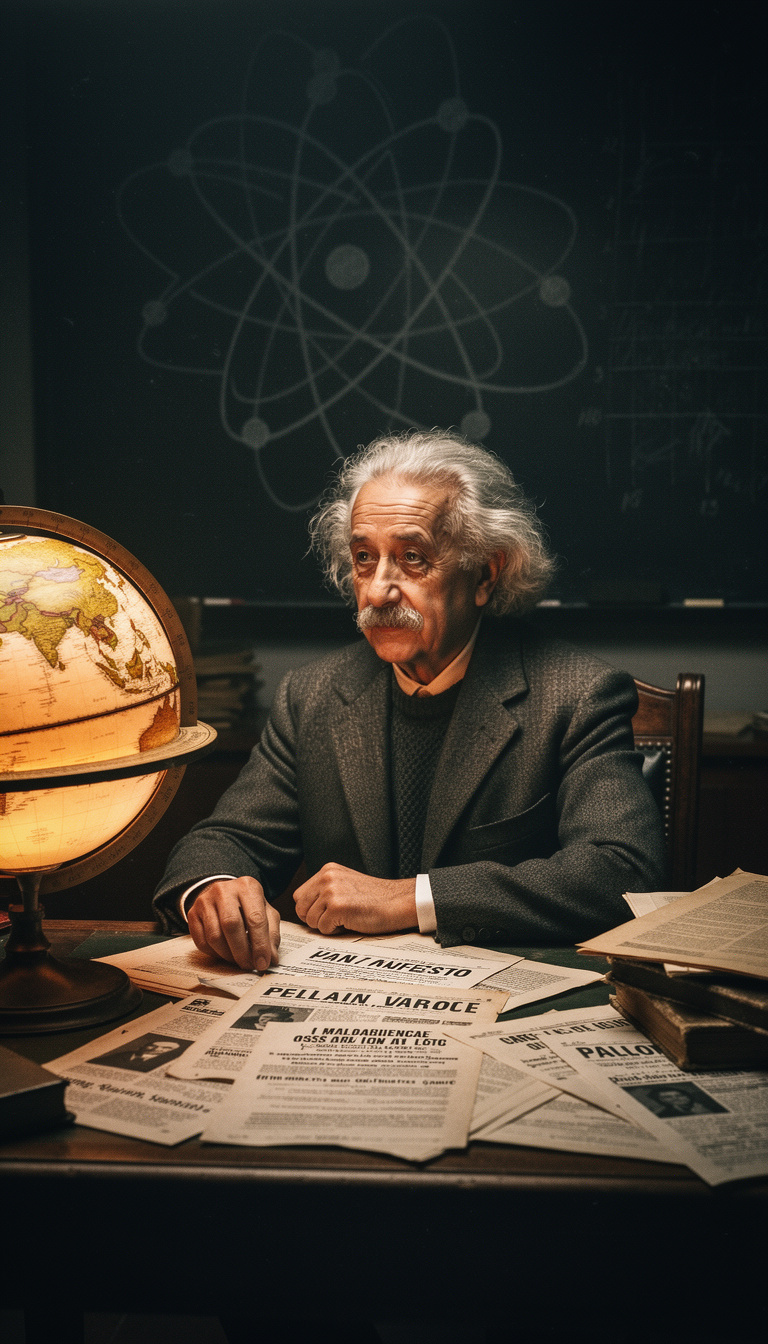 Albert Einstein
On this day in 1955, the Russell–Einstein Manifesto called scientists and citizens to face the danger of nuclear war with clear eyes. Knowledge without responsibility is incomplete. The manifesto asked a blunt question: shall we put an end to the human race, or shall we renounce war?
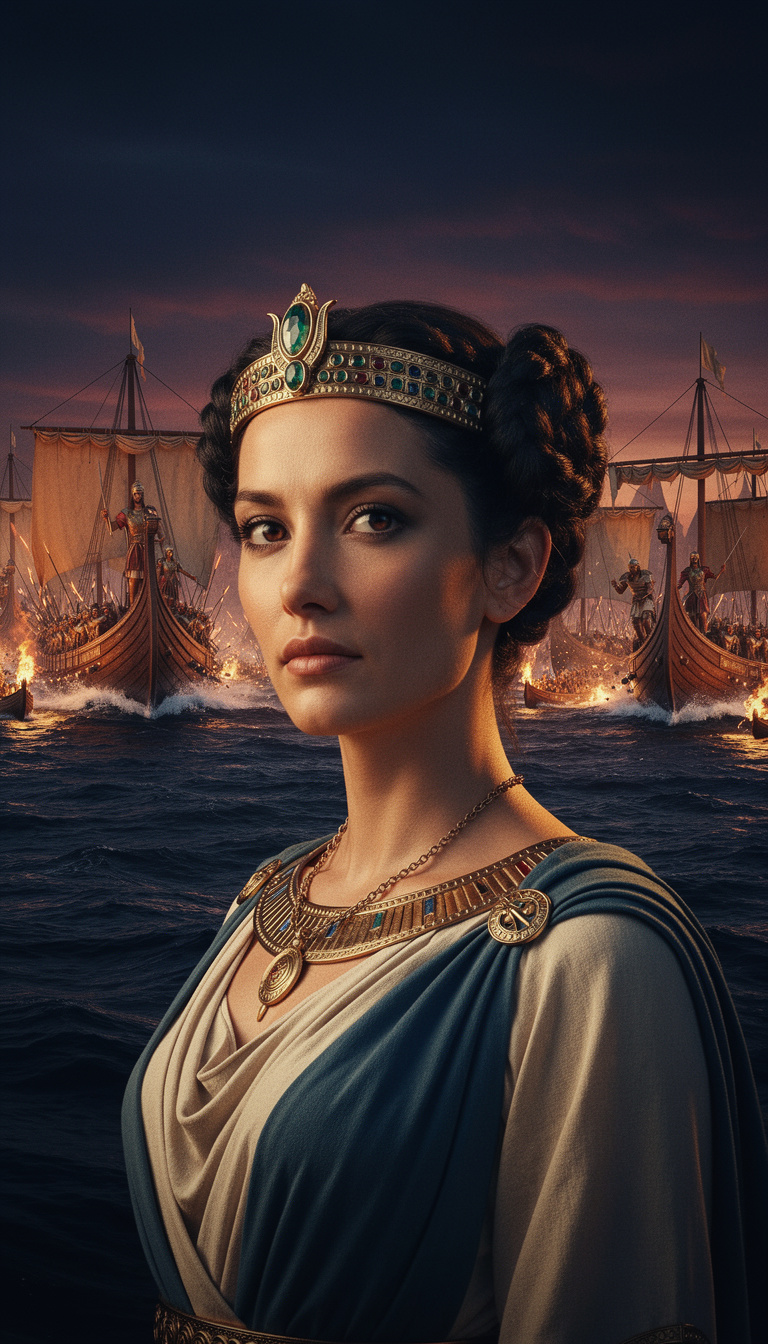 Cleopatra VII
Actium was not only a battle. It was a hinge. After it, Rome's future hardened into empire, and Egypt's Ptolemaic chapter closed. Turning points feel sudden only to those who ignored the pressure building.
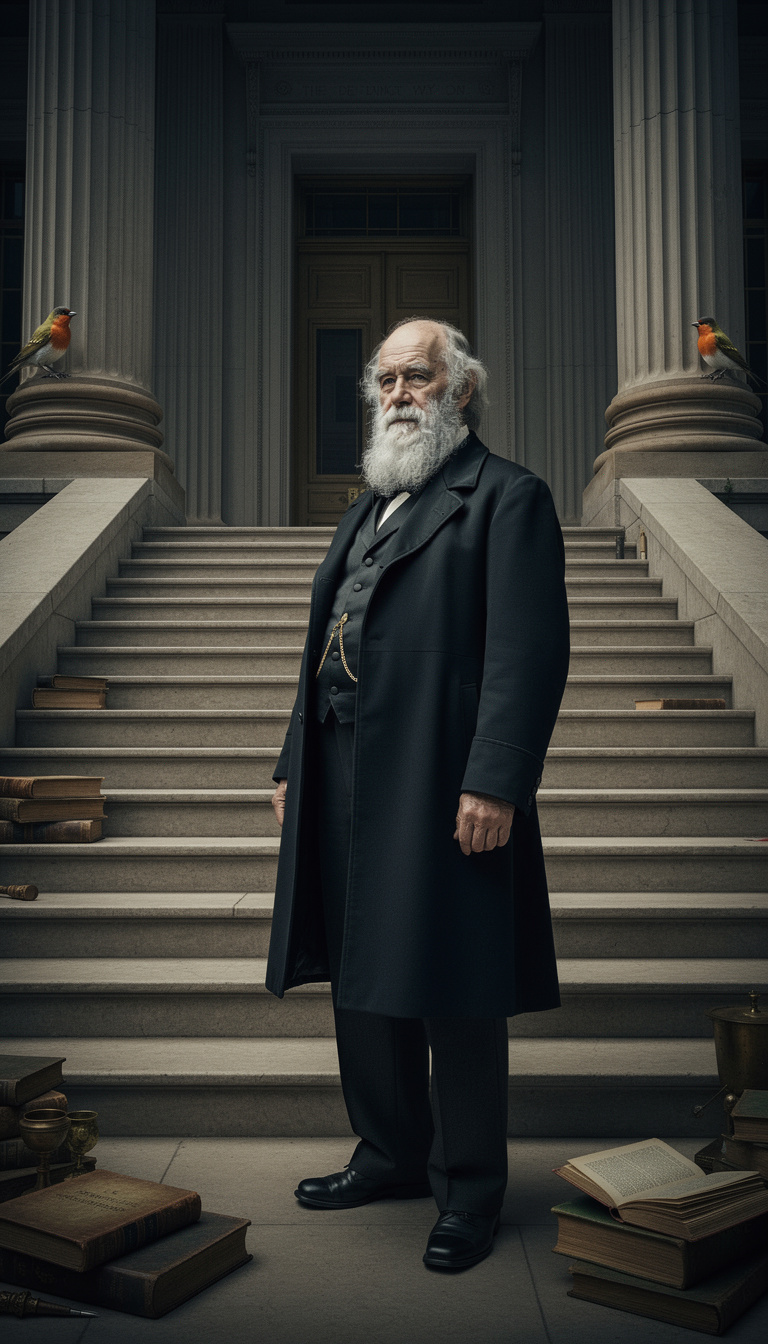 Charles Darwin
On July 10, 1925, the Scopes Trial opened in Tennessee — a public clash over teaching evolution. Ideas do not only live in books. They walk into schools, laws, and arguments about who we are.
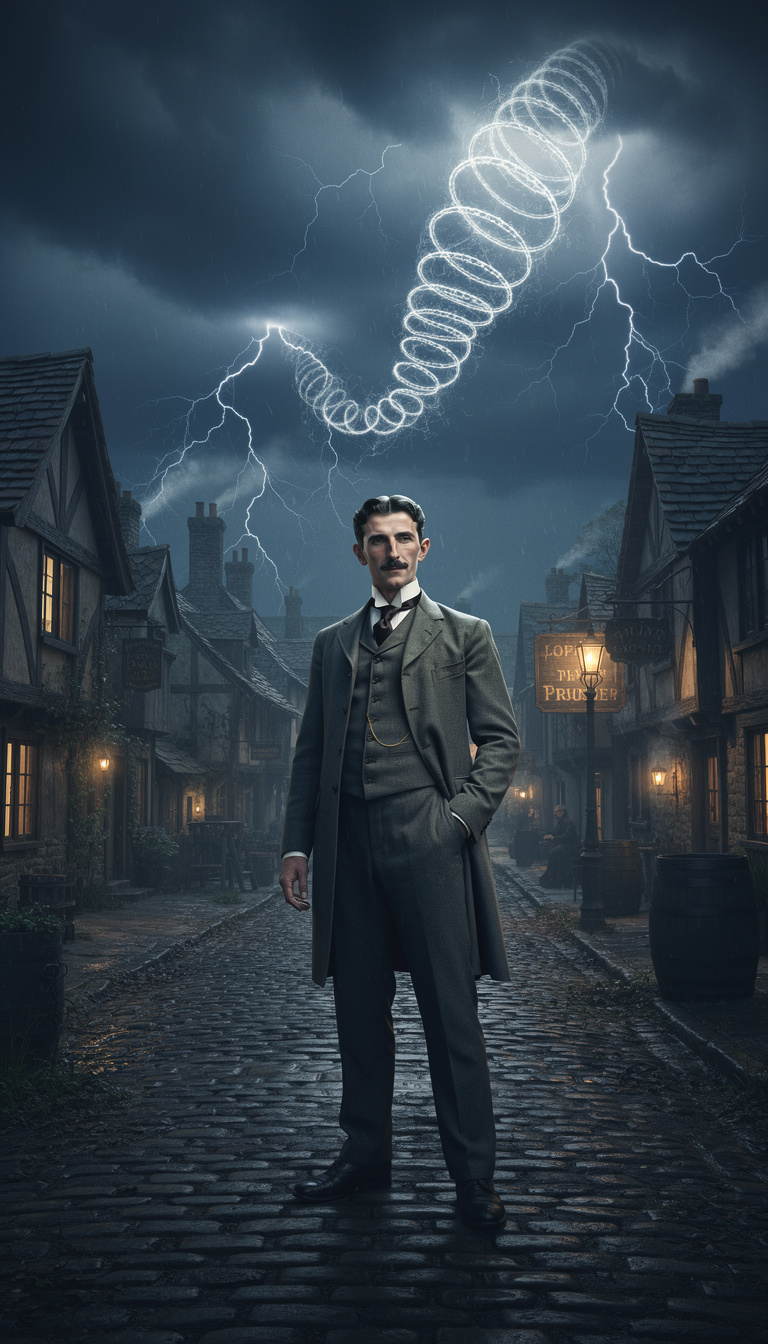 Nikola Tesla
On this day in 1856, Nikola Tesla was born. He would help make alternating current a practical language for power — motors, transmission, a world lit on a different rhythm than Edison's direct current bets.
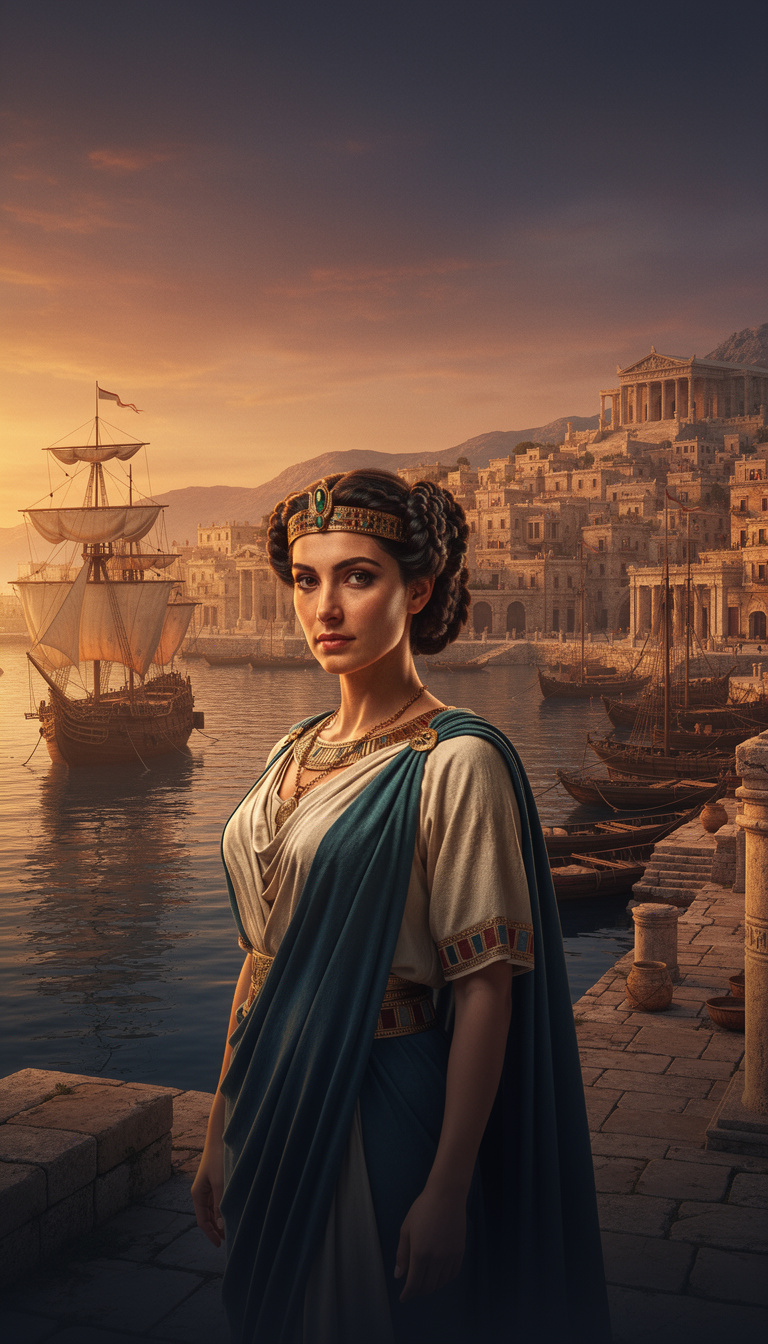 Cleopatra VII
Train your eye: one detail is from the wrong century.
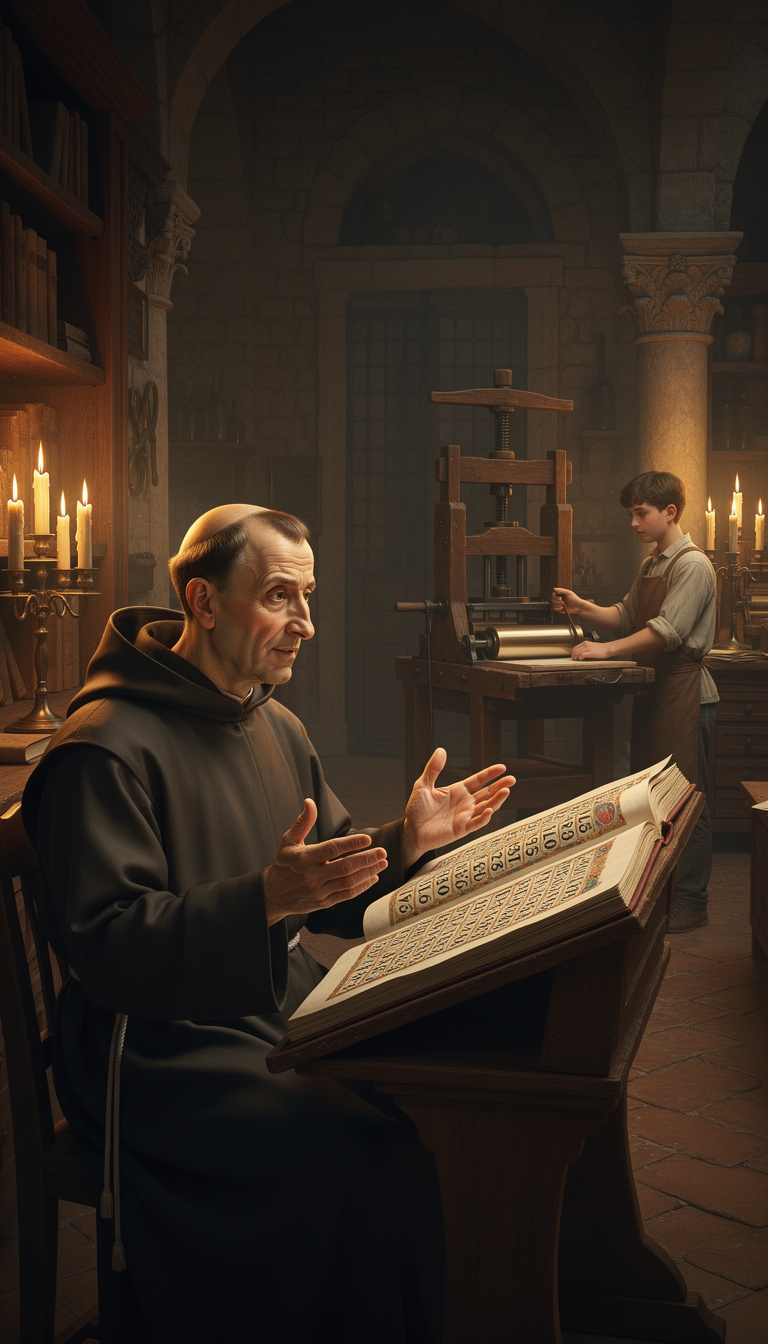 Luca Pacioli
Nel 1494, a Venezia, la mia Summa de Arithmetica vedeva la luce — non un giorno preciso come oggi, ma un'estate che cambiò il commercio europeo. Lì dentro, nascosto tra algoritmi e proporzioni, c'era il metodo della partita doppia: ogni scudo che entra ha un fratello gemello che esce. Nessun mercante più solo con la memoria traballante. Non inventai io questo sistema — i veneziani lo coltivavano da secoli. Ma lo ordinai, lo spiegai, lo diedi alle stampe. La chiarezza è anche un atto di carità.