July 25, 1850 · Today in History
Historically grounded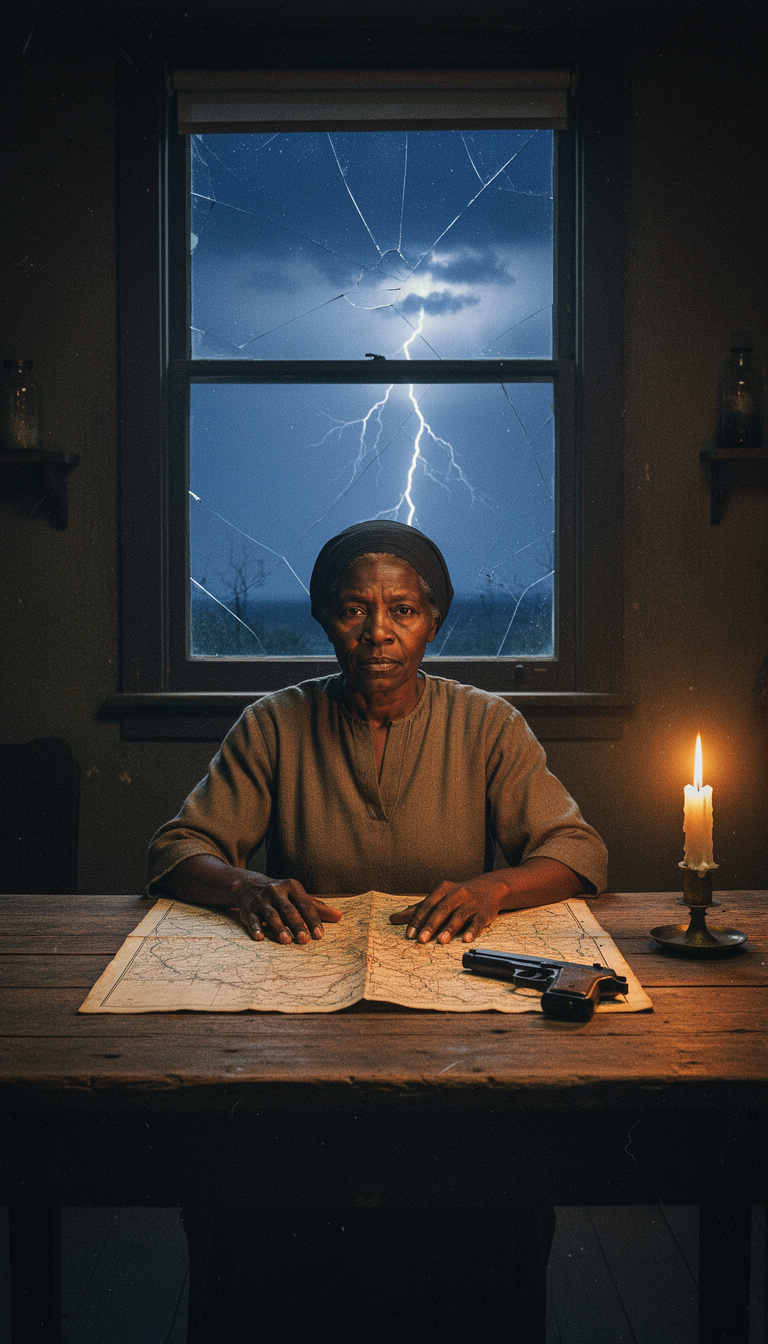
Word travels slow and fast at once—whispers in church basements, a coded song where there used to be plain speech. By September, they mean to make every free state a hunting ground. I am stitching money into my hem, mapping which white folks will still sell us flour without asking names. My hands do not shake. They never shake. But I check my pistol twice now. Not for slave catchers—for the ones I lead. I have made the promise: live free or die. I mean to keep my end. The comet I saw at seven taught me nothing stays. This law will not stay either. But the crossing—this summer, this autumn—that stays with a body forever.
Explain more
The Fugitive Slave Act of 1850, passed September 18, required citizens and officials of free states to cooperate in returning escaped enslaved people. It radicalized many abolitionists and made the Underground Railroad's work exponentially more dangerous.
Why it matters
Tubman and other conductors had to reroute operations into Canada, where U.S. law held no power. The Act turned personal moral choice into federal mandate—forcing complicity from people who had looked away.
Try today
When a system demands your participation in harm, where does your practical resistance begin? Not in performance. In logistics: who you trust, where you put resources, what routes you keep open.
What is true / dramatized: Historically grounded. Educational entertainment — not a primary historical source.
Based on Tubman's established operations timeline and the legislative lead-up to the Compromise of 1850. No invented dialogue.
Difficulty: medium · ~3 min
Related
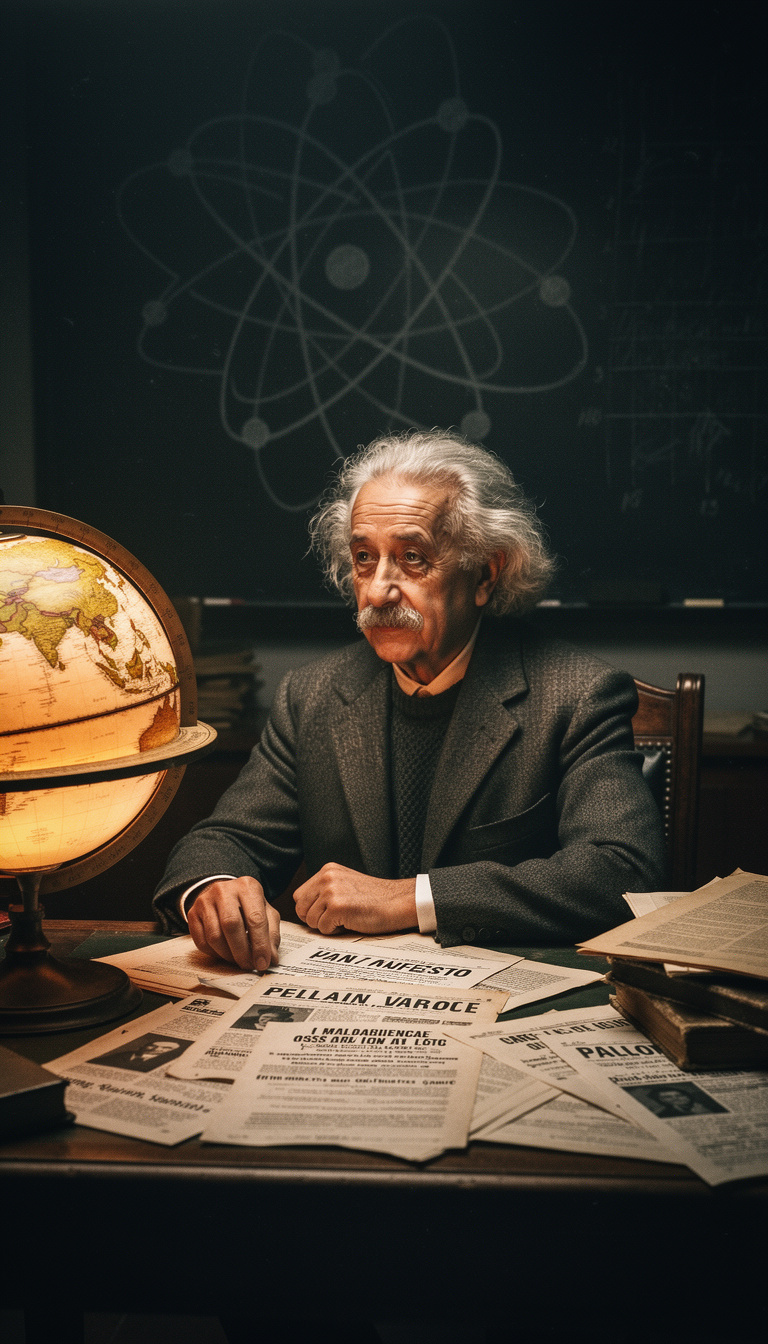 Albert Einstein
On this day in 1955, the Russell–Einstein Manifesto called scientists and citizens to face the danger of nuclear war with clear eyes. Knowledge without responsibility is incomplete. The manifesto asked a blunt question: shall we put an end to the human race, or shall we renounce war?
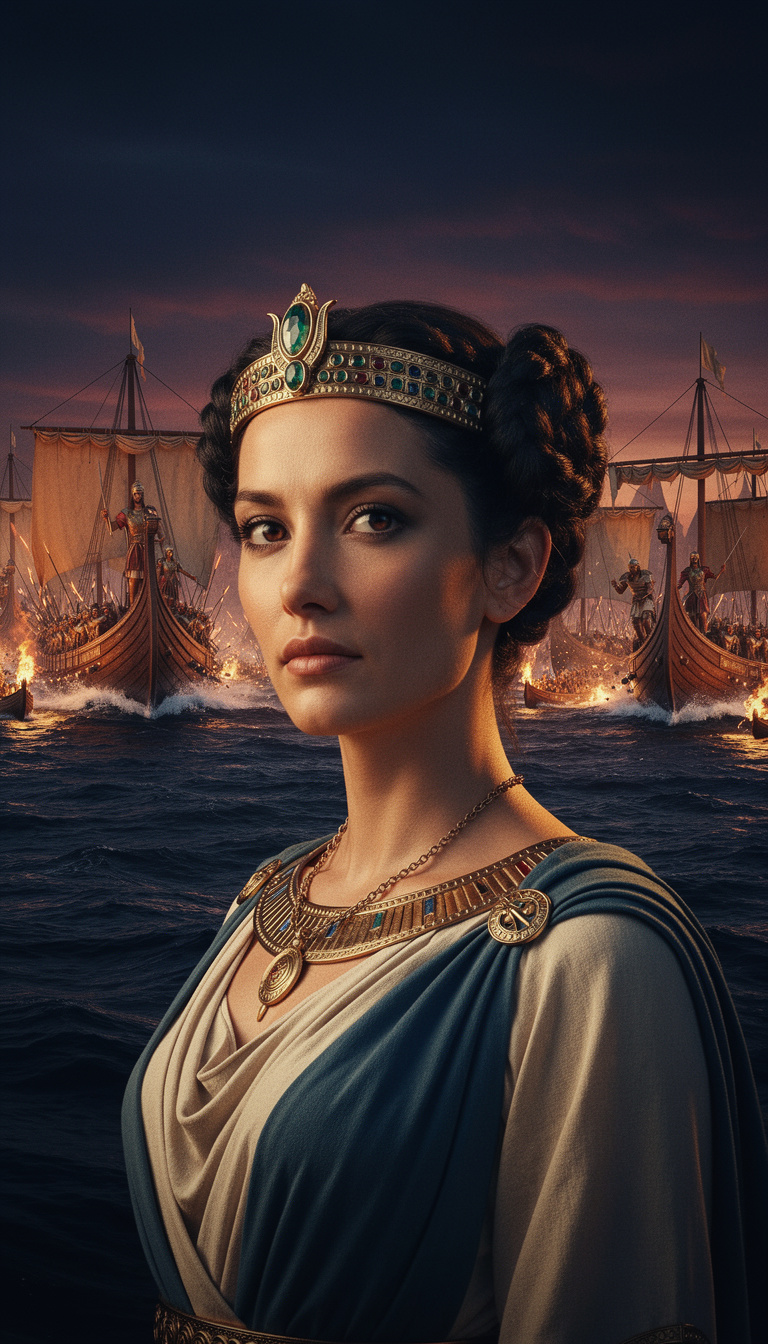 Cleopatra VII
Actium was not only a battle. It was a hinge. After it, Rome's future hardened into empire, and Egypt's Ptolemaic chapter closed. Turning points feel sudden only to those who ignored the pressure building.
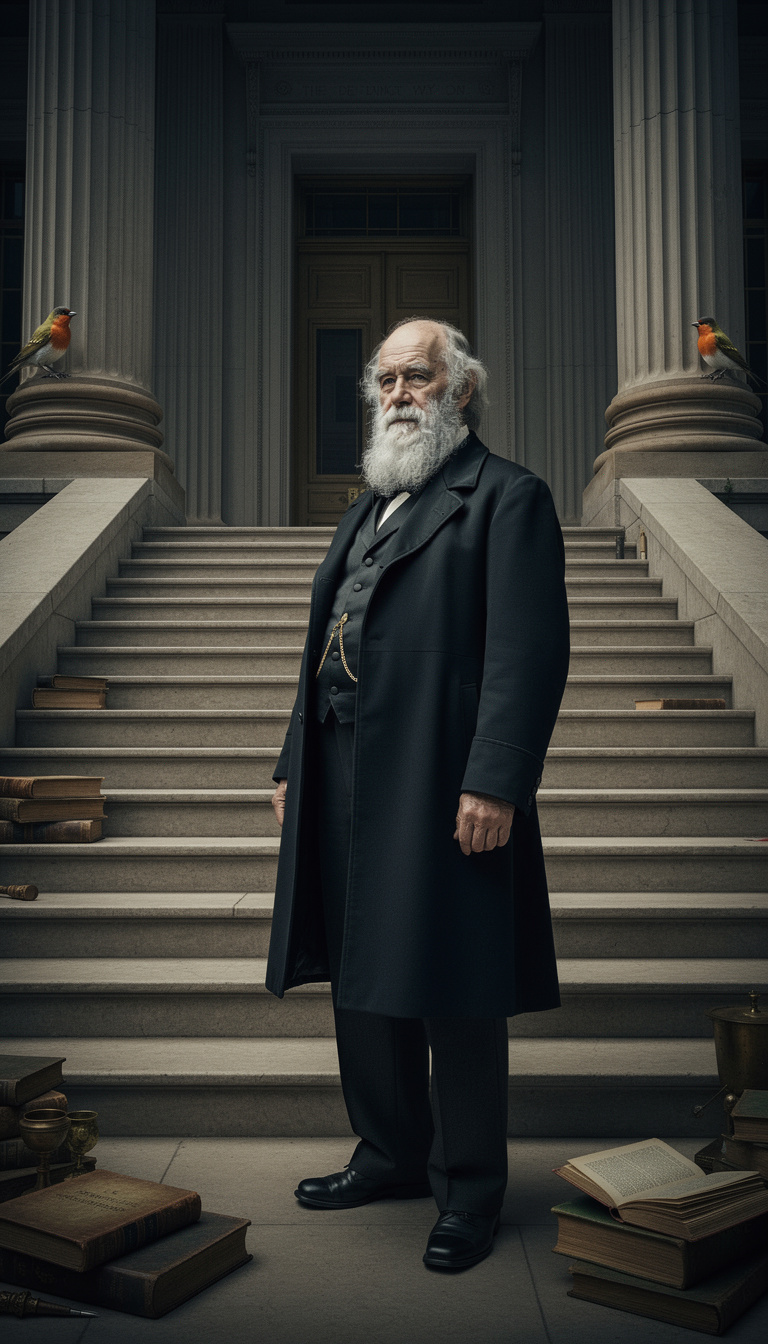 Charles Darwin
On July 10, 1925, the Scopes Trial opened in Tennessee — a public clash over teaching evolution. Ideas do not only live in books. They walk into schools, laws, and arguments about who we are.
 Nikola Tesla
On this day in 1856, Nikola Tesla was born. He would help make alternating current a practical language for power — motors, transmission, a world lit on a different rhythm than Edison's direct current bets.
 Cleopatra VII
Train your eye: one detail is from the wrong century.
 Luca Pacioli
Nel 1494, a Venezia, la mia Summa de Arithmetica vedeva la luce — non un giorno preciso come oggi, ma un'estate che cambiò il commercio europeo. Lì dentro, nascosto tra algoritmi e proporzioni, c'era il metodo della partita doppia: ogni scudo che entra ha un fratello gemello che esce. Nessun mercante più solo con la memoria traballante. Non inventai io questo sistema — i veneziani lo coltivavano da secoli. Ma lo ordinai, lo spiegai, lo diedi alle stampe. La chiarezza è anche un atto di carità.