July 26, 1843 · Today in history
Dramatized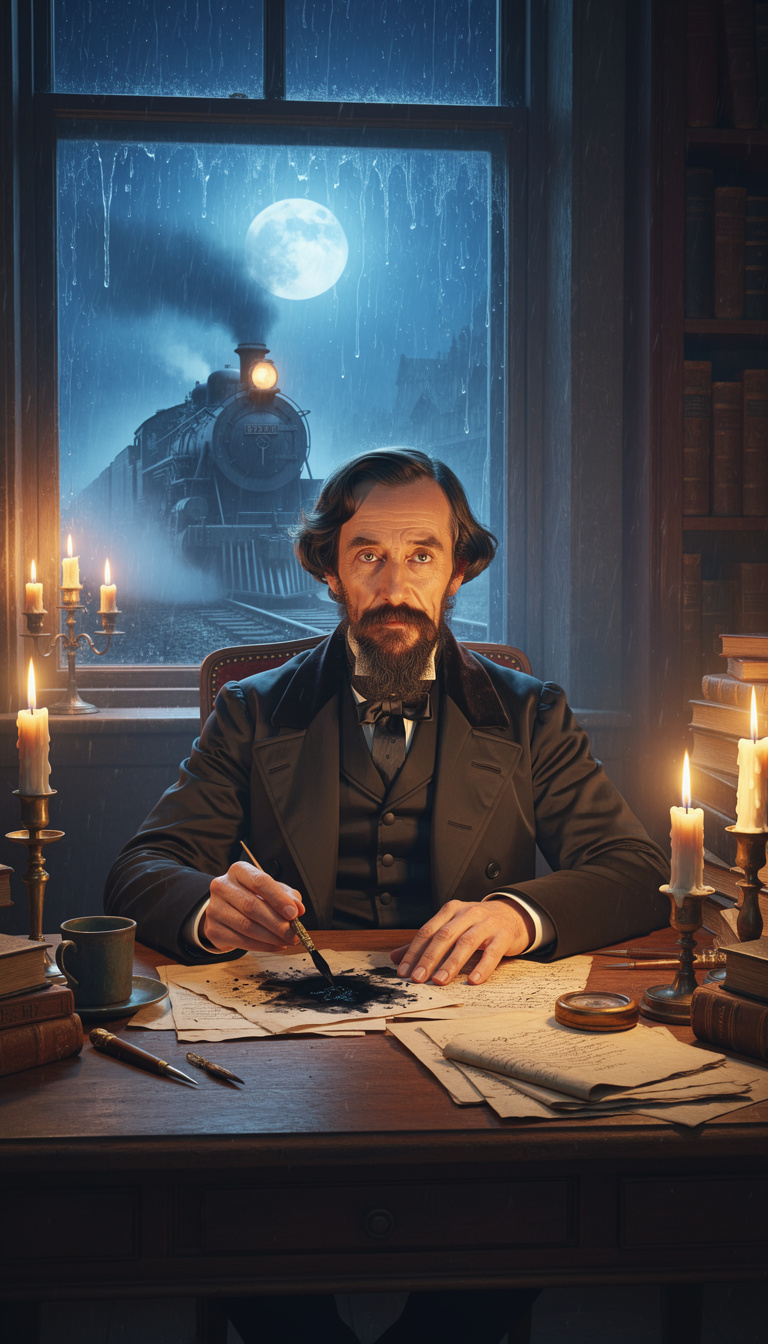
The heat in London is merciless, the ink dries before I can blot it, and I am meant to be finishing a Christmas ghost story — yet my mind keeps racing along iron tracks. For on this very day, nine years past, the Grand Junction Railway opened its line to Birmingham, and I, then a young parliamentary reporter, was flung through the countryside at the impossible speed of thirty miles per hour. I remember clutching my hat, convinced my very soul would detach from my body. Now I sit in my study at Devonshire Terrace, the same velocity rattling in my skull, and wonder: might a ghost travel by steam? Might the Past itself arrive on a locomotive, shrieking into the present? My fingers are stained with ink, my candle gutters, and somewhere in these pages Scrooge is still unvisited — but the spirits are coming. I feel them in the vibration of the floorboards. (accuracyLabel: This draws on Dickens's known railway journeys and his 1843 composition of *A Christmas Carol*; the Grand Junction Railway did open July 20, 1837, with Dickens traveling it soon after. I telescope the dates for narrative effect.)
Explain more
Dickens was among the first generation to experience railway travel as ordinary life, and he transformed that disorientation into fiction — the ghost as a vehicle for sudden, violent self-recognition.
Why it matters
Technological shock can become moral imagination; the unfamiliar speed of change forces us to ask who we are becoming.
Try today
Ride something that unsettles you — a new route, a hard conversation, a unfamiliar view — and ask what ghost it might bring.
What is true / dramatized: Dramatized. Educational entertainment — not a primary historical source.
Dickens's 1843 composition of *A Christmas Carol*, intertwined with his early railway experiences and the transformative speed of industrial modernity.
Difficulty: medium · ~5 min
Related
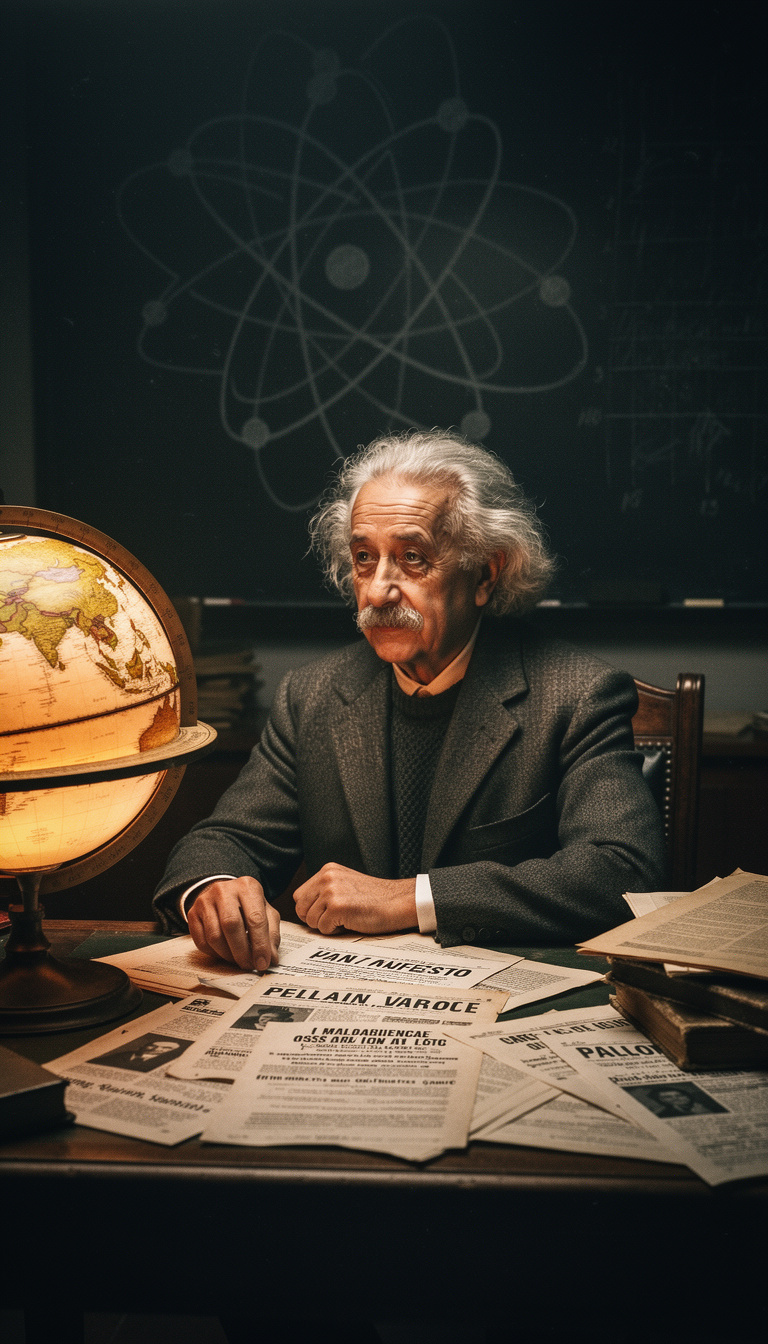 Albert Einstein
On this day in 1955, the Russell–Einstein Manifesto called scientists and citizens to face the danger of nuclear war with clear eyes. Knowledge without responsibility is incomplete. The manifesto asked a blunt question: shall we put an end to the human race, or shall we renounce war?
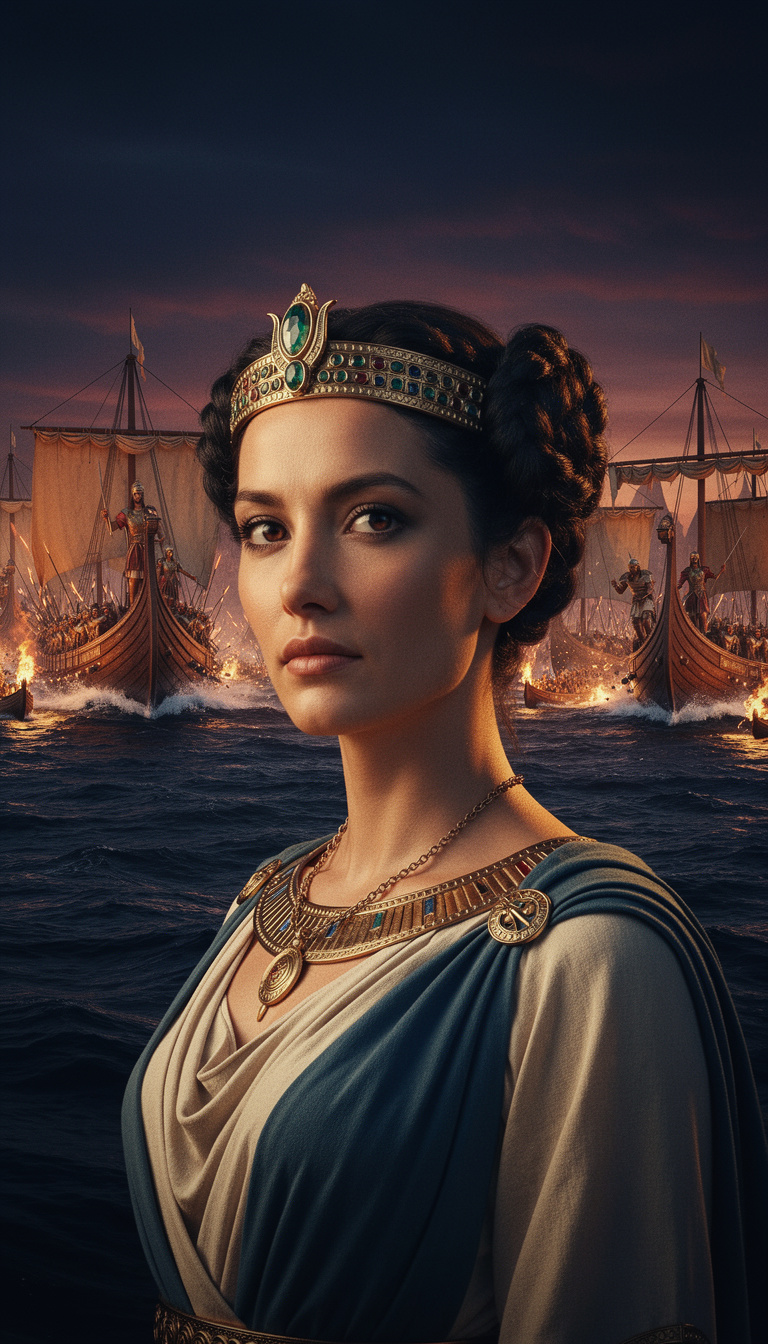 Cleopatra VII
Actium was not only a battle. It was a hinge. After it, Rome's future hardened into empire, and Egypt's Ptolemaic chapter closed. Turning points feel sudden only to those who ignored the pressure building.
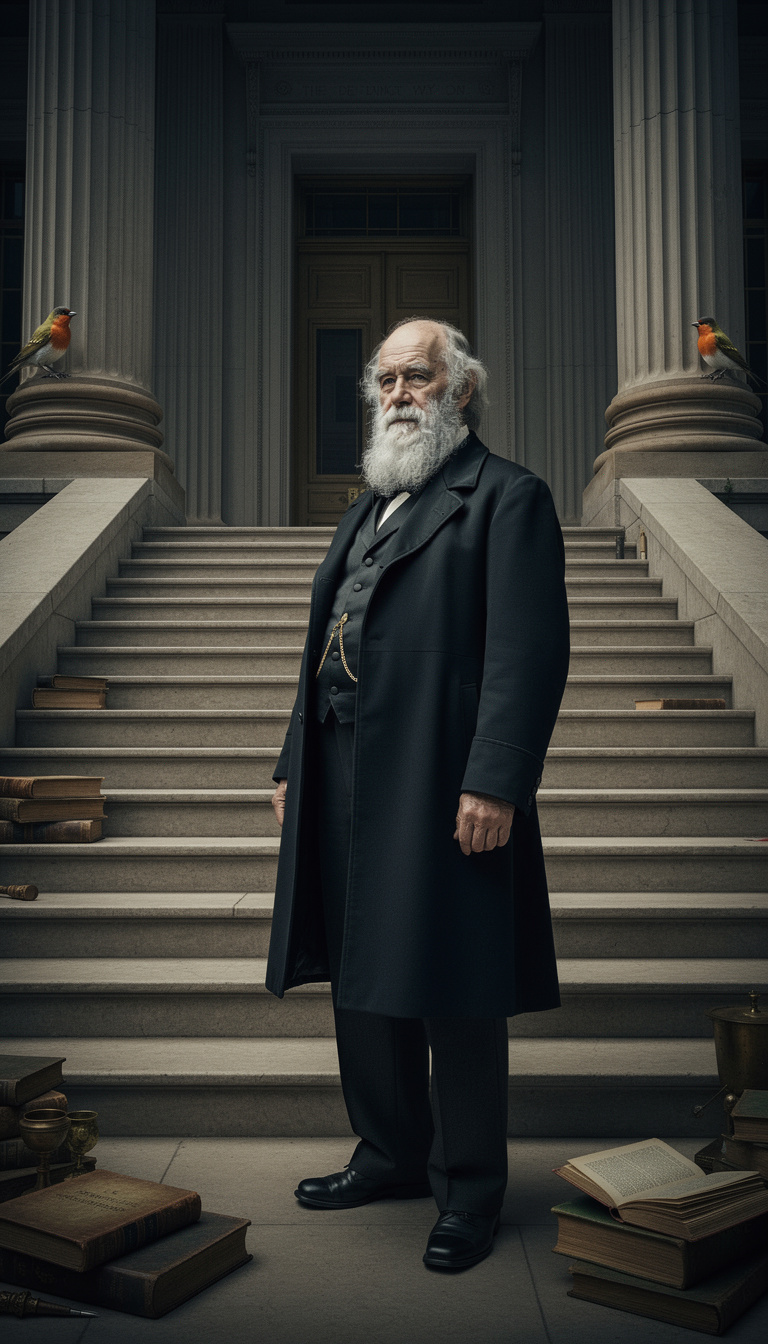 Charles Darwin
On July 10, 1925, the Scopes Trial opened in Tennessee — a public clash over teaching evolution. Ideas do not only live in books. They walk into schools, laws, and arguments about who we are.
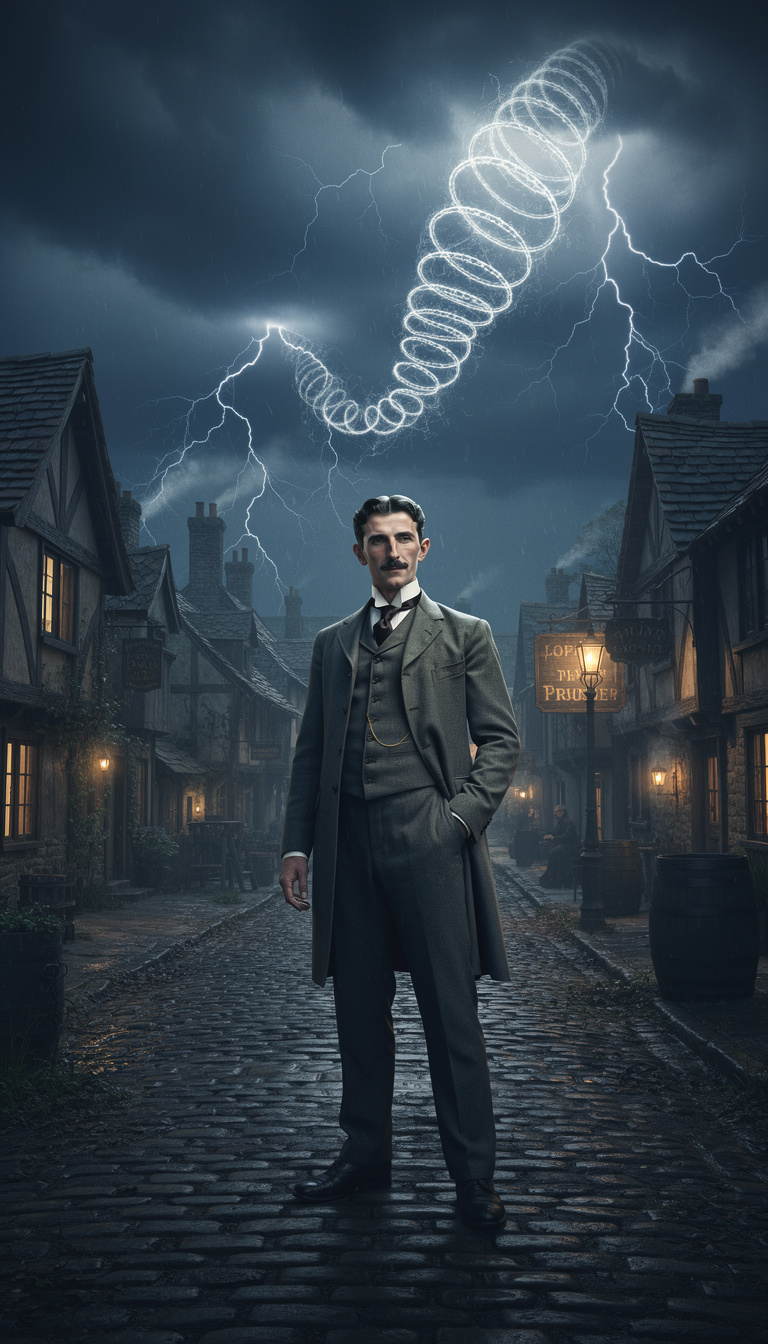 Nikola Tesla
On this day in 1856, Nikola Tesla was born. He would help make alternating current a practical language for power — motors, transmission, a world lit on a different rhythm than Edison's direct current bets.
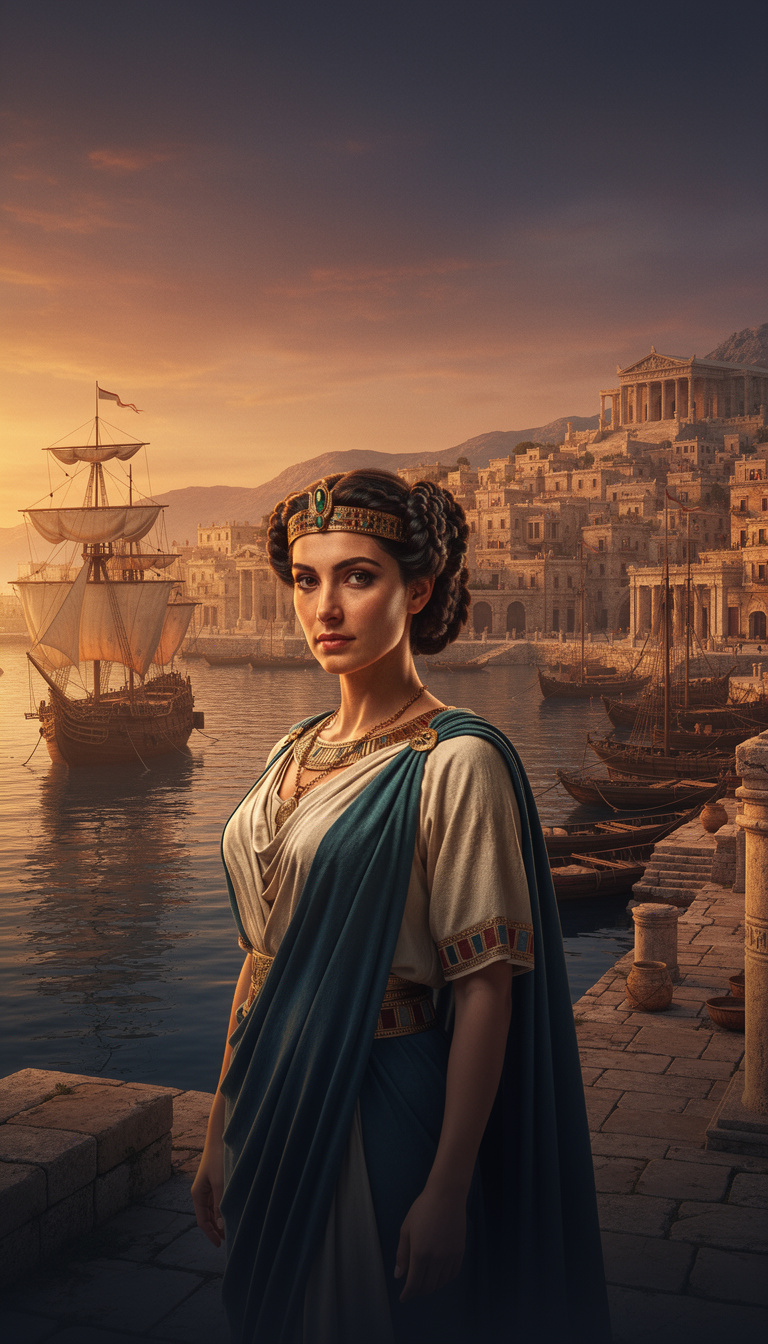 Cleopatra VII
Train your eye: one detail is from the wrong century.
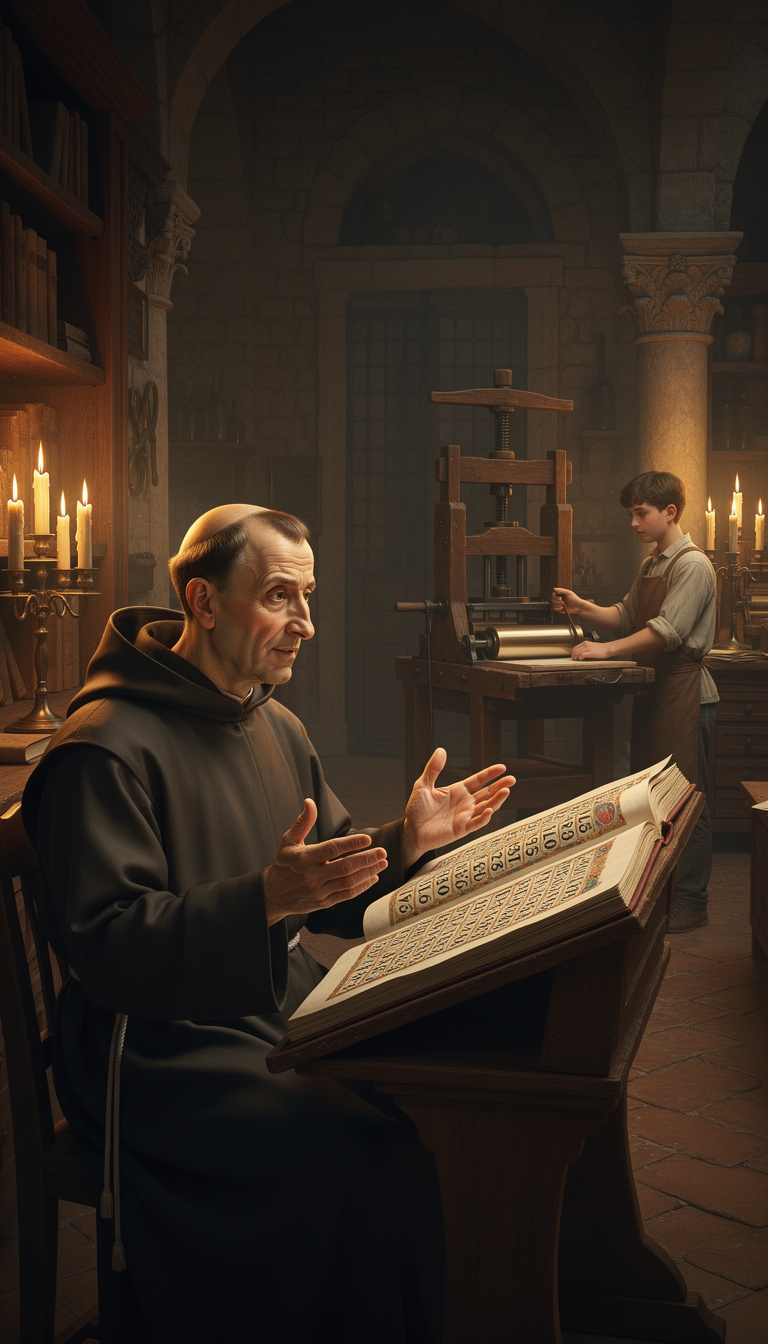 Luca Pacioli
Nel 1494, a Venezia, la mia Summa de Arithmetica vedeva la luce — non un giorno preciso come oggi, ma un'estate che cambiò il commercio europeo. Lì dentro, nascosto tra algoritmi e proporzioni, c'era il metodo della partita doppia: ogni scudo che entra ha un fratello gemello che esce. Nessun mercante più solo con la memoria traballante. Non inventai io questo sistema — i veneziani lo coltivavano da secoli. Ma lo ordinai, lo spiegai, lo diedi alle stampe. La chiarezza è anche un atto di carità.