July 26, 1901 · Today in History
Dramatized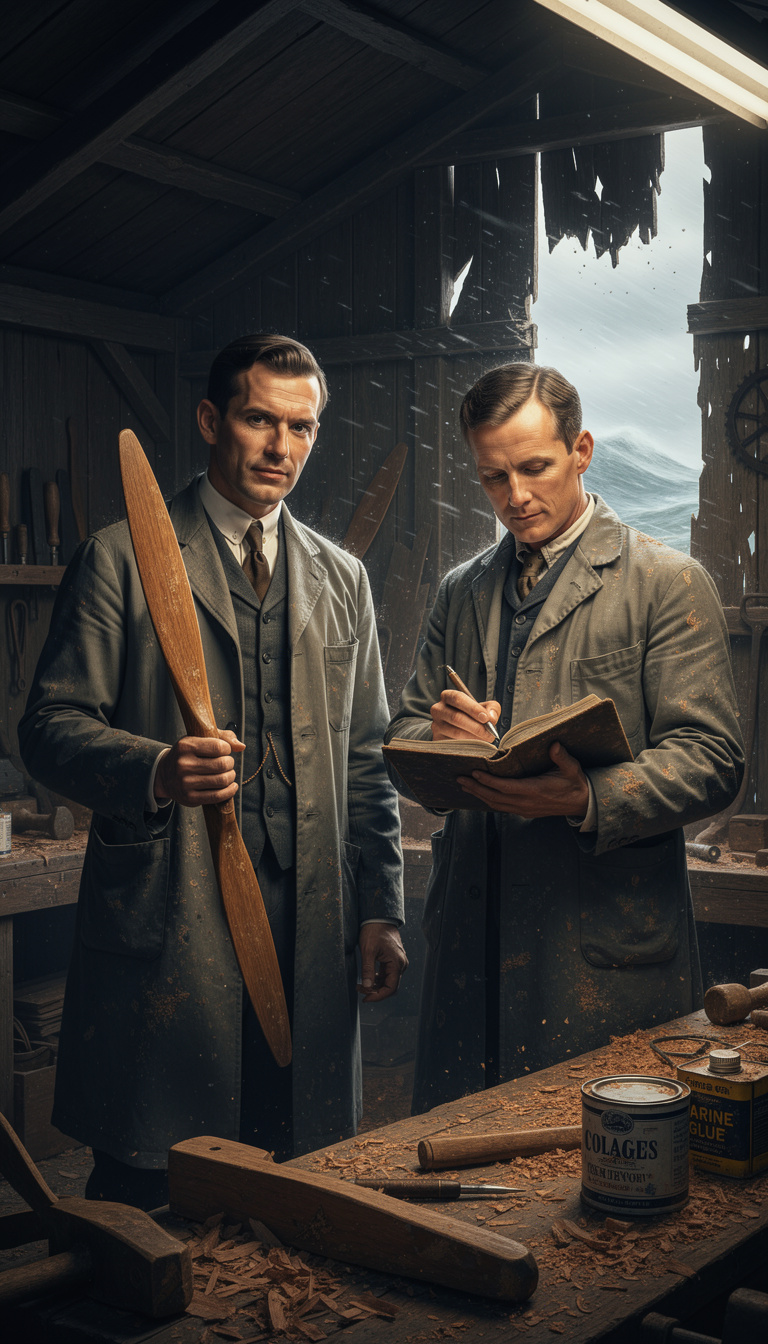
July 26. Kitty Hawk. Four days since the propeller sheared and we are still cataloguing splinters. Wilbur insists on calling this 'post-flight analysis.' I call it staring at broken spruce until the wood confesses its sins. The wind here is constant and indifferent — a useful trait in a test partner. It does not care about our names or our ambitions. It only answers to shape and angle. We have adjusted the wing-warping wires three times since the snap, each iteration recorded in the same cramped hand. The glider, when repaired, will be a different machine. They always are. Our father, the Bishop, writes asking if we have 'succeeded yet.' We have not told him that success, for us, is a drawer full of failed propellers and numbers that finally agree with each other.
Explain more
In 1901, the Wrights tested their second glider at Kill Devil Hills, North Carolina. The 1901 glider performed worse than their 1900 model, generating less lift than their calculations predicted. Rather than abandon their data, they spent weeks analyzing what failed, eventually building a wind tunnel in Dayton to test wing shapes systematically. The 'broken propeller' referenced here is a composite detail reflecting their iterative approach — they suffered multiple equipment failures across their testing seasons, each treated as data rather than disaster.
Why it matters
The Wrights' method of treating failure as measurable feedback — not personal defeat — became the foundation of modern aeronautical engineering. Their 1901 disappointment directly led to the wind tunnel experiments that cracked the code of wing design.
Try today
Document one failure this week with the precision you'd use for a success: what broke, when, under what conditions. The pattern may teach more than the triumph.
What is true / dramatized: Dramatized. Educational entertainment — not a primary historical source.
Based on Wright Brothers correspondence and wind tunnel experiment records, 1901-1902; composite framing of iterative testing methodology.
Difficulty: medium · ~4 min
Related
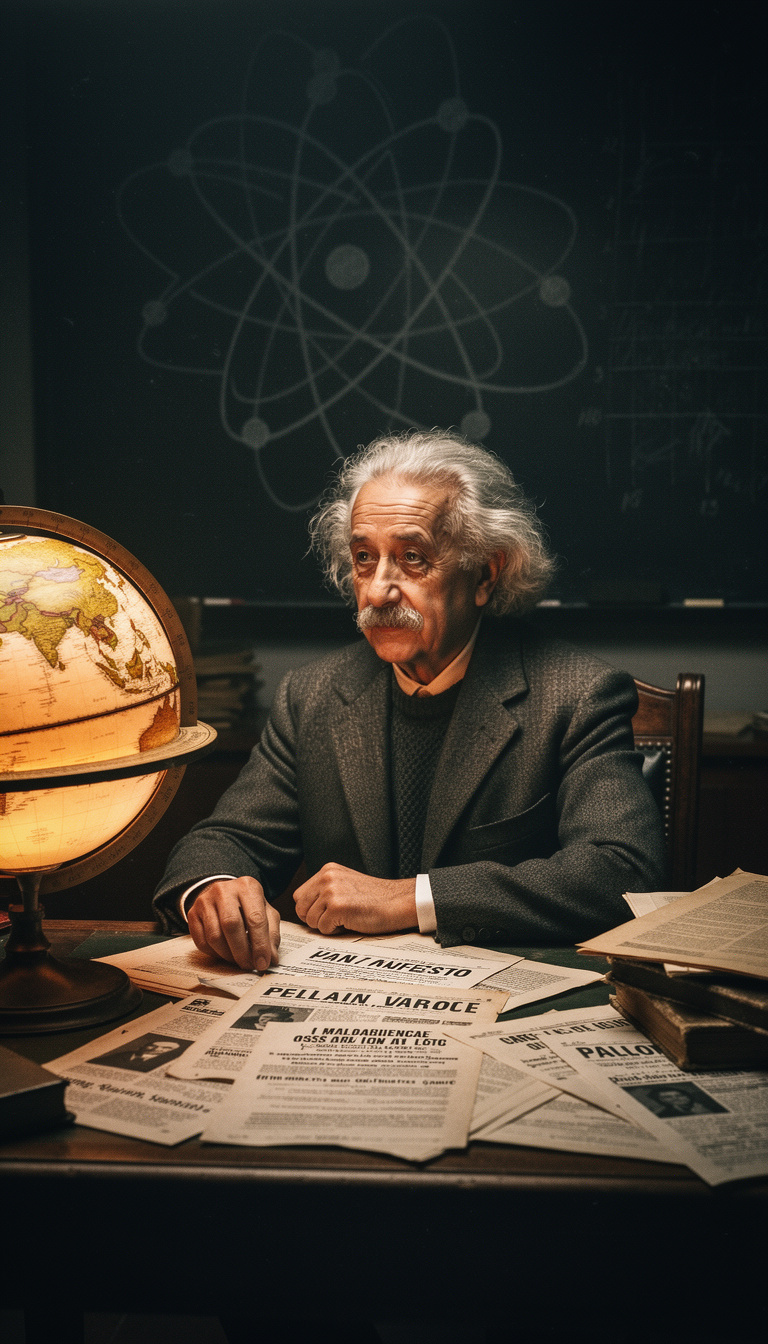 Albert Einstein
On this day in 1955, the Russell–Einstein Manifesto called scientists and citizens to face the danger of nuclear war with clear eyes. Knowledge without responsibility is incomplete. The manifesto asked a blunt question: shall we put an end to the human race, or shall we renounce war?
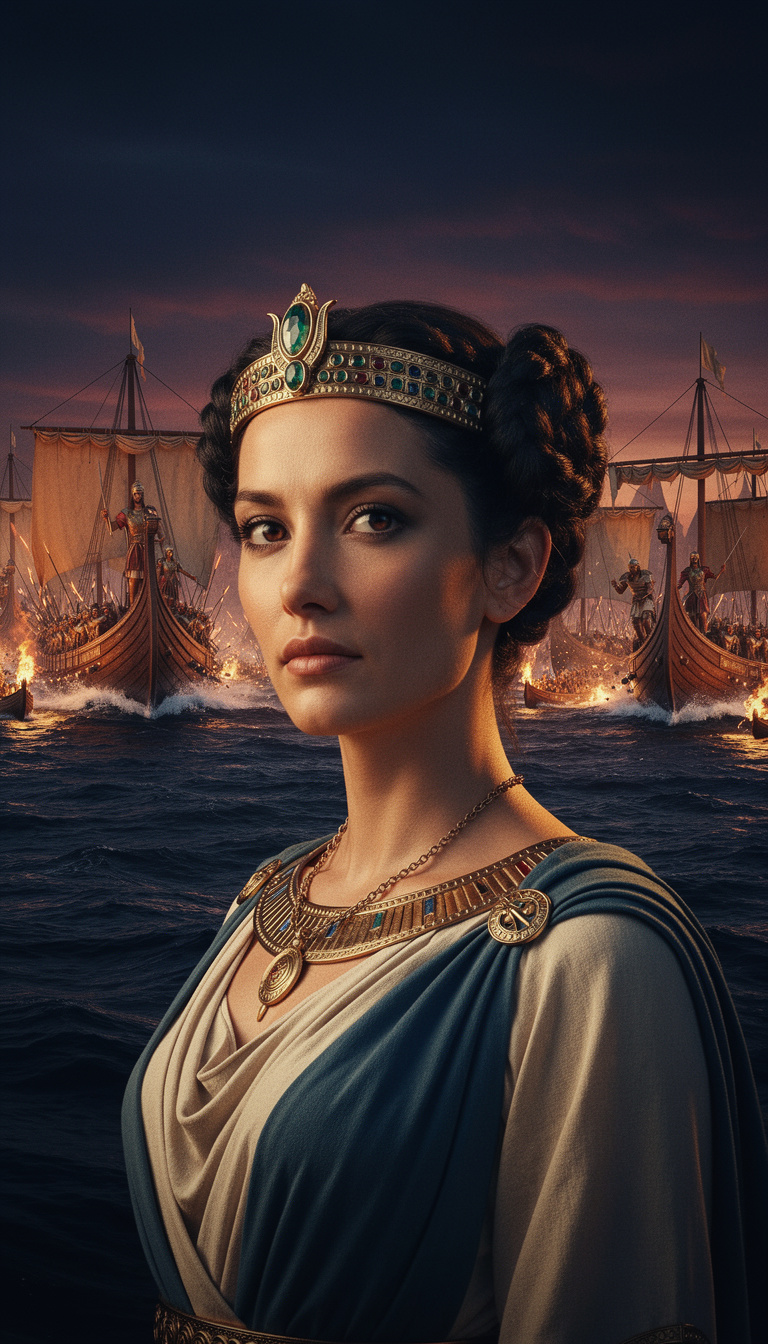 Cleopatra VII
Actium was not only a battle. It was a hinge. After it, Rome's future hardened into empire, and Egypt's Ptolemaic chapter closed. Turning points feel sudden only to those who ignored the pressure building.
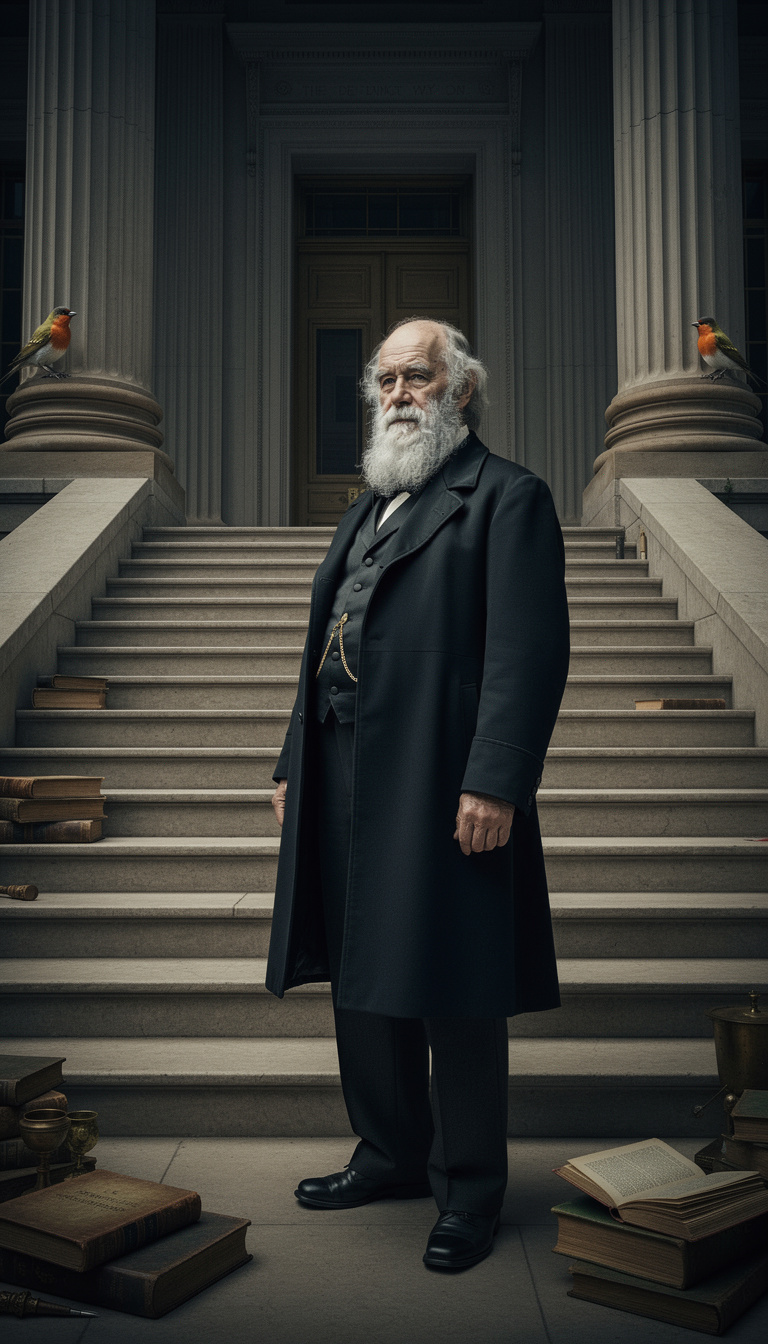 Charles Darwin
On July 10, 1925, the Scopes Trial opened in Tennessee — a public clash over teaching evolution. Ideas do not only live in books. They walk into schools, laws, and arguments about who we are.
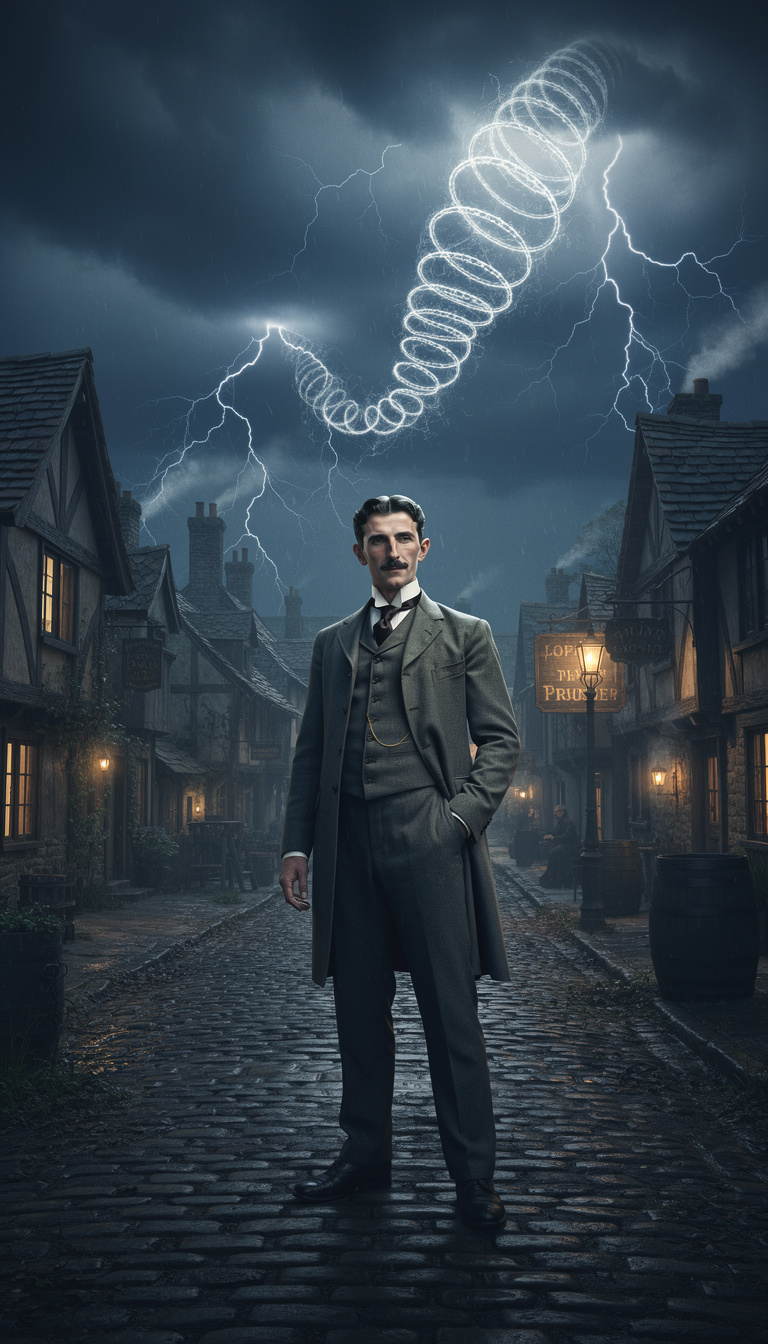 Nikola Tesla
On this day in 1856, Nikola Tesla was born. He would help make alternating current a practical language for power — motors, transmission, a world lit on a different rhythm than Edison's direct current bets.
 Cleopatra VII
Train your eye: one detail is from the wrong century.
 Luca Pacioli
Nel 1494, a Venezia, la mia Summa de Arithmetica vedeva la luce — non un giorno preciso come oggi, ma un'estate che cambiò il commercio europeo. Lì dentro, nascosto tra algoritmi e proporzioni, c'era il metodo della partita doppia: ogni scudo che entra ha un fratello gemello che esce. Nessun mercante più solo con la memoria traballante. Non inventai io questo sistema — i veneziani lo coltivavano da secoli. Ma lo ordinai, lo spiegai, lo diedi alle stampe. La chiarezza è anche un atto di carità.