July 26, 1850 · Today in History
Historically grounded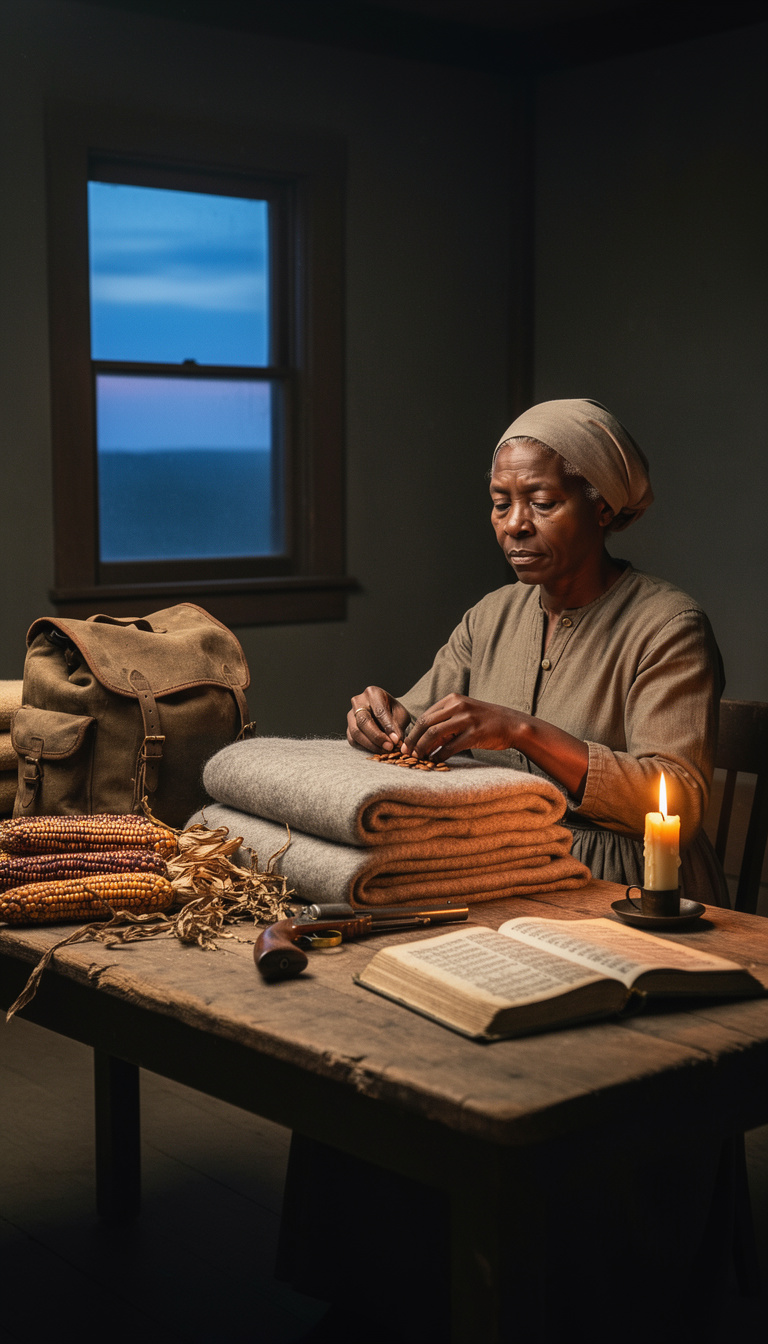
July 26. The Fugitive Slave Act will pass in September—word reaches me through a fishmonger in Baltimore who owes his cousin's freedom to a certain conductor. I am fortyish, give or take the years nobody bothered to record. I do not wring my hands. I am counting wool blankets. Testing which creek beds hold no footprints after rain. The combs in my hair? Not decoration. Double as signal, as tool, as last resort. I sleep three hours, wake, check my satchel: dried corn, the pistol I have never yet fired at a person, the hymnbook with maps drawn in lemon juice. They mean to make the North a hunting ground. Fine. I mean to make every swamp, every sympathetic Quaker kitchen, every black church basement into a net that catches people and moves them through. Courage is not feeling brave. Courage is laying out your provisions while your hands still shake.
Explain more
The Fugitive Slave Act of 1850, signed September 18, required citizens and officials in free states to cooperate in returning escaped enslaved people. It effectively eliminated safe harbor in the North and criminalized assistance. Tubman and the Underground Railroad responded by rerouting escapees to Canada and intensifying clandestine networks.
Why it matters
This law turned everyday civic life into potential betrayal. Tubman's shift to Canada-bound routes shows how freedom work adapts when legal ground shifts beneath it—strategy over symbolism.
Try today
Identify one 'safe harbor' in your life that might not be as secure as assumed. What is your contingency? What is your Canada?
What is true / dramatized: Historically grounded. Educational entertainment — not a primary historical source.
Fugitive Slave Act of 1850; Tubman's documented Canada routes post-1850; biographical details from Bradford and later scholarship.
Difficulty: medium · ~4 min
Related
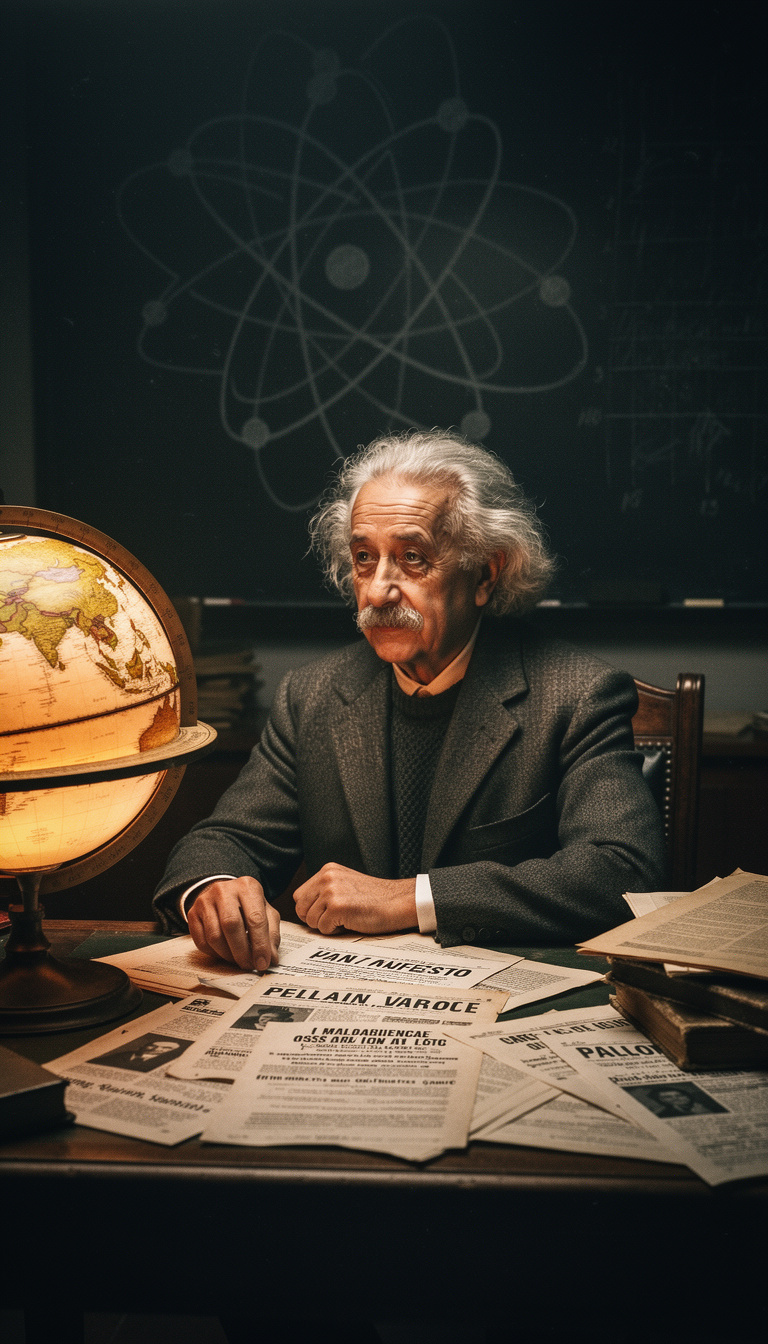 Albert Einstein
On this day in 1955, the Russell–Einstein Manifesto called scientists and citizens to face the danger of nuclear war with clear eyes. Knowledge without responsibility is incomplete. The manifesto asked a blunt question: shall we put an end to the human race, or shall we renounce war?
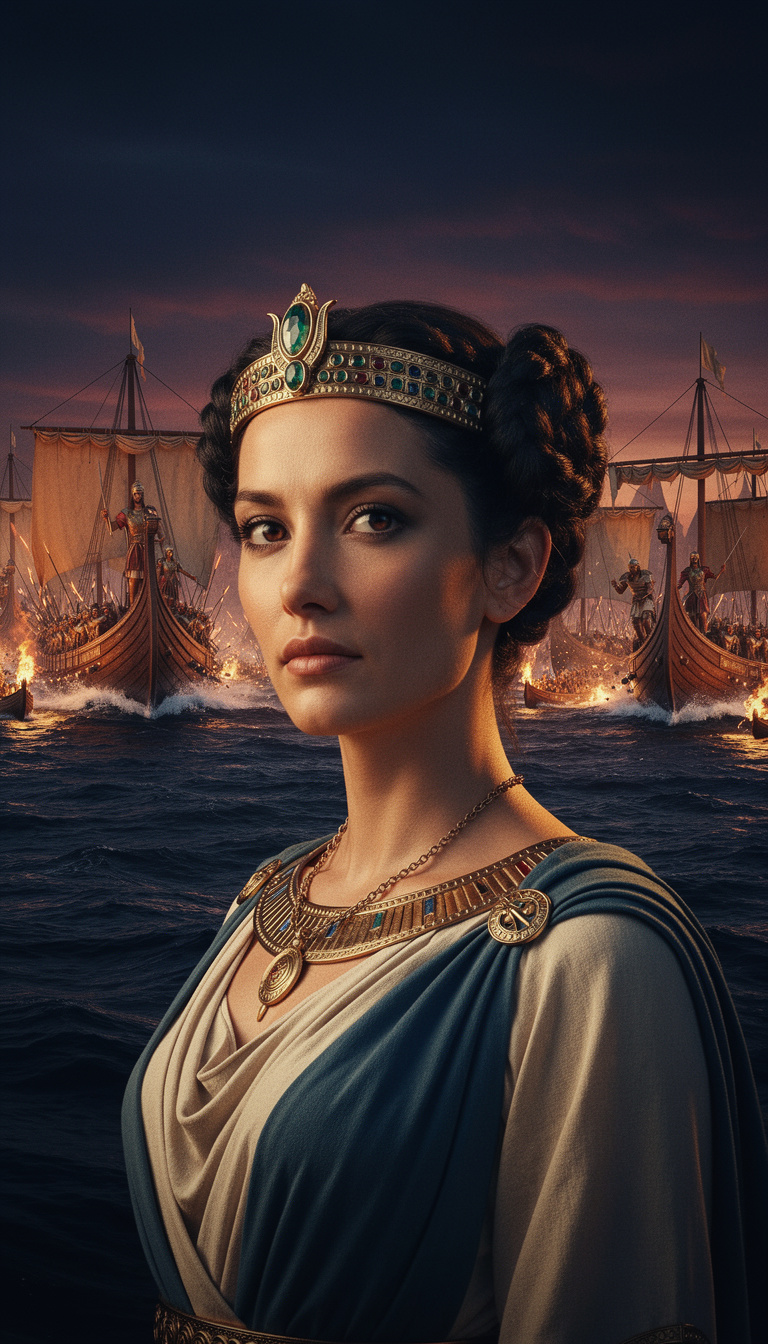 Cleopatra VII
Actium was not only a battle. It was a hinge. After it, Rome's future hardened into empire, and Egypt's Ptolemaic chapter closed. Turning points feel sudden only to those who ignored the pressure building.
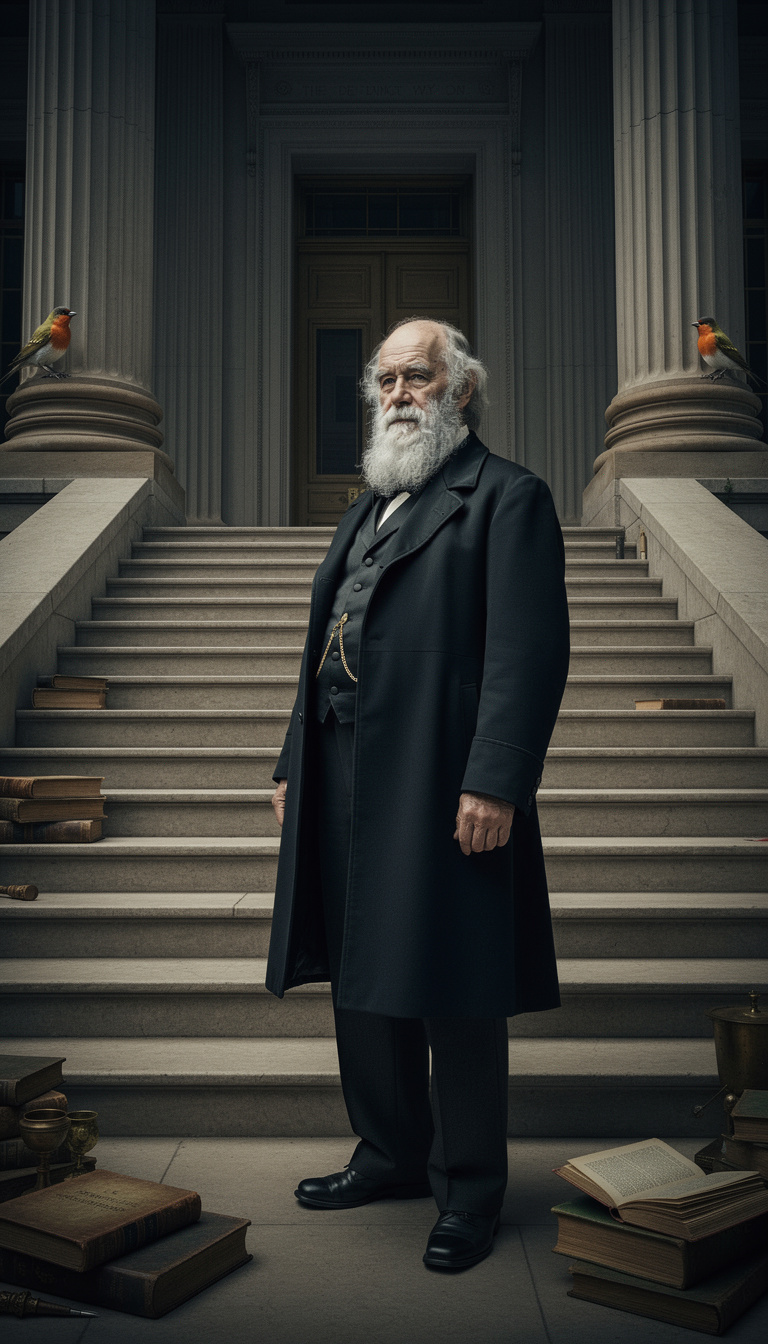 Charles Darwin
On July 10, 1925, the Scopes Trial opened in Tennessee — a public clash over teaching evolution. Ideas do not only live in books. They walk into schools, laws, and arguments about who we are.
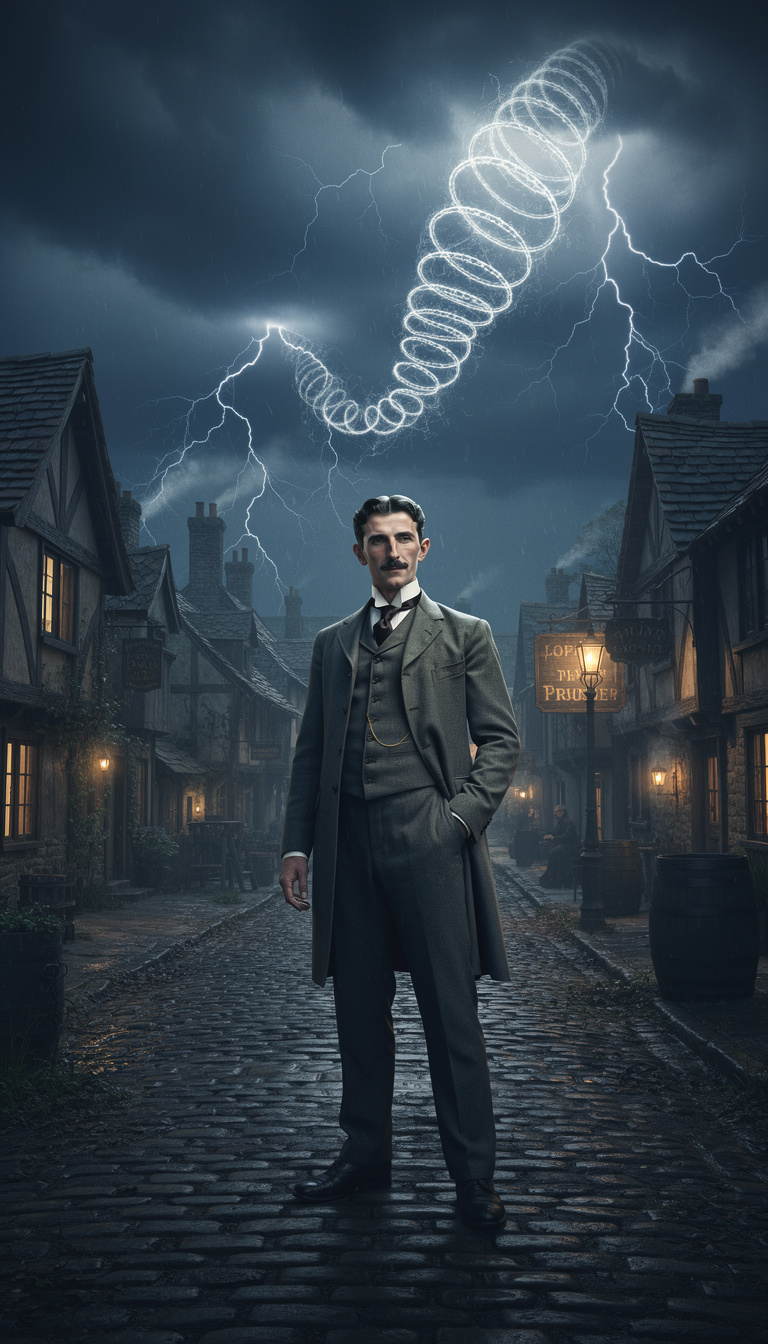 Nikola Tesla
On this day in 1856, Nikola Tesla was born. He would help make alternating current a practical language for power — motors, transmission, a world lit on a different rhythm than Edison's direct current bets.
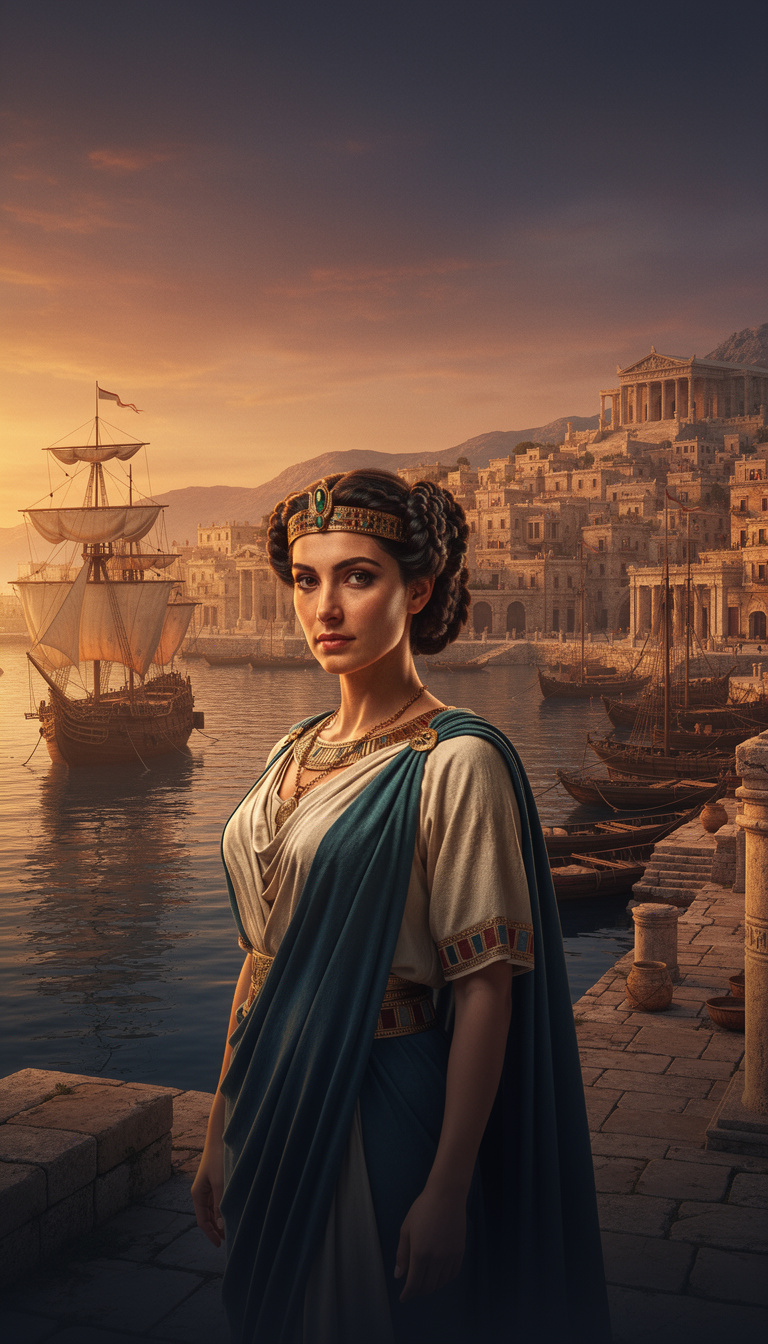 Cleopatra VII
Train your eye: one detail is from the wrong century.
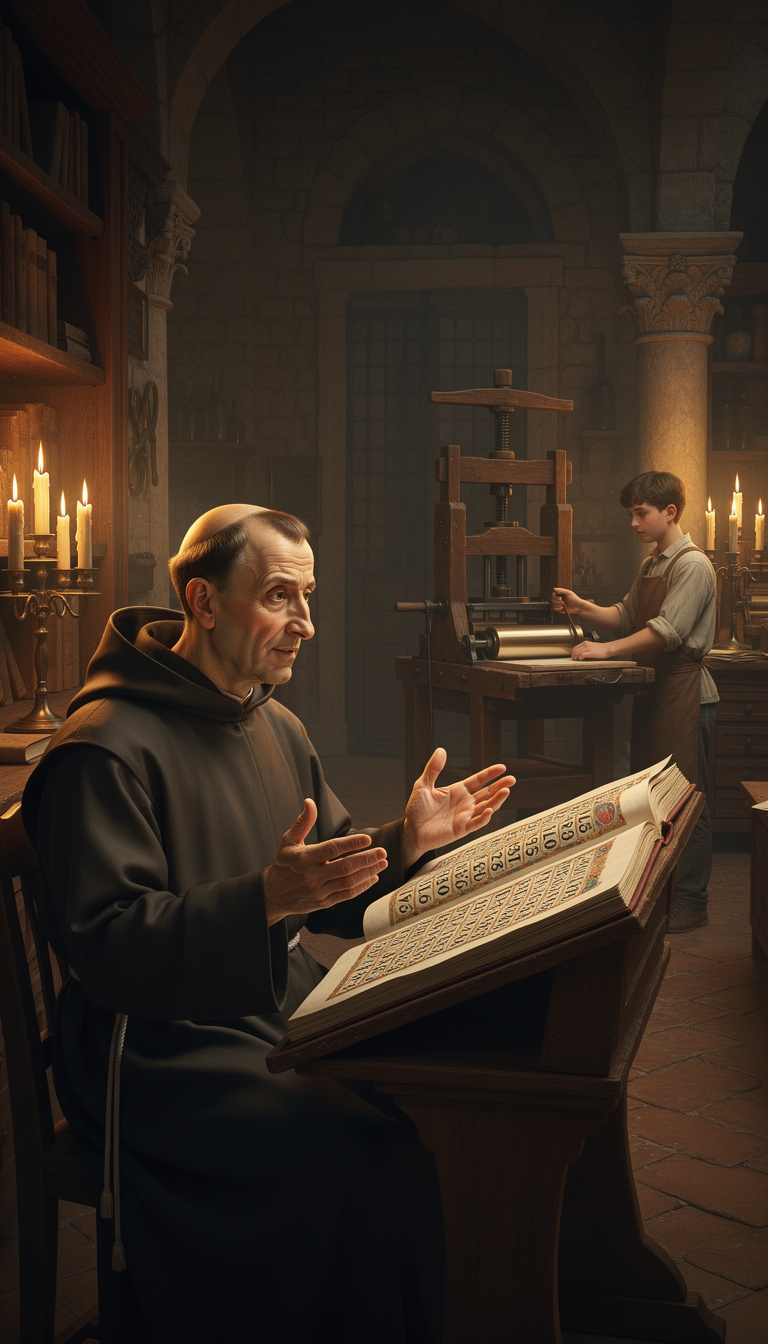 Luca Pacioli
Nel 1494, a Venezia, la mia Summa de Arithmetica vedeva la luce — non un giorno preciso come oggi, ma un'estate che cambiò il commercio europeo. Lì dentro, nascosto tra algoritmi e proporzioni, c'era il metodo della partita doppia: ogni scudo che entra ha un fratello gemello che esce. Nessun mercante più solo con la memoria traballante. Non inventai io questo sistema — i veneziani lo coltivavano da secoli. Ma lo ordinai, lo spiegai, lo diedi alle stampe. La chiarezza è anche un atto di carità.