July 26 · Today in history
Dramatized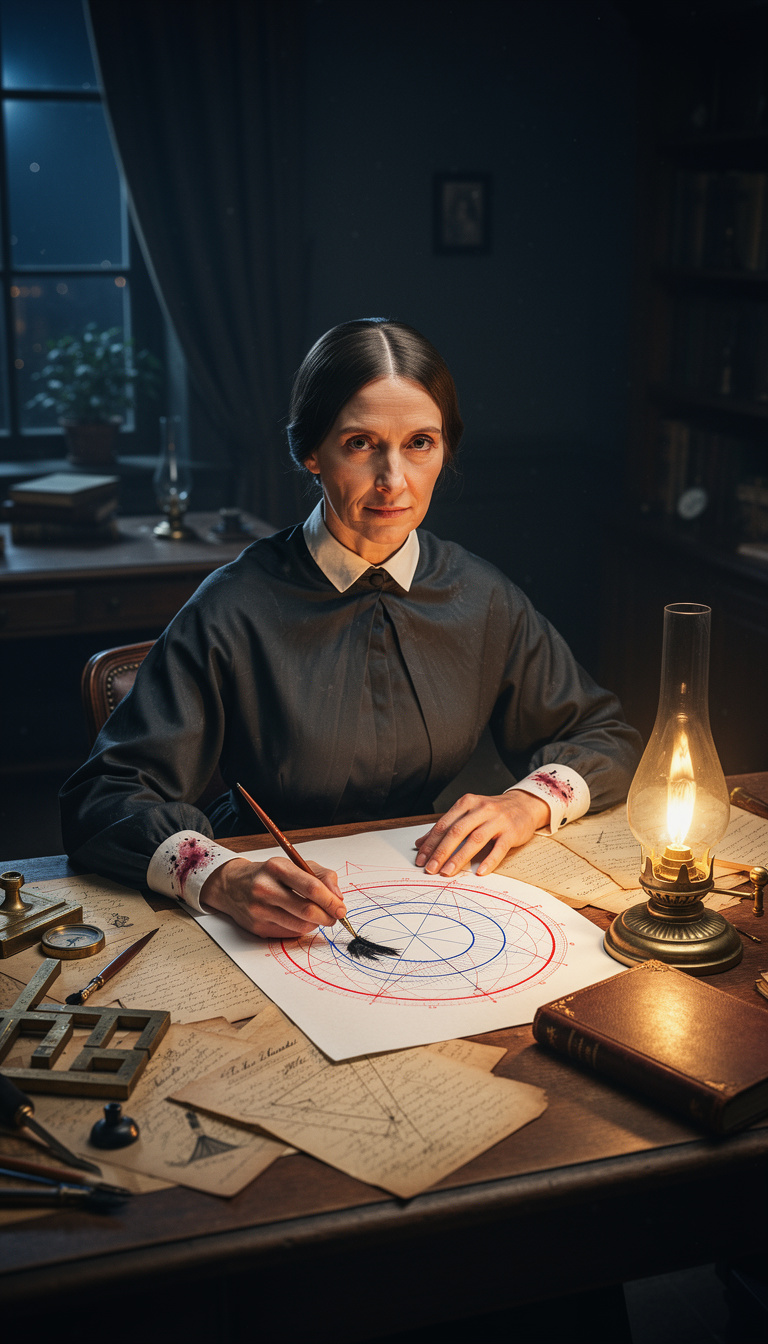
July 26, 1856 — the Royal Commission on the Sanitary State of the Army is finally winding closed, and I am forty-one, still half-invalid from Crimea, still at my desk at 3 a.m. with ink on my cuffs. Lord Panmure wanted me silent. I refused. My 830 pages of evidence — tables of death, barrack dimensions, the precise cubic feet of air per soldier — sit in print now, irrefutable as geometry. They cannot un-ink what I measured. My mother thinks I ruin my health. She is not wrong. But I have seen the numbers: 16,000 men dead from filth and foul air, not from Russian steel. The commission ends; my war begins anew. I am already sketching the diagrams that will shame the War Office — roses of red and blue and black, each petal a month of mortality. A chart can be a scream, if drawn with sufficient rigor. Had I only known how many more windows I would fight to open.
Explain more
The Royal Commission on the Health of the Army (1856–1857) investigated catastrophic death rates in the Crimean War. Nightingale served as expert witness and effectively directed its statistical analysis, though as a woman she could not officially sit on the commission. Her 'rose diagram' polar area charts later visualized this data in her 1858 'Notes on Matters Affecting the Health, Efficiency, and Hospital Administration of the British Army.'
Why it matters
This commission established the principle that military — and by extension civilian — health could be systematically measured, compared, and reformed through data rather than tradition or rank.
Try today
Measure one thing you merely guess at: your sleep, your room's ventilation, your daily steps. The act of recording transforms complaint into actionable intelligence.
What is true / dramatized: Dramatized. Educational entertainment — not a primary historical source.
Royal Commission on the Sanitary State of the Army (1856–1857); Nightingale's contributions documented in 'Notes on Matters Affecting the Health, Efficiency, and Hospital Administration of the British Army' (1858)
Difficulty: medium · ~5 min
Related
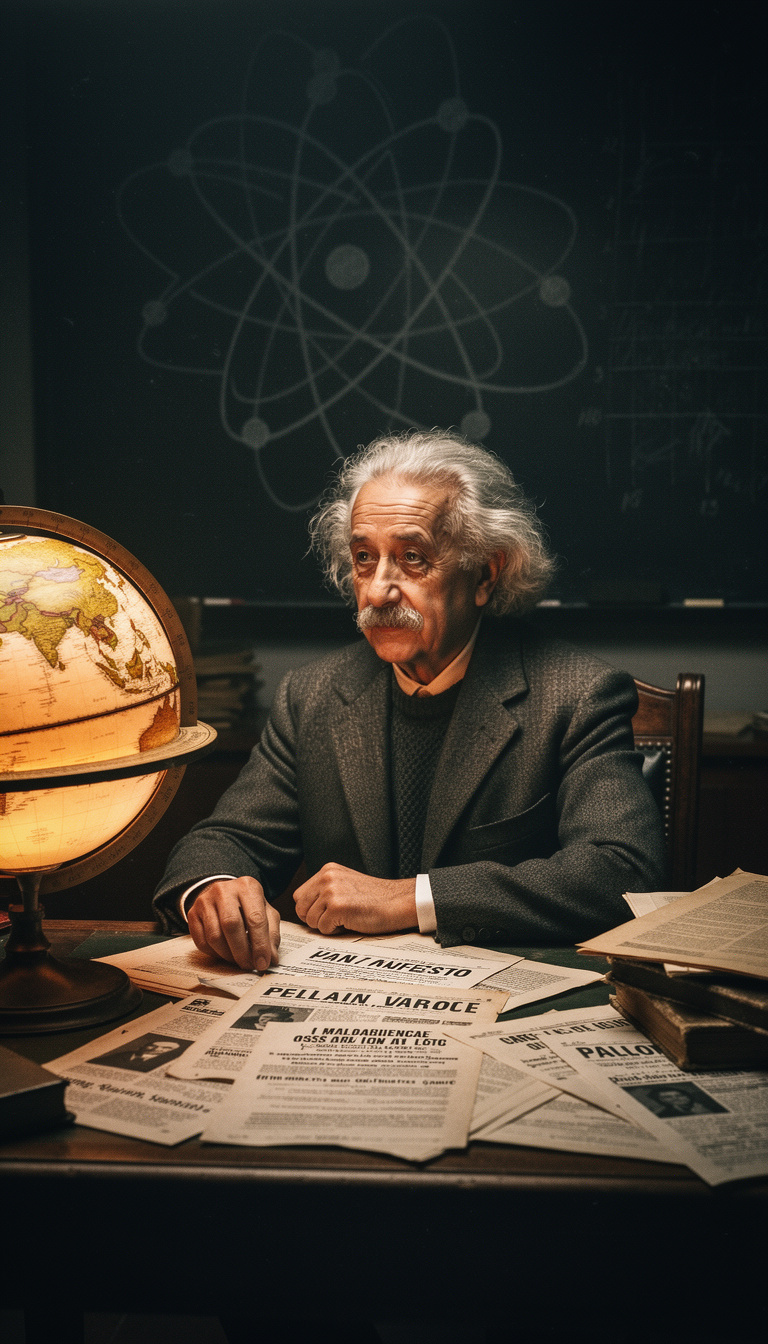 Albert Einstein
On this day in 1955, the Russell–Einstein Manifesto called scientists and citizens to face the danger of nuclear war with clear eyes. Knowledge without responsibility is incomplete. The manifesto asked a blunt question: shall we put an end to the human race, or shall we renounce war?
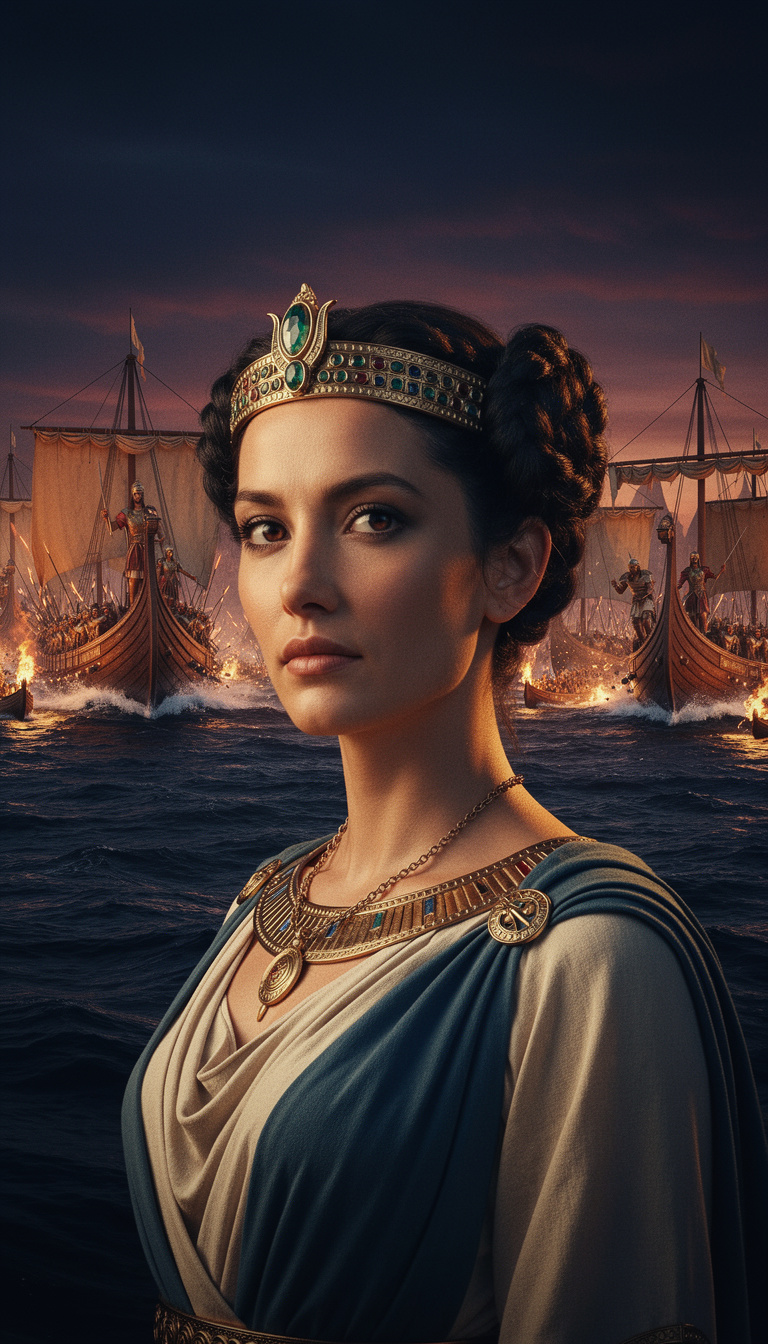 Cleopatra VII
Actium was not only a battle. It was a hinge. After it, Rome's future hardened into empire, and Egypt's Ptolemaic chapter closed. Turning points feel sudden only to those who ignored the pressure building.
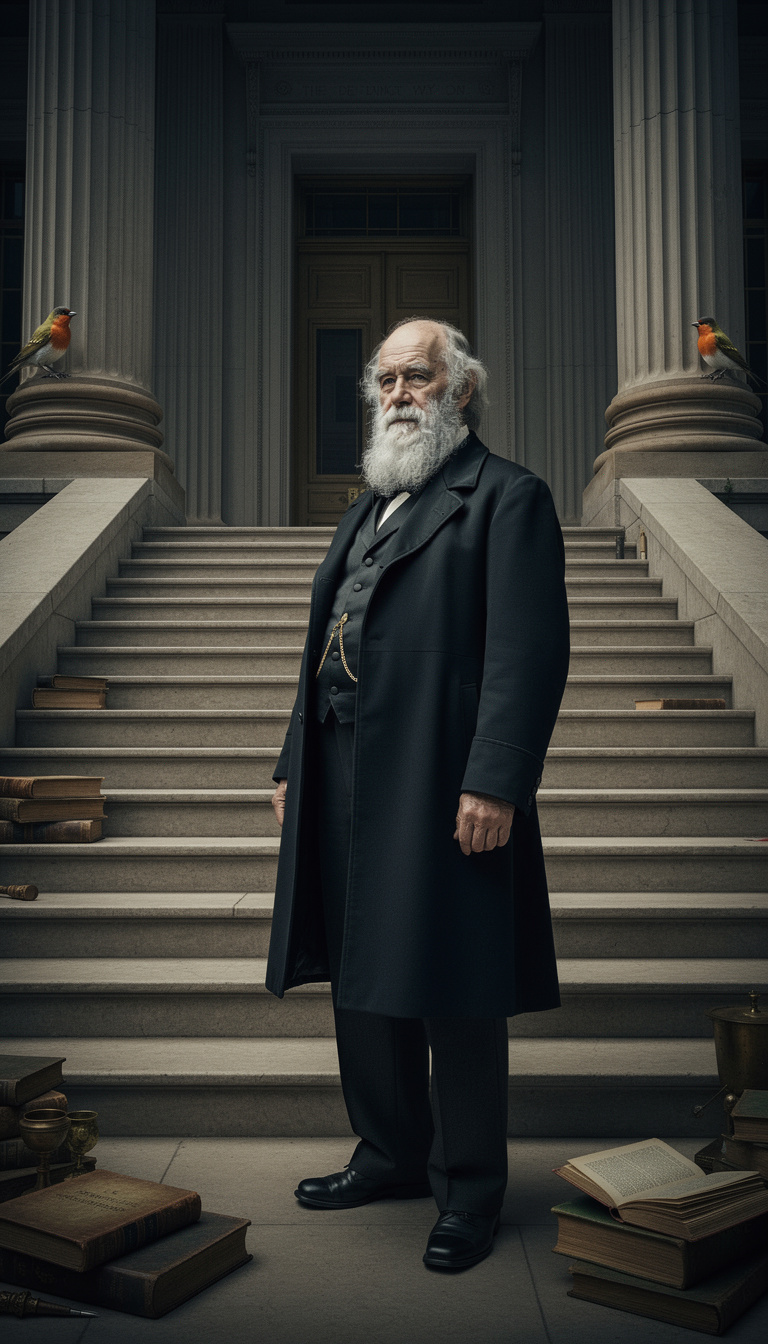 Charles Darwin
On July 10, 1925, the Scopes Trial opened in Tennessee — a public clash over teaching evolution. Ideas do not only live in books. They walk into schools, laws, and arguments about who we are.
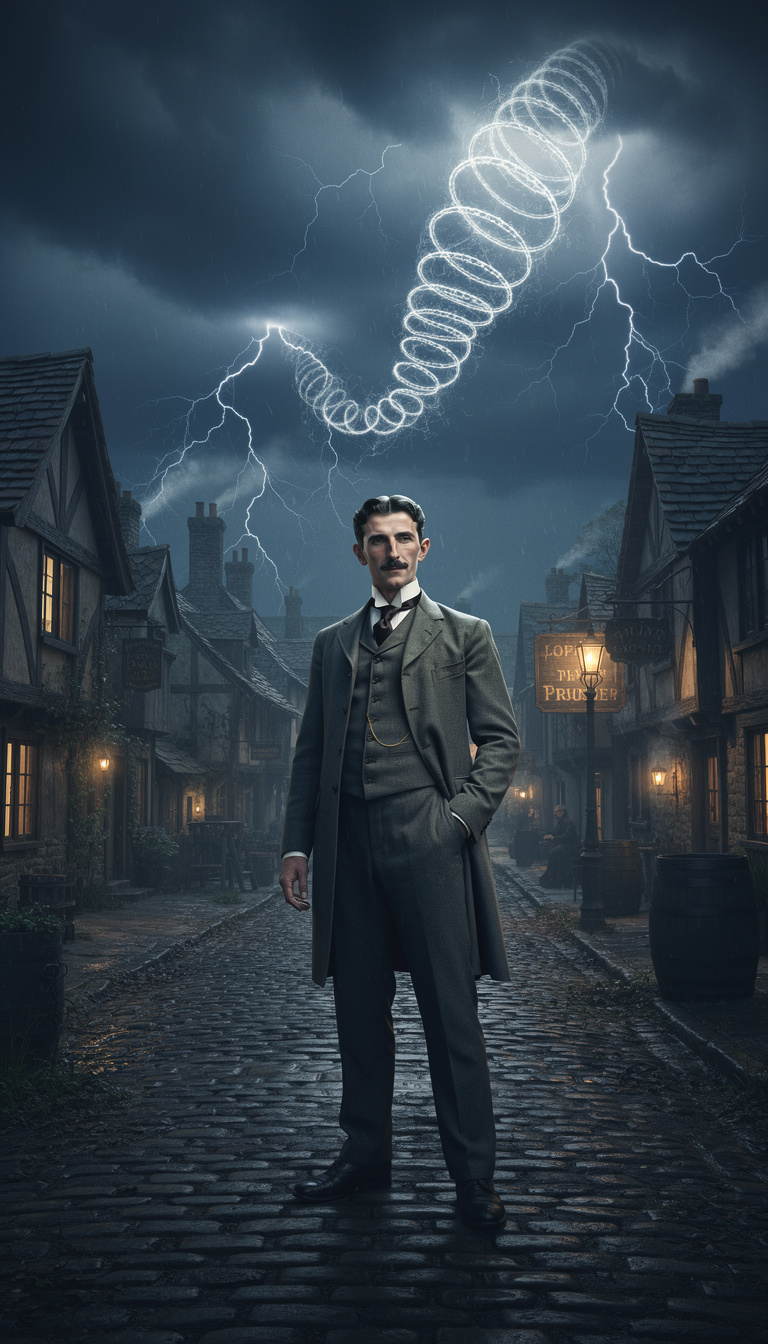 Nikola Tesla
On this day in 1856, Nikola Tesla was born. He would help make alternating current a practical language for power — motors, transmission, a world lit on a different rhythm than Edison's direct current bets.
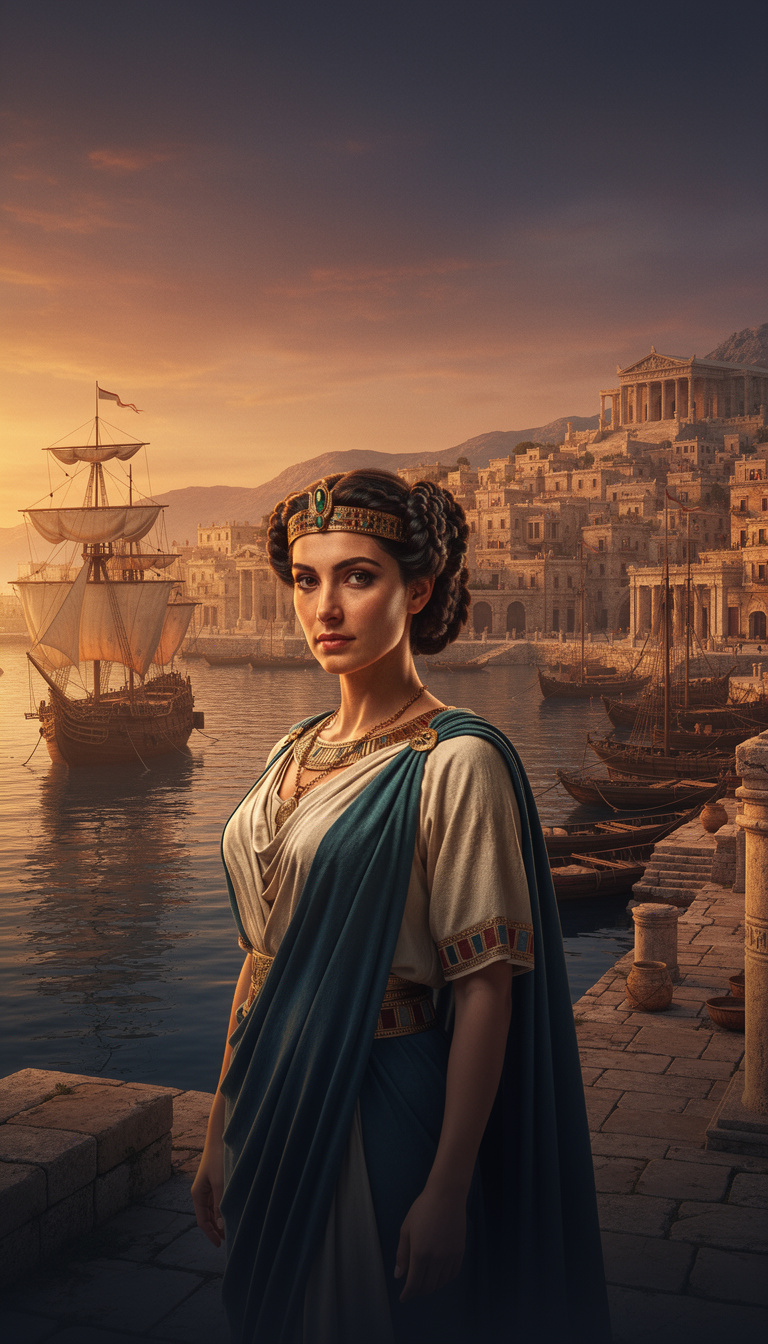 Cleopatra VII
Train your eye: one detail is from the wrong century.
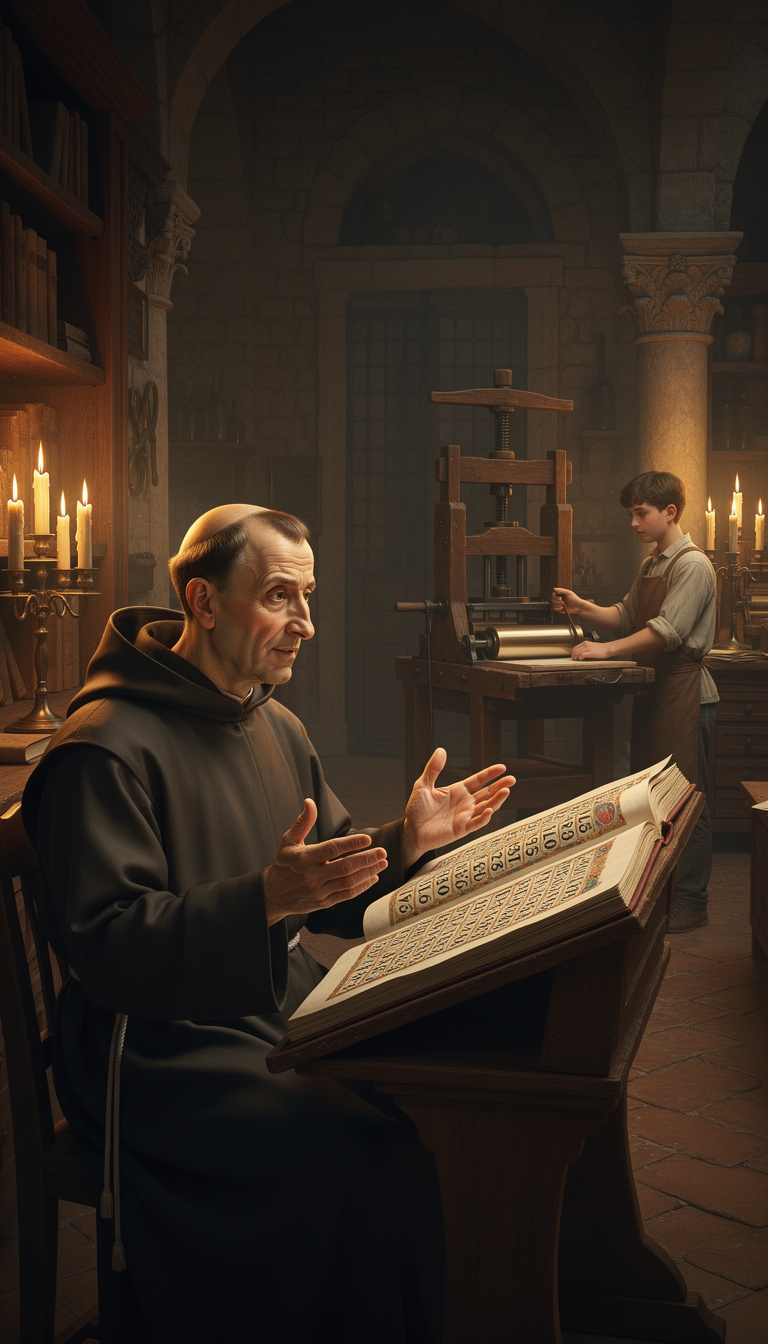 Luca Pacioli
Nel 1494, a Venezia, la mia Summa de Arithmetica vedeva la luce — non un giorno preciso come oggi, ma un'estate che cambiò il commercio europeo. Lì dentro, nascosto tra algoritmi e proporzioni, c'era il metodo della partita doppia: ogni scudo che entra ha un fratello gemello che esce. Nessun mercante più solo con la memoria traballante. Non inventai io questo sistema — i veneziani lo coltivavano da secoli. Ma lo ordinai, lo spiegai, lo diedi alle stampe. La chiarezza è anche un atto di carità.