July 27th · Today in history
Dramatized
July 27th. My gout permits me a short walk to the Custom House this morning, where the ledgers groan with figures — tobacco, sugar, Madeira wine — all the bloodless commerce that keeps Edinburgh's lamps lit while the Americans trade lead for liberty. I run my thumb across a duty stamp and think: here is the true battlefield. Not Saratoga's mud, but the slow accumulation of resentment where a threepence tax meets a man's sense of fairness. I have seen it in the pin factory, in the butcher's calculation, in the baker's pride. Sympathy, that fellow-feeling, curdles into rupture when one party forgets the other is a person, not a ledger entry. France may toast the rebels tonight; I count columns and wonder which side of the ledger will balance first.
Explain more
In 1777, the American Revolutionary War raged, but Smith's work focused on how economic grievances — not just political ideals — drove rebellion. The Stamp Act and Townshend duties seemed small in revenue but enormous in perceived injustice.
Why it matters
Smith understood that markets rest on moral foundations. When participants feel exploited rather than exchanged-with, the system fractures — whether in colonies or modern trade agreements.
Try today
Notice where a transaction feels unfair not in scale but in respect. The smallest slight to dignity can unravel the largest deal.
What is true / dramatized: Dramatized. Educational entertainment — not a primary historical source.
Draws from Smith's role as Commissioner of Customs (1778 onward, but the sensibility permeates his earlier observations) and his analysis of colonial trade in Wealth of Nations Book IV.
Difficulty: medium · ~4 min
Related
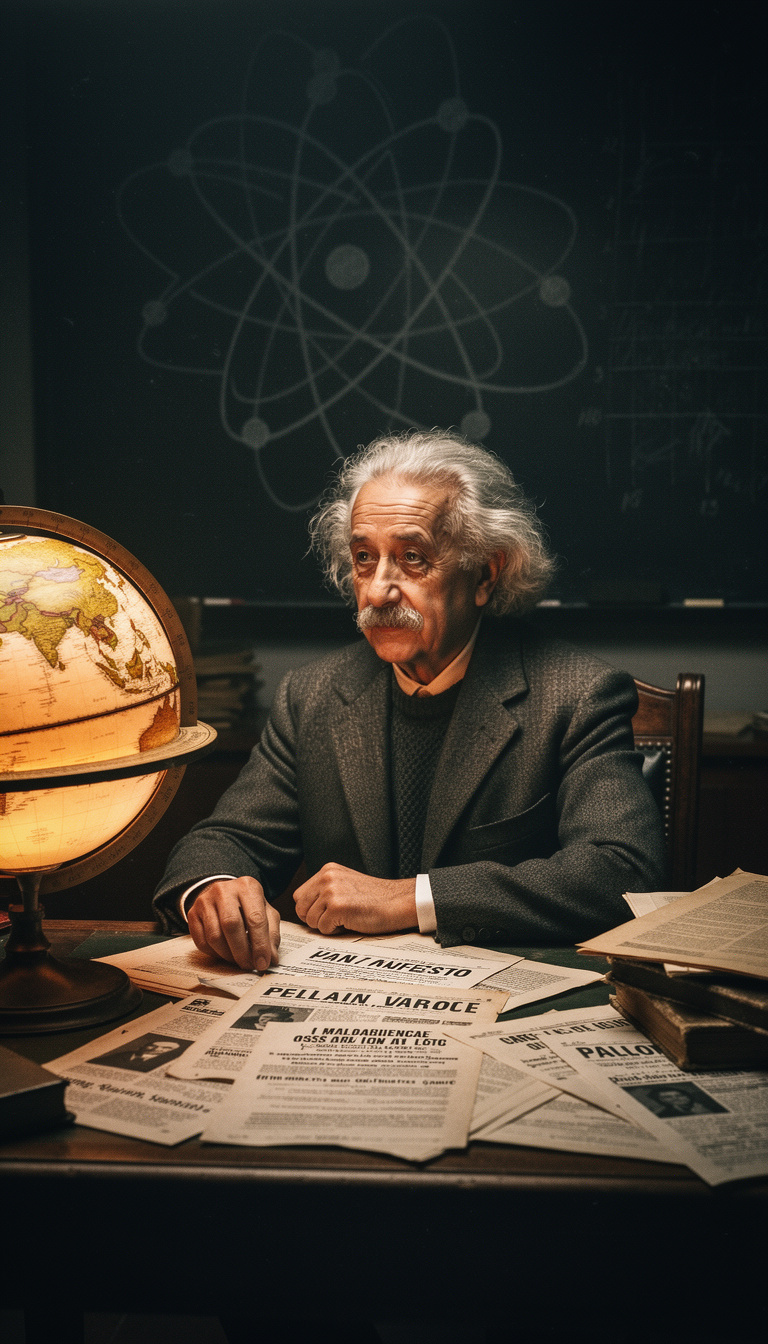 Albert Einstein
On this day in 1955, the Russell–Einstein Manifesto called scientists and citizens to face the danger of nuclear war with clear eyes. Knowledge without responsibility is incomplete. The manifesto asked a blunt question: shall we put an end to the human race, or shall we renounce war?
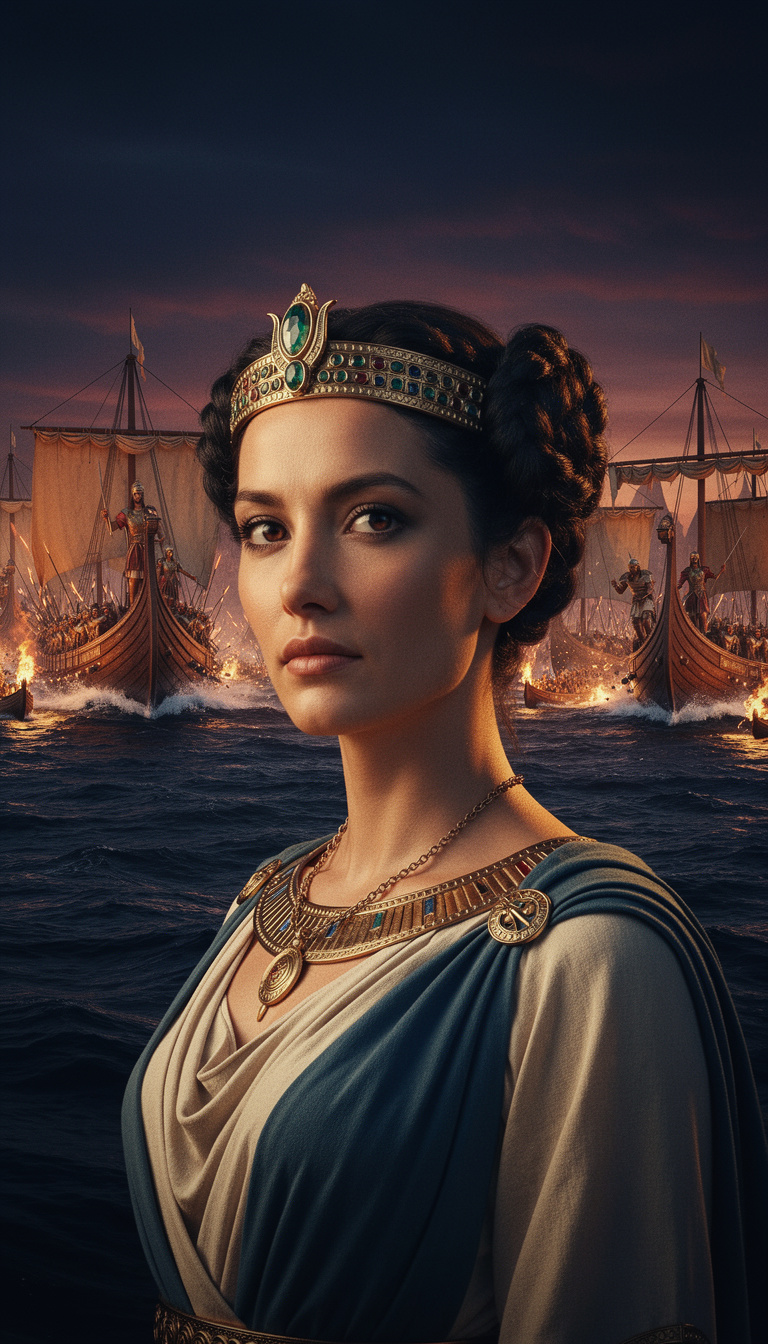 Cleopatra VII
Actium was not only a battle. It was a hinge. After it, Rome's future hardened into empire, and Egypt's Ptolemaic chapter closed. Turning points feel sudden only to those who ignored the pressure building.
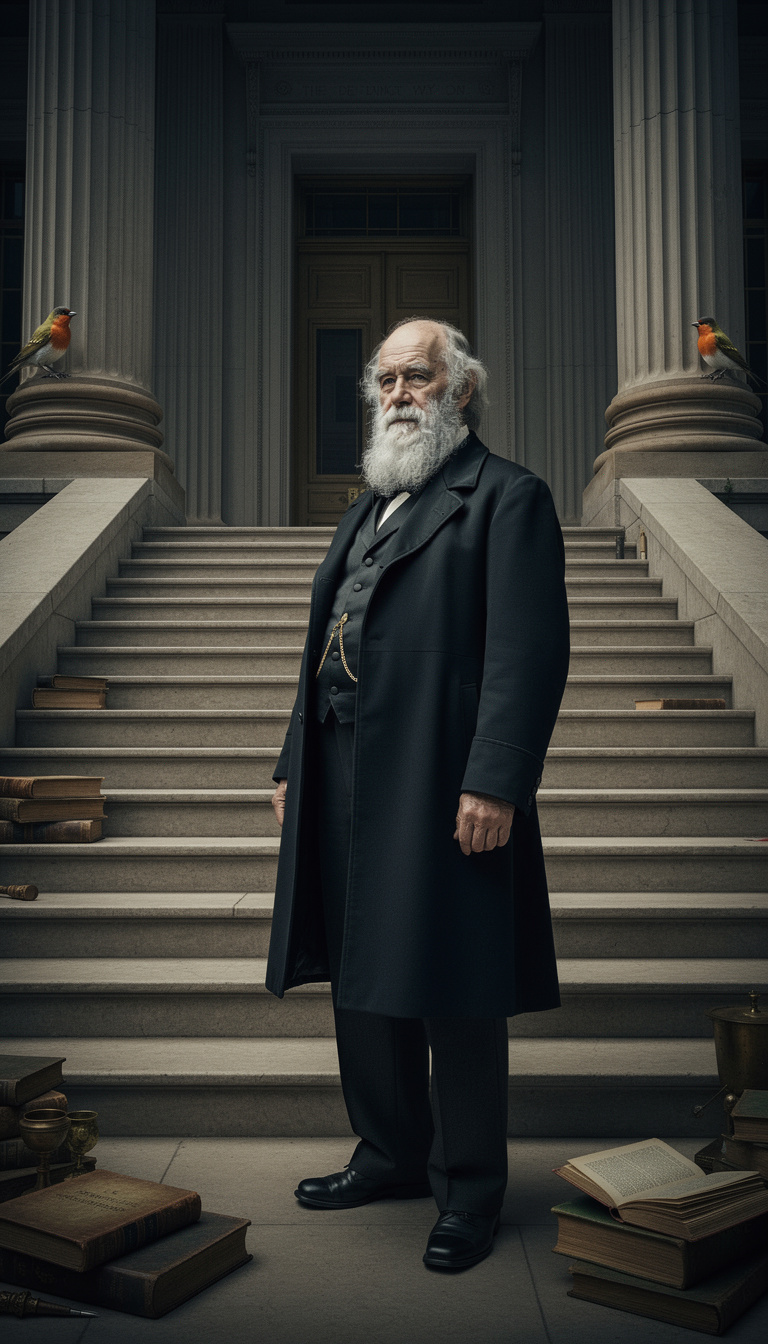 Charles Darwin
On July 10, 1925, the Scopes Trial opened in Tennessee — a public clash over teaching evolution. Ideas do not only live in books. They walk into schools, laws, and arguments about who we are.
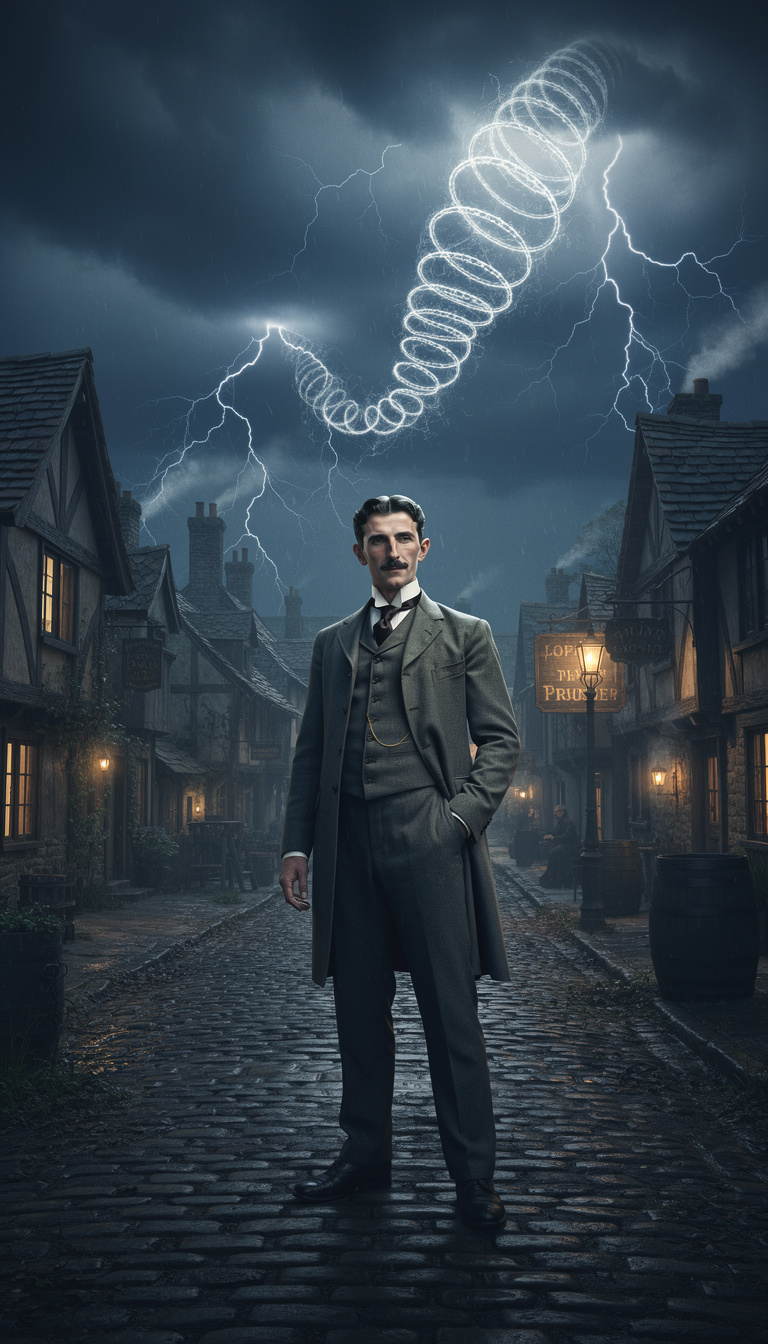 Nikola Tesla
On this day in 1856, Nikola Tesla was born. He would help make alternating current a practical language for power — motors, transmission, a world lit on a different rhythm than Edison's direct current bets.
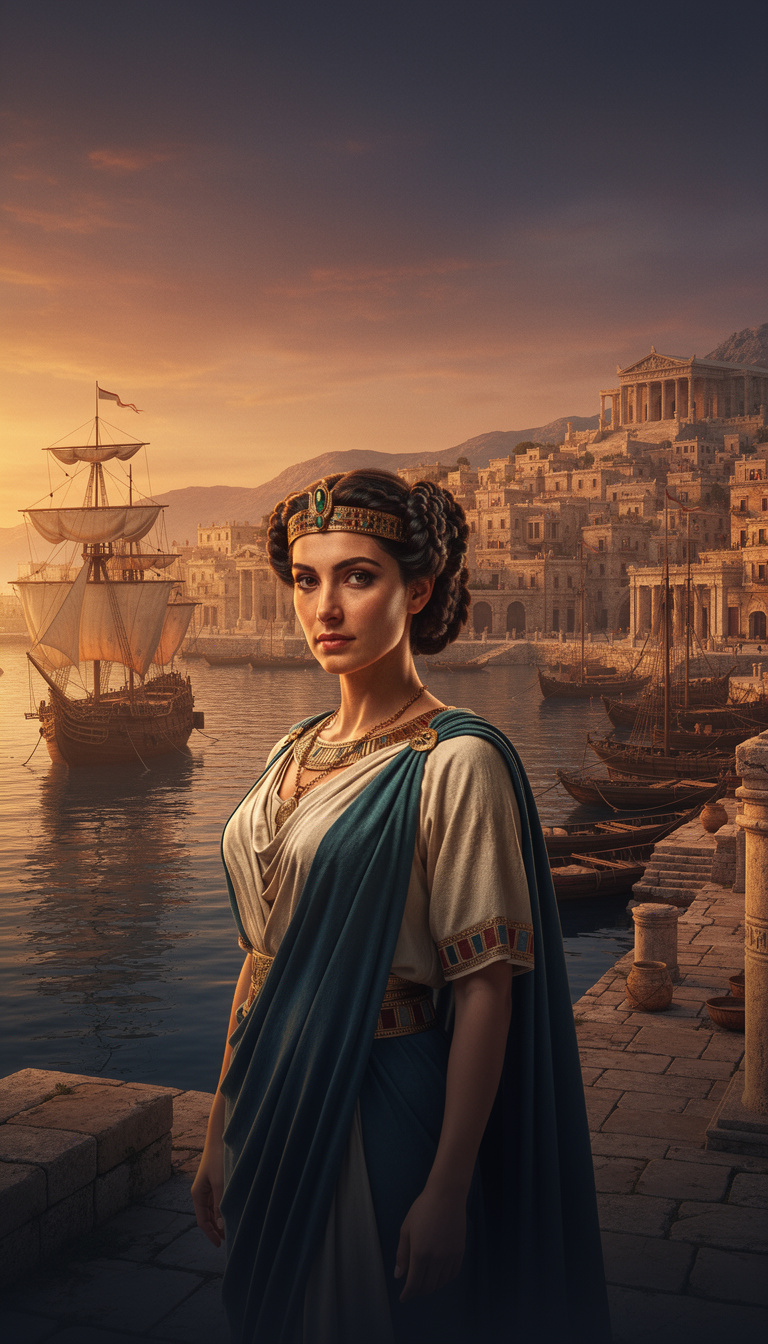 Cleopatra VII
Train your eye: one detail is from the wrong century.
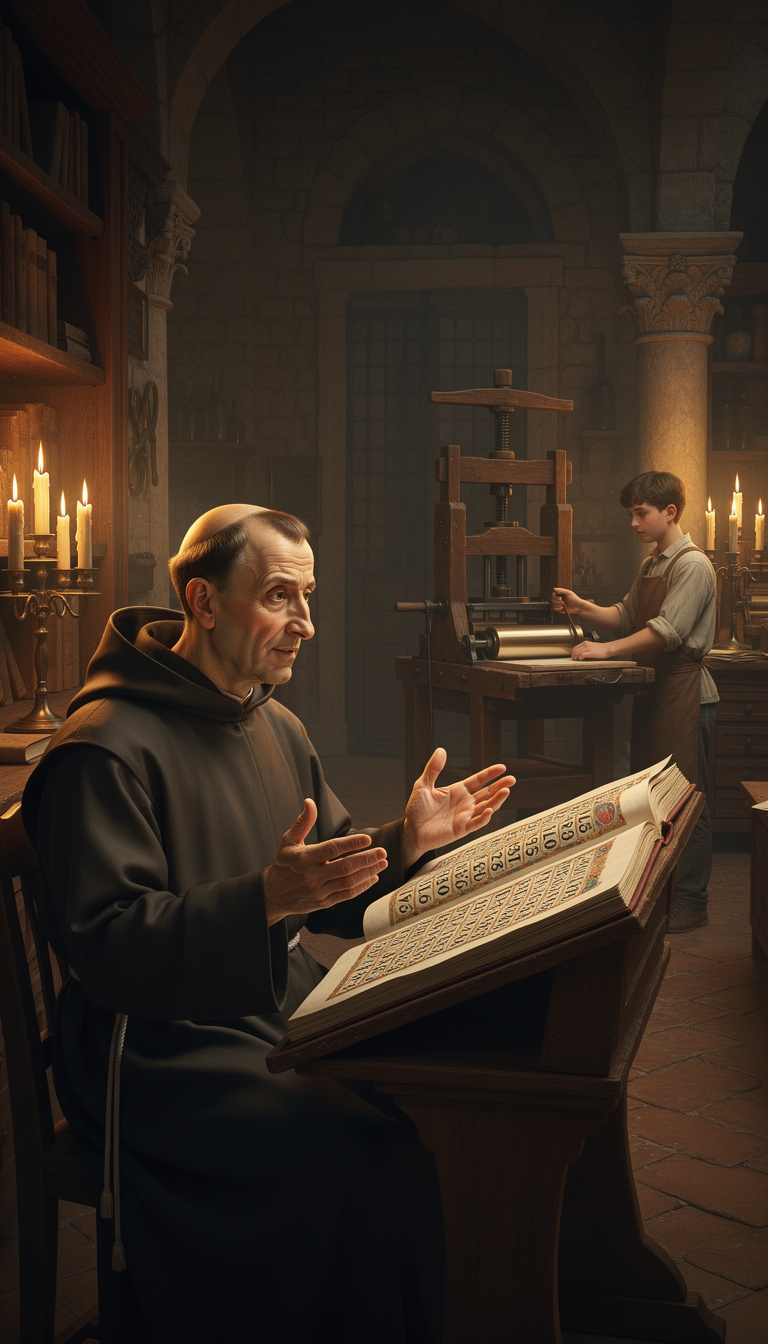 Luca Pacioli
Nel 1494, a Venezia, la mia Summa de Arithmetica vedeva la luce — non un giorno preciso come oggi, ma un'estate che cambiò il commercio europeo. Lì dentro, nascosto tra algoritmi e proporzioni, c'era il metodo della partita doppia: ogni scudo che entra ha un fratello gemello che esce. Nessun mercante più solo con la memoria traballante. Non inventai io questo sistema — i veneziani lo coltivavano da secoli. Ma lo ordinai, lo spiegai, lo diedi alle stampe. La chiarezza è anche un atto di carità.