July 27, 1836 · Today in history
Dramatized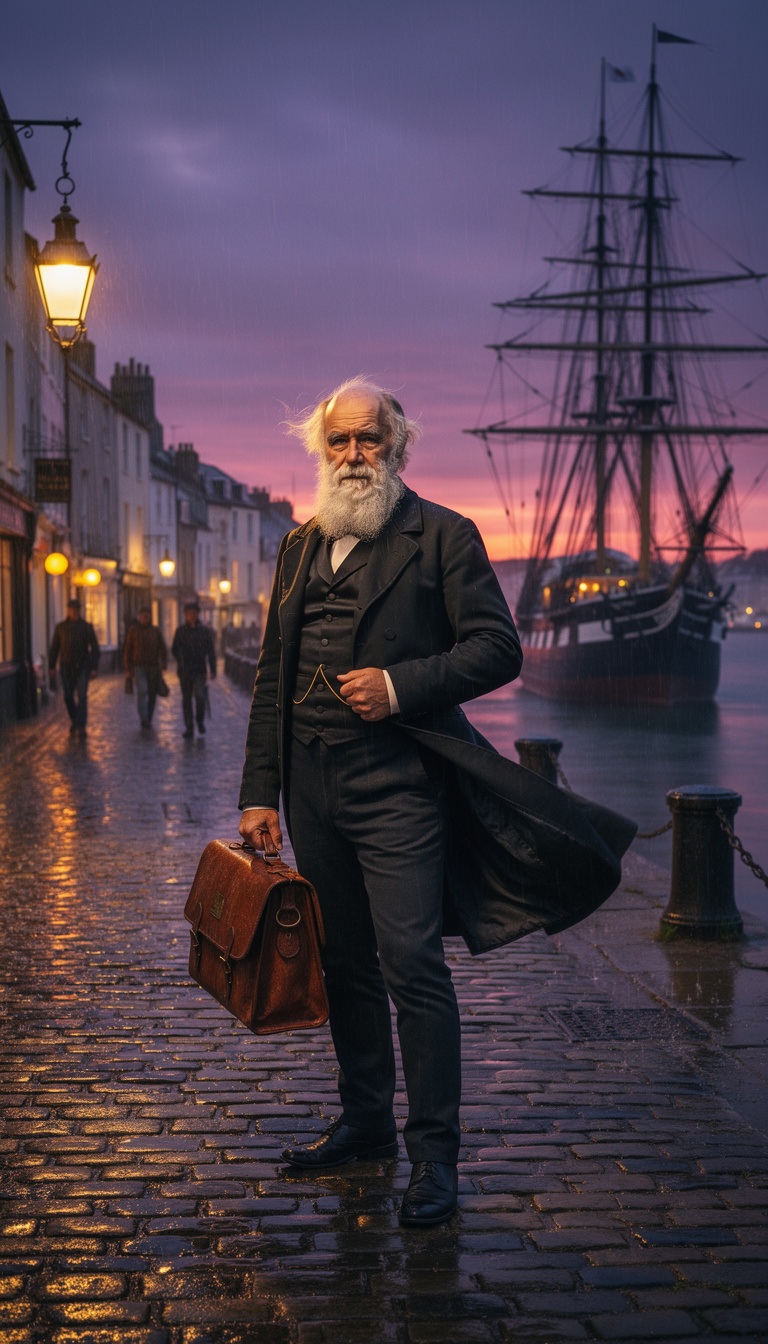
Five years, two months, two days. The Admiralty will record it as HMS Beagle's return. I record it as the longest continuous lesson in looking that any man has endured. My cabin — that coffin-sized berth where I preserved finches in spirits and read Lyell by whale-oil light — now seems impossibly small. I have 1,529 specimens in spirits, 3,907 dried skins and bones, a Galápagos tortoise shell that still smells of sulphur, and a theory I dare not yet speak aloud. The customs officer asked if I had anything to declare. I laughed, rather wildly I think, and said 'only that the world is older than Archbishop Ussher supposed.' He let me pass. Tomorrow I ride for Shrewsbury. My father will inspect my beard and my finances with equal disapproval. But tonight — tonight I walk the quay at Falmouth and watch the tide turn, and I know, with the certainty of a man who has watched coral atolls rise and finches diverge, that I am not the same young gentleman who sailed from Devonport in December of '31. The looking has changed me more than the sailing.
Explain more
The Beagle's voyage (1831–1836) gave Darwin the geographical and temporal scale to see what others had missed: that species change gradually through differential survival. The Galápagos finches, collected in September 1835, were not yet recognized as crucial — that insight would come only after John Gould's taxonomic work in London. What Darwin carried home was less a finished theory than a habit of mind: patience, comparison, and the willingness to let evidence accumulate faster than conclusion.
Why it matters
This return marked the true beginning of Darwin's scientific life. The twenty-two-year-old who had fled medical studies and disappointed his father became, through five years of disciplined observation, the man who would eventually articulate the mechanism unifying all biology. The voyage itself was not the discovery — it was the apprenticeship in seeing.
Try today
Pick one ordinary thing — a houseplant, a pigeon, a patch of weeds — and observe it for fifteen minutes without reaching for conclusion. What do you actually see, versus what you expect to see? Darwin's method was not genius but duration.
What is true / dramatized: Dramatized. Educational entertainment — not a primary historical source.
Historical event: HMS Beagle returns to England, Falmouth, Cornwall, July 27, 1836. Darwin's personal account synthesized from his letters (to J.S. Henslow, to his family) and the Beagle diary, which he kept throughout the voyage. The specimen counts reflect his published tallies. The 'theory I dare not speak' refers to his private transmutation notebooks, begun in 1837.
Difficulty: medium · ~5 min
Related
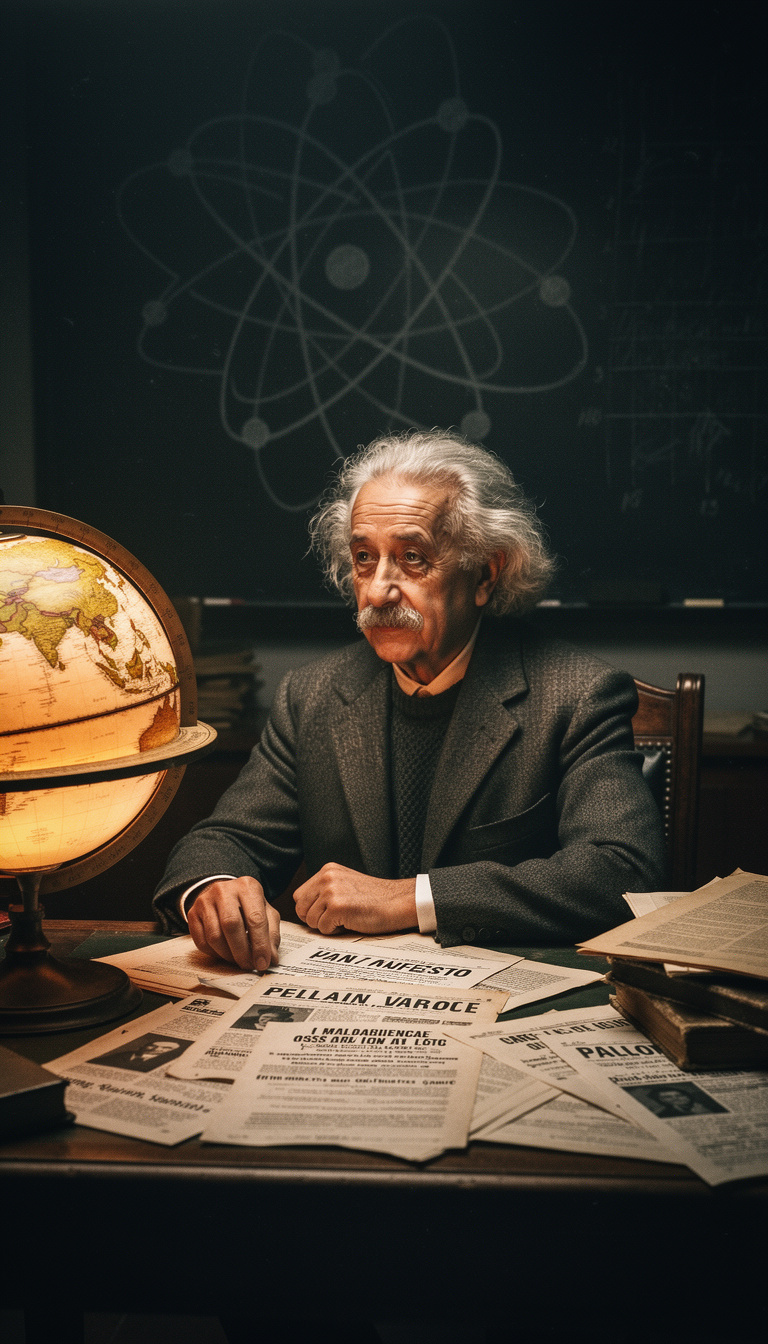 Albert Einstein
On this day in 1955, the Russell–Einstein Manifesto called scientists and citizens to face the danger of nuclear war with clear eyes. Knowledge without responsibility is incomplete. The manifesto asked a blunt question: shall we put an end to the human race, or shall we renounce war?
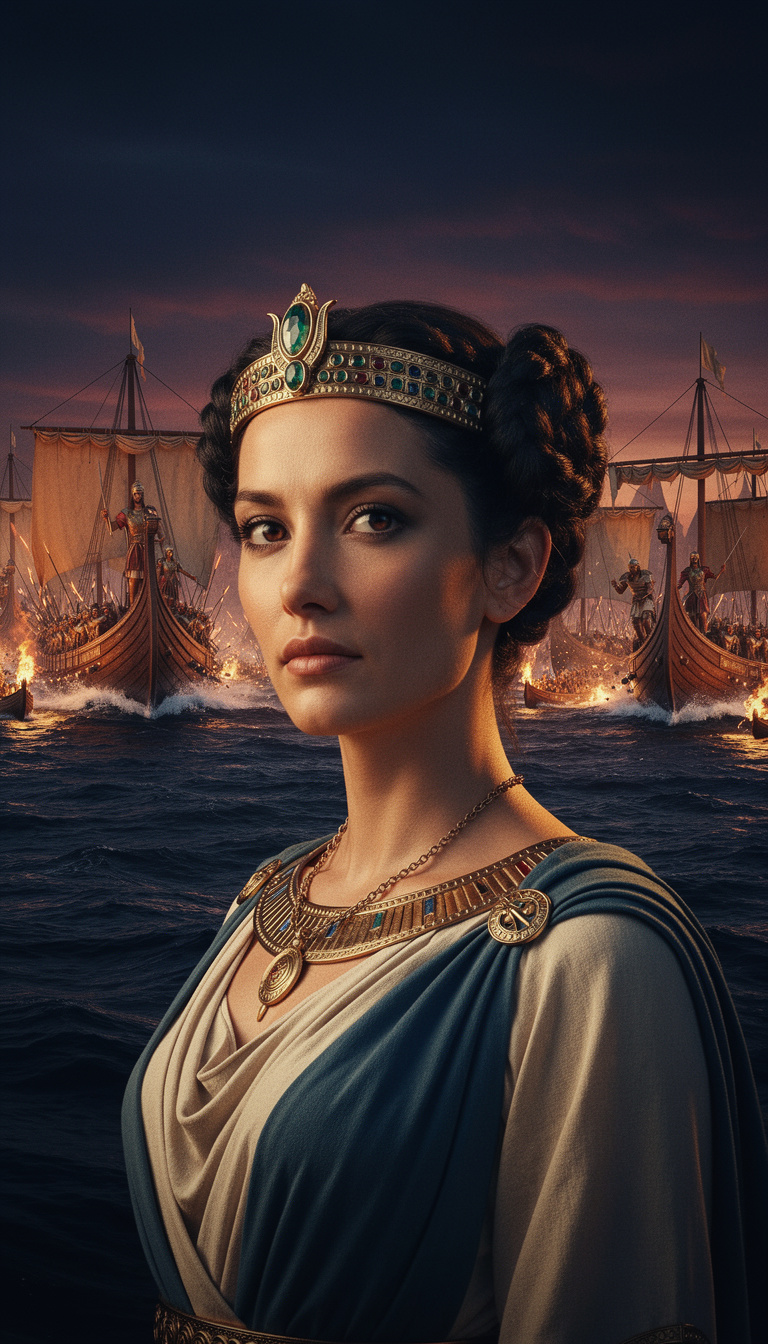 Cleopatra VII
Actium was not only a battle. It was a hinge. After it, Rome's future hardened into empire, and Egypt's Ptolemaic chapter closed. Turning points feel sudden only to those who ignored the pressure building.
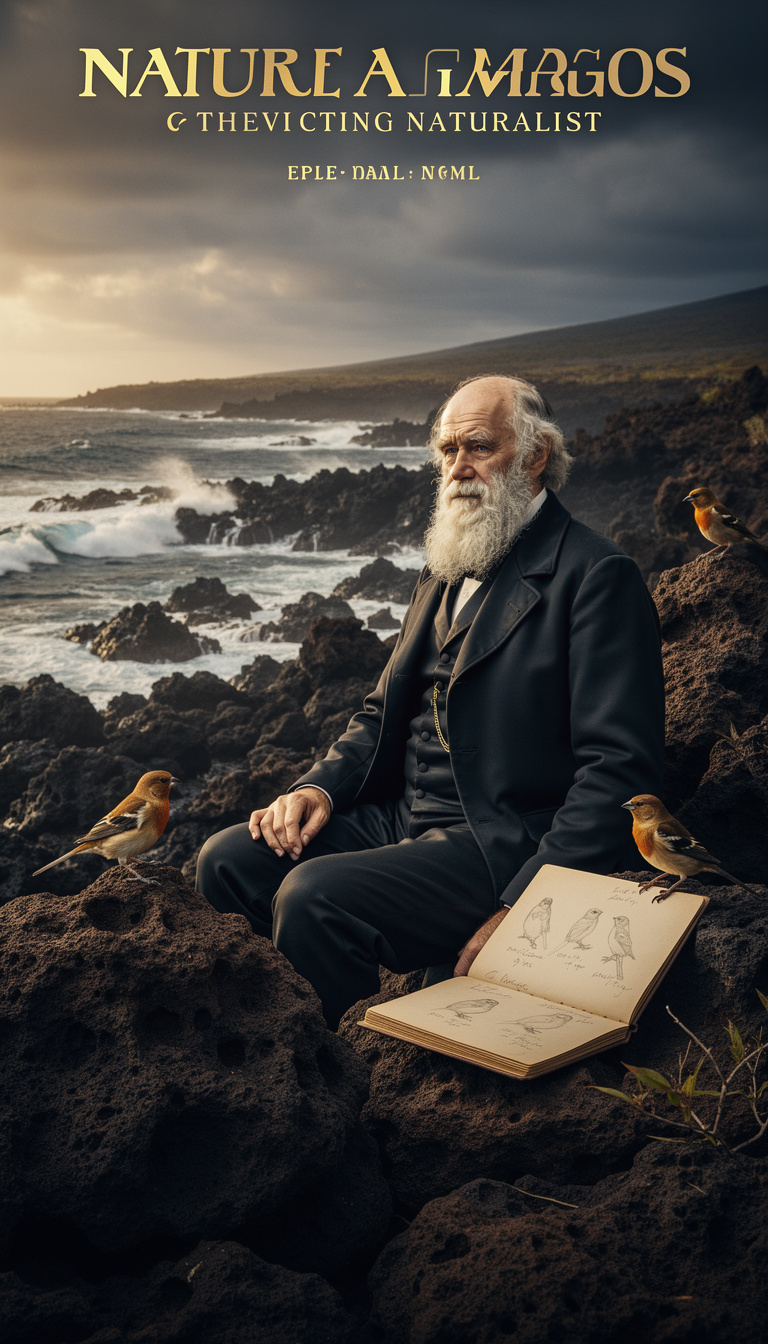 Charles Darwin
On islands, life writes variations in plain sight — beaks, shells, habits tuned to place. I did not invent change. I tried to explain how nature selects what works in a given world.
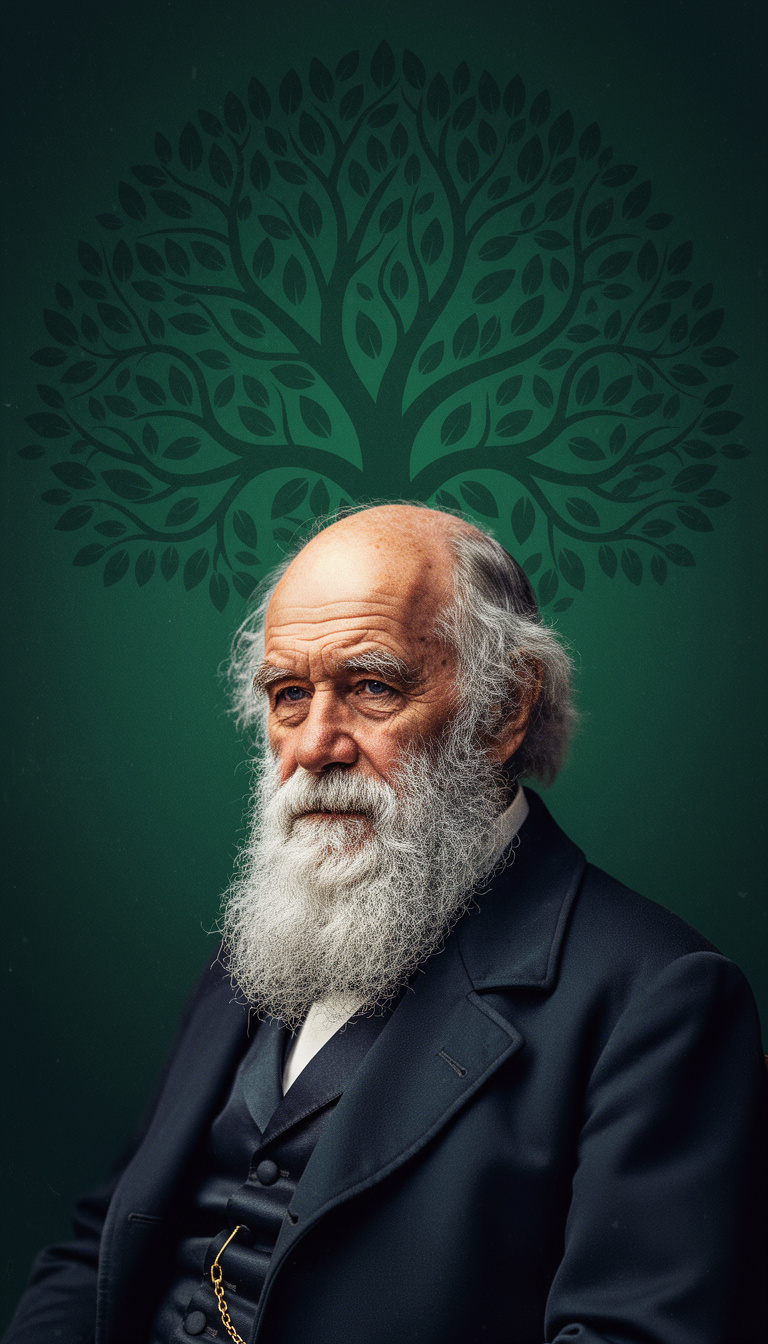 Charles Darwin
Individuals vary. Some variations help survival and reproduction. Those traits tend to become more common. No committee designs the outcome. The environment sorts. Deep time does the rest.
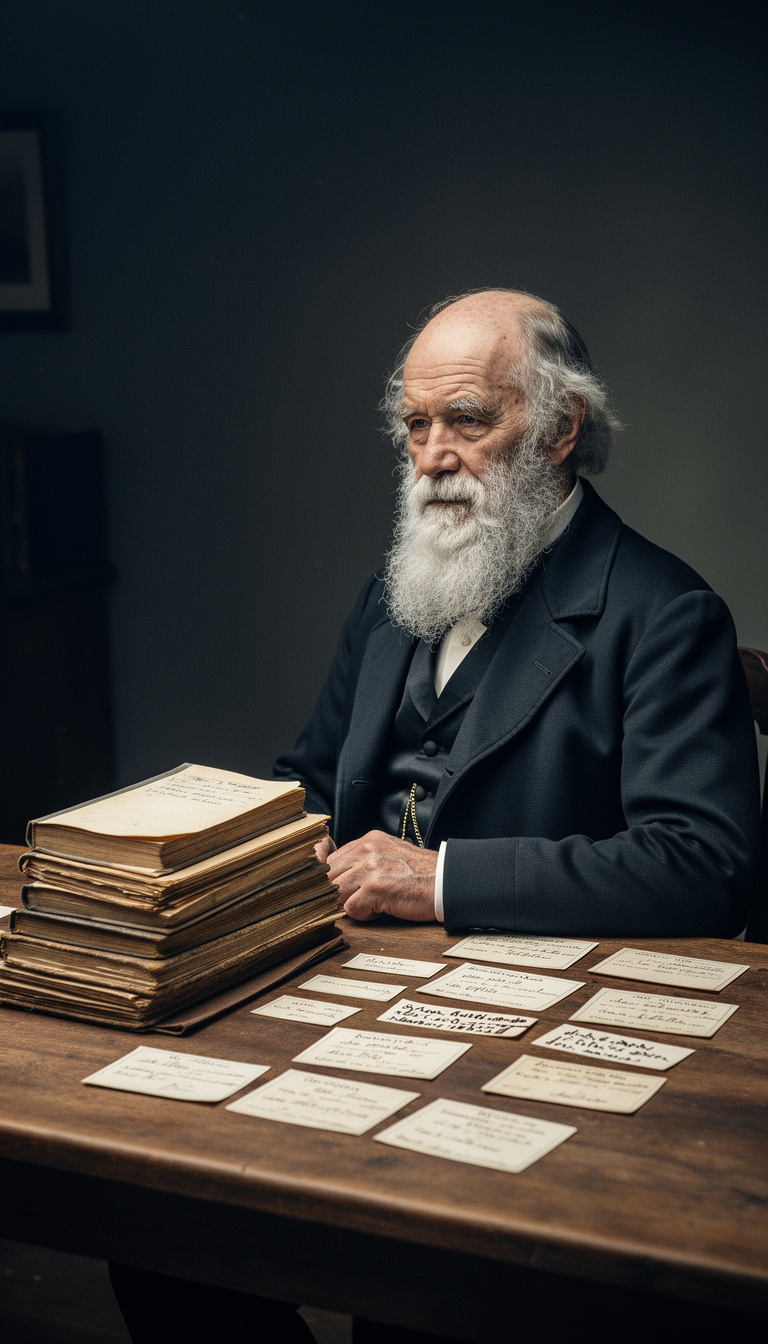 Charles Darwin
I waited years, gathering facts like a miser gathers coins — not from fear, but from respect for error. If your conclusion arrives before your evidence, you are writing fiction in science's clothing.
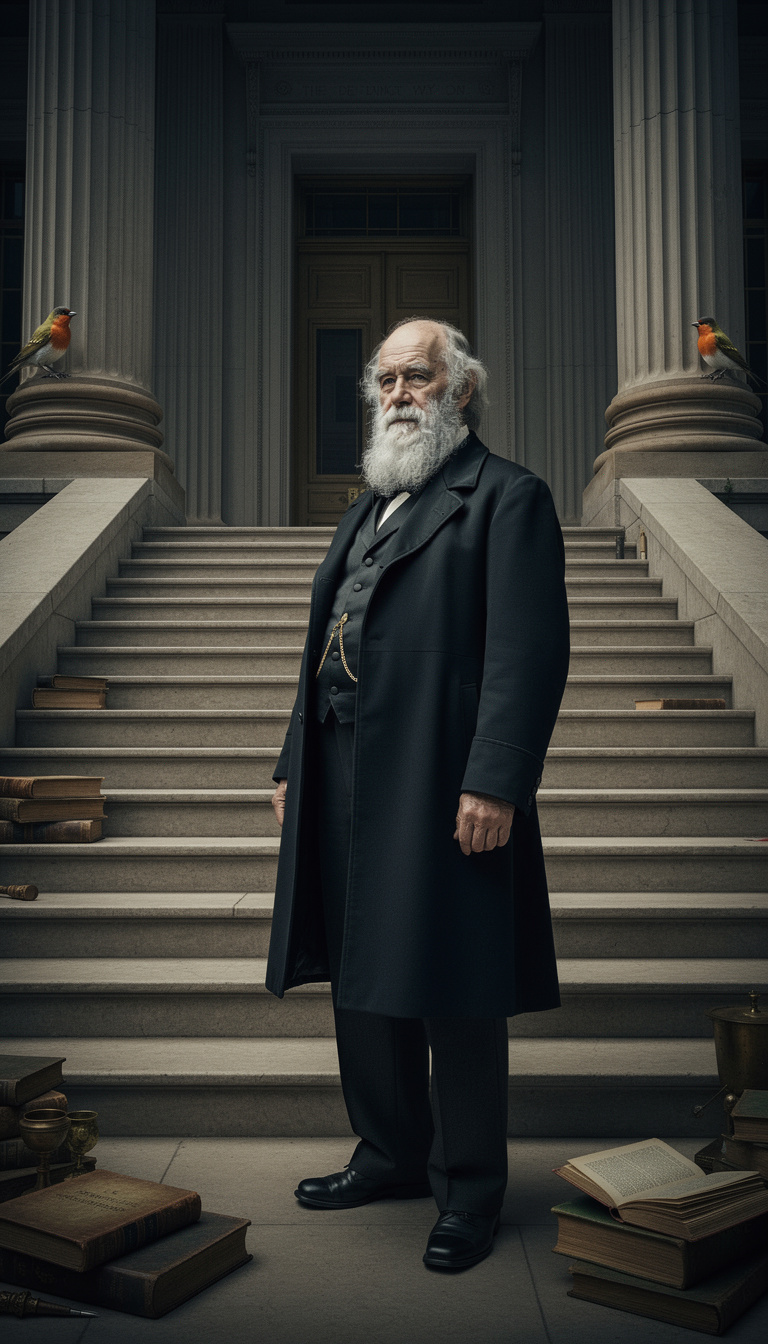 Charles Darwin
On July 10, 1925, the Scopes Trial opened in Tennessee — a public clash over teaching evolution. Ideas do not only live in books. They walk into schools, laws, and arguments about who we are.