July 27 · Today in History
Dramatized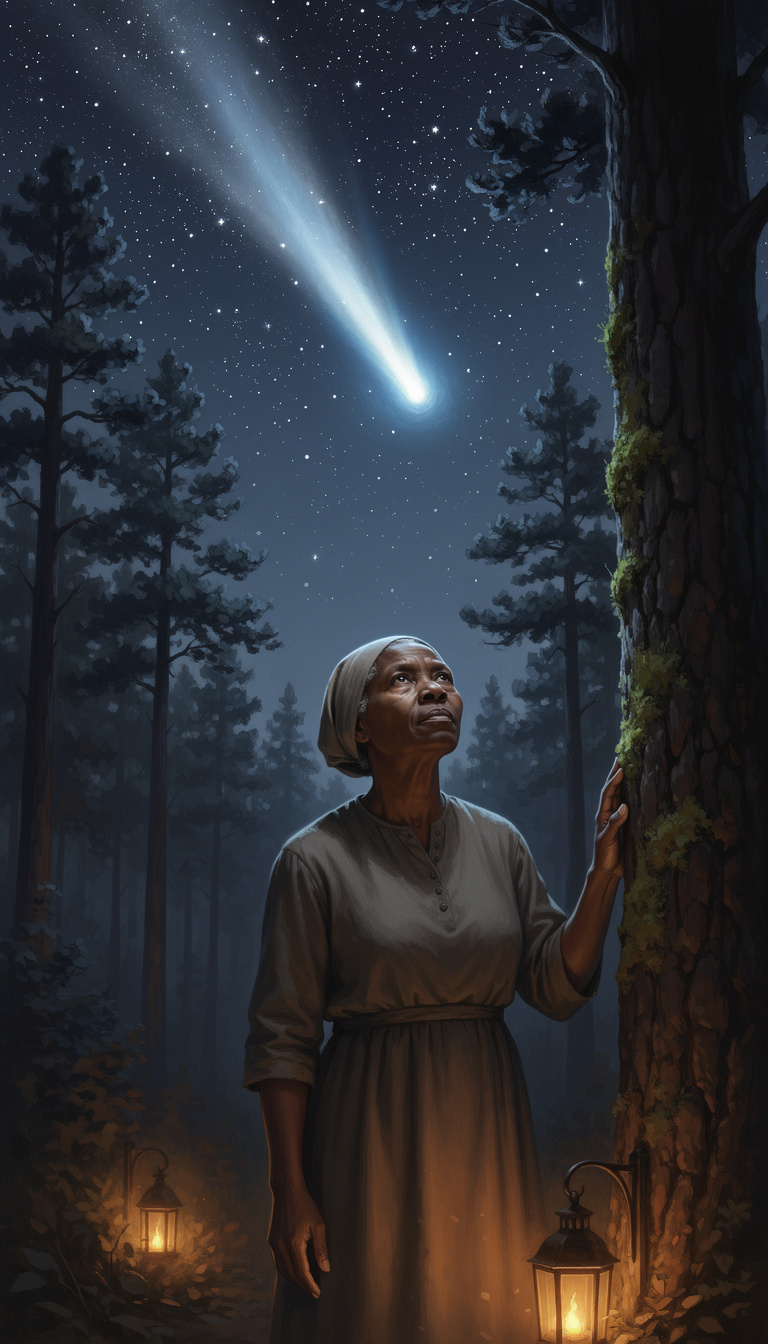
July 27, 1829 — Halley's Comet has passed on by, and I am seven years old, still Araminta, still learning which moss grows north on the Brodess woods. Some folks spent nights praying at that streak of light. I spent them memorizing the dipper, the river bends, the owl calls that mean safe or run. Funny thing about portents: they don't feed you, don't hide you, don't pay the ferryman. A comet won't tell you which barn door is unlocked, which white woman will risk her parlor for a stranger's child. I learned early — the sky is useful, not magical. Direction, not destiny. Twenty years from now, I'll be guiding souls through those same woods by starlight, and I won't be looking up for miracles. I'll be looking down for broken twigs, wet footprints, the particular silence of a dog that smells fear. The comet comes back. Courage has to be built daily, like a fire you tend yourself.
Explain more
Halley's Comet appeared in July 1829, visible across the eastern United States. For the young Harriet Tubman, then called Araminta Ross, celestial navigation became practical survival knowledge. She would later use these skills conducting approximately 13 missions on the Underground Railroad, freeing around 70 enslaved people including family members.
Why it matters
Tubman's method — converting natural observation into operational intelligence — demonstrates how marginalized people transform available knowledge into resistance tools. Her leadership was logistical, not mystical.
Try today
Learn one practical skill deeply: navigation without GPS, identifying local plants, reading weather patterns. Competence builds the confidence that others trust in crisis.
What is true / dramatized: Dramatized. Educational entertainment — not a primary historical source.
Based on Tubman's known childhood on the Brodess plantation, her documented use of celestial navigation, and the historical appearance of Halley's Comet July 1829. The 'seven years old' estimate follows Catherine Clinton's biographical chronology.
Difficulty: medium · ~4 min
Related
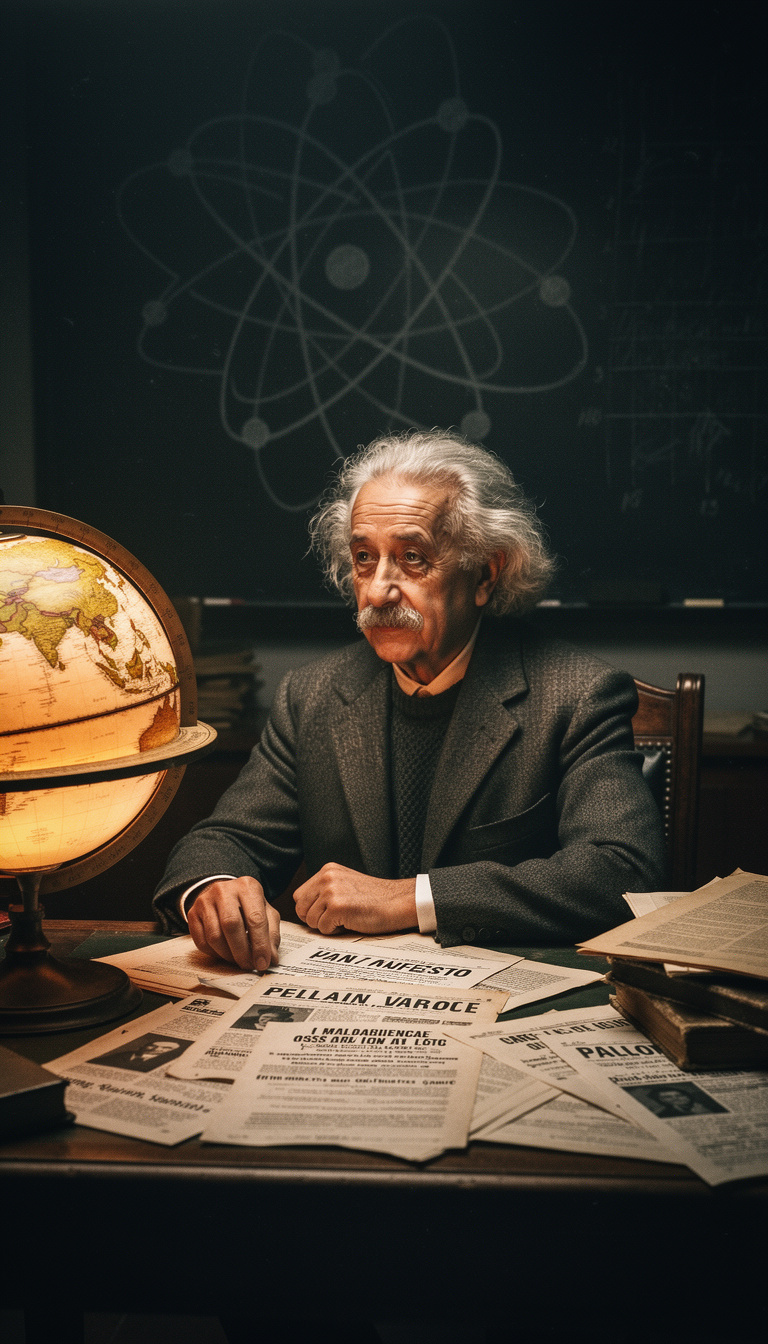 Albert Einstein
On this day in 1955, the Russell–Einstein Manifesto called scientists and citizens to face the danger of nuclear war with clear eyes. Knowledge without responsibility is incomplete. The manifesto asked a blunt question: shall we put an end to the human race, or shall we renounce war?
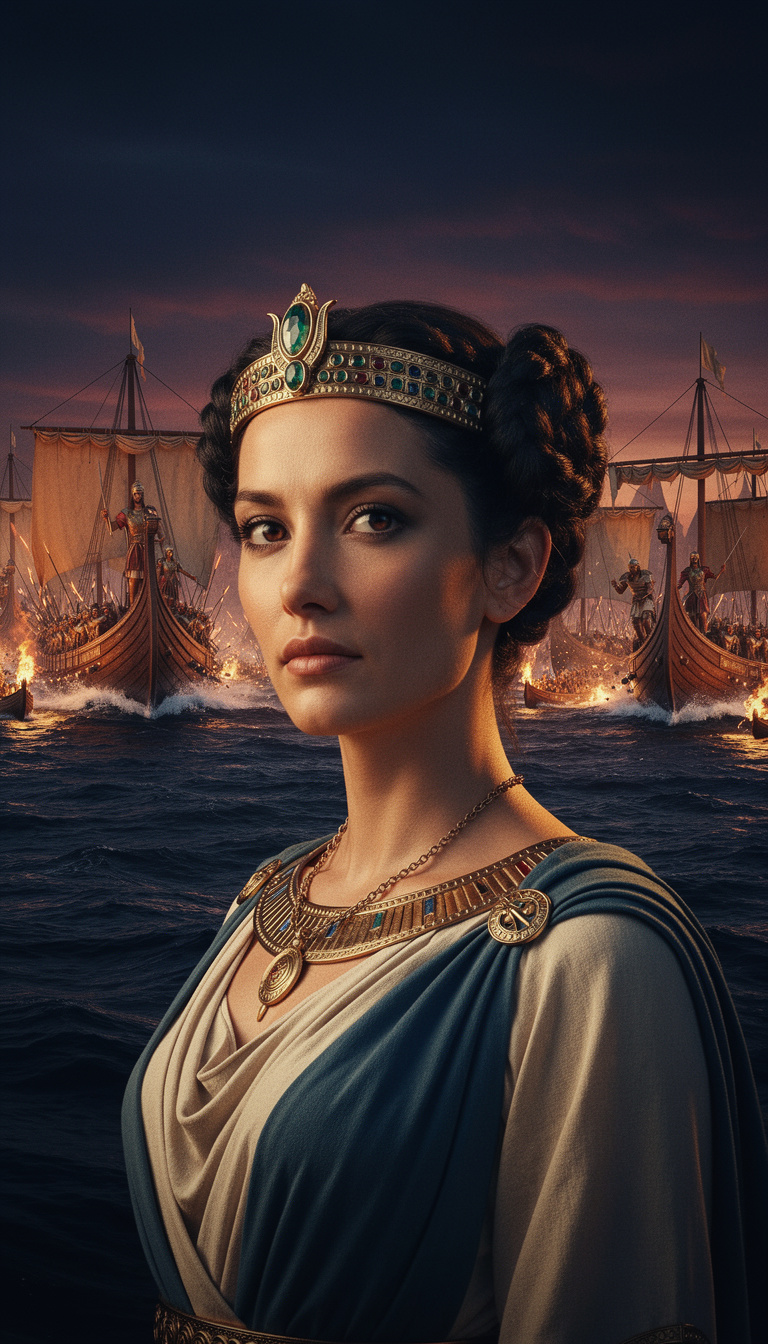 Cleopatra VII
Actium was not only a battle. It was a hinge. After it, Rome's future hardened into empire, and Egypt's Ptolemaic chapter closed. Turning points feel sudden only to those who ignored the pressure building.
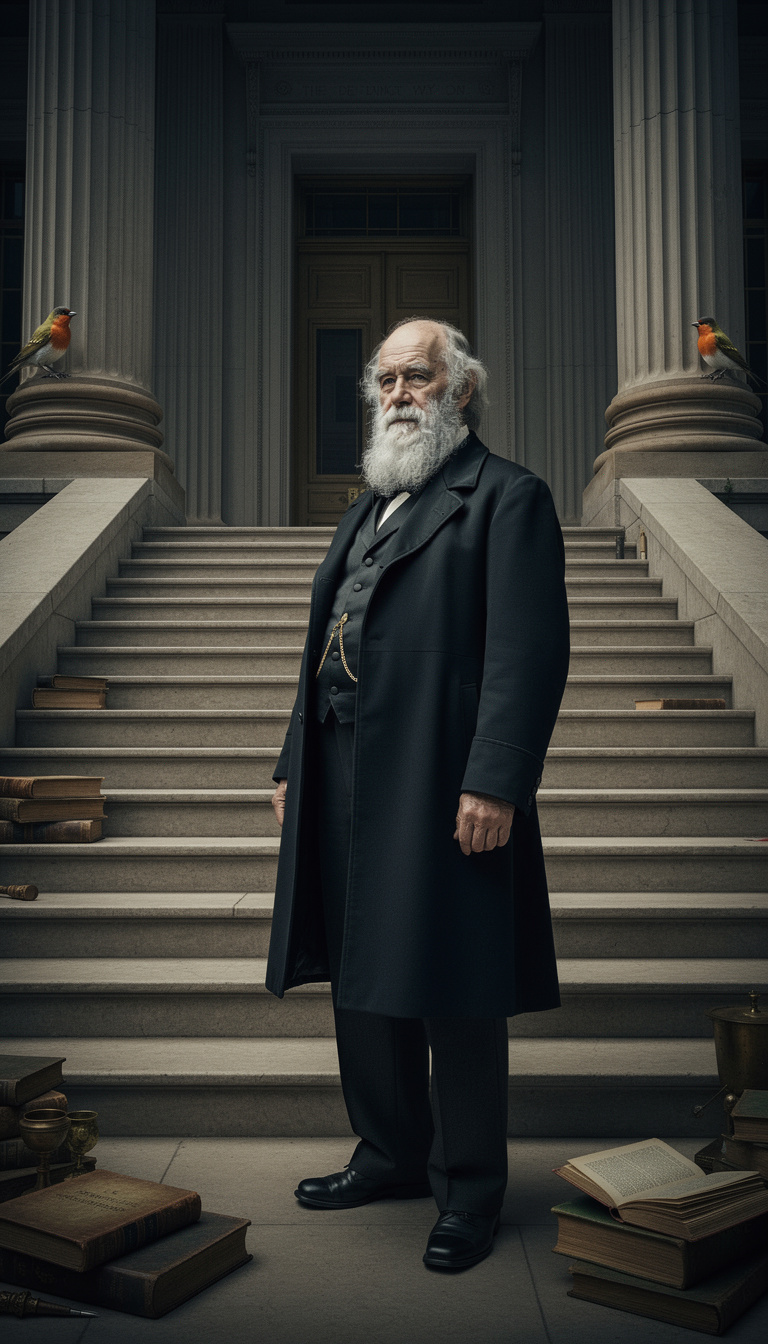 Charles Darwin
On July 10, 1925, the Scopes Trial opened in Tennessee — a public clash over teaching evolution. Ideas do not only live in books. They walk into schools, laws, and arguments about who we are.
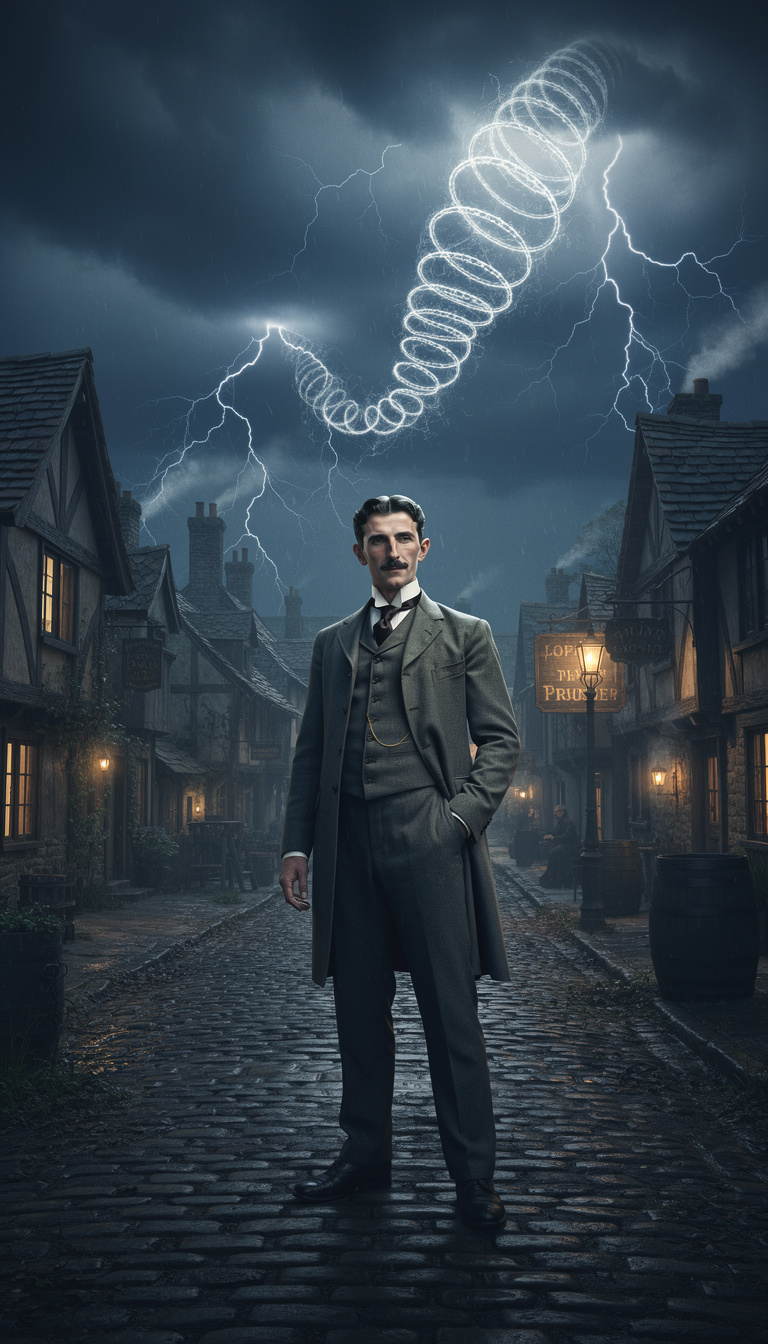 Nikola Tesla
On this day in 1856, Nikola Tesla was born. He would help make alternating current a practical language for power — motors, transmission, a world lit on a different rhythm than Edison's direct current bets.
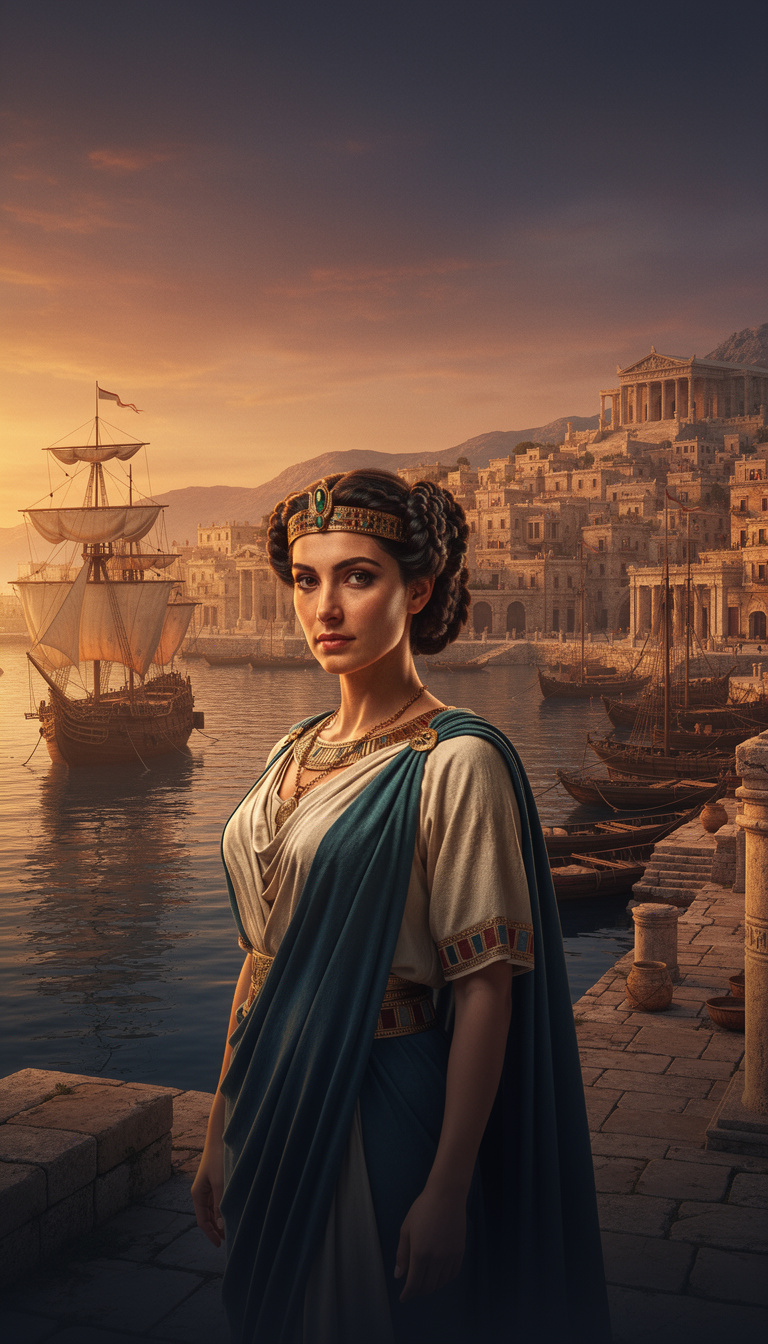 Cleopatra VII
Train your eye: one detail is from the wrong century.
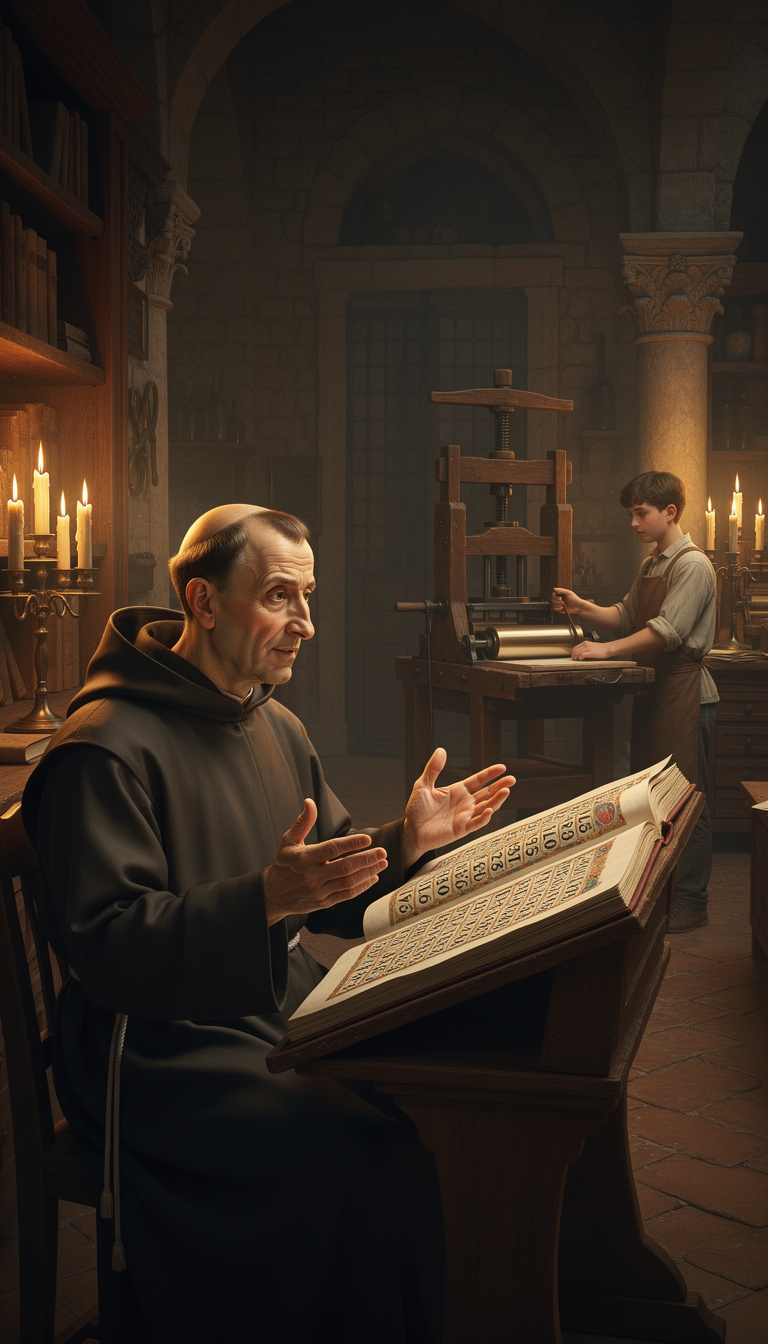 Luca Pacioli
Nel 1494, a Venezia, la mia Summa de Arithmetica vedeva la luce — non un giorno preciso come oggi, ma un'estate che cambiò il commercio europeo. Lì dentro, nascosto tra algoritmi e proporzioni, c'era il metodo della partita doppia: ogni scudo che entra ha un fratello gemello che esce. Nessun mercante più solo con la memoria traballante. Non inventai io questo sistema — i veneziani lo coltivavano da secoli. Ma lo ordinai, lo spiegai, lo diedi alle stampe. La chiarezza è anche un atto di carità.