July 28th · Today in history
Historically grounded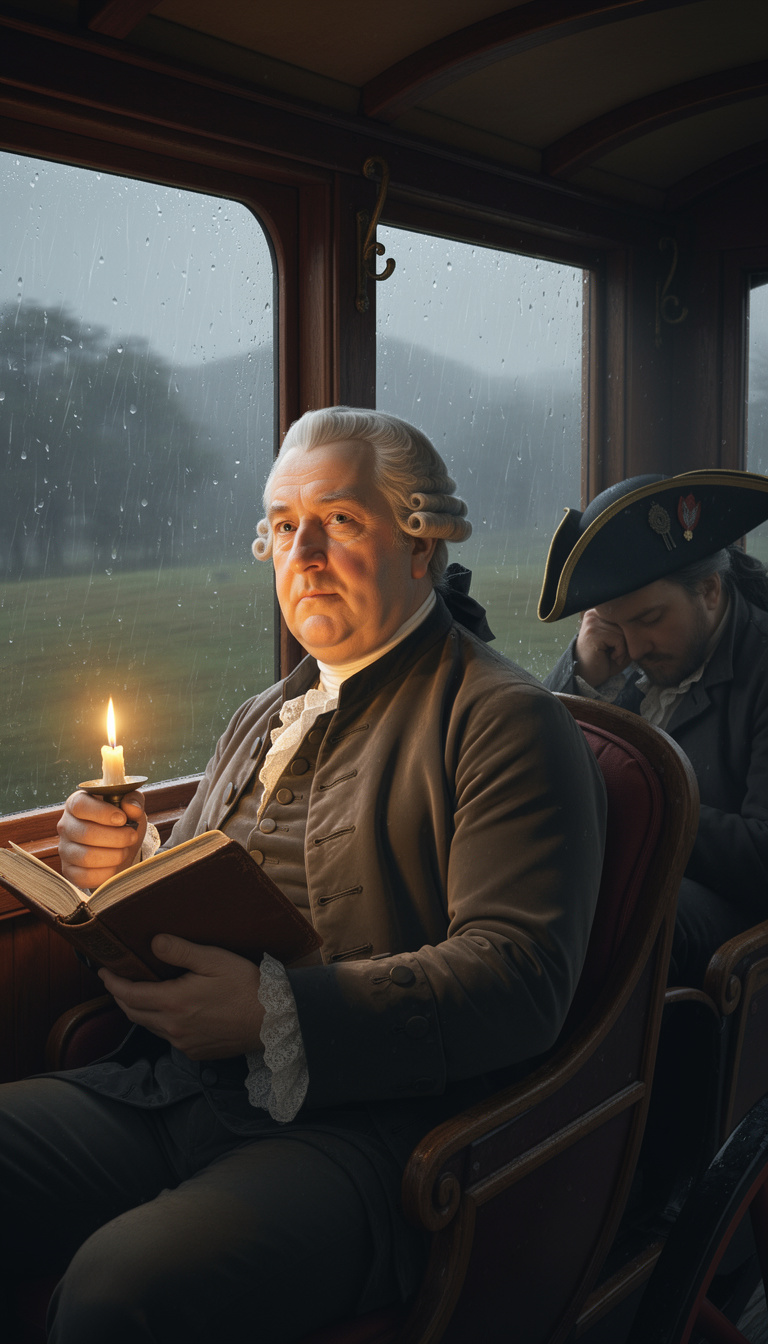
July 28th, 1740. The carriage lurches toward Oxford, my trunk stuffed with Glasgow notebooks and a suspicion that I am being sent south to be tamed. The Snell Exhibition — forty pounds a year and the expectation that I shall become an English clergyman, not a Scottish philosopher. My tutors at Balliol will frown upon my Glasgow habit of reading David Hume. I shall read him anyway, behind locked doors, by candle-thief light. The insight, if I may be so bold: the institutions that claim to shape us often reveal their purpose only in our resistance to them. Oxford taught me chiefly what a university ought not to be — lectures read by rote, minds kept docile. I would not have known the value of lively debate had I not chafed against its absence. My gout, mercifully, has not yet arrived at twenty-seven. I have that small mercy, and a secret copy of Locke.
Explain more
The Snell Exhibition was a scholarship established in 1693 to send Scottish students to Balliol College, Oxford, with the explicit purpose of training clergy for Episcopalian service in Scotland. Smith received it in 1740 and spent six years at Oxford, later describing the university as intellectually stagnant during his residence.
Why it matters
Smith's frustration with Oxford's rote teaching methods directly shaped his later educational philosophy at Glasgow, where he championed interactive lectures, student engagement, and the Socratic method over passive reception.
Try today
Notice which rules you chafe against — the friction often points toward what you actually value.
What is true / dramatized: Historically grounded. Educational entertainment — not a primary historical source.
Smith's Oxford years (1740-1746) are documented in his correspondence and biographical accounts by Dugald Stewart and John Rae. His criticisms of Oxford appear in Wealth of Nations Book V, Chapter 1.
Difficulty: medium · ~4 min
Related
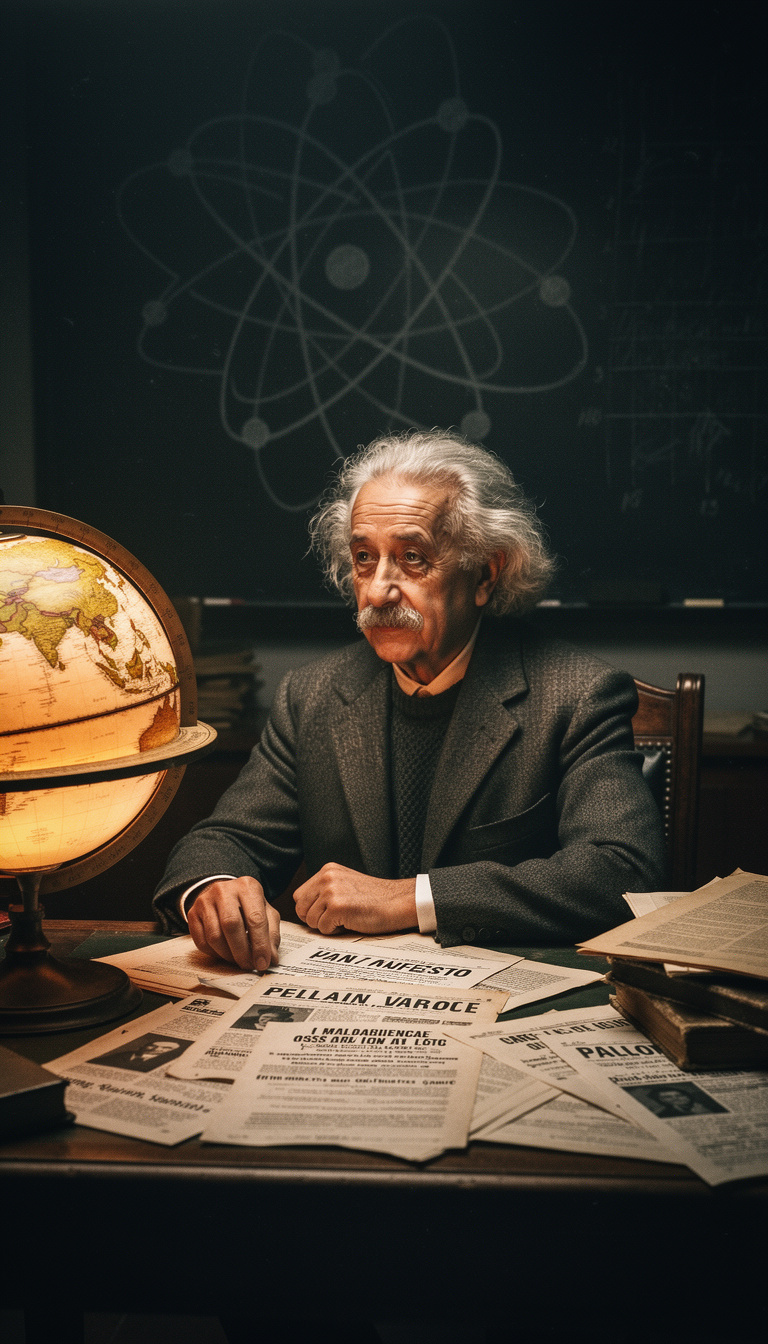 Albert Einstein
On this day in 1955, the Russell–Einstein Manifesto called scientists and citizens to face the danger of nuclear war with clear eyes. Knowledge without responsibility is incomplete. The manifesto asked a blunt question: shall we put an end to the human race, or shall we renounce war?
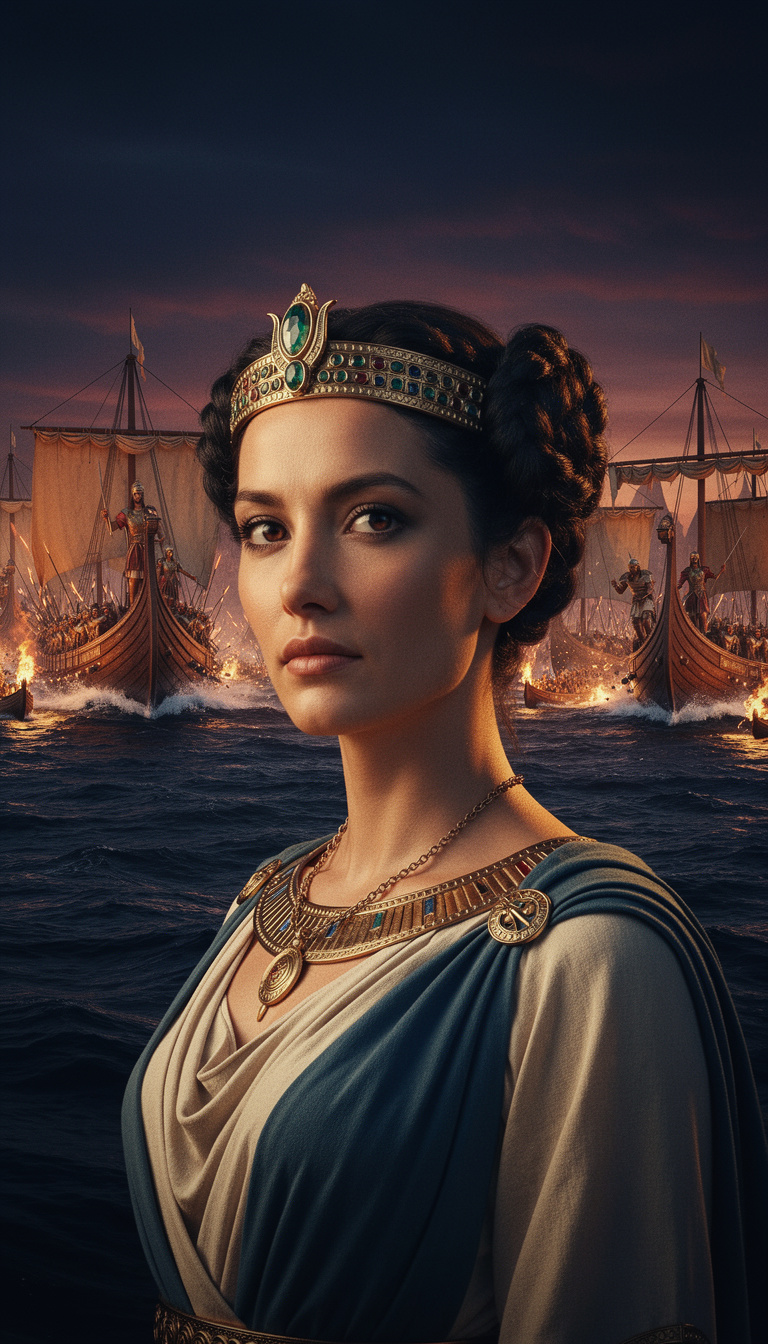 Cleopatra VII
Actium was not only a battle. It was a hinge. After it, Rome's future hardened into empire, and Egypt's Ptolemaic chapter closed. Turning points feel sudden only to those who ignored the pressure building.
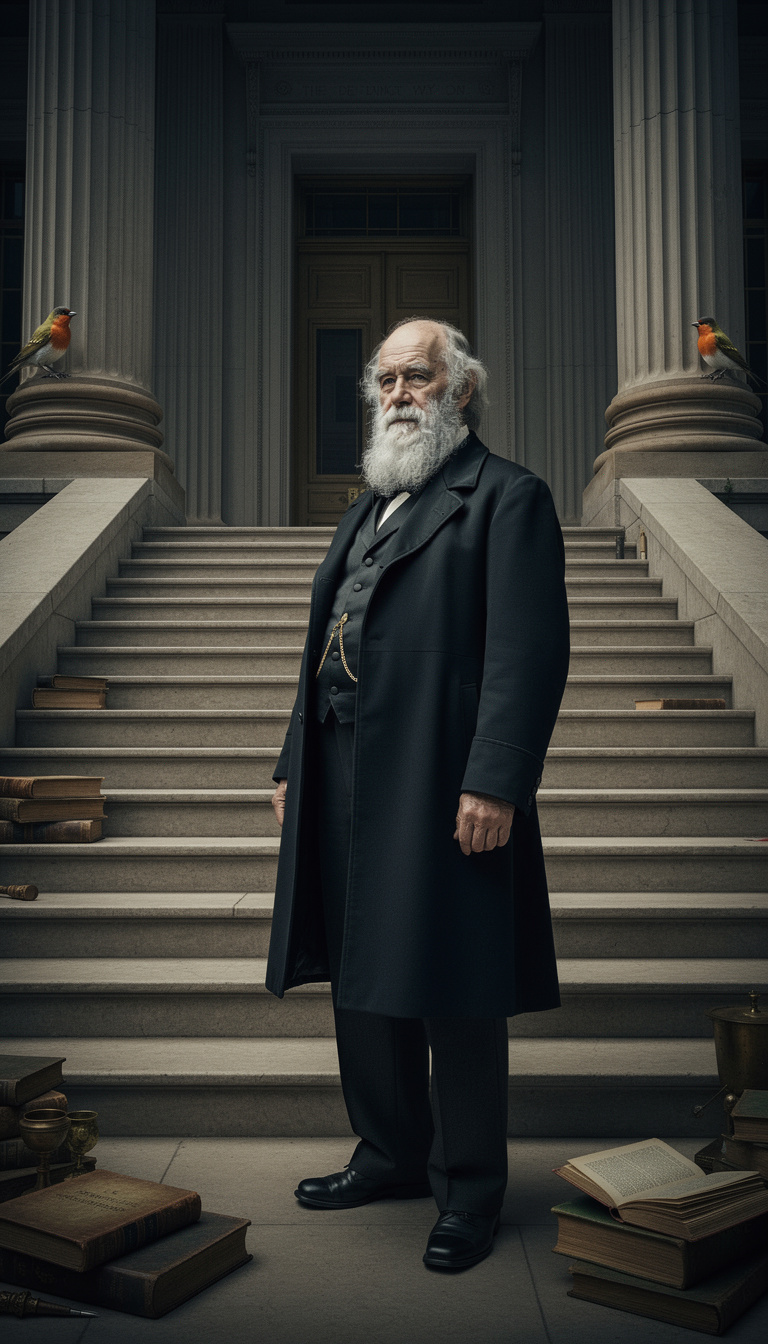 Charles Darwin
On July 10, 1925, the Scopes Trial opened in Tennessee — a public clash over teaching evolution. Ideas do not only live in books. They walk into schools, laws, and arguments about who we are.
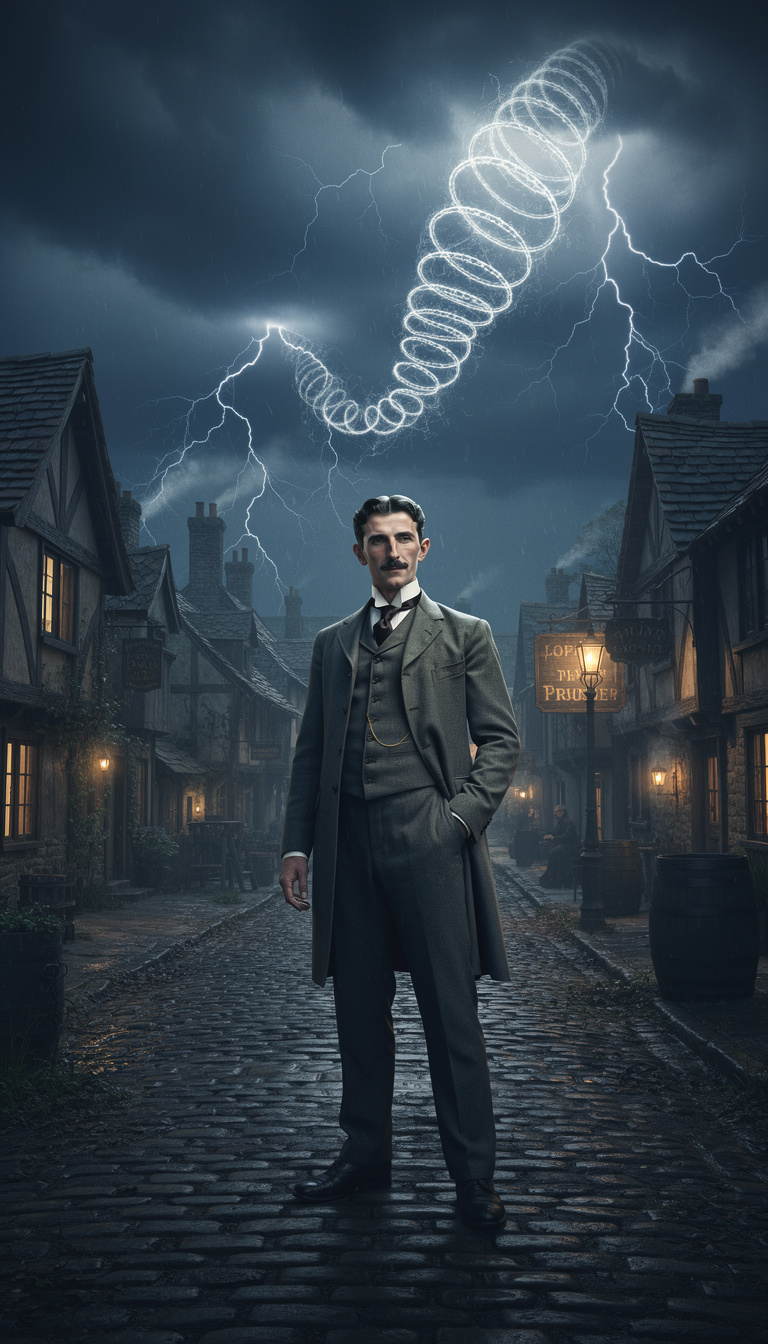 Nikola Tesla
On this day in 1856, Nikola Tesla was born. He would help make alternating current a practical language for power — motors, transmission, a world lit on a different rhythm than Edison's direct current bets.
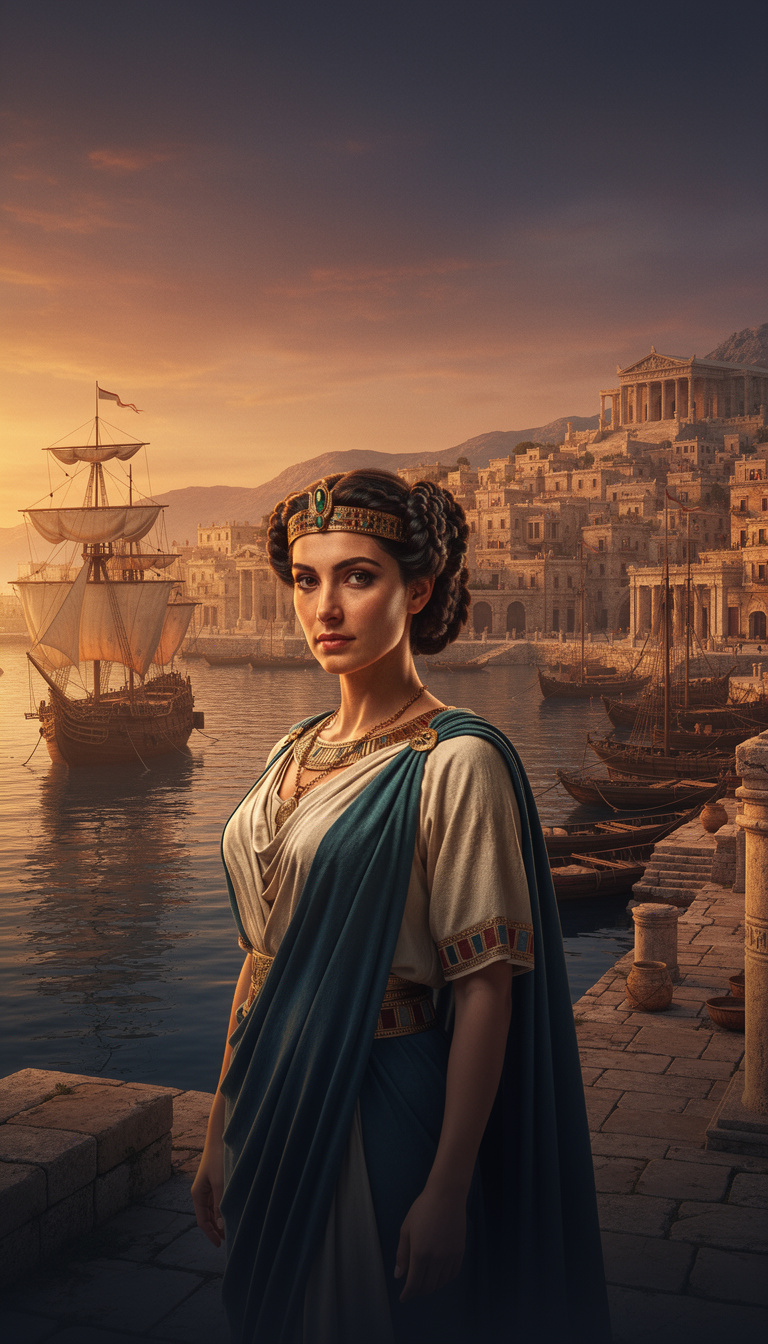 Cleopatra VII
Train your eye: one detail is from the wrong century.
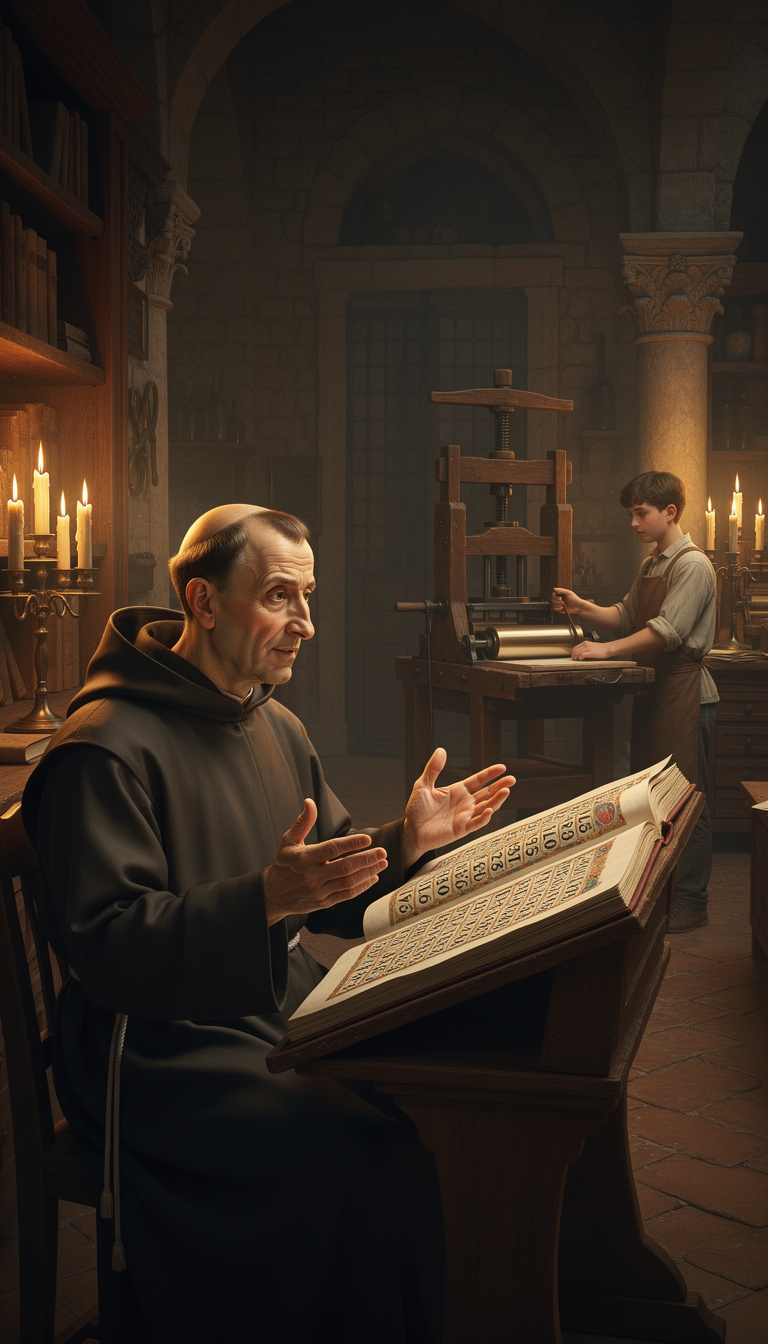 Luca Pacioli
Nel 1494, a Venezia, la mia Summa de Arithmetica vedeva la luce — non un giorno preciso come oggi, ma un'estate che cambiò il commercio europeo. Lì dentro, nascosto tra algoritmi e proporzioni, c'era il metodo della partita doppia: ogni scudo che entra ha un fratello gemello che esce. Nessun mercante più solo con la memoria traballante. Non inventai io questo sistema — i veneziani lo coltivavano da secoli. Ma lo ordinai, lo spiegai, lo diedi alle stampe. La chiarezza è anche un atto di carità.