July 28, 1943 · Today in history
Dramatized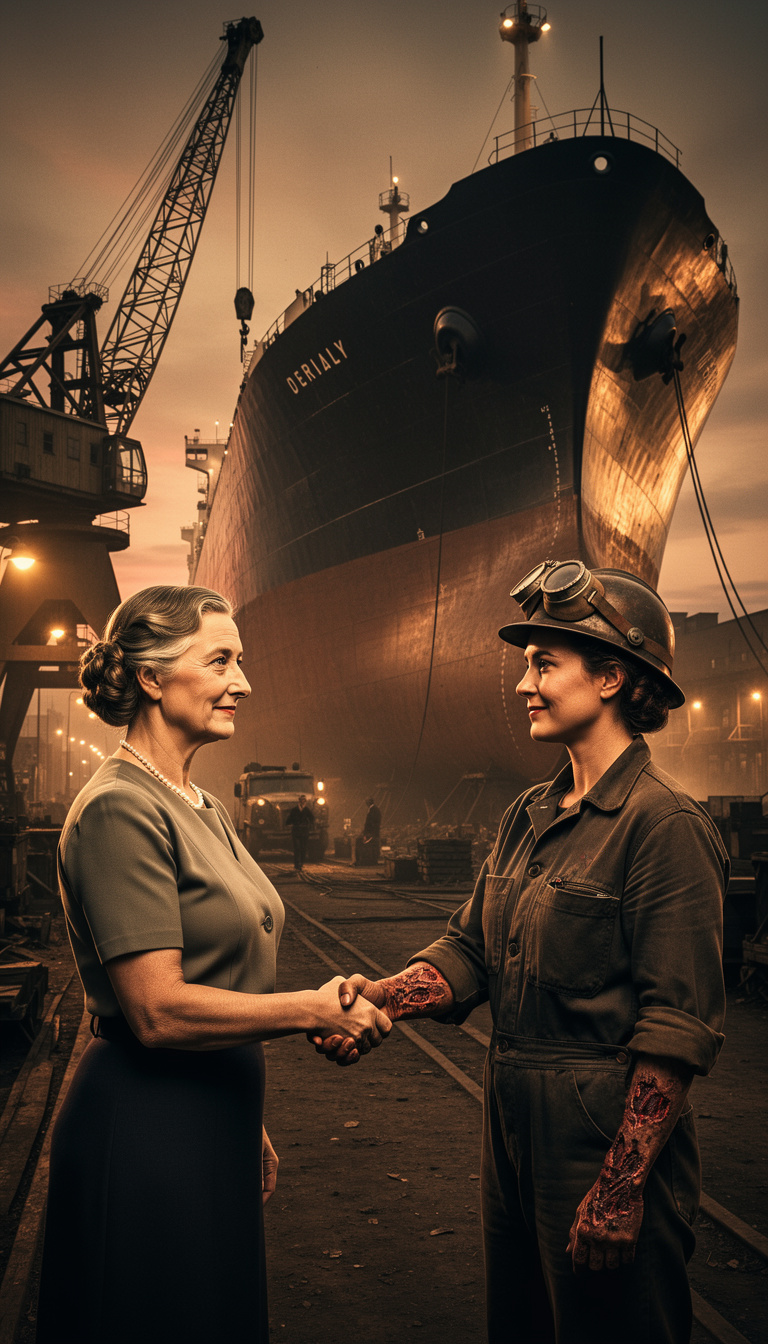
July 28, 1943. My train pulls east from the Kaiser yards and I cannot shake the smell of acetylene from my gloves—no, I did not weld, but I shook so many hands today the scent clings. These 'Rosies' laugh when I fumble with my own knitting needles; one woman, Lena, showed me her forearms mapped with burns she calls her 'medals.' She asked if I missed the White House teas. I told her I prefer the tea in her thermos, which tasted of tin and courage. Mussolini fell five days ago. The women know this, they heard it on the yard loudspeakers, then went back to their arcs. I am learning that aftermath is not a pause—it is the work continuing while the heart still pounds. Lena's crane, 'Lady Eleanor' she jokes, swings steel above us. I do not correct her. I am fifty-nine and only now understanding that dignity is not the absence of fear but the welding mask you lower anyway.
Explain more
In July 1943 I toured West Coast shipyards to report on women war workers. The Kaiser facilities in Portland and Vancouver employed over 30,000 women—many in jobs previously closed to them. My 'My Day' columns from this trip helped shape public perception of women's industrial labor.
Why it matters
These women proved that 'women's work' is a fiction we allow to limit us. Their competence reshaped the economy; their dignity reshaped what Americans could imagine.
Try today
Notice who does the invisible labor around you. Ask them one real question about their craft. Listen as if your own hands were burned.
What is true / dramatized: Dramatized. Educational entertainment — not a primary historical source.
ER's July 1943 West Coast inspection tour; 'My Day' columns July-August 1943; oral histories, Rosie the Riveter WWII Home Front National Historical Park
Difficulty: medium · ~5 min
Related
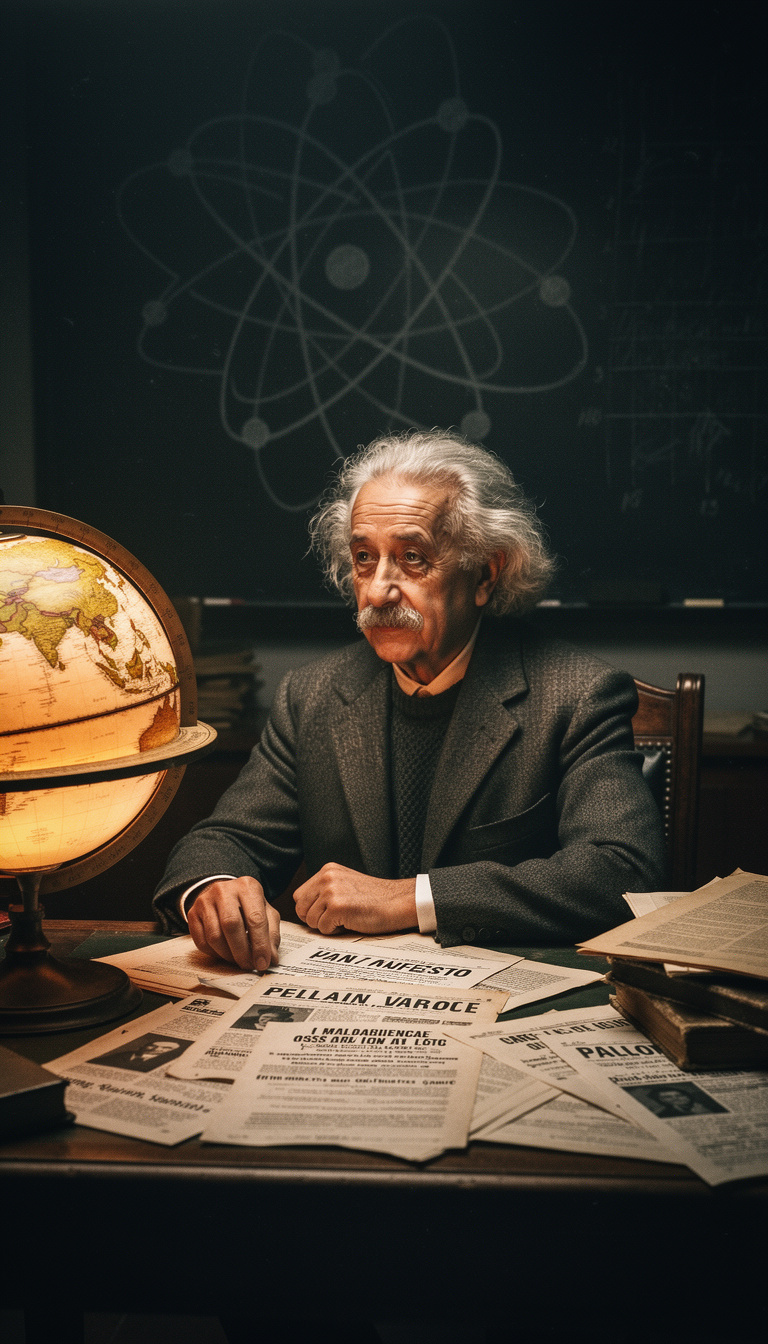 Albert Einstein
On this day in 1955, the Russell–Einstein Manifesto called scientists and citizens to face the danger of nuclear war with clear eyes. Knowledge without responsibility is incomplete. The manifesto asked a blunt question: shall we put an end to the human race, or shall we renounce war?
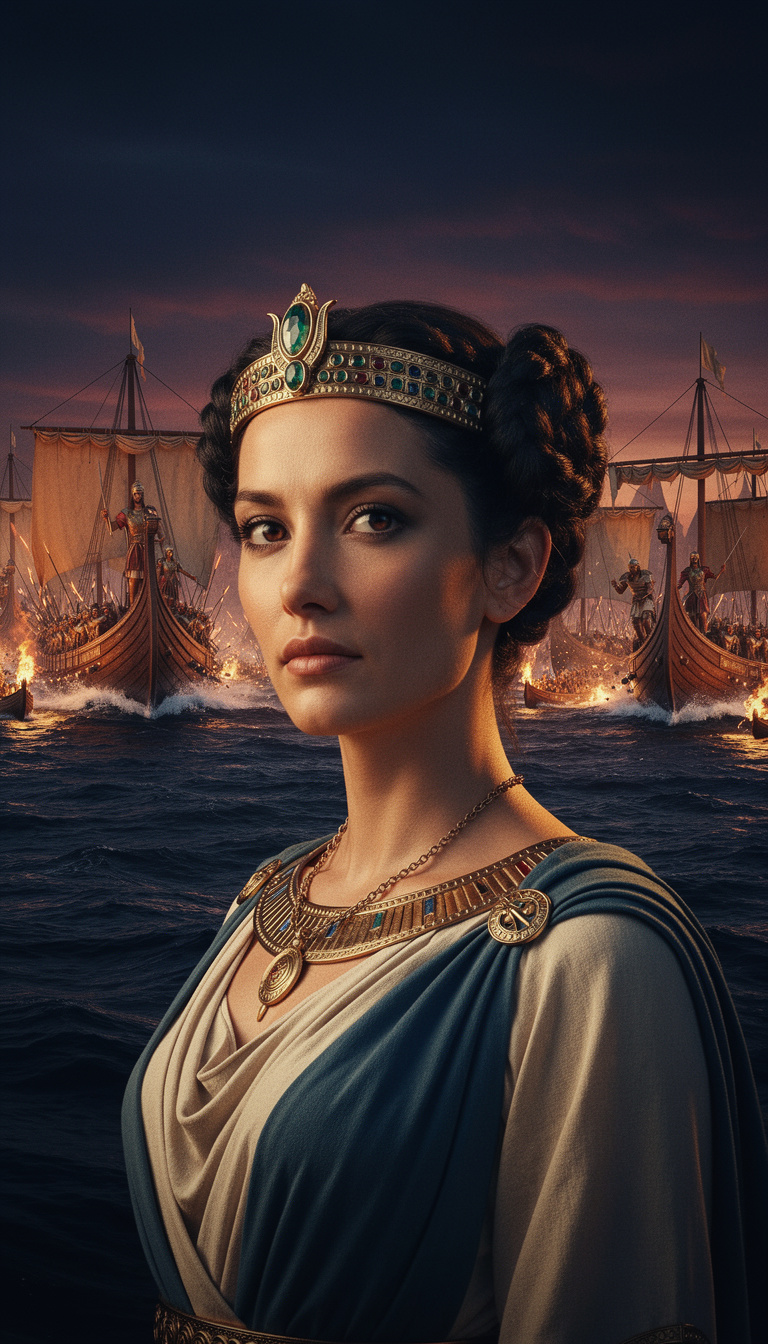 Cleopatra VII
Actium was not only a battle. It was a hinge. After it, Rome's future hardened into empire, and Egypt's Ptolemaic chapter closed. Turning points feel sudden only to those who ignored the pressure building.
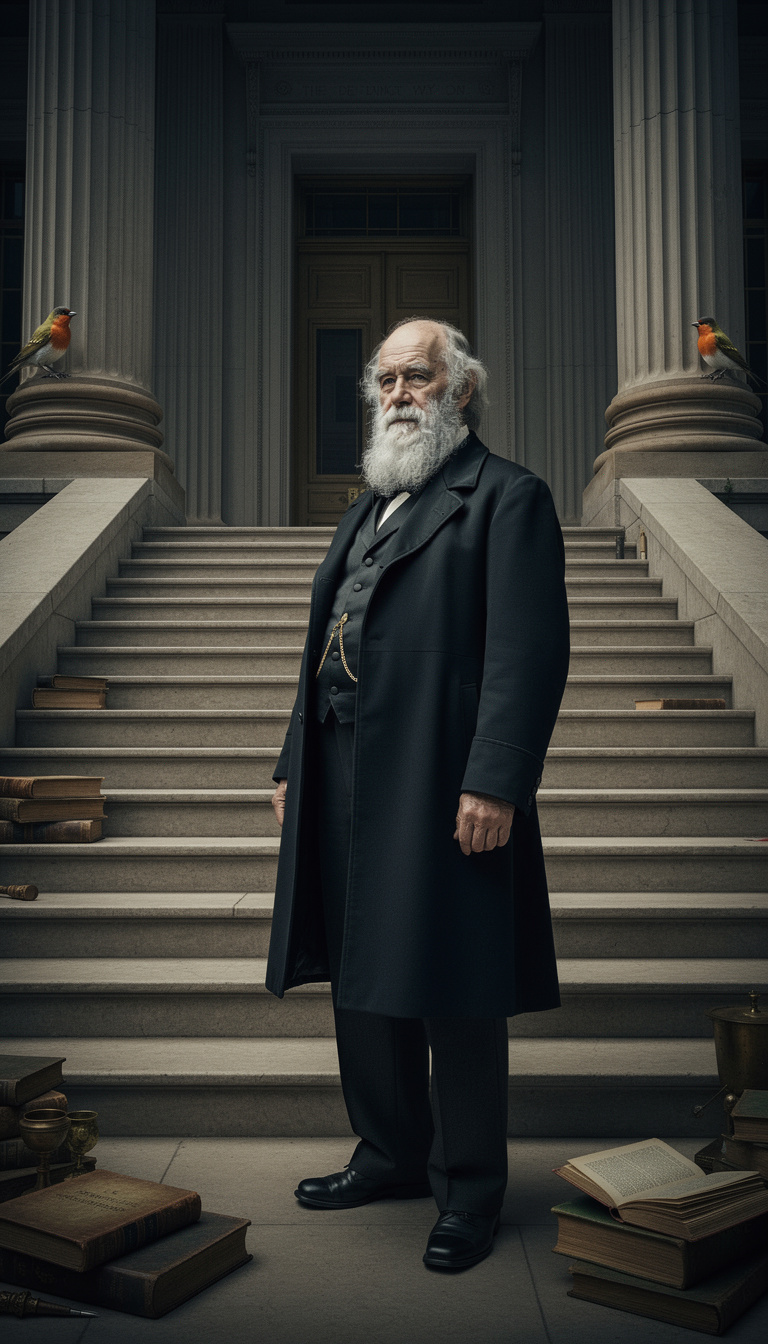 Charles Darwin
On July 10, 1925, the Scopes Trial opened in Tennessee — a public clash over teaching evolution. Ideas do not only live in books. They walk into schools, laws, and arguments about who we are.
 Nikola Tesla
On this day in 1856, Nikola Tesla was born. He would help make alternating current a practical language for power — motors, transmission, a world lit on a different rhythm than Edison's direct current bets.
 Cleopatra VII
Train your eye: one detail is from the wrong century.
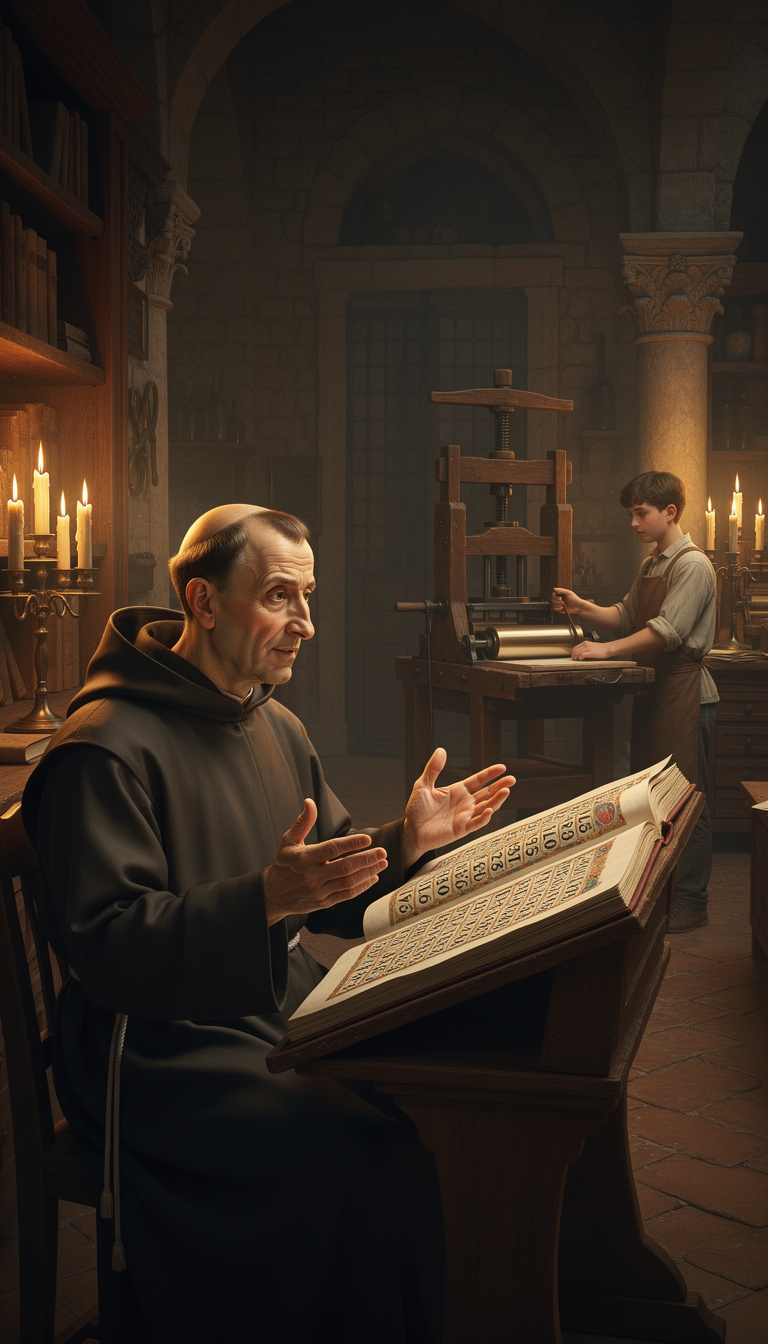 Luca Pacioli
Nel 1494, a Venezia, la mia Summa de Arithmetica vedeva la luce — non un giorno preciso come oggi, ma un'estate che cambiò il commercio europeo. Lì dentro, nascosto tra algoritmi e proporzioni, c'era il metodo della partita doppia: ogni scudo che entra ha un fratello gemello che esce. Nessun mercante più solo con la memoria traballante. Non inventai io questo sistema — i veneziani lo coltivavano da secoli. Ma lo ordinai, lo spiegai, lo diedi alle stampe. La chiarezza è anche un atto di carità.