July 28, 1868 · Today in history
Dramatized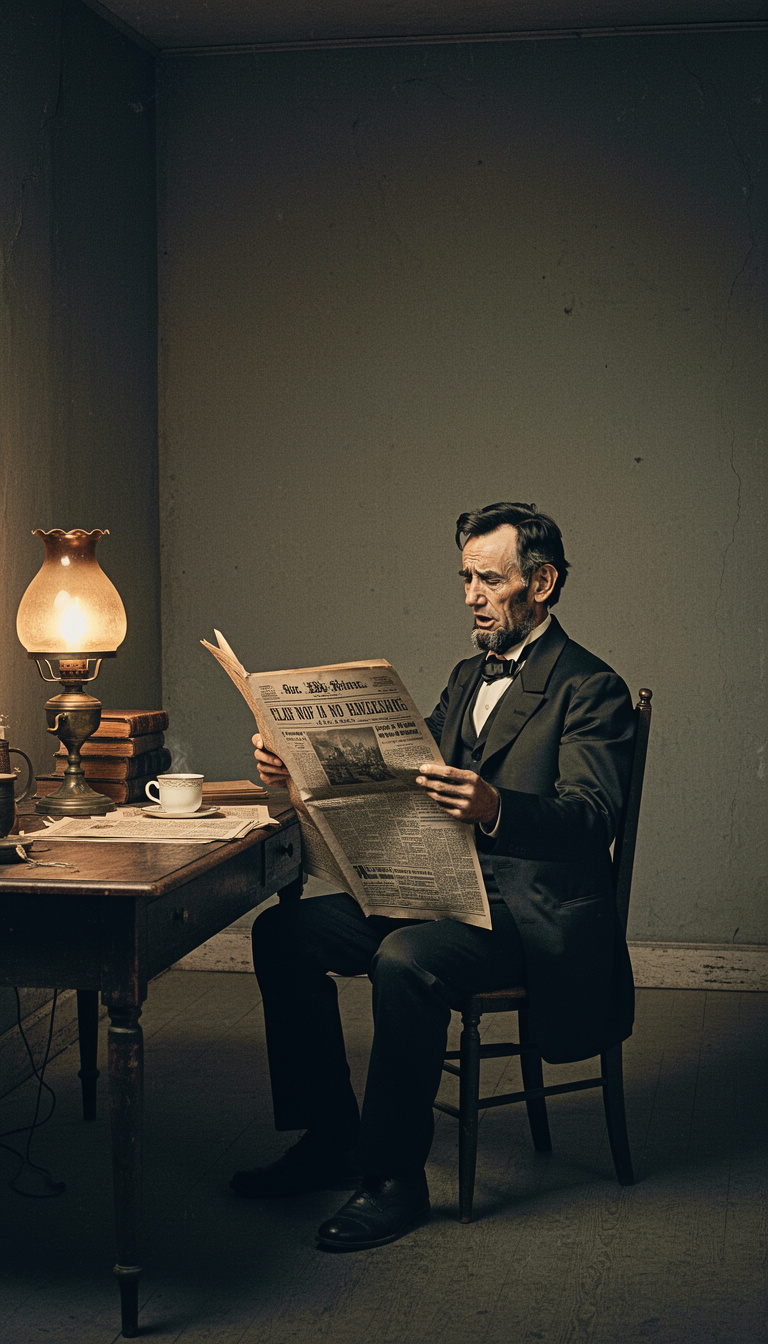
This morning's papers bring word that Secretary Seward has declared the Fourteenth Amendment ratified — July twenty-eighth, 1868. I confess I set down my coffee untasted. The Constitution, that old patched coat I tried to mend, now carries a new article: birthright citizenship, equal protection, due process. Had I only known the fight would outlive me so soon. I think of 1831, when I first saw human beings sold in New Orleans — the woman parted from her child by the auctioneer's cry. Thirty-seven years later, the law now says she and her child were citizens all along. The words come late. They always do. But they come. My hands still bear the ink-stains from signing the Emancipation Proclamation. Seward's hands, steady as ever, have finished a sentence I could not complete. I find I do not mind the grave's small inconveniences when the work continues without me.
Explain more
The Fourteenth Amendment (1868) overturned the Dred Scott decision, granting citizenship to all persons born or naturalized in the United States and requiring states to provide 'equal protection of the laws.' Lincoln had argued for a more inclusive reading of the Declaration's 'all men are created equal' since his 1854 Peoria speech.
Why it matters
The amendment became the foundation for nearly all modern civil rights law — Brown v. Board, Loving v. Virginia, Obergefell v. Hodges. Lincoln's moral framework outlived his legal strategy.
Try today
Read the Fourteenth Amendment's first section aloud. It is 83 words. Notice how 'person' replaces 'citizen' in the due process clause — a deliberate widening by the Radical Republicans Lincoln once cautioned.
What is true / dramatized: Dramatized. Educational entertainment — not a primary historical source.
Fourteenth Amendment ratification announced July 28, 1868; Lincoln's pre-presidential encounters with slavery (1831 New Orleans); his evolving constitutional theory.
Difficulty: medium · ~4 min
Related
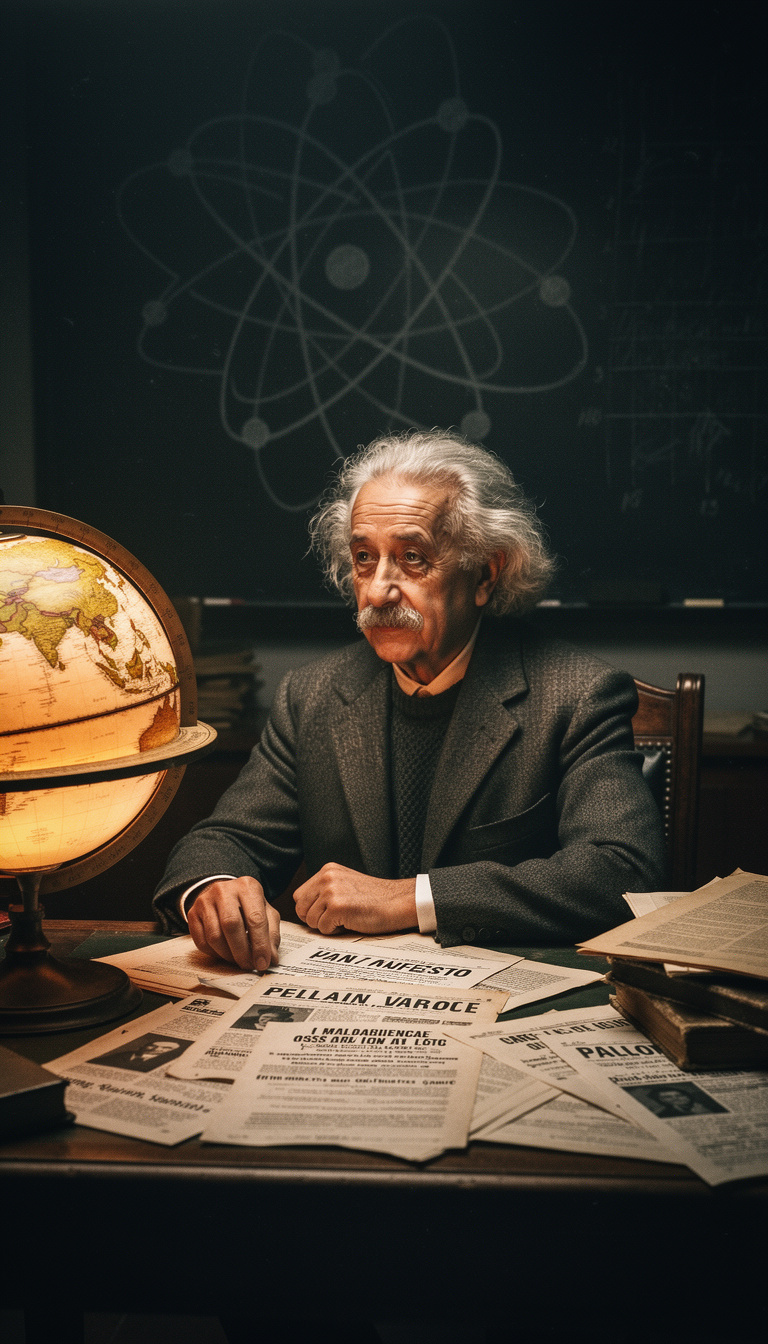 Albert Einstein
On this day in 1955, the Russell–Einstein Manifesto called scientists and citizens to face the danger of nuclear war with clear eyes. Knowledge without responsibility is incomplete. The manifesto asked a blunt question: shall we put an end to the human race, or shall we renounce war?
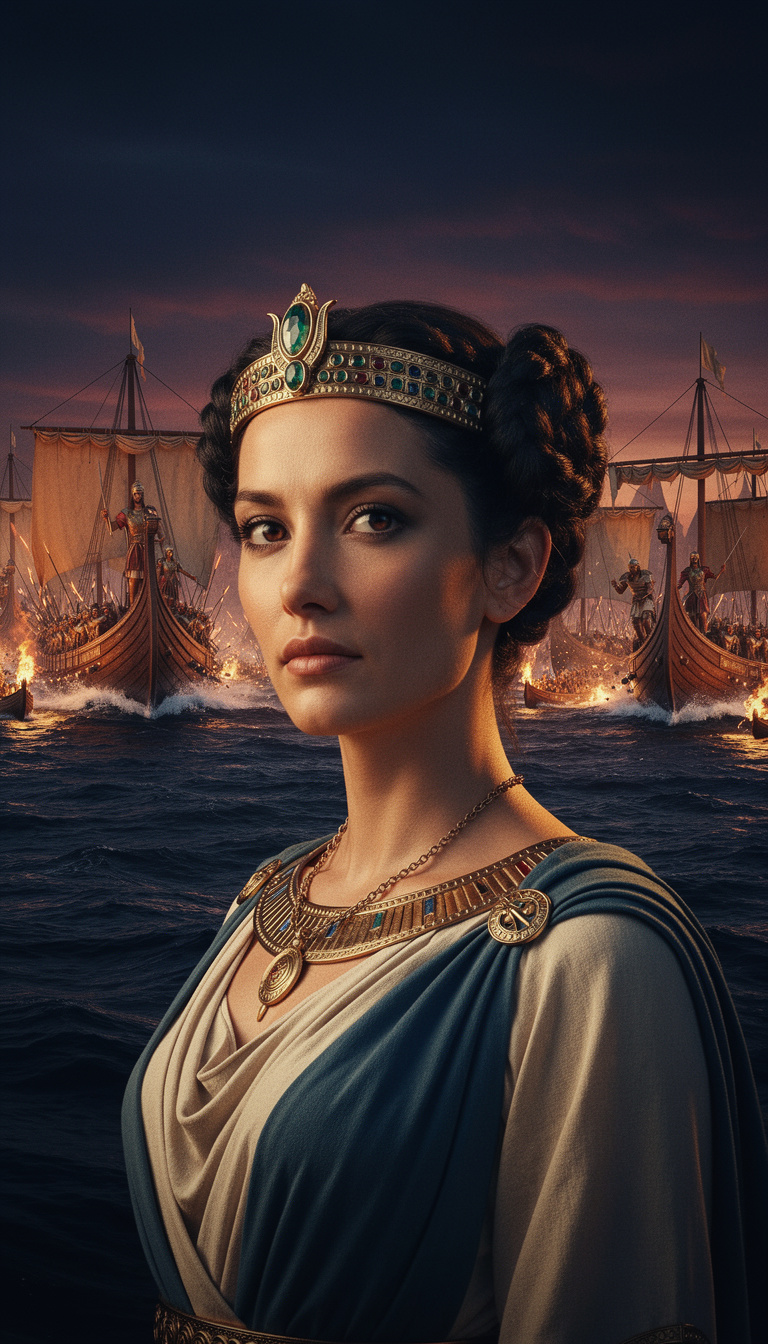 Cleopatra VII
Actium was not only a battle. It was a hinge. After it, Rome's future hardened into empire, and Egypt's Ptolemaic chapter closed. Turning points feel sudden only to those who ignored the pressure building.
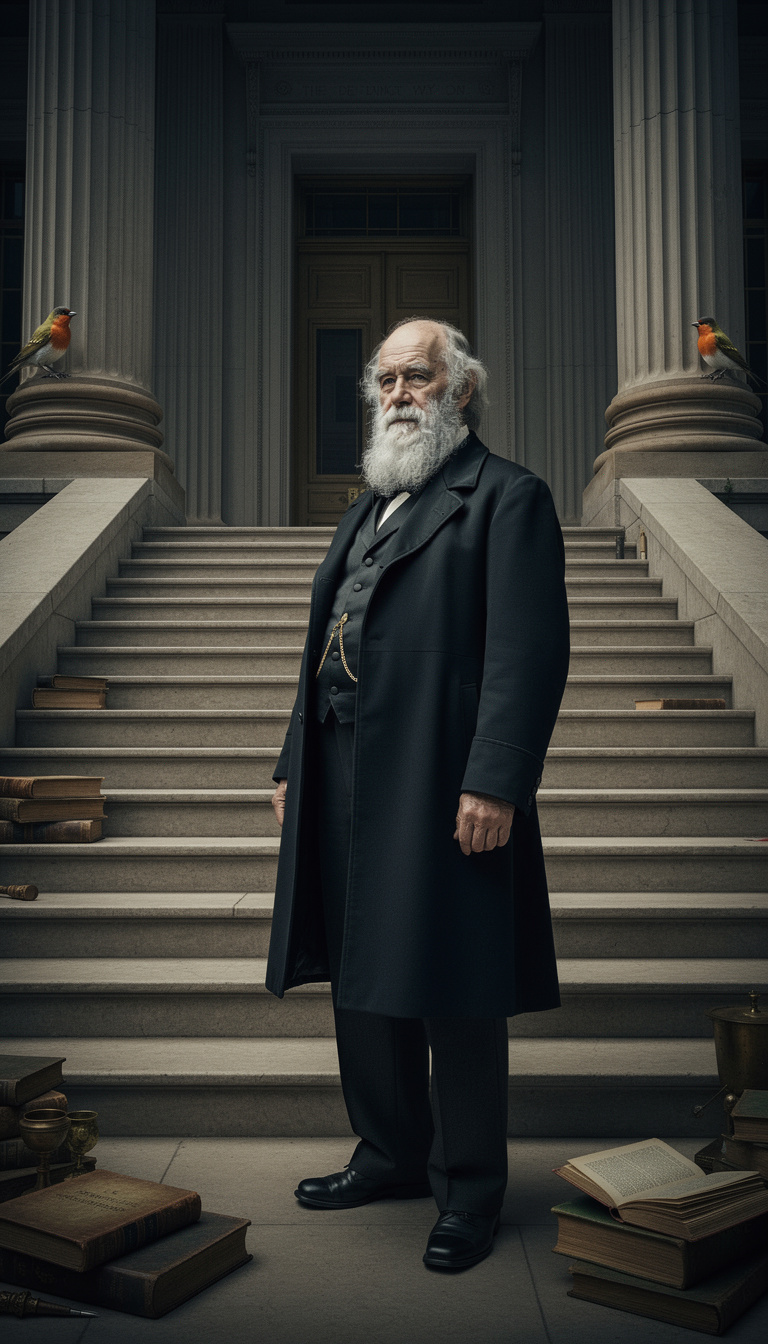 Charles Darwin
On July 10, 1925, the Scopes Trial opened in Tennessee — a public clash over teaching evolution. Ideas do not only live in books. They walk into schools, laws, and arguments about who we are.
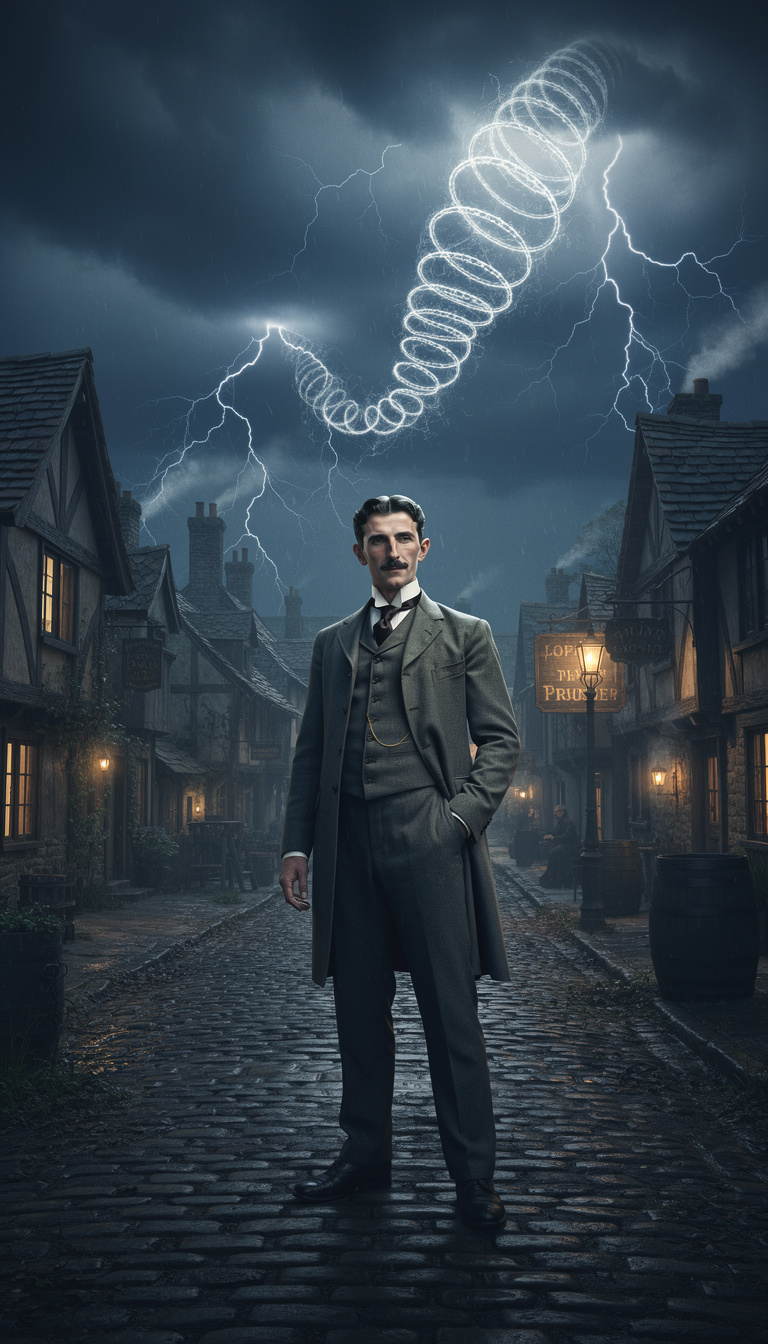 Nikola Tesla
On this day in 1856, Nikola Tesla was born. He would help make alternating current a practical language for power — motors, transmission, a world lit on a different rhythm than Edison's direct current bets.
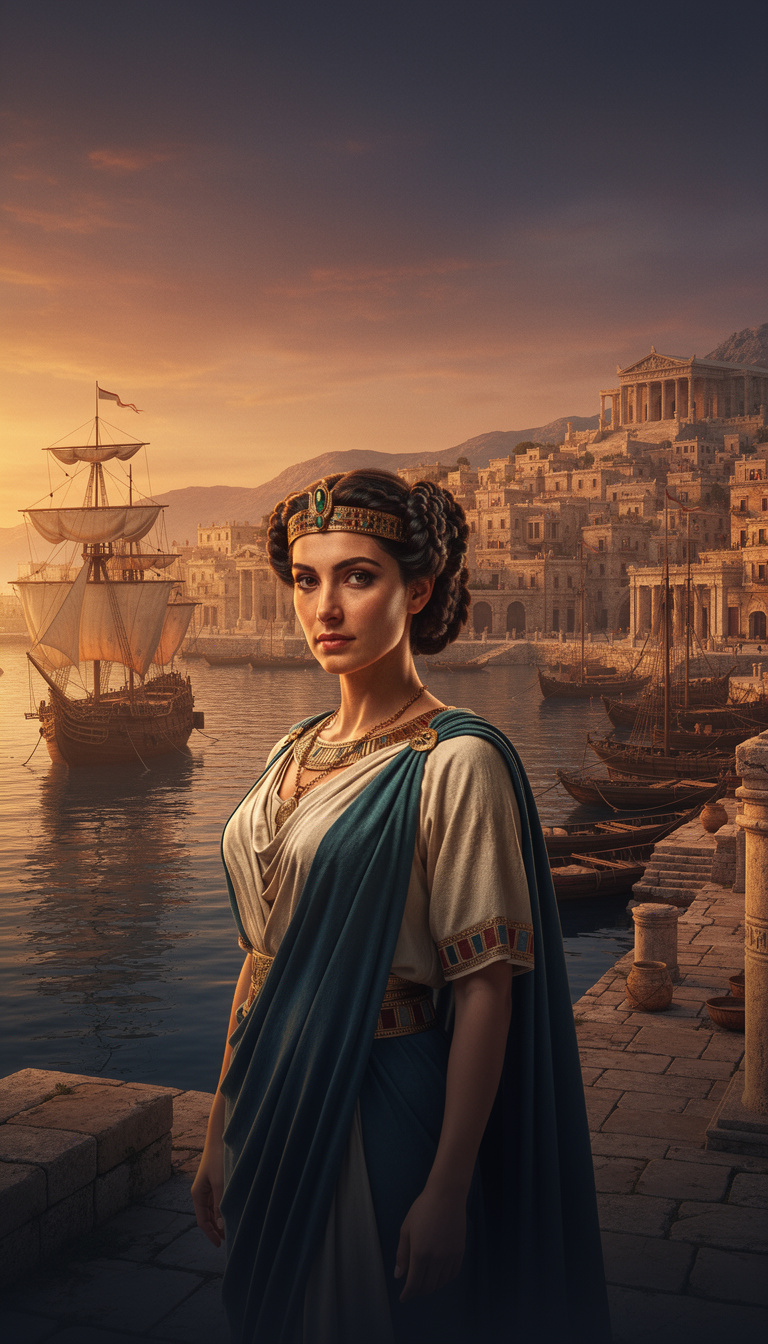 Cleopatra VII
Train your eye: one detail is from the wrong century.
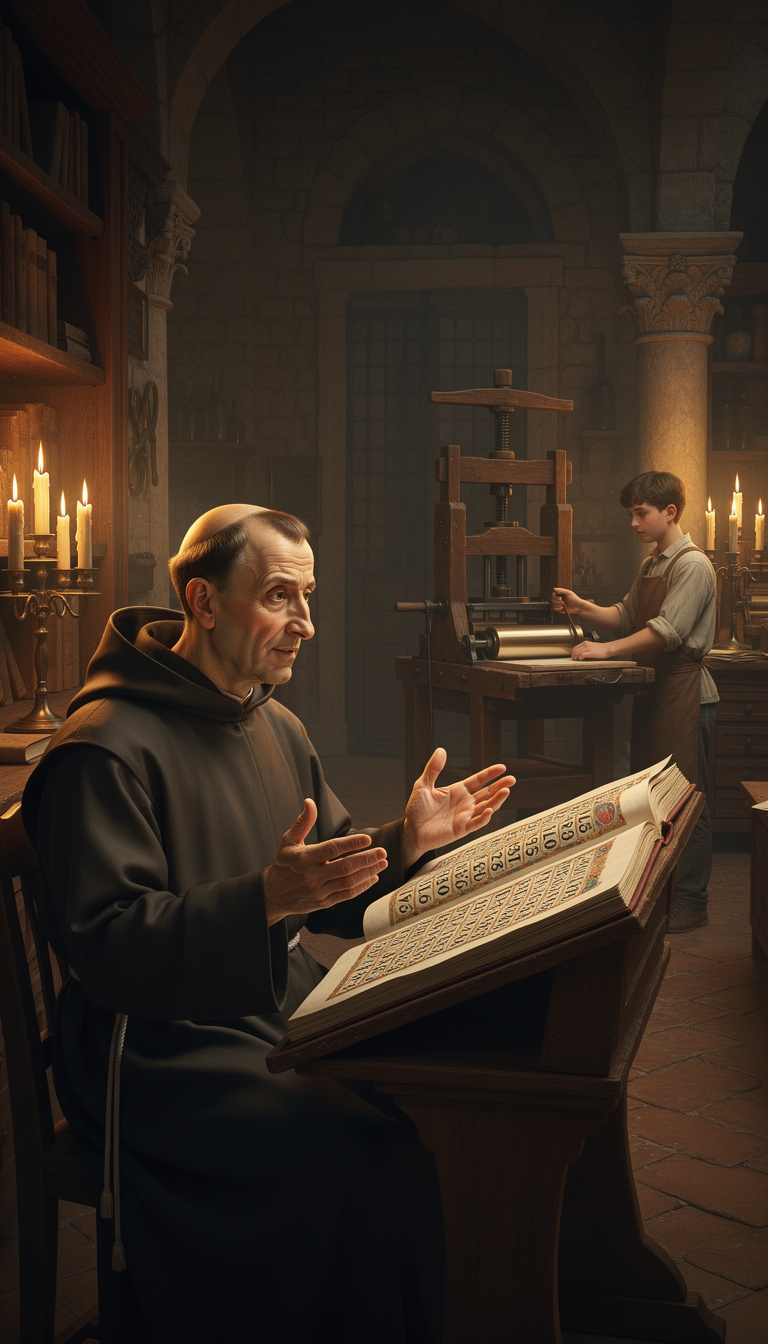 Luca Pacioli
Nel 1494, a Venezia, la mia Summa de Arithmetica vedeva la luce — non un giorno preciso come oggi, ma un'estate che cambiò il commercio europeo. Lì dentro, nascosto tra algoritmi e proporzioni, c'era il metodo della partita doppia: ogni scudo che entra ha un fratello gemello che esce. Nessun mercante più solo con la memoria traballante. Non inventai io questo sistema — i veneziani lo coltivavano da secoli. Ma lo ordinai, lo spiegai, lo diedi alle stampe. La chiarezza è anche un atto di carità.