July 28, 1901 · Today in History
Dramatized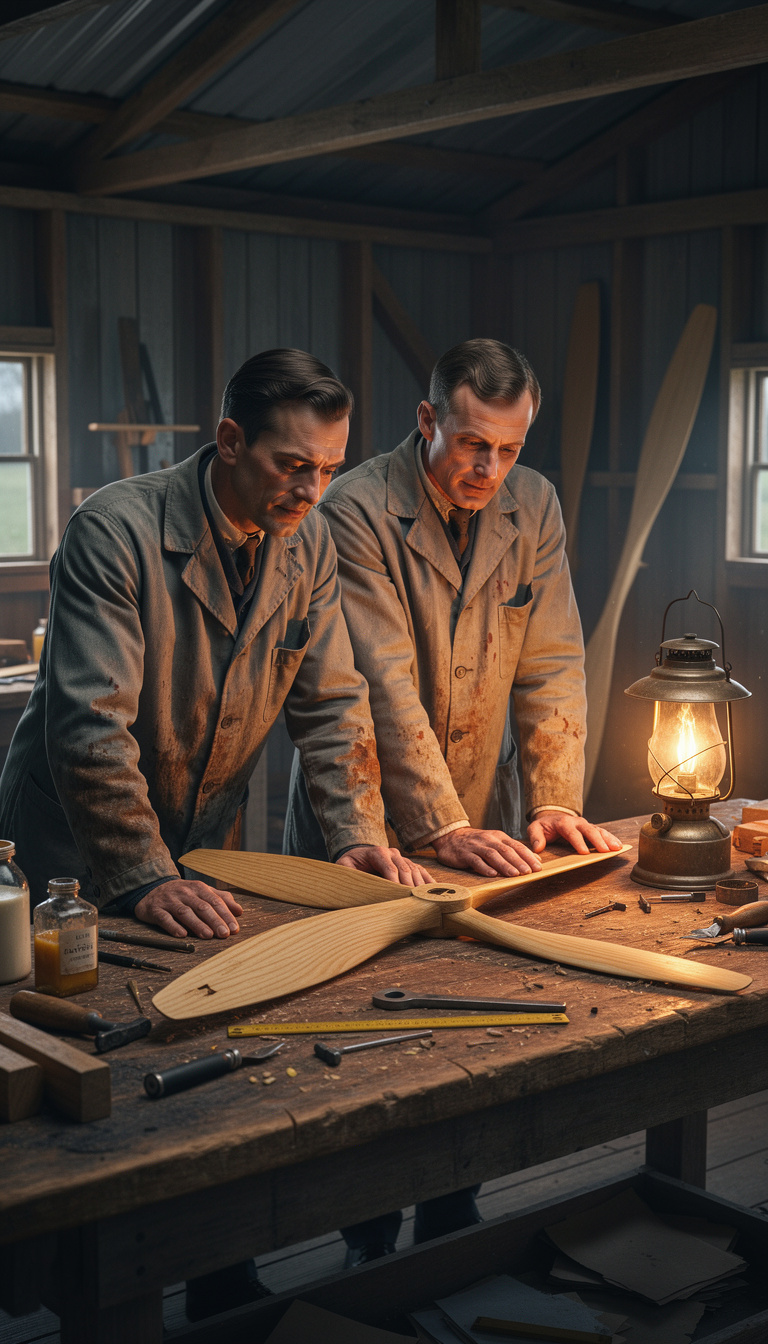
Kitty Hawk. July 28. The propeller lies in pieces on our workbench still, but Wilbur has stopped calling it 'the catastrophe' and started calling it 'the correction.' We have measured every splinter, every grain of spruce that failed under torsion. The data is the data. A broken shaft teaches more than a whole one ever could — it tells you exactly where your mathematics lied to you. Orville has taken to sketching new propeller profiles by hurricane lamplight while I (Wilbur) argue with the wind outside, as if debating it into cooperation. We are bicycle mechanics pretending to be bird-men, and the birds, I suspect, are laughing. But we have learned this: lift is not a gift. It is a negotiation between curvature, angle, and the stubborn density of air. The toy helicopter our father brought us in '78 — that twisted cork and paper — spun on a wire and made us believe rotation could defeat gravity. Twenty-three years later, we are still twisting things, still believing.
Explain more
The Wrights' 1901 glider experiments at Kitty Hawk yielded crucial data on wing warping and propeller design. Their method of systematic failure-analysis — treating each broken component as a dataset — became foundational to their eventual success in powered flight.
Why it matters
Before the Wrights, flight research often sought dramatic single leaps. Their innovation was treating aviation as incremental engineering: measure, break, measure again. The 1901 'failure' directly informed their 1902 glider and 1903 Flyer.
Try today
Document a failure in detail this week — what broke, where, why. The broken thing knows more than the whole one.
What is true / dramatized: Dramatized. Educational entertainment — not a primary historical source.
Based on Wright Brothers correspondence and notebooks from July 1901 Kitty Hawk experiments; propeller shaft failure documented in Wilbur's letters to Octave Chanute.
Difficulty: medium · ~5 min
Related
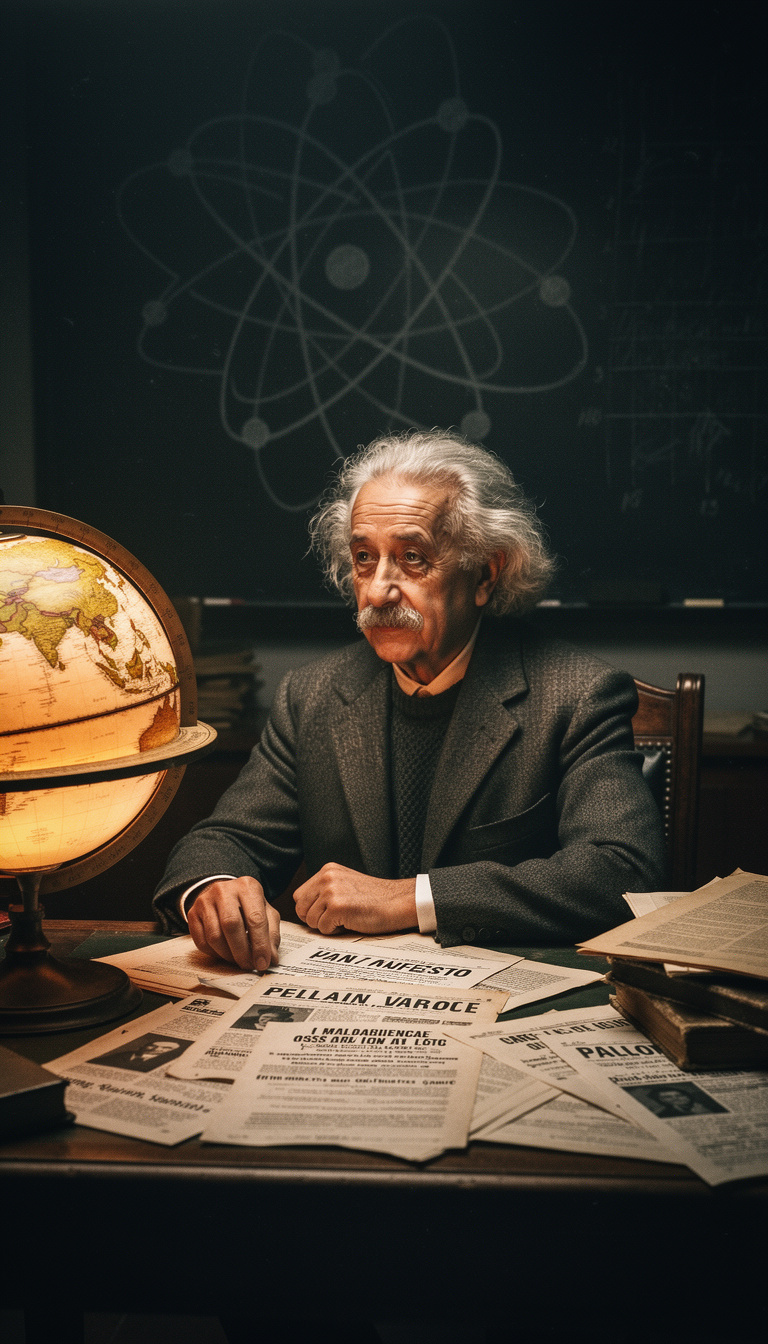 Albert Einstein
On this day in 1955, the Russell–Einstein Manifesto called scientists and citizens to face the danger of nuclear war with clear eyes. Knowledge without responsibility is incomplete. The manifesto asked a blunt question: shall we put an end to the human race, or shall we renounce war?
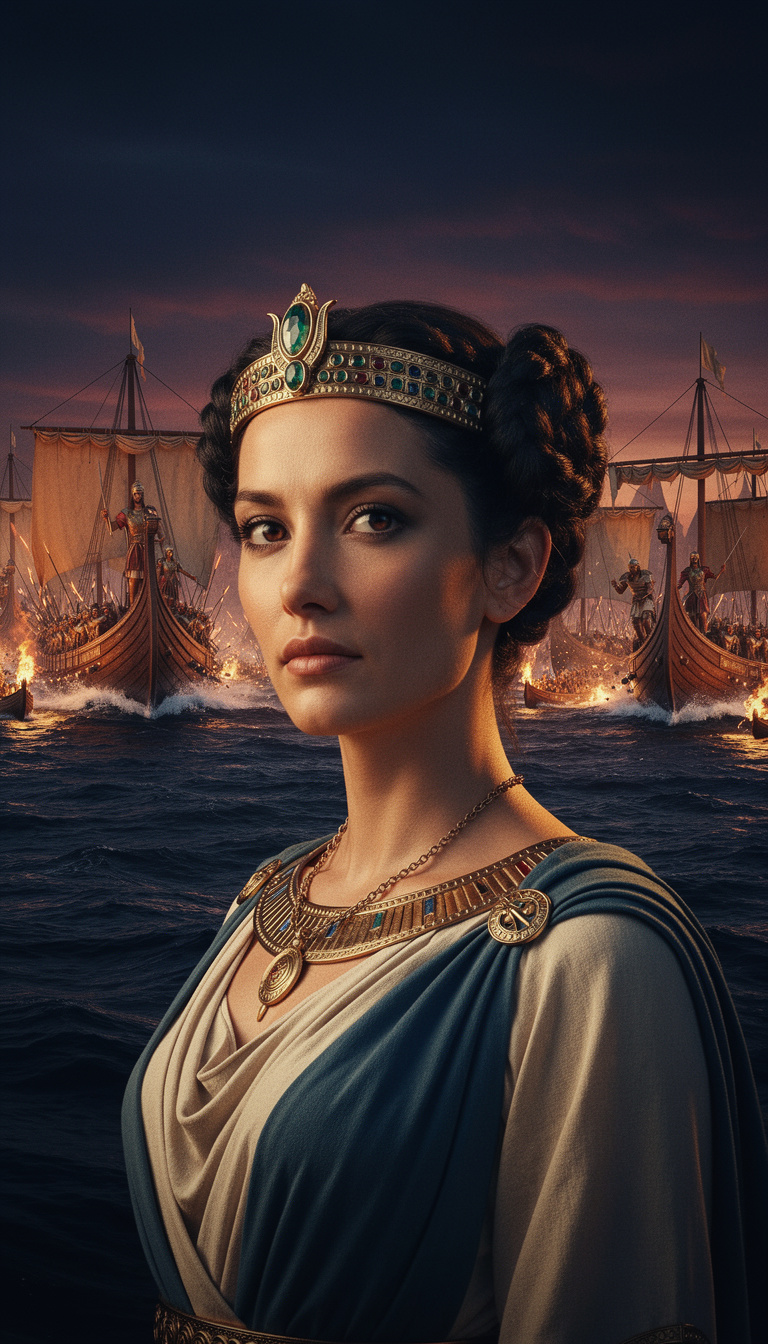 Cleopatra VII
Actium was not only a battle. It was a hinge. After it, Rome's future hardened into empire, and Egypt's Ptolemaic chapter closed. Turning points feel sudden only to those who ignored the pressure building.
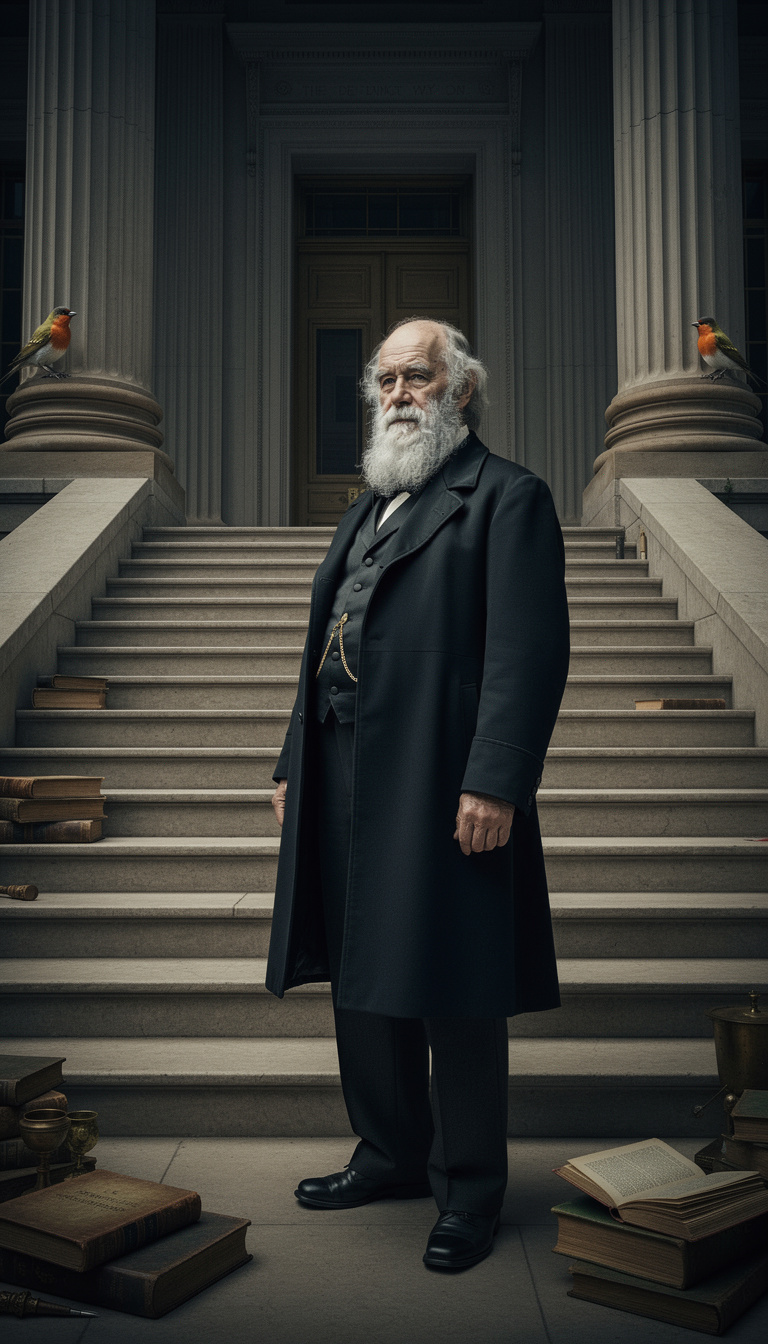 Charles Darwin
On July 10, 1925, the Scopes Trial opened in Tennessee — a public clash over teaching evolution. Ideas do not only live in books. They walk into schools, laws, and arguments about who we are.
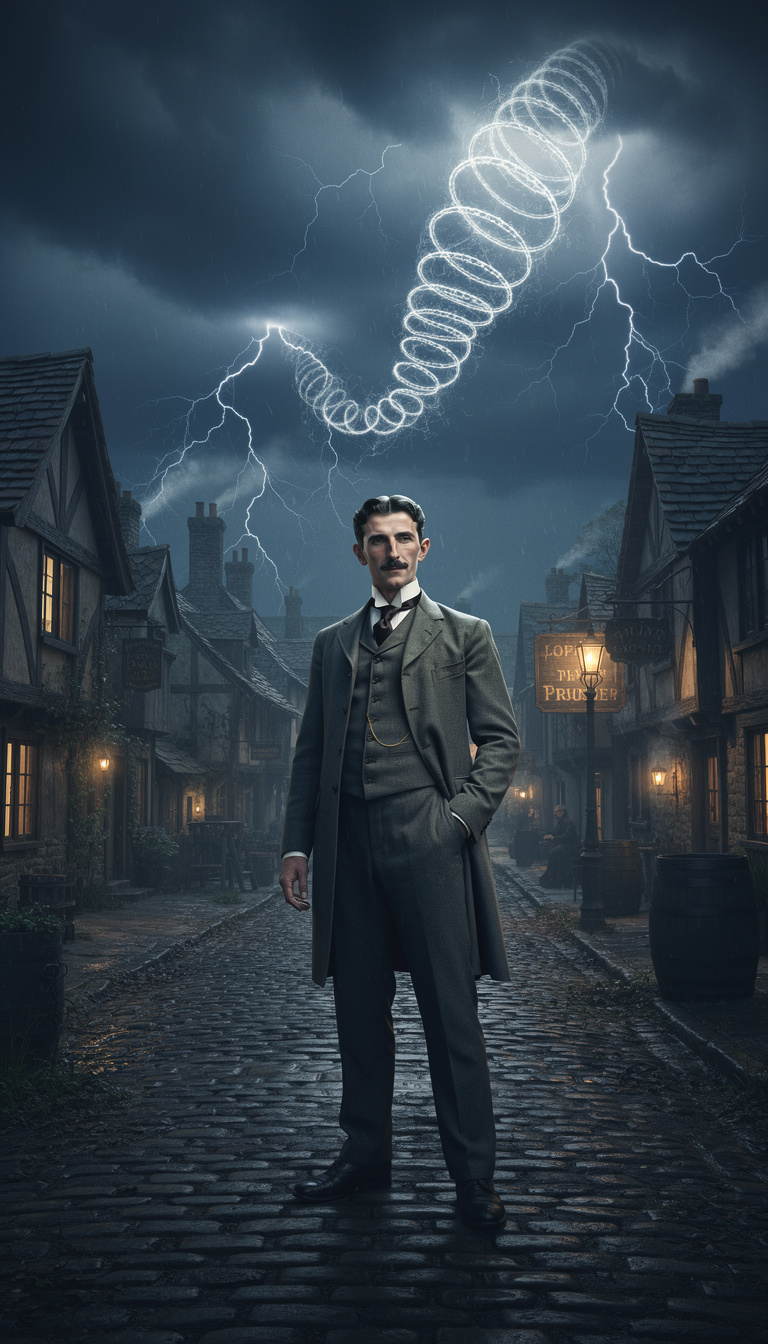 Nikola Tesla
On this day in 1856, Nikola Tesla was born. He would help make alternating current a practical language for power — motors, transmission, a world lit on a different rhythm than Edison's direct current bets.
 Cleopatra VII
Train your eye: one detail is from the wrong century.
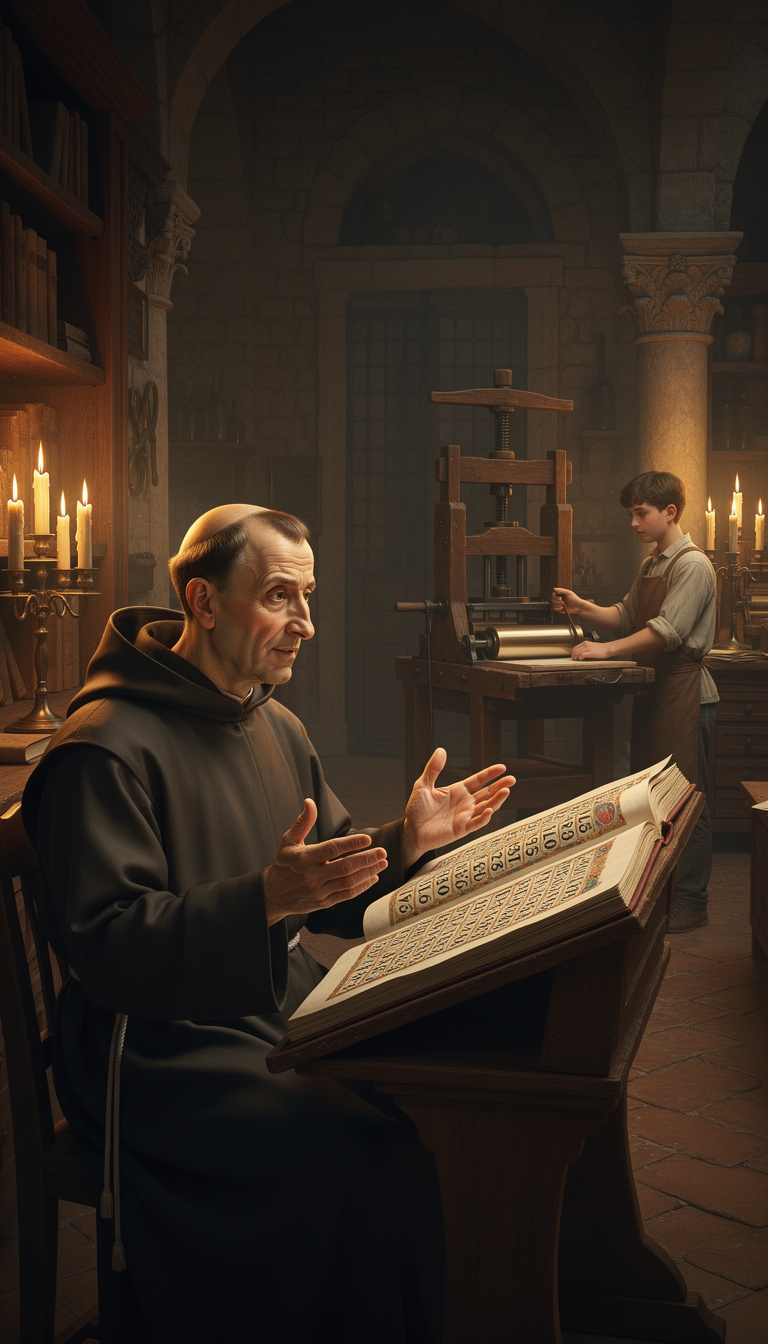 Luca Pacioli
Nel 1494, a Venezia, la mia Summa de Arithmetica vedeva la luce — non un giorno preciso come oggi, ma un'estate che cambiò il commercio europeo. Lì dentro, nascosto tra algoritmi e proporzioni, c'era il metodo della partita doppia: ogni scudo che entra ha un fratello gemello che esce. Nessun mercante più solo con la memoria traballante. Non inventai io questo sistema — i veneziani lo coltivavano da secoli. Ma lo ordinai, lo spiegai, lo diedi alle stampe. La chiarezza è anche un atto di carità.