145 years ago · 1881 — The voice through the wire
Dramatized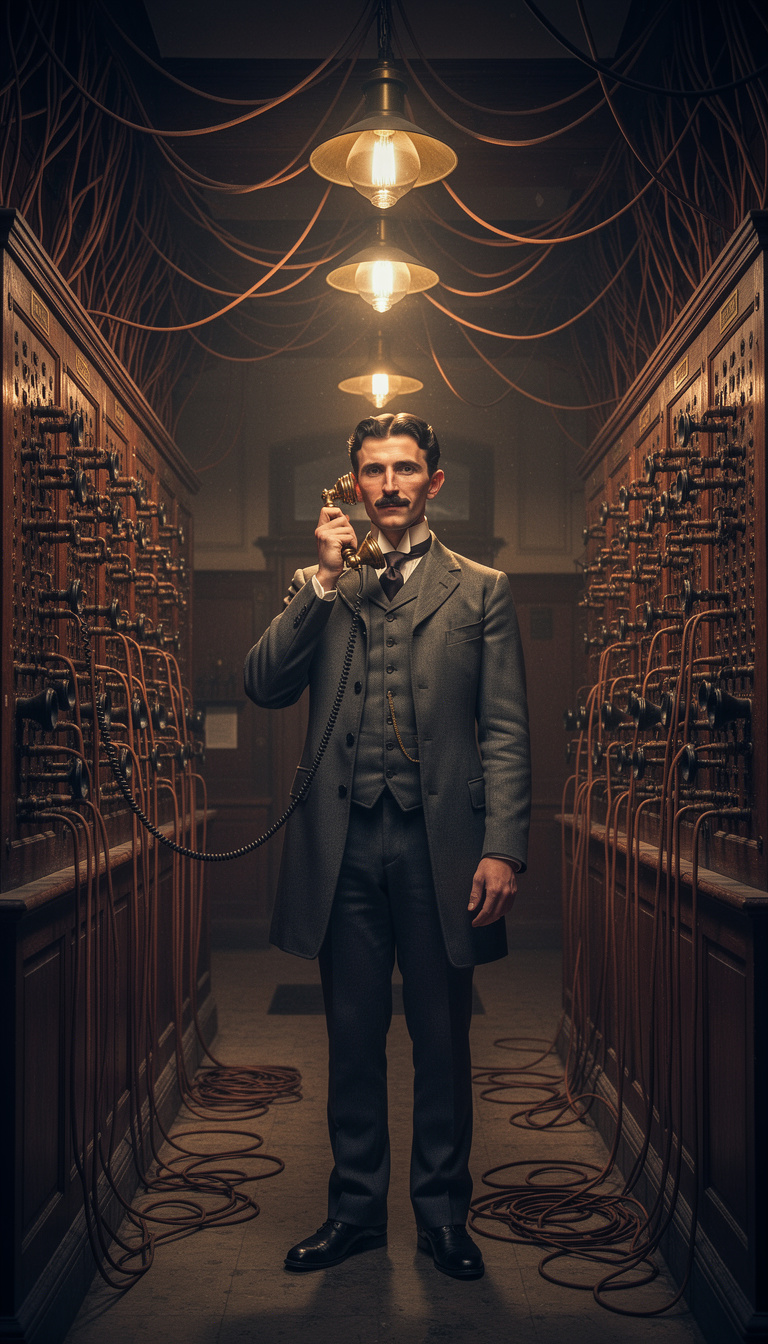
Tivadar Puskás has given me the run of this place — the Budapest Telephone Exchange, still half-built, still coughing with static. I walk the floor at odd hours, unable to sleep, and press the receiver to my ear like a seashell. Voices. Disembodied. I am twenty-five, thin as a rake, and I talk to myself while tracing circuits by gaslight. The clerks think me mad. Perhaps. But I have already rebuilt the amplifier, coaxed clearer tone from the carbon transmitters. The telephone, gentlemen, is not merely a louder telegraph — it is the first time humanity has touched at a distance. I feel something larger gathering. Not this device, but the next. The one I do not yet see, only sense — like pressure before a storm.
Explain more
At the Budapest Telephone Exchange, I learned that electrical systems could carry not just coded dots and dashes, but the living human voice itself — continuous, analog, intimate. This was the bridge from telegraphy to a world of transmitted sound and, eventually, power.
Why it matters
This year taught me that 'improvement' is not repair but re-imagination. I began to trust my visual mind — the ability to construct and run machines entirely in imagination before touching wire.
Try today
Take a device you use without thought. Ask: what is it really doing? What continuous signal — voice, image, energy — passes through it unseen?
What is true / dramatized: Dramatized. Educational entertainment — not a primary historical source.
Tesla worked at the Budapest Telephone Exchange in 1881 under Tivadar Puskás, becoming chief electrician and improving telephone equipment. This experience with transmitting continuous signals influenced his later work with alternating current and wireless systems.
Difficulty: medium · ~4 min
Related
 Nikola Tesla
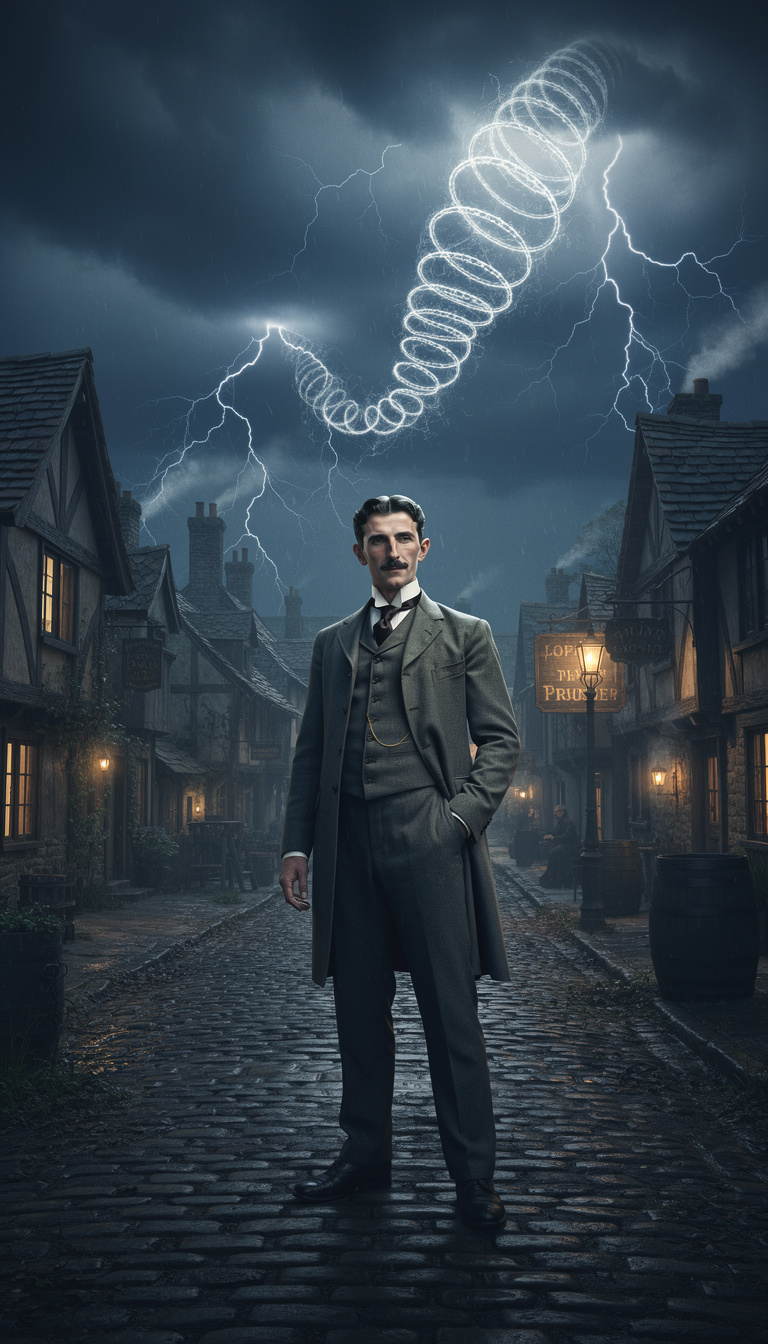
On this day in 1856, Nikola Tesla was born. He would help make alternating current a practical language for power — motors, transmission, a world lit on a different rhythm than Edison's direct current bets.
 Nikola Tesla
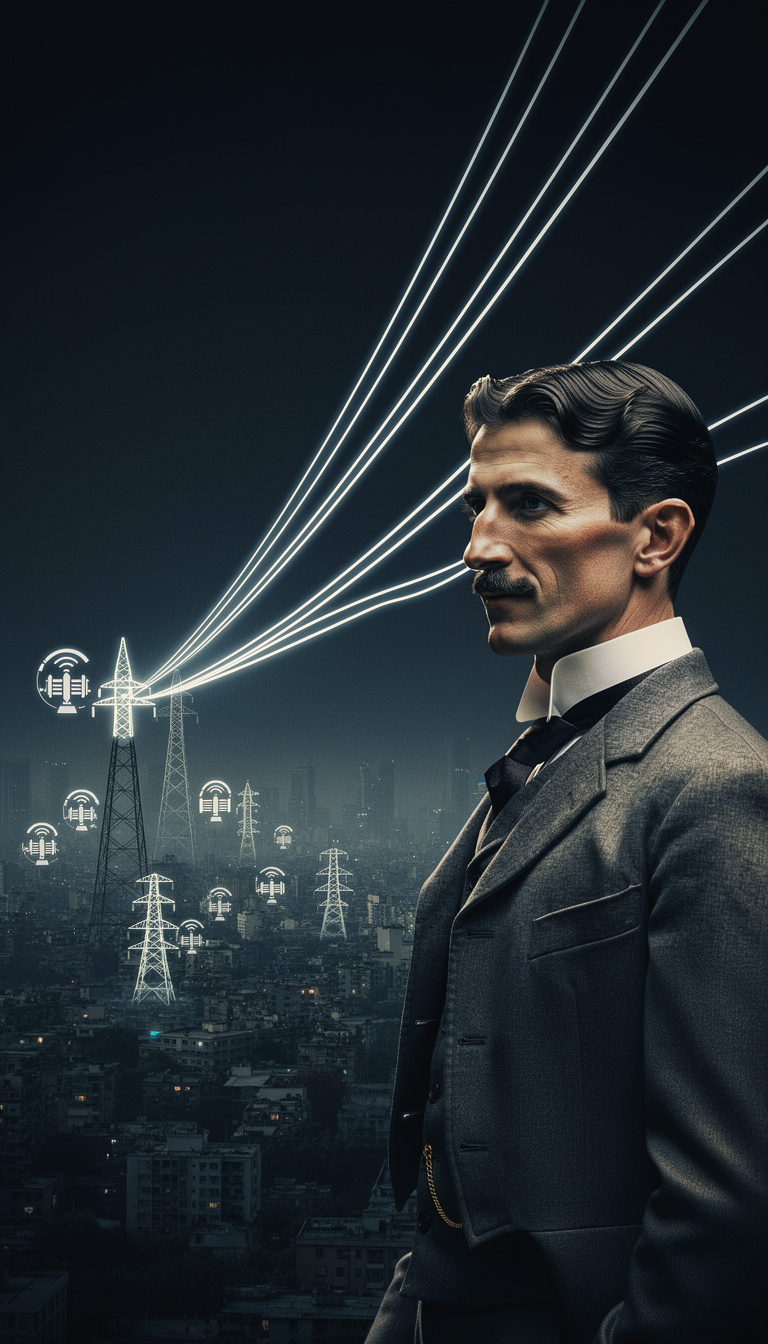
Alternating current can be transformed to high voltage for long-distance travel, then stepped down for safe use. That is why the grid prefers AC's dance: send power far, deliver it gently.
 Nikola Tesla
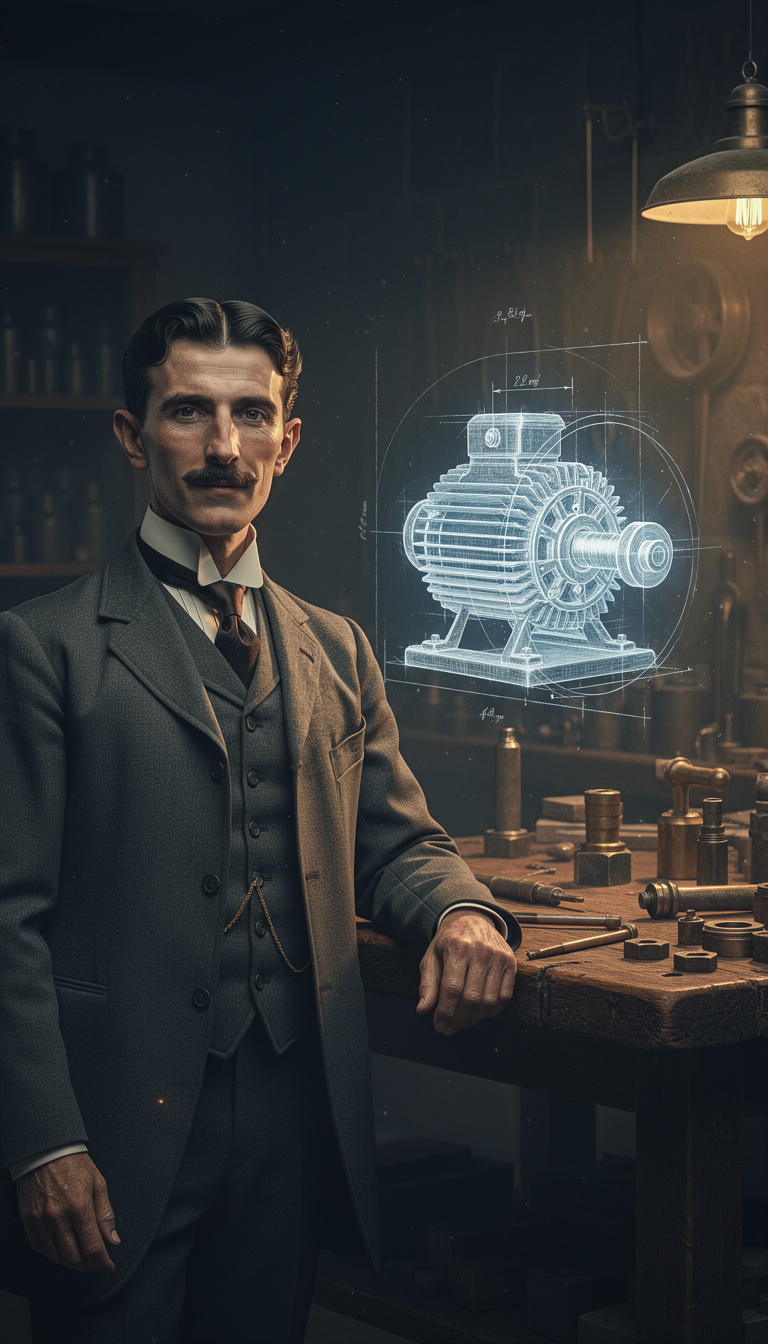
I ran machines in my head until the bearings felt real. Imagination is a laboratory with no rent — if you are disciplined enough to notice when a mental screw is loose.
 Nikola Tesla
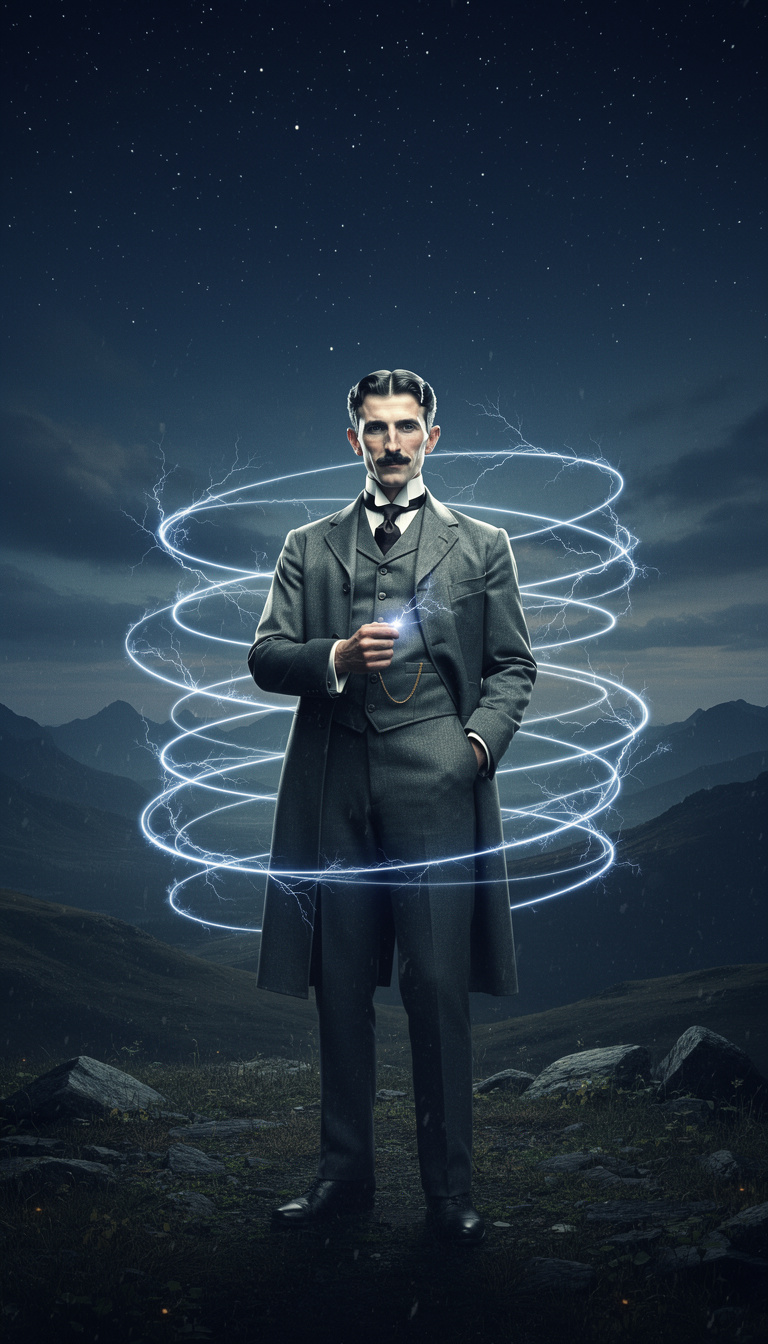
What if energy could cross space without a wire — not as fantasy lightning, but as engineered resonance? Some dreams outran the materials of their day. Dream anyway — then measure.
 Nikola Tesla
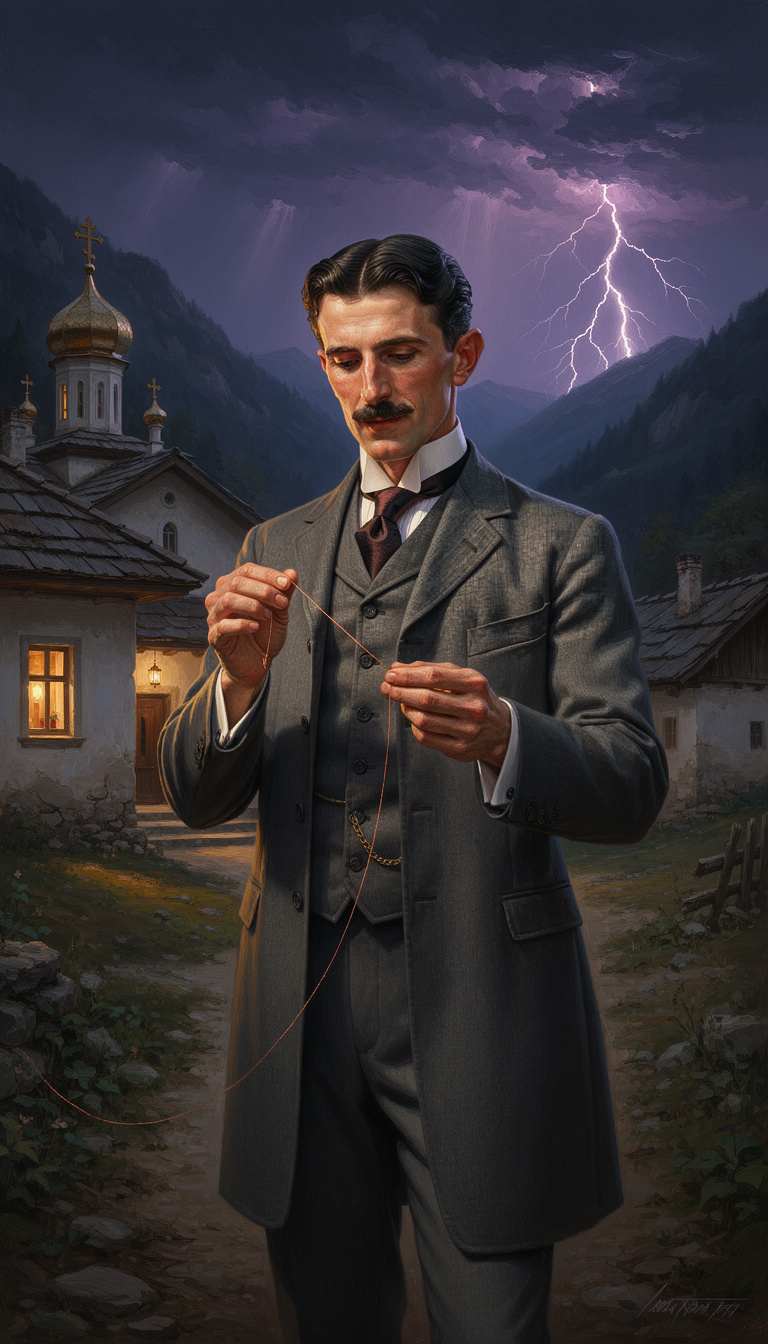
Looking back from these later years, I see that July night in Smiljan with strange clarity — not as memory, for who remembers their own birth, but as the pattern my mother described so often it became mine. The Austrian Empire's Military Frontier, our village perched between mountain and sky, and I arrived during a summer storm so violent the midwife made the sign against evil. My mother, Đuka, laughed at her. She knew lightning. She was the one who would later unravel her embroidery to let me thread copper wire through the patterns. A woman who invented her own tools when none existed. I understand now: I did not become an inventor. I was found by one, and recognized. The insight I offer you: genius is not born in isolation. It is born in recognition — someone seeing the spark in you before you dare see it yourself.
 Nikola Tesla
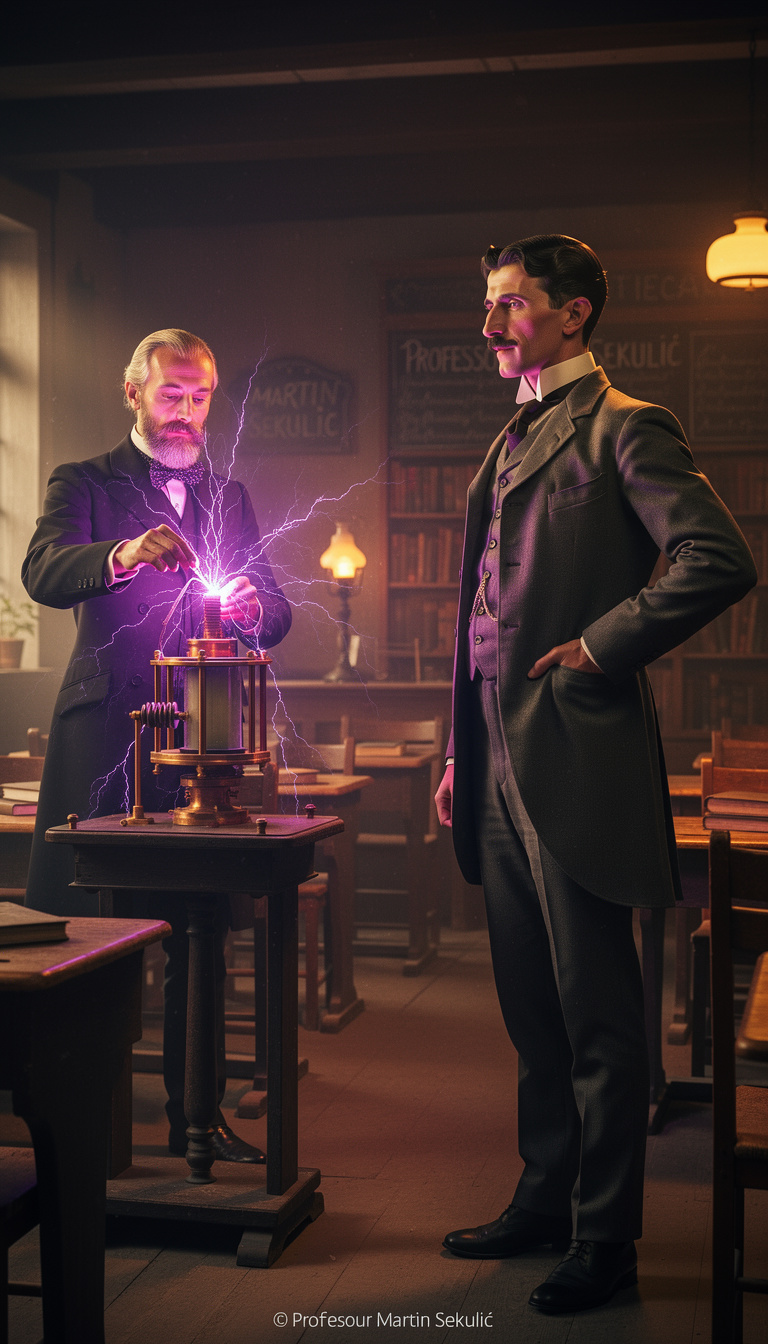
Fourteen years old, alone in Karlovac, boarding with strangers while my mother sent what she could from Smiljan. The Higher Real Gymnasium—every lecture in German, a language I had to drink down like bitter medicine. But then: Professor Martin Sekulić, his demonstrations. He would crank the electrostatic machine, and the sparks would leap between brass spheres like captive lightning. I did not merely watch. I *felt* the hair rise on my neck, the same prickling I knew from our valley storms. In that moment I understood that electricity was not magic, not theology—it was a language, and I intended to become fluent. My mind, even then, would not rest. I would walk the Kupa riverbanks until midnight, rehearsing inventions I had no materials to build, seeing them turn in perfect detail behind my eyes. This was not diligence. It was obsession, and I make no apology for it.