c. 1901–1902 · c. 1901–1902 — The tower rises on Long Island
Dramatized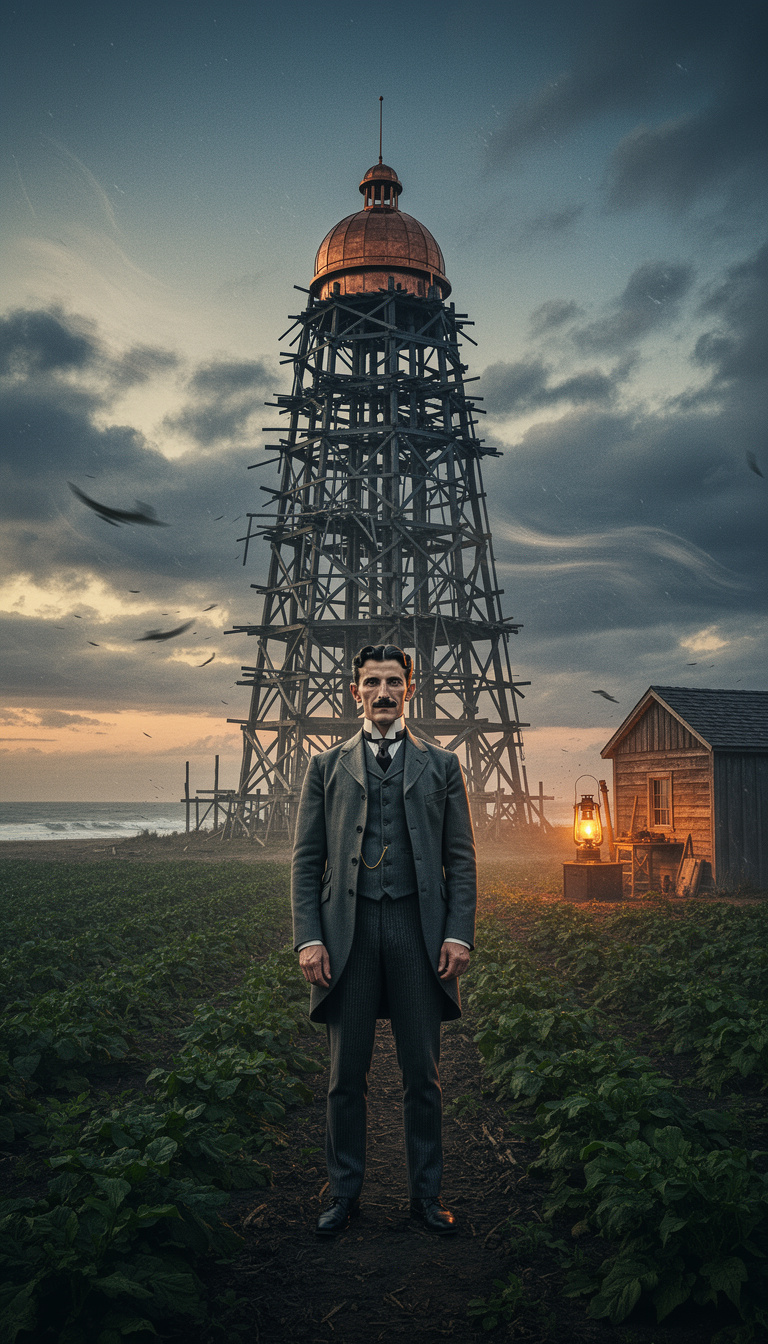
On a potato field at Wardenclyffe, my tower climbs 187 feet into the Atlantic wind—an octagonal skeleton of steel, crowned with a copper dome the size of a dance hall. Beneath it, my generators pulse currents into the earth itself. I have told my investors: here, a message sent from New York shall emerge, clean as a whisper, in Paris. Here, a lamp may light without wire, drawing from the planet's own heartbeat. J.P. Morgan's $150,000 built the bones. But I have not told him everything. I dream not only of telegraphy, but of power—free power, broadcast like sunlight. The bills multiply. The contractors knock. My mustache grows untrimmed; I forget meals while calculating resonant frequencies by the coal-oil lamp. The tower stands half-alive, humming to no one. Had I only known how thin the thread between vision and ruin...
Explain more
Wardenclyffe Tower was designed as a wireless telegraphy station, but Tesla's broader ambition was wireless power transmission through earth resonance. The project failed when funding collapsed—partly because Marconi achieved transatlantic radio signals first (using Tesla's own patented circuits, I might add, though the courts later vindicated me).
Why it matters
This moment captures the peril of invention: the gap between a working principle and a working business. Tesla's AC success came through industrial partnership; Wardenclyffe's grander scope exceeded what any single patron would risk.
Try today
When your idea outpaces your resources, test the smallest version first. Tesla built enormous before proving incremental—a caution and a courage both.
What is true / dramatized: Dramatized. Educational entertainment — not a primary historical source.
Based on Tesla's correspondence with J.P. Morgan, Wardenclyffe construction records, and his 1904 testimony on the project's scope and collapse.
Difficulty: medium · ~4 min
Related
 Nikola Tesla
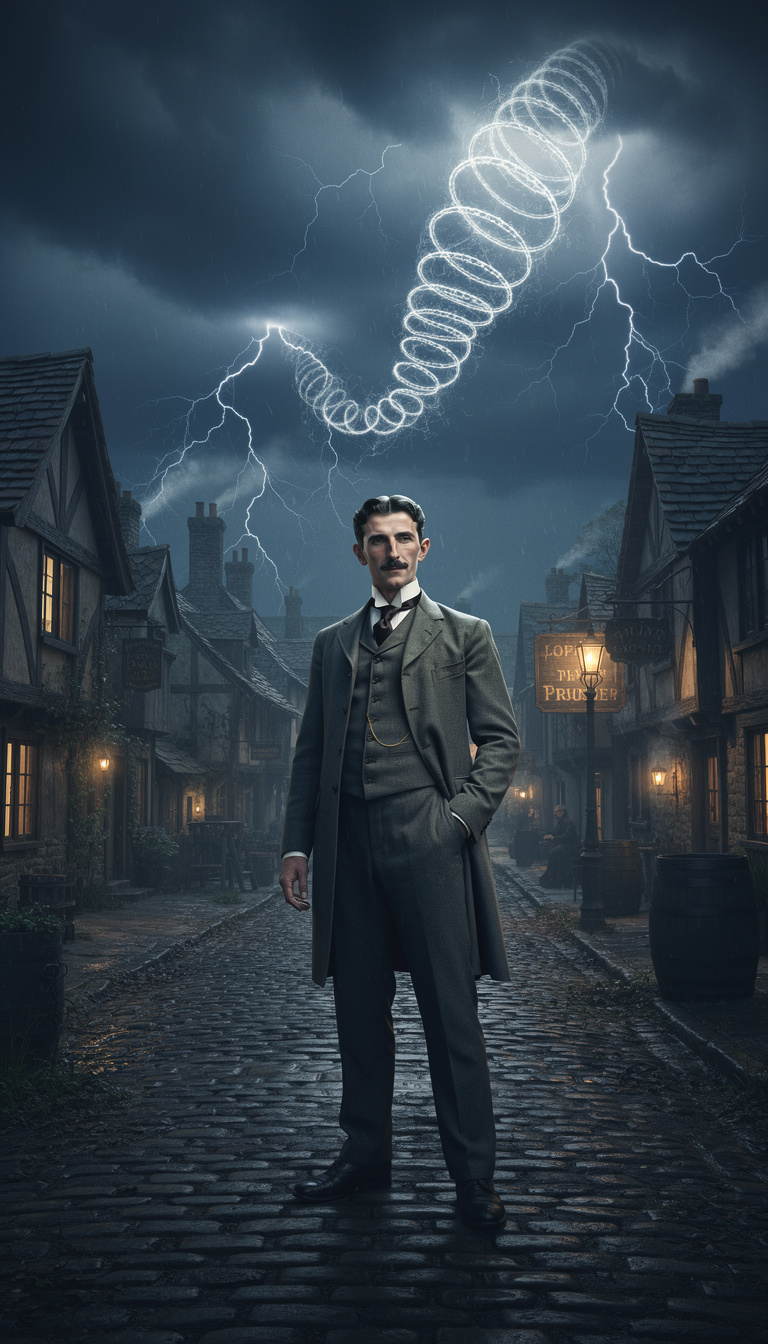
On this day in 1856, Nikola Tesla was born. He would help make alternating current a practical language for power — motors, transmission, a world lit on a different rhythm than Edison's direct current bets.
 Nikola Tesla
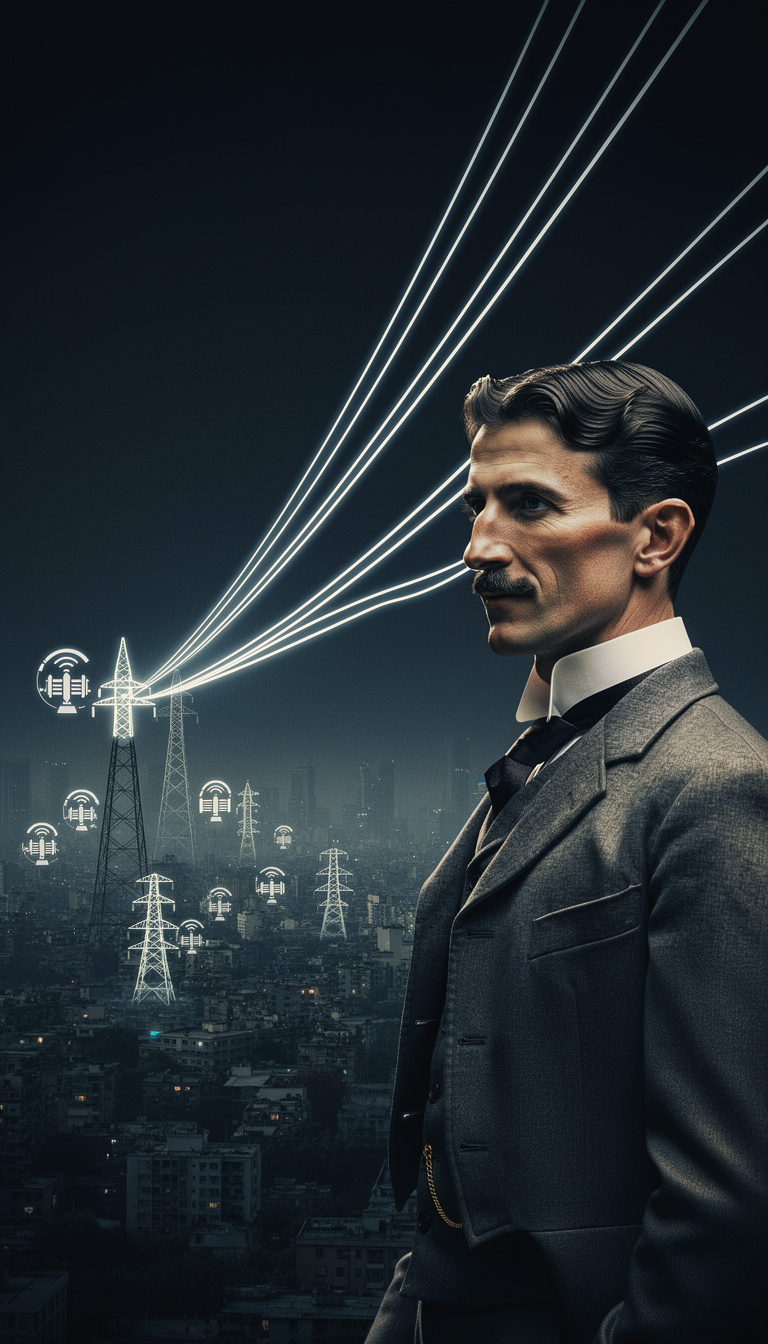
Alternating current can be transformed to high voltage for long-distance travel, then stepped down for safe use. That is why the grid prefers AC's dance: send power far, deliver it gently.
 Nikola Tesla
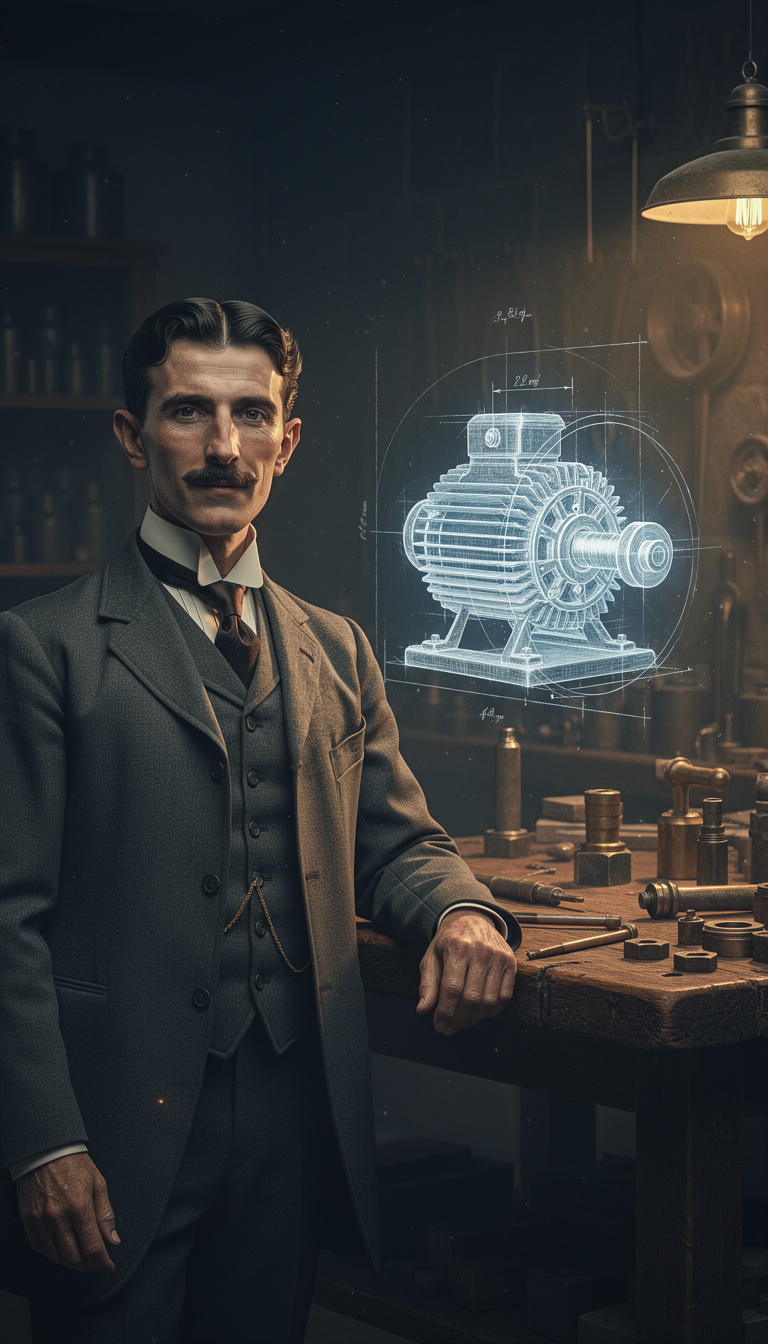
I ran machines in my head until the bearings felt real. Imagination is a laboratory with no rent — if you are disciplined enough to notice when a mental screw is loose.
 Nikola Tesla
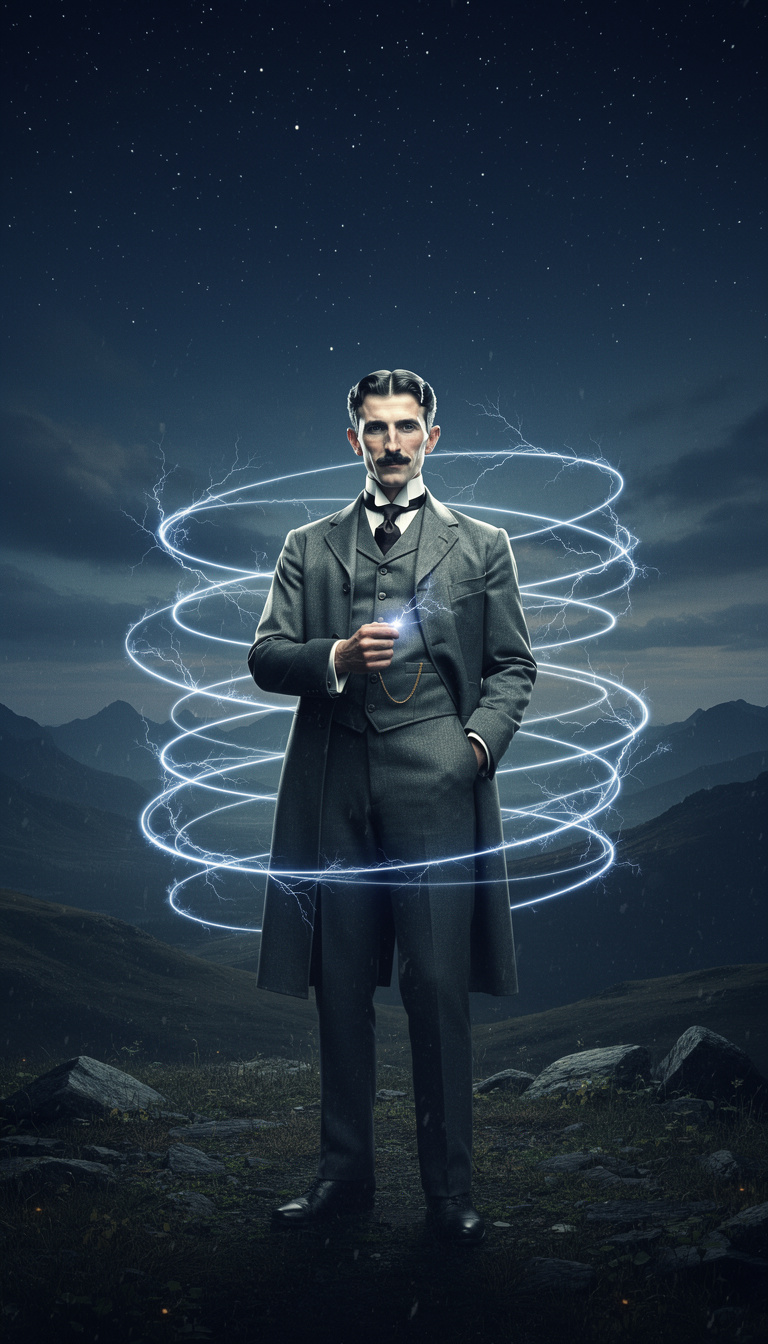
What if energy could cross space without a wire — not as fantasy lightning, but as engineered resonance? Some dreams outran the materials of their day. Dream anyway — then measure.
 Nikola Tesla
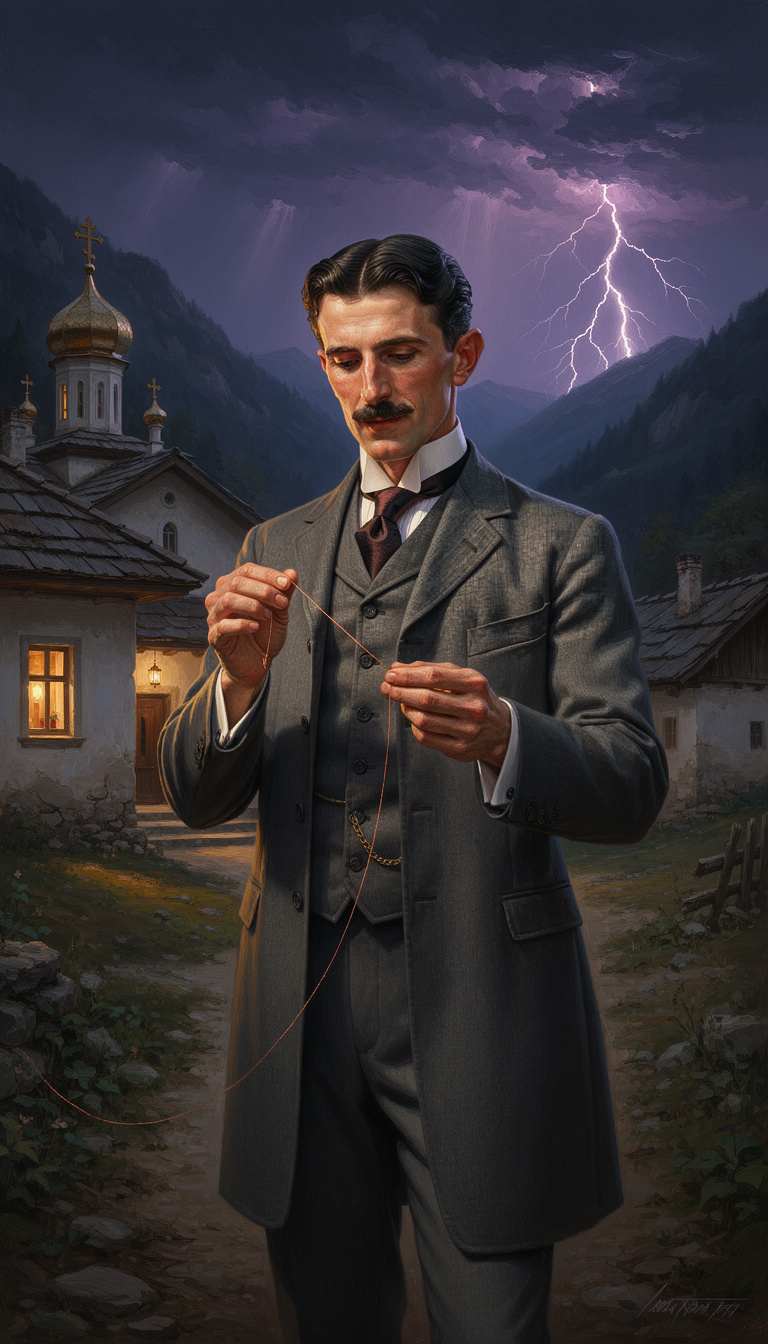
Looking back from these later years, I see that July night in Smiljan with strange clarity — not as memory, for who remembers their own birth, but as the pattern my mother described so often it became mine. The Austrian Empire's Military Frontier, our village perched between mountain and sky, and I arrived during a summer storm so violent the midwife made the sign against evil. My mother, Đuka, laughed at her. She knew lightning. She was the one who would later unravel her embroidery to let me thread copper wire through the patterns. A woman who invented her own tools when none existed. I understand now: I did not become an inventor. I was found by one, and recognized. The insight I offer you: genius is not born in isolation. It is born in recognition — someone seeing the spark in you before you dare see it yourself.
 Nikola Tesla
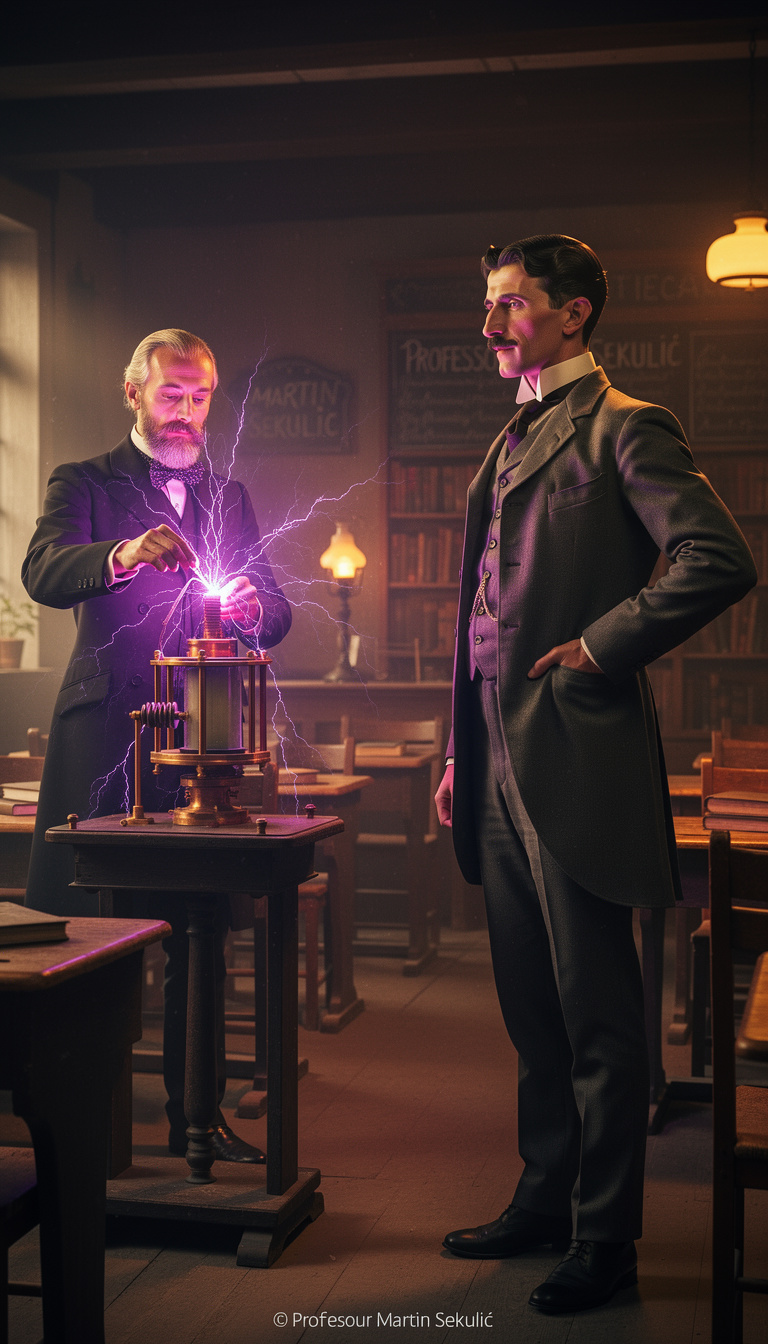
Fourteen years old, alone in Karlovac, boarding with strangers while my mother sent what she could from Smiljan. The Higher Real Gymnasium—every lecture in German, a language I had to drink down like bitter medicine. But then: Professor Martin Sekulić, his demonstrations. He would crank the electrostatic machine, and the sparks would leap between brass spheres like captive lightning. I did not merely watch. I *felt* the hair rise on my neck, the same prickling I knew from our valley storms. In that moment I understood that electricity was not magic, not theology—it was a language, and I intended to become fluent. My mind, even then, would not rest. I would walk the Kupa riverbanks until midnight, rehearsing inventions I had no materials to build, seeing them turn in perfect detail behind my eyes. This was not diligence. It was obsession, and I make no apology for it.